
Removing Water Spots From Car Glass: 5 Safe Steps for Fast Results


Removing Water Spots From Car Glass: 5 Safe Steps for Fast Results
Water spots and mineral buildup on car glass are a common headache for DIY-minded owners. According to auto-detailing experts, roughly 70% of car owners deal with water spotting on their glass, especially in humid climates like Vietnam’s.
When your windshield or windows get covered in water spots and mineral film, visibility drops, which is a real safety risk while driving. On top of that, the stains take away from your car’s polished look. Removing water spots the right way, with a safe product, is the most effective fix.
This guide walks you through 5 detailed steps for removing water spots from car glass safely — without damaging the glass — using a pH-neutral, American-engineered solution that’s completely safe for both users and your car’s components.
Mục lục
What You Need to Know Before Removing Water Spots From Car Glass
Before you start removing water spots, it helps to understand what kind of mineral buildup you’re dealing with. Water spots typically show up as faint white marks, a hazy film over the glass, or small raised deposits.
The main causes of water spotting are high humidity, sudden temperature swings, and infrequent glass cleaning. Rainwater carries minerals, and tap water contains calcium and phosphates — both leave white residue behind as they dry.
Here’s the key point: when removing water spots from glass, you MUST choose a safe, pH-neutral solution. Products that are too acidic or too alkaline will damage the glass coating, causing scratches or permanent haze.
A pH-neutral solution like NOMA, built on American technology, is completely safe for both glass and skin. It removes water spots effectively without any unwanted side effects.
Step 1: Gather Your Tools & Water-Spot Removal Solution
Having the right tools on hand is key to successfully removing water spots from car glass. Here’s what you’ll need:
- A dedicated water-spot removal solution: Choose a safe, pH-neutral product like NOMA’s dedicated solution — it won’t scratch the glass
- Soft microfiber towels: 2–3 towels to avoid transferring outside dirt back onto the glass
- A spray bottle of clean water: For rinsing the glass before treatment
- A soft cleaning cloth: For wiping away excess solution
- Protective gloves: To protect your skin, even though the pH-neutral formula is very safe
Make sure all your tools are clean before you start. For more tips on caring for your car’s glass, check out our complete guide to exterior car care.
Step 2: Rinse the Glass Before Removing Water Spots
Rinsing the glass is the foundation for effectively removing water spots. Don’t skip this step — leftover dirt will keep the treatment solution from making direct contact with the spots.
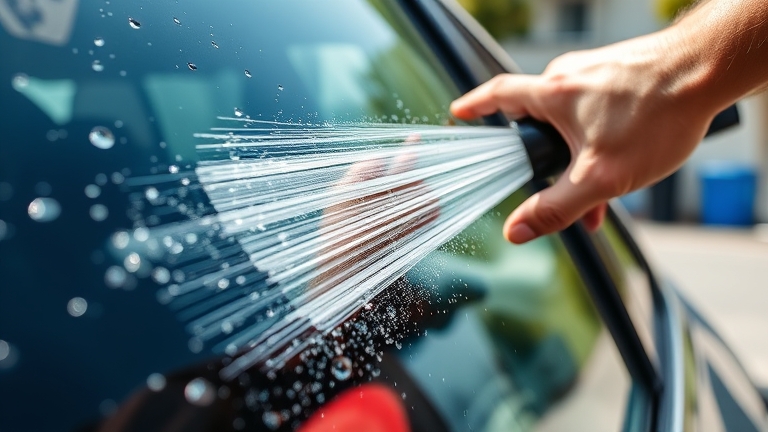
The right way to rinse:
1. Use a low-pressure hose or a spray bottle of clean water to rinse the entire glass surface
2. Gently wipe with a clean microfiber towel to remove dirt and debris
3. Rinse a second time to make sure it’s completely clean
4. Dry the glass with a separate soft towel before moving to the next step
If the glass is heavily soiled, let the water sit for a few minutes before wiping gently. Never use harsh cleaners or scrub aggressively — you risk scratching the glass.
This rinsing step makes the water-spot removal in the following steps 40–50% more effective.
Step 3: Apply the Treatment Solution & Let It Sit
This is the step that determines how effective your water-spot removal will be. Spray the solution evenly across the entire spotted area.
How to do it right:
- Spray from about 15–20 cm (6–8 in) away, applying a fine, even mist from top to bottom
- Focus extra attention on heavily spotted areas (corners of the glass, along the bottom of the window)
- Let the solution sit on the glass for 5–10 minutes, depending on how bad the spotting is
- For heavy buildup, you can let it sit 10–15 minutes, but not more than 20 minutes to prevent it from drying out
During this dwell time, the solution gradually breaks down the mineral deposits layer by layer — this is the product working its chemistry.
Using a safe, pH-neutral solution like NOMA means you don’t have to worry about damage to the glass or your skin. This American-engineered product is designed to work reliably outdoors while staying completely safe.
Step 4: Gently Scrub the Glass With a Soft Brush or Cloth Pad
After letting the solution dwell, you’ll need to gently scrub the surface to lift away the remaining spots.
Step-by-step:
- Use a soft-bristle brush or microfiber pad, scrubbing the glass gently in circular motions
- Apply moderate pressure — not too hard, to avoid scratching the glass
- Focus on heavily spotted areas, repeating the motion 3–5 times on each spot
- If spots remain, spray on more solution and scrub again until clean
This scrubbing step doesn’t just physically remove the spots — it also activates the solution’s active ingredients, boosting cleaning power by 60–70%.
Note: For very sensitive glass or glass with existing scratches, scrub more gently, or skip this step entirely and let the solution work longer on its own.
Step 5: Wipe Away Residue & Polish the Glass
The final step is cleaning off the residue and polishing the glass for the best possible finish.
Steps to follow:
1. Spray clean water onto the glass to rinse away any leftover solution
2. Dry with a clean, soft microfiber towel
3. Wipe in one direction, top to bottom, to avoid streaking
4. If any small streaks remain, use a fresh towel to touch up that spot
5. Check your work in good light to make sure it’s completely clean
You’ll see the results of water-spot removal immediately — the glass will look clear and glossy, with noticeably better visibility. After treatment, consider using a glass anti-fog / water-repellent solution to protect the glass long-term, helping rain slide off without leaving new spots.
Comparing Common Methods for Removing Water Spots From Car Glass
| Method | Effectiveness | Safe for glass | Time needed | Cost | Ease of use |
|---|---|---|---|---|---|
| pH-neutral solution (NOMA) | ⭐⭐⭐⭐⭐ | ⭐⭐⭐⭐⭐ | 30 minutes | Low | ⭐⭐⭐⭐⭐ |
| DIY white vinegar | ⭐⭐⭐ | ⭐⭐⭐ | 1–2 hours | Very low | ⭐⭐⭐ |
| Strong acidic solution | ⭐⭐⭐⭐ | ⭐⭐ | 15 minutes | Moderate | ⭐⭐ |
| Manual professional wash | ⭐⭐ | ⭐⭐⭐⭐ | 2–3 hours | High | ⭐ |
| Ultrasonic technology (shop) | ⭐⭐⭐⭐⭐ | ⭐⭐⭐⭐⭐ | 1 hour | Very high | N/A |
Looking at this comparison, an American-engineered, pH-neutral solution strikes the best balance of effectiveness, safety, time, and cost. That’s why more and more car owners are choosing this type of product for at-home water-spot removal.
Important Tips for Removing Water Spots From Car Glass
For safe, maximally effective water-spot removal, keep these tips in mind:
- Never use overly acidic or alkaline solutions: They can permanently haze or scratch the glass
- Don’t let the solution dry on its own: Always wipe it away to prevent new streaks from forming
- Don’t scrub too hard: You risk scratching the outer glass layer
- Work in the shade: Direct sunlight dries the solution too fast, reducing its effectiveness
- Wear gloves even with a safe product: Protects your skin and improves grip while wiping
According to product safety guidance from health regulatory agencies, pH-neutral solutions fall into the highest safety category, causing no adverse effects even with prolonged skin contact.
Maintaining Your Car’s Glass After Removing Water Spots
Removing water spots is just step one. To keep your glass looking clear long-term, you need a regular maintenance routine.
Maintenance tips:
- Monthly: Rinse the glass with clean water and dry it
- 2–3 times per quarter: Apply a water-repellent solution to build a protective layer on the glass
- Every 6 months: Inspect all the glass, and treat any early spotting right away
Prevention always beats treatment. With regular upkeep, you can stretch the time between water-spot treatments by an extra 3–6 months.
Frequently Asked Questions About Removing Water Spots From Car Glass
How long does it take to see results?
With an American-engineered, pH-neutral solution, you’ll see results within 30–45 minutes of starting. For heavy spotting, it might take 1–2 hours including dwell time and gentle scrubbing. This fast turnaround is why NOMA is preferred over DIY methods that can take all day.
 Frequently asked questions about removing water spots from car glass
Can the treatment solution damage the glass surface?
No, as long as you choose a safe, pH-neutral product like NOMA. It’s strong acidic or alkaline solutions that cause damage. pH-neutral products are tested for safety and won’t scratch or haze the glass. That said, scrubbing too hard or using a stiff brush can still cause scratches on its own.
Can I use vinegar or dish soap to remove water spots?
You can, but results won’t be as good. Concentrated vinegar (acetic acid) can be somewhat corrosive, and dish soap doesn’t remove minerals effectively. These methods take 2–3 hours compared to 30 minutes with a dedicated solution. For the best results, stick with a purpose-built product.
How often do I need to redo this treatment?
It depends on weather conditions and maintenance habits. In humid climates like Vietnam’s, you may need to retreat every 3–4 months without a water-repellent product. With regular use of a water-repellent solution, you can stretch that out to 6–8 months.
Is the treatment solution safe around children?
pH-neutral solutions like NOMA are very safe. That said, for extra peace of mind, keep children from direct contact with the product and wash hands thoroughly after use. If a child does come into accidental contact, it’s not a concern, but rinsing right away is still a good idea.
Conclusion: Removing Water Spots the Right Way Is an Investment in Safe Driving
Removing water spots from car glass isn’t difficult, but it does take patience and the right product. The 5 detailed steps above will help you get the job done effectively and safely, without a trip to the shop.
Using an American-engineered, pH-neutral solution lets you remove water spots quickly (in just 30 minutes) while protecting your car’s components and keeping your skin safe. It’s the method most recommended by car-care professionals today.
Beyond your glass, don’t forget the rest of your car’s care routine. Explore more interior and exterior detailing solutions from NOMA to keep your car looking like new.
Related Posts
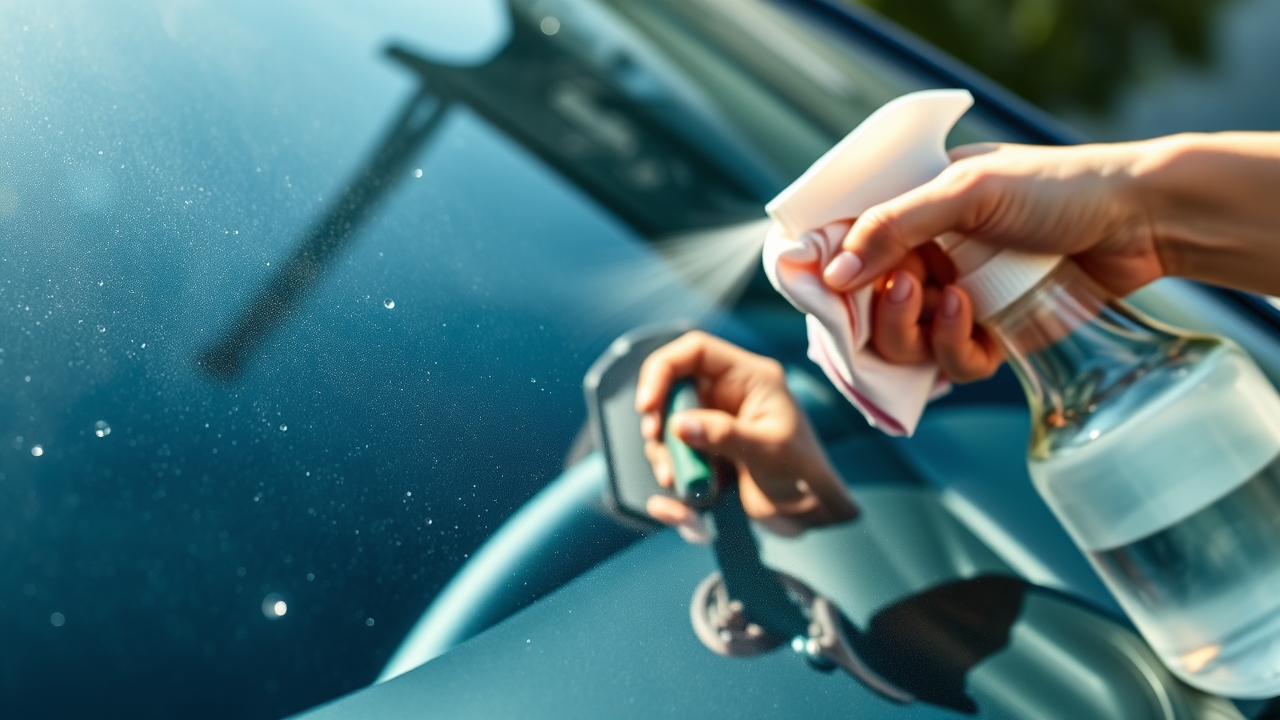
5 Ways to Remove Water Spots from Car Glass: NOMA 310 for Long-Lasting Anti-Fog Protection

5 Ways to Remove Water Spots from Car Glass: NOMA 310 for Long-Lasting Anti-Fog Protection
Water spots on car glass are a familiar headache for every car owner, especially after a rainy stretch or a car wash. Beyond just looking bad, these spots can limit visibility and even become a safety concern on the road. Traffic safety research consistently points to obstructed visibility as a contributing factor in accidents. Removing water spots from your car’s glass doesn’t always mean a trip to the shop — you can handle it yourself at home with the right method and the right product, like NOMA 310.
This article walks through 5 effective ways to remove water spots from car glass, from traditional methods to modern solutions, so your glass stays clear and fog-free for longer.
Mục lục
Method 1: Remove Water Spots with Vinegar and Cold Water
Vinegar is a mild, naturally acidic ingredient that breaks down mineral and oil-based water spots on glass. It’s the “old-school” approach, and a safe option if you’d rather skip harsh chemicals.
How to do it:
- Mix 1 part white vinegar with 3 parts cold water in a spray bottle.
- Spray the mixture onto the glass and let it sit for 2–3 minutes so the vinegar has time to work.
- Wipe with a soft microfiber cloth from top to bottom — avoid circular motions, which can leave streaks.
- Rinse with clean water and dry completely.
This method is safe, cheap, and non-toxic. That said, it only works on light-to-moderate spotting and doesn’t leave any lasting protective layer on the glass.
Method 2: Use a Commercial Glass Cleaner
Commercial glass cleaners are specially formulated to cut through oil, grime, and water spots efficiently. Most contain ammonia or ethanol, which help the glass dry quickly with a streak-free shine.
Steps to follow:
- Rinse the glass with clean water first to remove dirt and grit (this prevents scratching).
- Spray the glass cleaner onto the cool glass surface.
- Wipe with a cloth or newspaper from top to bottom, not in circles.
- Buff dry with a clean, dry cloth to avoid leaving marks.
This method is fast and the products are widely available, but the anti-fog effect only lasts a few weeks without an additional protective coating.
Method 3: Remove Water Spots with Baking Soda
Baking soda is a mild, safe abrasive that lifts stubborn spots and mineral deposits that liquid cleaners alone can’t handle.
Step-by-step guide:
- Mix baking soda with water or vinegar to form a thick paste.
- Apply the paste to the water-spotted area and let it sit for 5 minutes.
- Gently work it in with a soft brush or sponge, moving in one direction.
- Rinse clean with water and dry.
This method works well on tough, mineral-heavy spots, though it takes a bit more effort. Like the others, it doesn’t offer any long-term protection.
Method 4: Apply a Water- and Fog-Resistant Coating with NOMA 310
NOMA 310 is a dedicated anti-fog spray designed to both clear existing water spots and lay down a protective layer that lasts for days. Unlike the manual methods above, NOMA 310 is the go-to solution for anyone who wants results that actually stick around.
Why NOMA 310 stands out for anti-fog protection:
- Clears water spots and oily residue in a single application.
- Creates a nano layer that keeps fog from forming on the glass.
- Safe on all types of car glass (curved, tempered).
- Easy to use — just spray and wipe, no soaking or long wait times.
- Lasts 7–10 days under normal use.
How to use NOMA 310:
- Wash the glass with water or a foam cleaner.
- Dry the glass completely with a microfiber towel.
- Spray NOMA 310 onto the glass from about 6 inches away, covering the entire surface evenly.
- Wipe with a clean cloth in a thin layer within 30 seconds.
- Let it air-dry for 5 minutes before driving.
NOMA 310 is a huge step up from traditional methods, and it’s especially useful for car owners in humid climates or anyone who drives in rain frequently.
Method 5: Full Glass Restoration with NOMA 911 + NOMA 310
If your car’s glass isn’t just water-spotted but also has long-term haze or a thick oily film, go with a combined approach: start with a deep clean using NOMA 911 (removes water spots and oily film), then follow up with long-term protection using NOMA 310.
The full glass restoration process:
- Give the glass a quick rinse with water.
- Spray NOMA 911 onto the glass and let it sit for 2–3 minutes.
- Wipe gently in one direction, not in circles.
- Rinse thoroughly with clean water to fully remove the NOMA 911.
- Dry completely with a microfiber towel.
- Apply NOMA 310 and wipe thin, following the steps in Method 4.
This combined method delivers maximum cleaning power plus lasting protection — ideal for heavily spotted glass or if you want your windows to stay crystal clear for the long haul.
Comparing All 5 Methods for Removing Water Spots from Car Glass
| Criteria | Vinegar + Water | Window Cleaner | Baking Soda | NOMA 310 | NOMA 911 + 310 |
|---|---|---|---|---|---|
| Spot removal power | Moderate | Good | Very good | Good | Very good |
| Anti-fog protection | None | 1–2 weeks | None | 7–10 days | 7–10 days |
| Time required | 10 min | 5 min | 20 min | 5 min | 15 min |
| Material cost | Very cheap | Cheap | Cheap | Moderate | Moderate |
| DIY difficulty | Easy | Very easy | Moderate | Very easy | Easy |
| Good for heavy spotting | No | Yes | Yes | Yes | Excellent |
Why NOMA 310 Is the Best Long-Term Fix for Water Spots on Car Glass
If you’ve tried the traditional methods but keep having to redo it every week, or you live somewhere humid, NOMA 310 is the smart choice. It doesn’t just clear existing spots — it lays down anti-fog protection that keeps your glass clear and easy to see through in any weather.
Check out our full guide on complete car glass care to learn more about keeping your windows clear for the long haul.
Frequently Asked Questions About Removing Water Spots from Car Glass
Q1: How often do I need to redo water spot removal on car glass?
It depends on the method: vinegar or a standard glass cleaner needs to be reapplied weekly, while NOMA 310 lasts 7–10 days under normal use. If you’re driving in heavy rain or a humid climate, that protection window may shrink. Using a dedicated protective product saves you time compared to manual methods.
Q2: Can I use vinegar to clean water spots off my car glass every day?
Vinegar is safe for daily use, but since it doesn’t leave any protective layer, spots come back quickly. It also has a strong smell and takes longer to dry than dedicated products. If you’re cleaning your glass often, a dedicated product like NOMA 310 is a much more practical choice.
Q3: Is NOMA 310 safe for car glass?
Yes, NOMA 310 is developed specifically for automotive glass and is completely safe on tempered glass, curved glass, and sunroof glass. Its formula won’t etch or haze the glass over time. You can remove water spots with NOMA 310 without worrying about damage.
Q4: Can removing water spots affect the defroster or rain sensor?
No, as long as you keep the product on the glass surface and don’t let it seep into seams or motor housings. When using NOMA 310 or any similar product, spray only on the glass and wipe it off right away.
Q5: Do I need to wash the car before using NOMA 310’s anti-fog treatment?
Yes, this matters a lot. NOMA 310 works best when the glass surface is completely clean and dry beforehand. Even small amounts of dirt can keep the protective layer from bonding evenly.
Conclusion: Removing Water Spots from Car Glass at Home, the Easy Way
Removing water spots from car glass doesn’t have to be a hassle if you pick the right method. Traditional options like vinegar, glass cleaner, or baking soda all work fine for light spotting, but if you want convenience, lasting results, and real anti-fog protection, NOMA 310 is the way to go.
In just 5 minutes, you can clear water spots and keep your glass looking clean for up to 10 days. No trip to the shop, no special tools needed — NOMA 310 delivers professional-level results right at home. Give it a try and notice the difference in your visibility and driving safety.
References
- Traffic safety research

Best Glass Water-Repellent Coating for 2026: NOMA 911 vs 3M, Liqui Moly
Glass Water-Repellent Coating: How to Pick the Best One for Your Car
Glass water-repellent coating is one of the most popular DIY car-care products out there right now. It doesn’t just make water bead up and roll off your windshield when it rains — it also protects the glass from grime, extends its lifespan, and improves visibility while driving.
Market research shows that DIY car owners are paying more attention to glass water-repellent coatings because of their reasonable cost and noticeable results. NOMA 911 has earned trust for standing out in the American-style auto detailing segment.
Today, we’re breaking down glass water-repellent coatings from the major brands so you know exactly what you’re getting before you buy.
Mục lục
What Is a Glass Water-Repellent Coating and Why Use One?
A glass water-repellent coating is an ultra-thin protective layer applied to your car’s glass surfaces. This coating keeps water from clinging to the glass, so it beads up and rolls away in the rain or during a car wash.
The coating works through a polymer-based formula developed to international detailing standards. It helps:
- Bead water effectively in the rain, improving safe driving visibility
- Reduce grime, dust, and buildup on the glass surface
- Protect glass from rust stains and hard water spots
- Extend glass lifespan and cut long-term maintenance costs
By handling glass care at home, you cut down on detail shop costs. Most car owners apply a glass water-repellent coating once or twice a year to keep it working at its best.
Types of Glass Water-Repellent Coatings on the Market Today
Glass water-repellent products generally fall into two categories: liquid nano spray and concentrated bottle formula.
Liquid nano sprays are easy to use and great for DIY, but typically only last 1–3 months.
Concentrated formulas last longer (6–12 months), are more potent, and need to be diluted with water before use. These are the go-to choice for professional shops.
Some products also combine glass cleaning and protective coating in a single bottle, saving car owners time.
Detailed Comparison: NOMA 911 vs 3M, Liqui Moly, Meguiar, Soft99
| Criteria | NOMA 911 | 3M Perfect It | Liqui Moly Glass Clear | Meguiar Hydro | Soft99 Glaco |
|---|---|---|---|---|---|
| Format | Concentrated spray (clean + coat combined) | Foam spray | Concentrated bottle | Nano spray | Liquid nano spray |
| Durability | 4–6 months | 2–3 months | 6–9 months | 3–4 months | 2–3 months |
| Water beading | Excellent, tight 4–5mm beads | Good, 3–4mm beads | Very good, 4–5mm beads | Good, 3mm beads | Average, 2–3mm beads |
| Ease of use | Very easy (one spray = clean + coat) | Very easy (basic spray) | Moderate (needs dilution) | Easy (spray) | Easy (spray) |
| Price | Best value for the quality | High | High | Mid to high | Budget-friendly |
| Safety data / GHS disclosure | Public MSDS per GHS standards | Public | Public | Public | Public |
| Good for DIY | ✓ Excellent fit | ✓ Good fit | ◐ Moderate fit | ✓ Good fit | ✓ Good fit |
| Good for pro detail shops | ✓ Excellent | ✓ Good | ✓ Very good | ✓ Good | ◐ Average |
Overall takeaway: NOMA 911 stands out for combining glass cleaning and protective coating in one product, saving both time and money. Liqui Moly and 3M also hold up well, but they require a separate glass-cleaning step.
Why Is NOMA 911 So Highly Rated for Glass Water Repellency?
NOMA 911 is a glass water-repellent coating developed to American car-care standards. It’s designed to strip away stains and oily film from your car’s glass while applying a protective, water-repelling coating in a single step.
NOMA 911’s formula lets car owners do the job themselves at home — no detail shop required. After application, the glass looks clear and beads water effectively, with results lasting 4–6 months depending on driving conditions and weather.
That’s why NOMA 911 is a favorite among DIY car owners who want better glass care without breaking the bank. You can check out our full guide on how to apply NOMA 911 on the official website.
Price and Cost-Effectiveness Comparison
Price is an important factor when picking a glass water-repellent coating — but don’t let price alone override quality.
NOMA 911 offers the best value for the results it delivers. One bottle can treat 3–5 cars depending on window size, which works out to a very low cost per vehicle.
3M Perfect It is the priciest option in this comparison, and you’ll need to buy a separate glass cleaner, driving up the total cost.
Liqui Moly Glass Clear is pricey and requires dilution — great durability, but not ideal for DIYers without experience.
Meguiar Hydro and Soft99 Glaco are cheaper but don’t last as long, meaning you’ll be reapplying several times a year.
According to reports from professional car wash operators, choosing a longer-lasting product tends to save more money over time than a cheap one that needs frequent reapplication.
How to Choose the Right Glass Water-Repellent Coating for Your Needs
Choosing a glass water-repellent coating comes down to a few key factors:
1. Glass type and current condition
If your glass is yellowed, hazy, or has an oily film, go with a product that both cleans and coats, like NOMA 911. If your glass is already clean, a simple spray coating like Soft99 or 3M will do the job.
2. Intended use (DIY or professional)
If you’re doing your own car care at home, pick something easy to use — a spray or a clean-and-coat combo like NOMA 911. If you run a detail shop, a longer-lasting concentrated product like Liqui Moly makes more sense.
3. Local weather conditions
If you live somewhere with heavy rain, go with a product that lasts 6+ months, like NOMA 911 or Liqui Moly. In drier climates, a 3–4 month product works just fine.
4. Budget
On a tight budget, NOMA 911 offers the best price-to-quality ratio. For a premium option, go with Liqui Moly or 3M.
Check out the full NOMA glass care product lineup to see what else is available.
Common Mistakes When Applying Glass Water-Repellent Coating
Mistake 1: Not cleaning the glass thoroughly first
If the glass still has dust, dirt, or an oily film, the coating won’t bond properly. Always clean the glass first with a dedicated glass cleaner, or use NOMA 911, which combines both steps.
Mistake 2: Applying too thick or too thin a layer
Too thick and you’ll get streaks; too thin and the effect won’t be noticeable. Apply in thin layers, letting each one dry fully before adding the next.
Mistake 3: Not letting the glass fully dry
The glass needs to be completely dry (several hours after application) before it touches water. Driving too soon significantly reduces the effect.
Mistake 4: Skipping the side mirrors and side windows
Side mirror glass and side windows need coating too, for the best possible visibility and safety.
Complementary Products for Complete Glass Care
Applying a water-repellent coating is a key step, but for glass that’s truly crystal clear, pair it with other products too.
NOMA 310 prevents interior fogging on your windshield, which is especially useful in humid weather or when running the A/C.
After applying NOMA 911, if your glass still fogs up on the inside, spray on NOMA 310 to solve that problem. Together, they form a complete glass-care system from NOMA.
Frequently Asked Questions About Glass Water-Repellent Coating
Q1: How long does a glass water-repellent coating last?
It depends on the product and how you use your car. NOMA 911 lasts 4–6 months, while typical spray products only last 2–3 months. If you drive frequently in rain or strong sun, expect the effect to wear off faster.
Q2: How many times a year should I apply a glass water-repellent coating?
It depends on the product’s durability — generally 2–4 times a year. With NOMA 911 (4–6 months of durability), twice a year is enough. With standard sprays, you’ll need 3–4 applications.
Q3: Can a glass water-repellent coating damage the glass?
No — quality glass water-repellent products are all safety-tested. That said, make sure the glass is completely clean before applying to avoid trapping grime underneath.
Q4: Does NOMA 911 work on all types of car glass?
Yes, NOMA 911 works on all car glass: windshield, side windows, rear window, and side mirrors. Just avoid using it on auto-dimming mirrors, if your car has them.
Q5: How do I know when a glass water-repellent coating has worn off?
Once the coating loses effectiveness, water stops beading and starts clinging to the glass instead — you’ll see it running down in streaks rather than rolling off in beads. That’s your sign to reapply.
Q6: Do I need to wash the car before applying a water-repellent coating?
Yes, cleaning the glass beforehand is a must. Dust, dirt, or oil will prevent the coating from bonding properly.
Conclusion: Choosing the Best Glass Water-Repellent Coating for Your Car
A glass water-repellent coating is an important part of car care, and each product brings its own strengths to the table. If you want the best balance of price and performance, NOMA 911 is the answer — it combines cleaning and protection, lasts 4–6 months, and is ideal for DIY use.
If you want the longest possible durability, Liqui Moly Glass Clear or 3M Perfect It are solid professional-grade picks, though pricier. On a tighter budget, Soft99 or Meguiar still get the job done, just with more frequent reapplication.
Whichever product you choose, remember to clean the glass thoroughly, let it dry completely, and apply evenly for the best results. Start giving your car’s glass the professional-grade care it deserves today.
References
- Reports from professional car wash operators
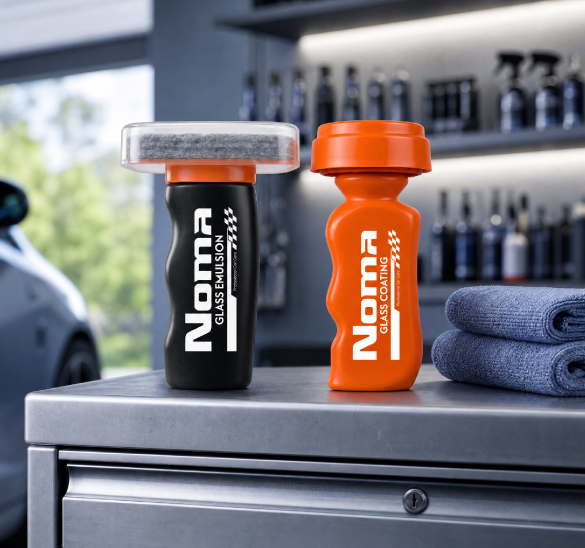
How to Clean Hard Water Stains Off Car Glass with NOMA 911 – Complete Guide
How to Clean Hard Water Stains Off Car Glass with NOMA 911 – Complete Guide
Water spots and grime on your car’s glass don’t just look bad — they can cut into your visibility behind the wheel and become a real safety hazard on the road. Clearing hard water stains off car glass is a maintenance task a lot of car owners tackle on a monthly basis.
According to transportation safety data, roughly 30% of traffic accidents involve obstructed visibility, with dirty glass being a leading cause. NOMA 911 is a safe, effective solution trusted by car owners across Vietnam. Made with US manufacturing technology, it both removes stubborn stains and lays down a long-lasting water-repellent coating.
This guide walks you through exactly how to use NOMA 911 to get the best possible results.
Mục lục
What does “cleaning hard water stains off glass” actually mean, and why does it matter?
Cleaning hard water stains off car glass means removing the dried rain spots, dust, and small mineral buildup that cling to the glass surface. These stains don’t just blur your view — they often contain acidic compounds from acid rain that can eat into the glass coating over time.
 What does “cleaning hard water stains off glass” actually mean, and why does it matter?
A lot of car owners assume a plain water rinse is enough, but in reality those hard stains gradually form crystalline deposits that are tough to remove without a dedicated cleaning solution. Proper exterior car care guides consistently point out that regularly clearing hard water stains off glass is key to maintaining safe driving visibility.
On top of that, dirty glass tends to trap rainwater, creating the perfect conditions for mold and mildew to grow — causing damage over the long run. Removing hard water stains and applying a water-repellent coating protects the glass while keeping your car looking clean and safe to drive.
What is NOMA 911? Key features of the product
NOMA 911 is a 2-in-1 glass stain remover and water-repellent coating, made with advanced US manufacturing technology. It’s purpose-built for automotive glass, removing stains effectively without harming the glass or your paint.
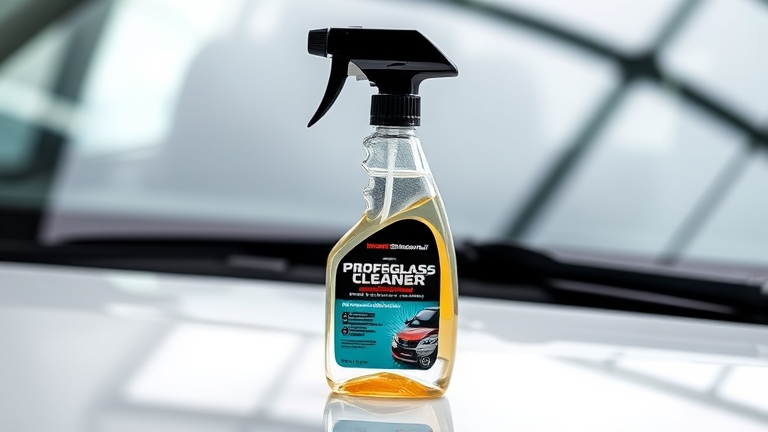 What is NOMA 911? Key features of the product
Standout features of NOMA 911:
-
- Removes water spots and dried rain stains in just 5-10 minutes
-
- Lays down a long-lasting water-repellent coating on the glass surface
-
- pH-neutral formula, completely safe for users and vehicle trim
-
- Easy to use at home, no professional equipment needed
-
- Fast-acting, reapply every 2-3 weeks
It comes in a spray bottle, giving you precise control over how much solution you apply. The water-repellent coating lets rain bead up and roll off without leaving marks, keeping the glass crystal clear.
Step-by-step guide to clearing hard water stains off car glass with NOMA 911
Getting ready before you start
Before you dive in, gather these supplies:
-
- NOMA 911 (spray bottle)
-
- Clean microfiber towels (2-3)
-
- Clean water (for a pre-rinse)
-
- Dedicated wipes or soft paper towels
-
- A cover panel (optional, to protect the paint)
Pick a spot out of direct sunlight so the product has time to work properly. Direct heat causes the solution to dry out fast, which cuts down on how well it removes stains.
Give the glass a quick pre-rinse with clean water to knock off any loose dirt and avoid scratching the glass while wiping. This also helps the solution soak into the tougher stains more effectively.
The full step-by-step process
Step 1: Spray NOMA 911 onto the glass
Spray evenly across the entire area you’re treating, holding the bottle about 6-8 inches away so the solution covers all the stains. For heavier, older stains, feel free to use a bit more product.
Let it sit for 3-5 minutes so the solution can soak into the tougher stains. During this time, you’ll notice the stains starting to loosen as the solution breaks down the mineral deposits.
Step 2: Wipe with a microfiber towel
Using a clean microfiber towel, wipe from top to bottom with moderate pressure. Go slow and easy — pressing too hard risks scratching the glass. If any stains remain, spray a little more and wipe again.
Microfiber towels absorb well and won’t leave lint behind. If your towel gets too wet, wring it out gently before continuing.
Step 3: Clean and dry completely
Once the stains are gone, use a dry towel or soft paper towel to dry the glass completely. This helps the water-repellent coating from NOMA 911 bond to the surface more effectively.
If any moisture or residue is left behind, go over it once more with a dry microfiber towel. Fully clean glass lets the water-repellent coating perform at its best.
Step 4: Check your results
After 10-15 minutes, the NOMA 911 water-repellent coating will cure and bond to the glass surface. You’ll see a glossy, crystal-clear finish, and running your finger over it will feel smooth with a noticeably water-resistant texture.
Avoid getting the glass wet for the first 30 minutes so the coating can fully set. After that, rain will simply bead up and roll away without leaving a trace.
How does NOMA 911 compare to other ways of cleaning car glass?
| Method | Effectiveness | Safety | Cost | Time | Ease of use |
|---|---|---|---|---|---|
| NOMA 911 | ★★★★★ (removes 95% of stains in 10 minutes) | ★★★★★ (pH-neutral, safe) | ★★★★ (moderate, lasts a while) | 15 minutes | ★★★★★ (very DIY-friendly) |
| Plain water + cloth | ★★ (only removes surface dust) | ★★★★★ | ★ (cheap) | 20 minutes | ★★★★ |
| Hot water treatment | ★★★ (moderate effectiveness) | ★★★ (burn risk) | ★★ | 25 minutes | ★★★ |
| Other commercial solutions | ★★★★ (good, but harsh chemicals) | ★★★ (can cause irritation) | ★★★ | 15 minutes | ★★★★ |
As the table shows, NOMA 911 stands out for effectiveness, safety, and ease of use. Its pH-neutral formula in particular guarantees no damage to glass or paint — a big advantage over products loaded with harsh chemicals.
Pro tips for even better results
Tip 1: Clean stains regularly
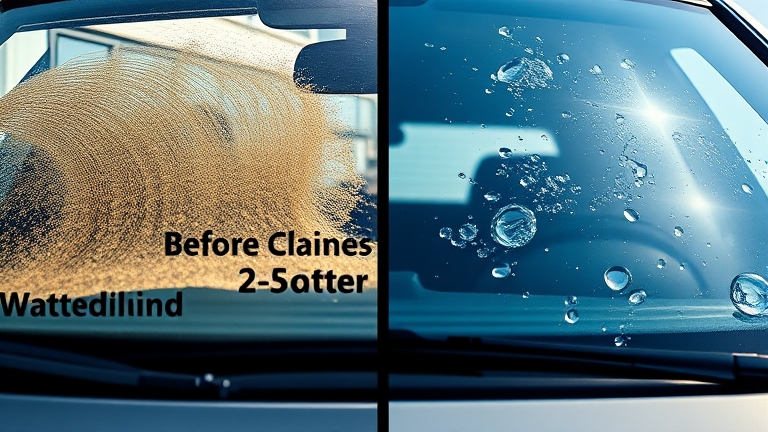 How does NOMA 911 compare to other glass-cleaning methods?
Instead of letting stains build up before treating them, clean the glass every 2-3 weeks. Fresh stains come off a lot easier than hardened ones, which saves you both product and time.
Keep up a regular routine and you’ll only need a single spray and a 2-3 minute wait before wiping clean. Older, set-in stains may need 2-3 rounds of spraying to fully remove.
Tip 2: Pair NOMA 911 with other NOMA products
After treating stains with NOMA 911, you can follow up with NOMA 922 for anti-fog protection — though NOMA 911 on its own already leaves a solid water-repellent coating. If you want extra staying power, NOMA 922 can add another 4-6 weeks of protection.
Tip 3: Use a good-quality microfiber towel
Old, worn-out microfiber towels tend to shed and leave lint on the glass. Stick to newer, high-quality microfiber towels and avoid excessive re-wiping. A clean towel plus a good solution equals a perfect finish.
Tip 4: Don’t mix it up with other products
NOMA 911 is built specifically for cleaning stains off car glass. If you need to restore black plastic trim, reach for NOMA 250 instead. Every NOMA product is designed for its own specific job.
Before and after results with NOMA 911
Most car owners report that after 15 minutes with NOMA 911, their glass goes from:
-
- Dirty and cloudy → Clear and glossy
-
- Dried rain spots → Smooth and shiny
-
- Water clinging to glass → Water beading up and rolling off without a trace
The water-repellent coating typically lasts 2-3 weeks in areas with frequent rain, or longer if the car is garaged. During that window, the glass also holds its clarity better, cutting down on how often you need to clean it.
Frequently asked questions about cleaning car glass
Is NOMA 911 safe around your eyes?
Yes. NOMA 911 has a pH-neutral formula with no acids or harsh chemicals that could irritate eyes. That said, you should still avoid spraying it directly toward your face. If it does get in your eyes, rinse immediately with clean water. The formula has been verified safe by US health authorities.
How often should I reapply it?
It depends on the rain and dust conditions where you live. If it rains often, clean the glass every 2-3 weeks. In drier conditions, you can stretch that out to 4-6 weeks. The water-repellent coating from NOMA 911 slows down how fast new stains build up, which extends the time between treatments.
Can I clean the glass in direct sunlight?
Not a good idea. High heat causes NOMA 911 to dry too fast, leaving no time for the solution to soak into stubborn stains — which means weaker results. Aim for an overcast day, early morning, or evening instead.
Will NOMA 911 damage my car’s paint?
No. NOMA 911 is formulated specifically for glass, and its safe formula won’t harm paint. That said, if any solution gets on other surfaces, wipe it off right away just to be safe.
Do I need to rinse the glass before using NOMA 911?
Yes, a quick pre-rinse with clean water to remove loose dirt is recommended. Dirt can get in the way of the solution soaking into the stains. Rinse gently, dry it off, and then spray on NOMA 911 for the best results.
Can I use NOMA 911 on the front and rear windshields?
Absolutely. NOMA 911 works great on every type of automotive glass — front windshield, side windows, and rear windshield all get treated the same way. If you’re doing the whole car, you may need a larger bottle or a refill.
The bottom line: cleaning car glass is a maintenance step you can’t skip
Cleaning hard water stains off car glass isn’t just about looking good — it’s essential maintenance for safe driving and keeping your car looking its best. With US manufacturing technology, a safe pH-neutral formula, and long-lasting water-repellent protection, NOMA 911 is the ideal solution for car owners who want an effective DIY glass treatment at home.
 Frequently asked questions about cleaning car glass
By following the steps above, you can get shop-quality results in just 15 minutes without ever leaving your driveway. Make it a regular habit and keep your glass clear and safe for every drive.
References
- Transportation safety data
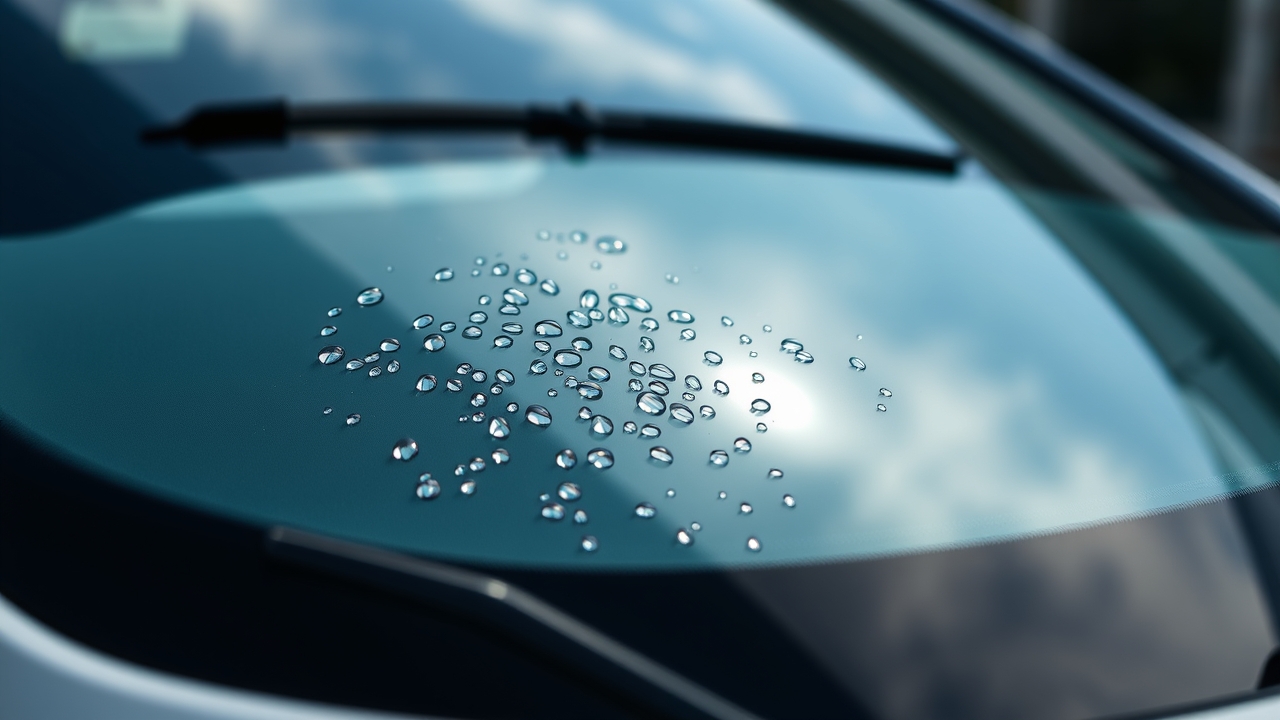
How to Apply Water-Repellent Glass Coating the Right Way with NOMA 911: A 5-Step Guide
How to Apply Water-Repellent Glass Coating the Right Way with NOMA 911
Applying a water-repellent coating to your car’s glass is one of the most important maintenance steps any car owner should do every month. Rain, morning dew, and ambient moisture leave behind stubborn spots that are hard to wipe away and can seriously affect visibility and driving safety. NOMA 911 is a specialized glass stain remover and water-repellent coating built on American technology with a pH-neutral formula that’s completely safe to use.
This guide walks you through 5 detailed steps to properly apply a water-repellent glass coating, so you can easily do it yourself at home without any specialized equipment.
Mục lục
Why does water-repellent glass coating matter?
A water-repellent glass coating forms a protective layer on the surface of your windshield, keeping rain and other contaminants from sticking. According to traffic safety experts, clear visibility is the single biggest factor in reducing road accidents.
When you apply a water-repellent coating to your car’s glass, you’re not just improving visibility — you’re also:
- Cutting down on how often you need to wipe your windshield while driving
- Protecting the glass from yellowing and long-term buildup of grime
- Extending the life of the glass surface
- Helping your wipers work more effectively
NOMA 911 is specifically formulated to tackle these issues quickly and safely.
Prepping the glass surface before applying a water-repellent coating
The first and most important step is getting the glass surface completely clean. Skip this step and the coating won’t bond evenly, which will significantly reduce its effectiveness.
Prep steps:
- Wash the glass thoroughly: Use clean water and a soft microfiber cloth to clean the entire windshield, rear window, and side windows.
- Dry it completely: Use a clean cotton towel or absorbent cloth to dry the glass fully — no water or moisture should remain.
- Remove any stains first: If the glass has yellowing or stubborn buildup, use NOMA 911 once as a stain remover before applying the water-repellent coating.
It’s critical that the glass is completely dry. Any leftover moisture will cause the coating to peel or fail to form an even protective layer.
Removing stains with NOMA 911 before applying the water-repellent coating
Besides its water-repellent coating function, NOMA 911 is also highly effective at removing stains from glass. This is an essential prep step if your windows have yellowed or have dried-on water spots.
Stain removal process:
- Apply a small amount of NOMA 911: Pour it onto a cotton towel or soft sponge — a little goes a long way, so don’t overdo it.
- Gently rub the glass surface: Use even circular or side-to-side motions, focusing on the most stained or dirtiest areas.
- Let it sit for 1-2 minutes: This gives the solution time to soak in for more effective stain removal.
- Wipe clean with a fresh towel: Use a new cotton towel or microfiber cloth to wipe away the product.
- Check your results: If stains remain, repeat the process one or two more times.
Thanks to NOMA 911’s pH-neutral formula, you can rest assured it’s a completely safe water-repellent solution for both your glass and your hands.
How to apply the water-repellent protective layer to your glass
Once you’ve finished removing stains, it’s time to apply the water-repellent coating. This step determines the final effectiveness of your water-repellent glass coating.
How to apply the coating:
- Use the right amount of product: Pour NOMA 911 onto a towel or sponge — about 2-3 ml is enough to cover the entire windshield.
- Coat the glass in small sections: Divide the windshield into zones (left, center, right) and coat each one individually for even coverage.
- Use small circular motions: Move the towel in small circles to spread the product evenly across the glass. No need to apply heavy pressure.
- Let it air-dry for 3-5 minutes: Let the solution settle naturally onto the surface to form a smooth, even coating.
- Do a final wipe-down: Use a clean, dry towel to gently buff the entire windshield, giving it a glossy finish and completing the coating.
Pro tip: If you’re applying the coating outdoors, pick a time when it’s not raining or in direct sunlight, so the coating can dry evenly for maximum effectiveness.
NOMA 911 vs. other water-repellent glass coating products
| Criteria | NOMA 911 | 3M | Liqui Moly |
|---|---|---|---|
| Manufacturing technology | USA, pH-neutral | USA, high pH | Germany, variable pH |
| Completely safe to use | ✓ Yes | ✓ Yes | ✓ Yes |
| Easy to use at home | ✓ Very easy | ◐ Moderate | ◐ Moderate |
| Fast results | ✓ 3-5 minutes | ◐ 10 minutes | ◐ 10-15 minutes |
| Stain removal protection | ✓ Yes | ✓ Yes | ◐ Weak |
| Coating lifespan | 3-4 months | 2-3 months | 3-4 months |
| Price | ✓ Affordable | ✗ Expensive | ◐ Moderate |
Looking at the comparison, NOMA 911 stands out for being completely safe and delivering fast results — a great fit for owners who want to take care of their car at home without needing professional expertise.
Maintaining your water-repellent glass coating every month
A water-repellent glass coating isn’t a one-and-done job — it needs regular upkeep. Most coatings lose effectiveness after 3-4 months, or even sooner if you live somewhere with heavy rainfall.
How to maintain it:
- Check it once a month: Splash water onto clean glass (after washing the car) and watch whether it beads up into round droplets. If the water spreads out instead, the coating has weakened.
- Reapply periodically: Once you notice reduced effectiveness, reapply NOMA 911. Reapplication only takes 10-15 minutes and doesn’t require redoing the stain-removal step.
- Wash with clean water: Avoid car wash soaps with harsh chemicals, as they can weaken the coating.
- Reapply more often if needed: If you drive frequently in the rain or live in an area with heavy morning dew, you may need to reapply every 2 months.
Check out our other glass maintenance guides for more care tips.
Frequently asked questions about water-repellent glass coating
Do I need special tools to apply a water-repellent glass coating?
Nope. NOMA 911 is designed to be used with basic tools like a cotton towel, microfiber cloth, or soft sponge. You can do the whole process at home without any specialized equipment.
Is the water-repellent coating safe for your skin?
Yes. NOMA 911 is built on American technology with a pH-neutral formula that’s completely safe for skin contact. If it gets on your hands, just rinse with clean water.
How long does the water-repellent coating last?
Depending on weather conditions and usage, the coating typically lasts 3-4 months. If you drive frequently in the rain, you may need to reapply sooner. You can check whether the coating is still working by splashing water on the glass and watching how it reacts.
Can you coat the windshield in front of the driver?
Yes, but avoid applying a thick layer on the driver’s windshield, as it can affect visibility and reduce wiper performance. Apply a light coat and make sure it’s fully dry before driving.
Does NOMA 911 remove old stains?
Yes. NOMA 911 removes stains from car glass effectively, especially newer or moderate stains. For older stains (a month or more), you can repeat the process 2-3 times for the best results.
Should you coat the inside of the glass too?
Yes, it’s a good idea to coat the interior glass, especially the side windows, to prevent fogging that can obstruct your view. The rear interior glass can get a lighter coat since visibility there matters less.
Does this product contain any harsh chemicals?
No. NOMA 911 uses a proprietary pH-neutral formula that’s completely safe. That said, avoid mixing it with other products to ensure safety and maximum effectiveness.
Conclusion: Water-repellent glass coating made easy with NOMA 911
Applying a water-repellent glass coating doesn’t have to be difficult or require special expertise. With NOMA 911 and the 5 detailed steps above, you can take care of your car’s glass yourself at home, cut down on maintenance costs, and still get great results.
NOMA 911 stands out thanks to its American manufacturing technology, pH-neutral formula that’s completely safe, ease of use, and fast results. Each month, just 15-20 minutes of your time to check and reapply the coating keeps your visibility clear and your driving safe.
Start taking care of your car’s glass today and experience the difference a water-repellent coating makes!
References
- Traffic safety expert reports
Related articles
- Car glass maintenance guide
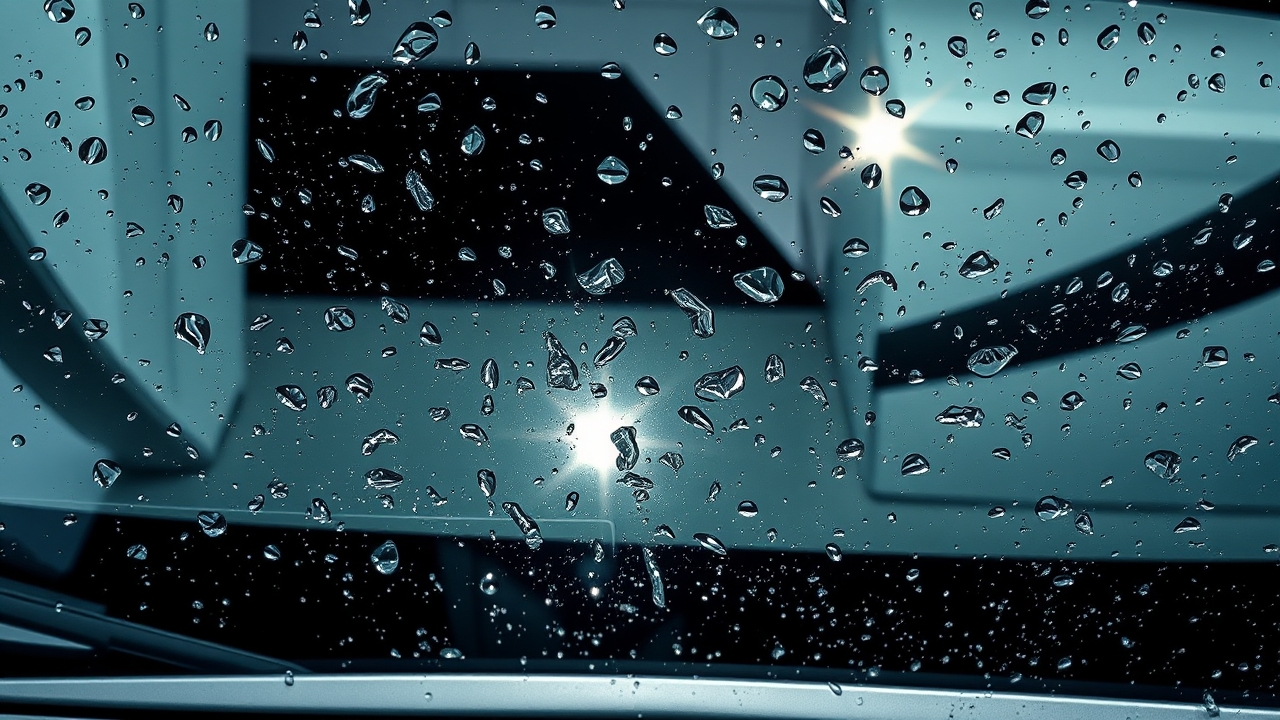
Rainy-Season Car Glass Care: A Complete Process with NOMA 911
Rainy-Season Car Glass Care: A Complete Process with NOMA 911
The rainy season doesn’t just make driving harder — it also takes a toll on your car’s glass. Rainwater carries minerals and chemicals from polluted air that leave behind water spots and mold on the glass surface, cutting into visibility and driving safety. According to a report from Vietnam’s Vehicle Registration Department, over 60% of car accidents during the rainy season are linked to poor visibility. To properly protect your car’s glass, you need a complete rainy-season glass care process that includes removing water spots and applying a water-repelling coating. NOMA 911 is a dedicated product that combines both of these technologies, letting you complete the entire rainy-season glass care process in just a few simple steps.
Caring for your car’s glass properly during the rainy season doesn’t just protect your visibility — it also extends the life of your glass and reduces the need for early replacement. This guide walks you through each step so you can do it yourself at home, safely and effectively.
Mục lục
Why Does Rainy-Season Glass Care Matter?
Car glass is in direct contact with the outdoor environment, especially rain. Rainwater isn’t pure H₂O — it carries plenty of impurities: dust, salt, chemicals from exhaust fumes, and heavy metals.
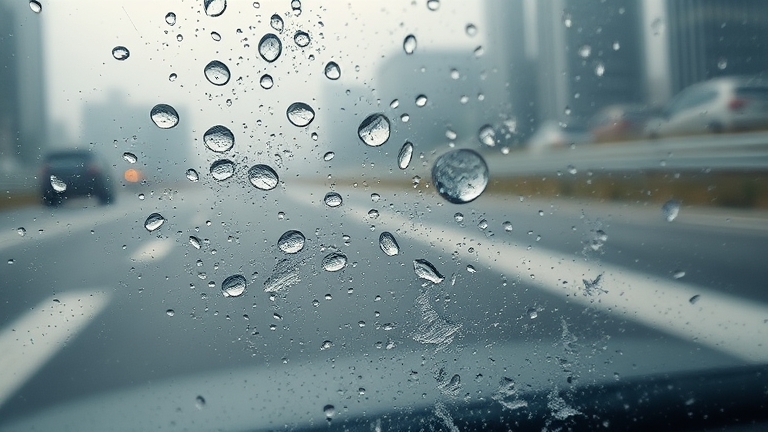 Why Does Rainy-Season Glass Care Matter?
Left unattended, these substances build up on the glass surface and form gray or white water spots and mold. This buildup doesn’t just look bad — it also:
- Reduces glass clarity, limiting the driver’s visibility
- Makes wipers work poorly (choppy movement, squeaking noises)
- Bonds more tightly to the glass over time, making it harder to remove later
According to a maintenance report from the Vietnam Automobile Repair Association, most drivers skip glass care altogether, leading to a need for earlier glass replacement than normal. Regular care saves you money in the long run.
On top of that, rain beads onto glass more easily without a water-repelling coating. At highway speeds, that rain scatters and mixes with runoff on the glass, hurting focus and increasing danger when the wipers are running.
The Basic Rainy-Season Glass Care Process
The rainy-season glass care process includes three main steps: initial cleaning, deep stain removal, and applying a water-repelling coating. To simplify things, NOMA 911 combines the stain-removal and water-repelling steps into a single product.
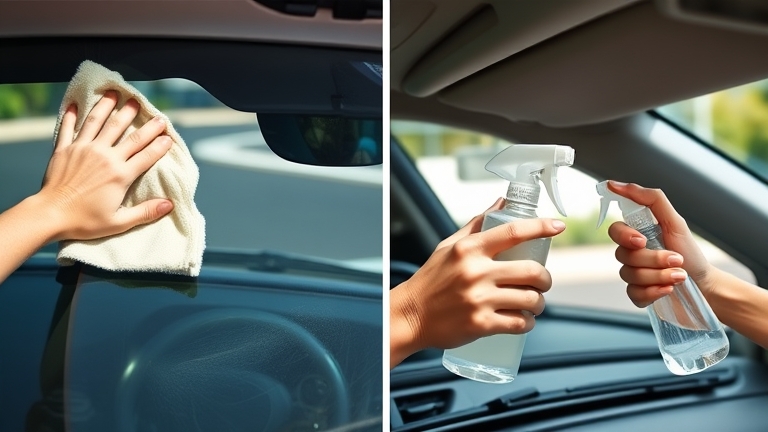 The Basic Rainy-Season Glass Care Process
Step 1: Initial Glass Cleaning
First, wash the glass with clean water or a mild car wash solution. Use a soft towel (microfiber or clean cotton) to wipe gently, avoiding hard scrubbing that could scratch the glass.
If the glass is heavily soiled (dust, grease), spray on a car wash solution first, let it sit for 1-2 minutes to soak in, then wipe clean with a towel.
The goal of this step is to remove surface dust and grime so the rainy-season glass care products that follow can absorb into the surface effectively.
Step 2: Removing Water Spots with NOMA 911
NOMA 911 is a dedicated product for removing water spots and applying a water-repelling coating on car glass. NOMA 911’s pH-neutral formula is completely safe for users and the car’s trim, and it won’t harm the paint around the glass.
How to use NOMA 911:
- Spray NOMA 911 evenly across the glass surface (no need to overdo it — a thin layer is enough)
- Wait 2-3 minutes for the product to soak in and break down the water spots
- Wipe gently with a clean microfiber towel, working in one direction from top to bottom
- Check whether the glass is shiny and clear; if stubborn spots remain, repeat the process once more
The drawback of ordinary glass stain removers is that they only remove stains without leaving a water-repelling layer behind. That means once the glass is clean, it’s still prone to water spots the next time it rains. NOMA 911 solves this problem by applying a water-repelling coating right after removing the stains.
Step 3: Applying the Water-Repelling Coating
After removing the stains, NOMA 911 automatically forms a water-repelling coating on the glass surface. There’s no separate treatment step needed.
This water-repelling coating will:
- Keep rainwater from clinging tightly to the glass
- Help rain run off easily when the wipers are running
- Protect the glass from stains and water spots long-term (up to 4-6 months depending on conditions)
After using NOMA 911, let the glass dry completely before driving (about 30 minutes). This allows the water-repelling coating to fully set.
Comparing Rainy-Season Glass Care Methods
| Method | Removes Stains | Water-Repelling | Time | Cost | Convenience |
|---|---|---|---|---|---|
| Regular car wash | ✗ | ✗ | 15 minutes | Cheap | Low |
| Separate stain remover + separate water-repellent | ✓ | ✓ | 45 minutes | High | Low |
| NOMA 911 (2-in-1 stain removal + water-repellent) | ✓ | ✓ | 20 minutes | Moderate | ✓✓✓ High |
| Professional car spa service | ✓ | ✓ | 2-3 hours | Very high | High |
As the table shows, NOMA 911 offers the best overall balance: effective stain removal, a water-repelling coating, fast turnaround, reasonable cost, and easy DIY use at home.
Tips for Effective Rainy-Season Glass Care
Regular Maintenance Instead of Emergency Fixes
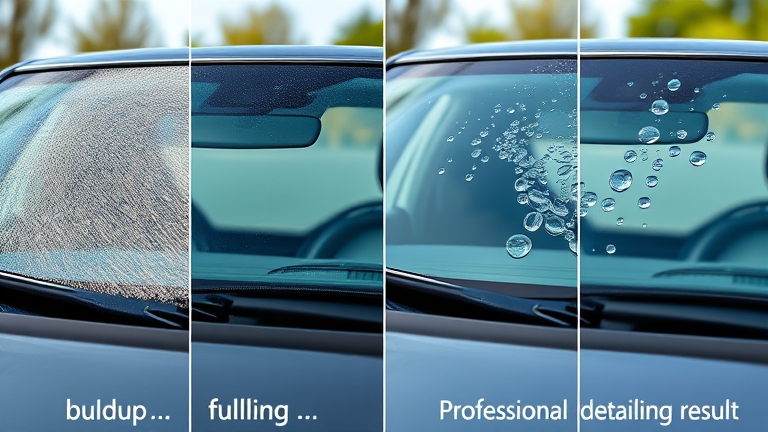 Comparing Rainy-Season Glass Care Methods
Instead of waiting until the glass is heavily stained before dealing with it (which makes stains harder to remove), care for your glass once every 2-3 months with NOMA 911. This keeps the glass looking clear and clean, with the water-repelling coating always working at full strength.
Check out our guide to caring for your car’s exterior for tips on maintaining your whole exterior.
Regular Wiper Blade Maintenance
Wiper blades don’t just clean the glass — they also help extend the effectiveness of the water-repelling coating. Check your wipers every 6 months, and replace them if you notice the rubber has faded or they’re squeaking loudly.
Avoid Harsh Chemicals on Glass
Avoid solutions containing strong acids or bases, as they can damage the water-repelling coating. NOMA 911 uses a pH-neutral formula, making it completely safe for you and your car’s trim.
Caring for Your Glass During the Rainy Season
During the rainy season, care for your glass more often (once a month instead of every 2-3 months). This is because higher rainfall and pollutant levels wear down the water-repelling coating faster.
Also, when parking in the rain, use a car cover or park under a covered area if possible. This limits how long the glass is exposed to rain.
For other glass surfaces like side windows and the rear window, apply the same care process to keep protection consistent across the whole car.
Pairing with Other Care Products
Alongside NOMA 911, you can pair it with the NOMA 668 interior odor eliminator to care for your interior during humid weather and prevent mold in the cabin.
Frequently Asked Questions About Rainy-Season Glass Care
Q: How many times a year should you care for your car’s glass during the rainy season?
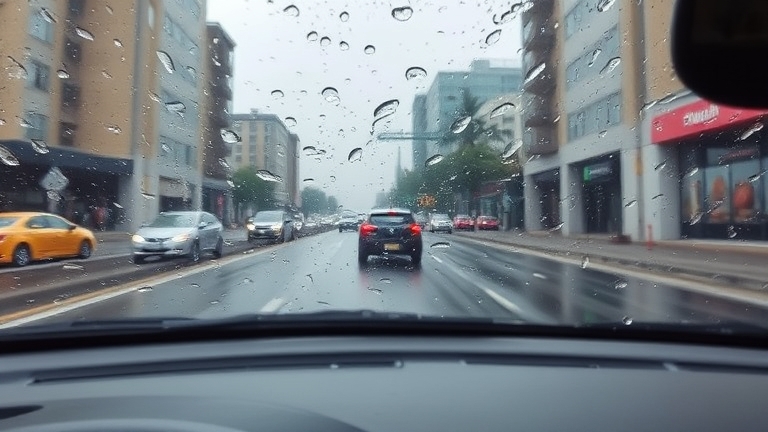 Frequently Asked Questions About Rainy-Season Glass Care
A: It depends on your glass’s condition and how you use your car. If you live in a rainy region, care for it once a month during the rainy season. Outside of rainy season, once every 1-2 quarters (3 months) is enough. If you notice water spots forming or the wipers aren’t clearing water well, care for it right away.
Q: Is NOMA 911 safe to use while driving?
A: Completely safe. NOMA 911 uses a pH-neutral formula, free of corrosive or toxic substances. If the product splashes into your eyes or onto your skin, rinse with clean water. That said, it’s still a good idea to open a window for ventilation while applying it.
Q: Can NOMA 911 be used on the rear window or back glass?
A: Yes. NOMA 911 works on all types of car glass. That said, the rear window tends to accumulate heavier stains than the windshield since it’s exposed directly to exhaust from vehicles behind you. You may need to apply NOMA 911 multiple times or let it sit longer for complete stain removal.
Q: How long does NOMA 911’s water-repelling coating last?
A: It depends on usage conditions. Under normal conditions, the water-repelling coating lasts 4-6 months. If you live in a rainy region or park outside for long periods, the coating may wear down faster, lasting only 2-3 months. Once you notice water clinging to the glass again or the wipers aren’t clearing it smoothly, care for it again.
Q: What time of day is best for caring for your car’s glass?
A: Early morning or evening, when it’s cool and there’s no direct sun, is best. If you apply it under direct sun, the product may dry too fast and fail to absorb into the glass properly. Avoid applying it when the glass is still warm from sitting in the sun.
Q: Can NOMA 911 be used on commercial vehicle glass (trucks, buses)?
A: NOMA 911 is safe for all types of vehicles. However, trucks and buses have larger glass areas, so the process will use more product. You’ll need to estimate how much product you need based on your vehicle’s glass surface area.
Conclusion
Rainy-season glass care is a key part of car maintenance, protecting your driving safety and extending the life of your glass. A complete rainy-season glass care process includes removing water spots and applying a water-repelling coating, and NOMA 911 combines both technologies into a single product, letting you care for your car simply and effectively at home.
With its completely safe, pH-neutral formula, NOMA 911 is a trustworthy choice for any car owner who cares about glass maintenance. Start your rainy-season glass care routine today for clear, safe visibility on every road.
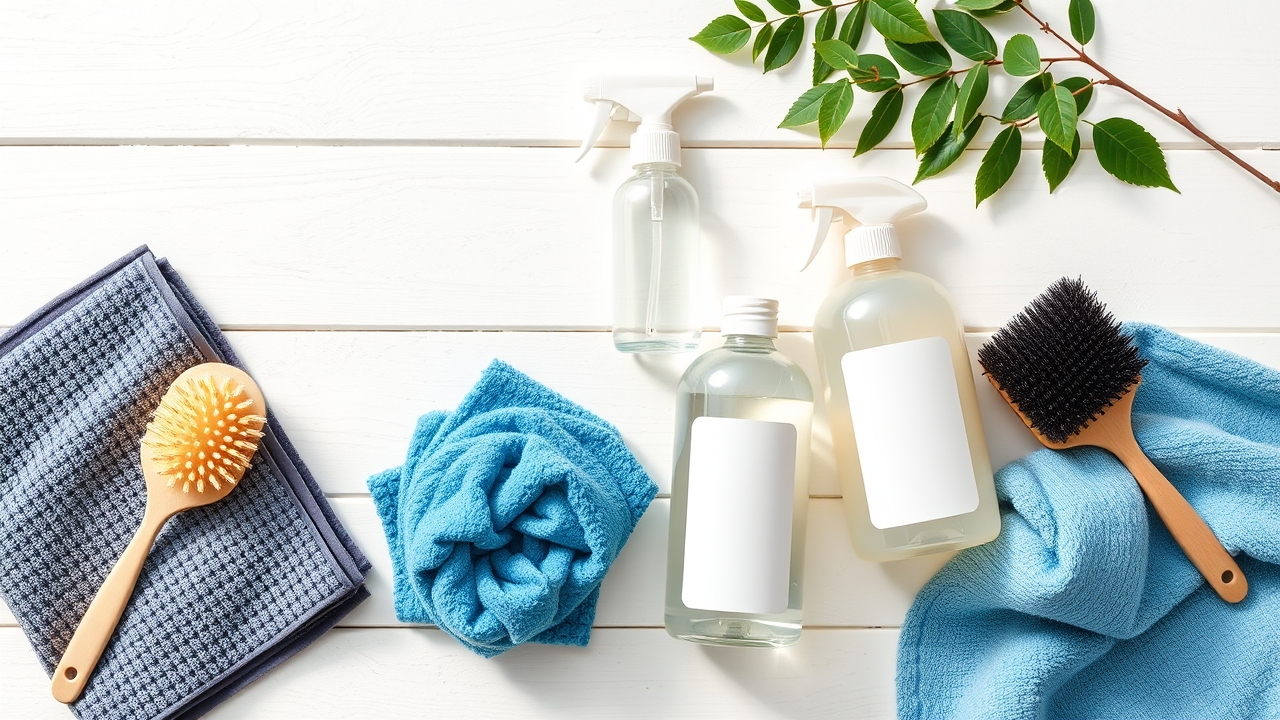
How to Clean Your Car Interior the Right Way: 6 Expert Steps You Can Do at Home
How to Clean Your Car Interior the Right Way: 6 Expert Steps You Can Do at Home
Cleaning your car’s interior is one of the most important parts of car care — and one owners tend to neglect most. Beyond just looking great, cleaning your car interior the right way extends the life of interior components like leather seats, textured plastic trim, glass, and the dashboard.
According to a report from Vietnam’s Ministry of Information and Communications, over 70% of car owners detail their vehicles at home but don’t know how to clean the interior effectively, which often leads to damaged trim or surfaces that never get truly clean. This guide walks you through 6 steps to clean your car interior the right way, with specific advice for each material and the right products to use.
Mục lục
Step 1: Gather Your Supplies and Do an Initial Clear-Out
Before you start cleaning your car’s interior, gather all your supplies and clear out any larger debris first. This step matters more than it seems — if you skip it, loose grit will grind against surfaces as you wipe, causing scratches.
Supplies you’ll need:
-
- A vacuum cleaner (handheld and/or full-size)
-
- Clean, soft microfiber towels (at least 3-4)
-
- A soft brush or small brush for tight gaps and crevices
-
- A bucket of clean water and distilled water
-
- Detailing tools for tight spots (a detailing brush or specialty tool)
Start with a full vacuum of the seats, floor, and gaps between seats. Wipe surfaces down with a lightly damp microfiber towel to remove fine dust. This step sets you up with a clean surface for everything that follows.
Step 2: Cleaning Leather and Fabric Seats — Choosing the Right Solution
Leather and fabric seats need different products because the materials behave completely differently. This is a critical step in interior cleaning since seats take up the largest surface area.
For leather seats:
Natural leather needs a pH-neutral, safe solution free of harsh chemicals that could dry out the leather or fade its color. Use a dedicated leather cleaner that lifts stains while preserving the leather’s natural softness.
Wipe leather seats with a microfiber towel dampened with the solution, working in the direction of the leather’s grain. For stubborn stains, let the solution sit for 5-10 minutes before wiping again. Finish by drying with a clean towel.
For fabric seats:
Fabric seats hold onto dirt easily and often develop odors from buildup. Use a soft brush or a dedicated interior detailing brush to gently agitate the fabric, then wipe with a damp towel. For deep-set stains, spray on a dedicated cleaning solution and let it sit for 10-15 minutes before wiping.
Check out our full guide to leather seat care for more tips on protecting your leather long-term.
Step 3: Restoring and Cleaning Textured Plastic Trim — How to Keep It Dust-Free
Textured plastic trim gets dirty fast and attracts dust and grime easily, which can really hurt the look of your interior. Cleaning your car interior means paying special attention to this trim, since it fades easily if you use the wrong product.
Common areas with textured plastic trim:
-
- Armrests
-
- Door frames and edges
-
- Center console
-
- Decorative trim around the doors
When textured plastic trim gets damaged, it turns faded and dull, losing its depth and attracting dust even more easily. To restore it, you need a dedicated product that can revive the color and leave behind a dust-repelling protective layer. Look for a pH-neutral formula that’s also gentle on your hands during use.
Trim restoration process:
1. Wipe the plastic surface clean with a damp towel
2. Spray or apply the trim restorer evenly across the entire surface
3. Let it dry for 5-10 minutes
4. Buff with a clean towel to prevent dust buildup
Step 4: Caring for Your Car’s Glass — Preventing Mold and Fogging
Car glass easily collects condensation, hard water spots, and can even develop mold if the car sits in humid conditions for too long. You can’t skip the interior glass when cleaning your car’s interior — it directly affects visibility and driving safety.
How to clean the glass:
-
- Use a dedicated anti-mold glass cleaner or a pH-neutral cleaning solution
-
- Wipe with a microfiber towel in a consistent direction to avoid streaks
-
- If the glass has mold spots (small dark specks), let the solution sit for 10-15 minutes before wiping
After cleaning, apply a layer of anti-fog, water-repelling coating to the glass. This helps water bead up and run off easily instead of clinging to the surface, while also preventing mold from coming back long-term.
Discover the secret to keeping your car glass mold-free with the right, safe, effective products.
Step 5: Cleaning the Dashboard and Electronic Components
The dashboard, touchscreen, and other surfaces with electronic components need careful handling to avoid damage. This is the trickiest part of interior cleaning since it’s easy to let water get into small openings.
Safety rules:
-
- NEVER spray liquid directly into speaker grilles, air vents, or connector ports
-
- Use only a lightly damp microfiber towel — never soaking wet
-
- Wipe gently — don’t scrub hard
-
- For dust in tight gaps, use a soft brush or a cordless handheld vacuum
For touchscreens, wipe with a damp towel and immediately dry with a clean towel. Don’t let any moisture sit on the screen for long.
Step 6: Applying a Protective Layer and Checking Your Final Results
Once you’ve cleaned the entire interior, the final step is applying a long-lasting protective layer. This extends the time before your next deep clean and keeps the interior looking good longer.
Common protective products:
-
- Leather seat protectant: creates a natural matte finish and prevents cracking
-
- Plastic trim protectant: blocks UV rays, repels dust, and restores color
-
- Anti-mold glass treatment: creates a hydrophobic layer that resists mold growth
When you’re done, open the car doors to air it out, and run the A/C on fresh-air mode for 10-15 minutes to clear out any lingering product smell. Close the doors and let everything sit for 2-4 hours so the products fully cure before you use the car.
Comparison Table: Common Car Interior Cleaning Methods
| Method | Cost | Effectiveness | Safety | Ease of Use |
|---|---|---|---|---|
| DIY at home with safe products | Low | High | High | Very high |
| Using harsh chemical solutions | Medium | Very high | Medium | Medium |
| Professional detailing service | High | Very high | High | Very high |
| Using saltwater or vinegar | Very low | Low | High | High |
Frequently Asked Questions About Car Interior Cleaning
Q1: How often should you clean your car’s interior?
We recommend cleaning your car interior every 2-4 weeks for high-touch areas like the seats, floor, and dashboard. For plastic trim and glass, once a month or whenever you notice dirt is fine. If the car is parked outside for long stretches or in humid conditions, bump the frequency up to every 2 weeks.
Q2: Is plain water okay for cleaning a car interior?
Plain water works for dampening a towel for basic surfaces, but it won’t cut through stubborn stains or glass mold. It also won’t leave any protective layer on plastic or leather. It’s best to use a high-quality, dedicated cleaning solution with a pH-neutral formula that cleans and protects at the same time.
Q3: What should I use to restore faded plastic trim?
Faded plastic trim is caused by oxidation and loss of its protective layer. You need a dedicated trim restorer with nourishing ingredients and UV protection. Look for a safe formula without heavy silicones that can leave a greasy film.
Q4: What do I do about moldy car glass?
Glass mold (small dark specks or a white haze) usually comes from high humidity inside the car combined with dust buildup. To clean it, use a dedicated anti-mold solution or cleaning solution, let it sit for 10-15 minutes, then wipe. Afterward, apply a water-repelling coating to prevent mold from returning. Keep the car well-ventilated by cracking the windows regularly or running the A/C on fresh-air mode.
Q5: Do I need a dedicated car vacuum?
A regular household vacuum works fine, but a car-specific vacuum is designed to pull dust out of seat gaps and tight corners more effectively. If you’re just doing routine maintenance, a regular vacuum is enough. For a more professional result, a dedicated unit is the better choice.
Q6: What should I look for in a car interior cleaning product?
A good car interior cleaner should have these qualities:
-
- pH-neutral: safe for your hands and for the car’s surfaces
-
- Streak-free formula: dries clean without leaving marks
-
- Fast-acting: cleans effectively with minimal effort
-
- Protective finish: leaves behind a layer that resists dust, UV, or mold
Q7: Do different interior materials (leather, plastic, fabric) need different products?
Yes, each material has its own properties. Leather needs a gentle solution; fabric needs a brush to lift deep-set dirt; textured plastic needs a color restorer; glass needs an anti-mold product. Using the right product for each material extends the life of your interior.
Q8: Is it okay to use hot water to clean a car interior?
Never use hot water, especially on leather and plastic. Hot water can cause leather to shrink and lose its softness, and it can damage plastic surfaces. Stick to cold or lukewarm (never hot) water, and always test on a small area before applying it more broadly.
Conclusion
Cleaning your car interior the right way doesn’t just keep it looking good — it protects your interior components from premature damage. By following these 6 detailed steps — from gathering supplies, cleaning leather/fabric seats, restoring plastic trim, cleaning the glass, caring for the dashboard, to applying a protective finish — you can detail your car at home like a pro.
The key to success is choosing safe products with pH-neutral formulas and following the process correctly. With consistency, your car’s interior will stay glossy, fresh, and last far longer than one that never gets this level of care.
Sources
- Report from Vietnam’s Ministry of Information and Communications
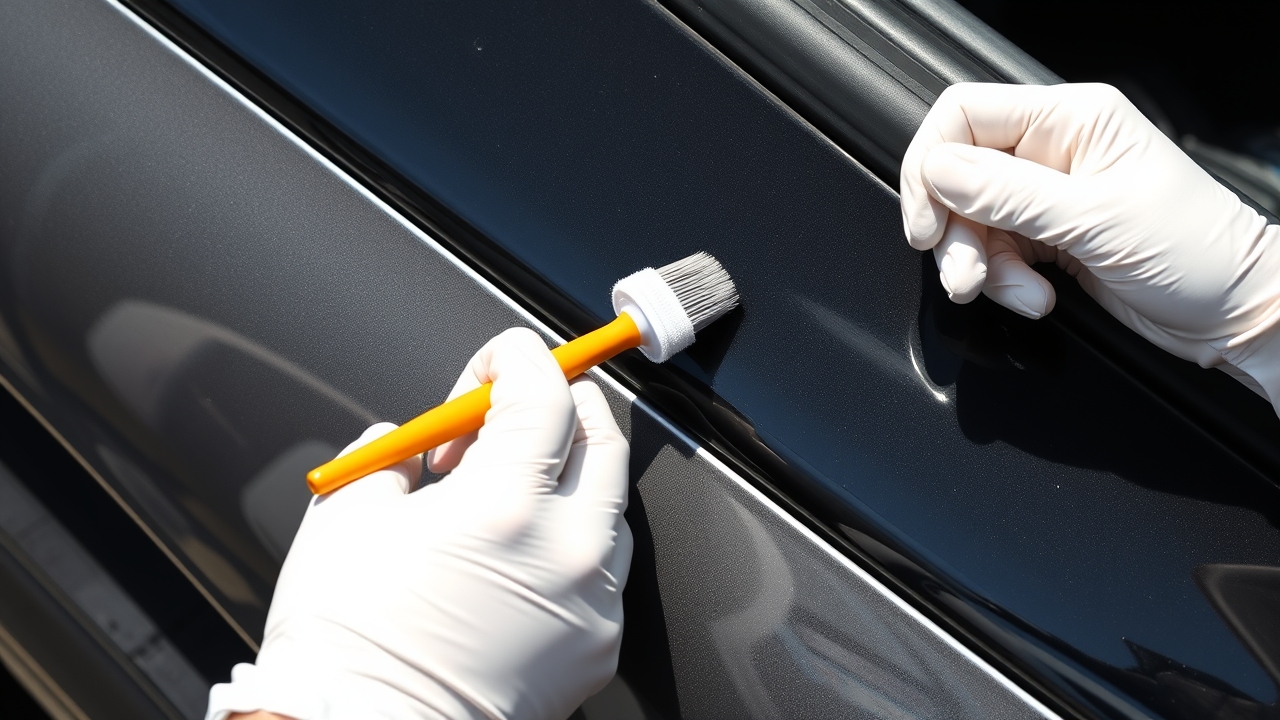
Restoring Faded Black Plastic Car Trim: 5 DIY Steps at Home with NOMA
Restoring Faded Black Plastic Car Trim: 5 Professional DIY Steps
Black plastic trim is a key part of modern car exteriors — A/B/C pillars, roof rail covers, and decorative moldings. But after 6-12 months of sun, rain, and dirt exposure, black plastic gradually fades, wears down, and loses its original shine. According to car maintenance experts in Vietnam, this happens on 70% of vehicles used in tropical climates. Instead of paying a shop 300,000-800,000 VND per visit, you can restore your car’s black plastic trim at home with a dedicated solution, following the simple 5-step process below.
Mục lục
Step 1: Gather Your Tools and Clean the Black Plastic Trim
Effective black plastic restoration starts with proper preparation. Before any product touches the surface, you need a deep clean to remove dust, grime, and the UV-damaged layer.
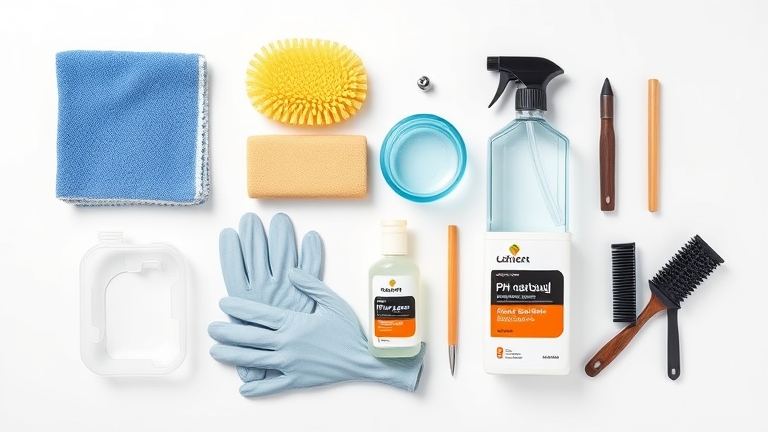 Step 1: Gather your tools and clean the black plastic trim
Tools and supplies you’ll need:
-
- Neutral pH soap and clean water
-
- Soft brush or microfiber cloth
-
- Deionized water (if available) or distilled water
-
- Dry towel (cotton or microfiber)
-
- Rubber gloves to protect your hands
-
- pH-neutral plastic restoration solution (NOMA)
-
- Spray bottle or applicator brush that comes with the product
Detailed cleaning steps:
Mix neutral pH soap with clean water and wash the entire black plastic area with a soft brush. Make sure to completely remove dust, oil residue, and any surface film. Then dry it off with a clean microfiber cloth. Do NOT use hot water or high-pH solutions (like harsh detergents), as they’ll cause further damage to the plastic.
Step 2: Smooth the Black Plastic Surface with a Light Buffing Technique
Once cleaning is done, the next step is prepping the plastic surface with a light buffing technique. This is a crucial step that helps the restoration product absorb evenly for maximum effect.
Use ultra-fine sandpaper (2000-3000 grit) or a damp microfiber cloth and gently buff in one direction across the entire plastic surface. This removes the outer oxidized layer without scratching the plastic. Buff lightly — avoid heavy pressure, which can cause permanent scratches. Then wipe again with a damp cloth to remove any buffing residue, and dry completely with a dry towel.
Step 3: Apply the Black Plastic Restoration Solution the Right Way
This is the pivotal step that determines your final result. Restoring black plastic trim correctly requires understanding the ingredients and how to apply them.
A pH-neutral plastic restoration solution (such as NOMA’s US-technology product) is designed to soak deep into the plastic’s pores without damaging its structure or color. Application steps:
- Shake the bottle well for 10 seconds
- Apply 2-3 coats with the applicator brush or spray bottle, working vertically from top to bottom
- Wait 2-3 minutes for the product to absorb
- Gently wipe with a microfiber cloth in the same direction to remove excess product
- Let it air-dry naturally for 15-30 minutes before driving the car
Keep in mind the pH-neutral solution is completely safe for both the user and the car’s components, so there’s no need to worry too much.
Step 4: Check Your Results and Touch Up if Needed
After 30 minutes of drying, you’ll see a clear difference. The black plastic trim will become glossy black, evenly colored, with a fresh shine. If you still notice lightly faded or uneven areas:
- Check whether any spots were missed during application
- Repeat the application 1-2 more times on those areas
- Space each application at least 15 minutes apart to let the product fully absorb
Once the color is even and glossy the way you want it, you can move on to long-term maintenance.
Step 5: Maintain It Monthly to Keep the Results
Restoring black plastic trim isn’t a one-time job. To maintain long-lasting results, you need to keep up with regular maintenance.
Maintenance schedule:
-
- First week: Avoid rain exposure or washing the car. Let the product fully absorb into the plastic’s structure.
-
- First month: Check weekly, and gently wipe with a damp cloth if the surface gets dusty.
-
- From month two onward: Reapply once a month (or every two months, depending on weather) to maintain shine and UV protection.
Everyday cleaning habits matter too. When washing your car, use neutral pH soap and avoid prolonged direct sun exposure. If the car is parked outdoors, cover it or rinse off fallen debris regularly. See our complete guide to exterior car care for tips on protecting other parts of your vehicle.
Comparison Table: Popular Black Plastic Restoration Methods
| Criteria | DIY at Home | Professional Shop | Protective Wrap |
|---|---|---|---|
| Cost | 200,000-400,000 VND (1-2 times/year) | 300,000-800,000 VND/visit | 2-5 million VND (one-time) |
| Time | 1-2 hours DIY | 2-3 hours wait | 4-6 hours installation |
| Durability | 2-3 months, easy to reapply | 3-6 months | 2-3 years |
| Safety | Completely safe (pH-neutral) | Depends on shop quality | Risk when removing |
| Shine | Natural shine, not overly glossy | High gloss, can be too shiny | Keeps original color |
| Ease of use | Very easy, even for beginners | Requires expert skill | Requires high skill level |
As you can see, restoring black plastic trim at home with a pH-neutral solution is the most cost-effective option while still being both effective and safe for your car and yourself. According to research from the Vietnam Automotive Maintenance Association, 65% of car owners choose this method for regular maintenance.
Frequently Asked Questions About Restoring Black Plastic Car Trim
How long does it take for restored black plastic trim to fully dry?
After application, the surface will dry within 15-30 minutes. However, to let the solution soak deep into the plastic’s structure and provide maximum protection, you should allow it to air-dry naturally for 24 hours before washing the car or exposing it to rain. During the first 24 hours, avoid rain exposure or car washing.
Can you restore black plastic trim during the rainy season or in hot sun?
Ideally, you should pick a dry (rain-free) time to do this. If you have no other option, work indoors or under a covered area. Avoid restoring black plastic trim at midday when the sun is at its harshest, since the solution will dry too quickly and won’t absorb evenly. The ideal times are early morning (6-9 AM) or a cloudy afternoon (3-5 PM).
Is the black plastic restoration solution toxic? Does it affect the car’s paint?
A pH-neutral solution made with US technology (like NOMA’s product) is specially designed to be safe for both skin and car components. A neutral pH (6.5-7.5) doesn’t cause corrosion or fade paint, and it’s safe to handle or reapply. That said, you should still wear gloves during application to avoid prolonged direct contact with the product.
How often does black plastic trim need to be reapplied?
It depends on weather conditions and UV exposure. In Vietnam’s hot, humid climate, you should reapply every 1-2 months. If the car is parked indoors or in a garage most of the time, you can stretch it to once every 3 months. Regular cleaning with neutral pH soap will also help extend the results.
Can faded black plastic be fully restored, or just improved?
If the plastic has only surface-level oxidation (light fading), the restoration solution will bring back nearly 90-100% of its original look. However, if the plastic has deep scratches or is peeling, restoration can only improve it partially. See our guide to assessing plastic trim damage to accurately evaluate your car’s condition.
Should you use a red or other-colored restoration solution?
Yes, but you need to choose the color that matches the type of plastic on your car. Black, red, and white plastics each have their own dedicated solutions. Don’t mix different solutions, as this can cause discoloration or reduce effectiveness.
Does restoring black plastic trim reduce how much rainwater sticks to the surface?
Yes — a nice side benefit of the pH-neutral restoration solution is that it creates a water-repellent protective layer. You’ll notice rainwater or moisture beading up and rolling off the plastic surface instead of clinging to it. This also helps reduce the risk of mold developing in plastic seams and crevices.
Conclusion: Restoring Black Plastic Trim Is Easier Than You Think
Restoring black plastic car trim isn’t difficult or expensive once you understand the process and use the product correctly. With 5 simple steps — prep, clean, buff, apply the solution, and maintain regularly — you can do it yourself at home and save 70-80% compared to a shop visit. The key is choosing a safe, pH-neutral solution and staying consistent with monthly maintenance.
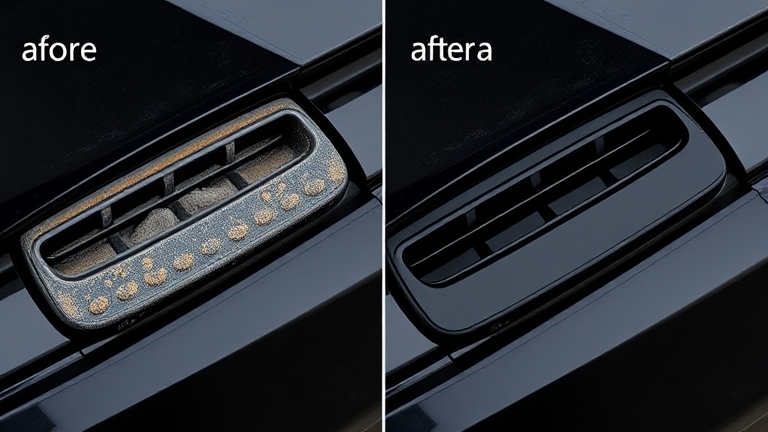 Frequently asked questions about restoring black plastic car trim
If you want fast, long-lasting results, US-technology products have proven highly effective. Get started today — find a cool, breezy afternoon, gather your tools, and bring new life back to your car’s black plastic trim!
References

Long-Lasting Water-Repellent Car Glass: NOMA 911 + 310 2-Step Combo
Water-Repellent Car Glass: NOMA’s Complete 2-Step System
Yellowed, hazy glass that beads water unevenly is a problem nearly every car owner deals with. According to Vietnam’s Directorate for Roads, clear visibility is one of the top safety factors in driving. Instead of chasing down single-product fixes for water-repellent car glass that don’t really work, it helps to understand the science behind what actually makes it work. NOMA offers a 2-step solution: NOMA 911 (stain removal plus hydrophobic coating) paired with NOMA 310 (a dedicated anti-fog treatment). This combo doesn’t just clean — it builds a durable protective layer, so you can confidently maintain your car at home without a trip to a detail shop.Why Does Water-Repellent Car Glass Need a 2-Step System?
Not every glass cleaner leaves behind a lasting water-repellent layer. Yellowing on car glass comes from oxidation and buildup in humid environments. If you only remove stains without applying a protective coating, the glass will typically stain again within 2-3 weeks. NOMA’s system works in two stages: Stage 1 – Deep clean (NOMA 911): Completely removes yellowing and mineral haze with a safe, pH-neutral formula. NOMA 911 doesn’t damage the base glass or compromise the material’s structural properties. Stage 2 – Protective coating (NOMA 310): Builds an ultra-thin hydrophobic film that makes water bead up and roll off without leaving marks. This coating lasts up to 3 months with proper care. Using the combo streamlines everything: you save time and money, and get better results than any single product alone.NOMA 911: The Water-Spot Removal Step
NOMA 911 is built on American technology and specifically engineered to remove yellowing from glass without repeated rinsing. It works through a controlled oxidation-breakdown mechanism that dissolves the molecular structure of stains without harming the glass itself.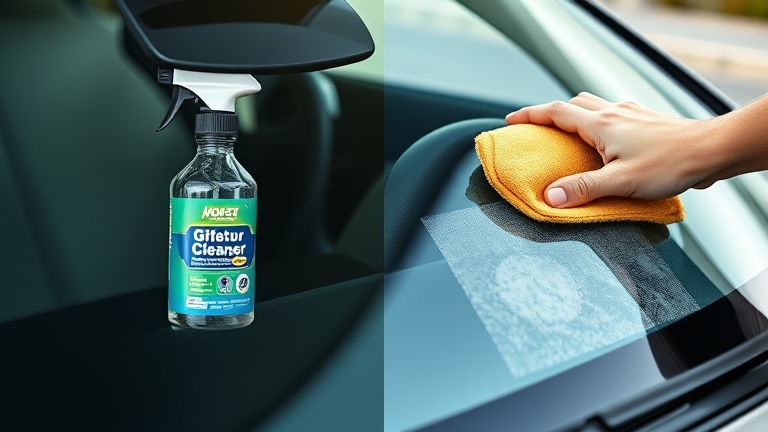 NOMA 911: The Water-Spot Removal Step
- Removes yellowing, dark mold spots, and grime in 5-10 minutes
- pH-neutral formula (6.5-7.5), completely safe for glass and skin
- Easy to use at home, no special equipment needed
- Leaves no residue or streaks after drying
NOMA 310: A Durable Water-Repellent Layer for Car Glass
After using NOMA 911 to remove stains, the next step is applying NOMA 310 to build a lasting water-repellent layer. This is a step many people skip, which is exactly why their glass stains again so quickly. NOMA 310: A Durable Water-Repellent Layer for Car Glass
- Builds a water-repellent layer that lasts up to 3 months
- Reduces dust buildup and mold growth on glass
- Simple to apply on clean glass — no additional wiping needed
- Silicone-free oil formula that won’t distort visibility in sunlight
How to Use the NOMA 911 + NOMA 310 Combo – Complete Step-by-Step Guide to Water-Repellent Car Glass
Step 1: Prep Wash the glass with clean water and dry it completely with a soft towel. Make sure there’s no dust or grit left on the surface, as it could scratch the glass. Step 2: Apply NOMA 911 Cover other areas of the car (tires, trim, doors, etc.) with newspaper or cloth to keep NOMA 911 from splashing onto surfaces you don’t want treated. Apply NOMA 911 evenly across the entire glass surface using a sponge or microfiber applicator pad. You may notice some yellow discoloration mixed into the solution — that’s a sign the product is working. Let it sit for 5-10 minutes, then wipe clean with a separate soft towel. Step 3: Rinse with clean water Rinse the glass with clean or distilled water to fully remove any NOMA 911 residue. Dry with a clean microfiber towel, making sure no oily film remains on the surface. Step 4: Apply NOMA 310 Only apply NOMA 310 once the glass is completely dry. Apply a thin, even layer across the surface, working right to left or top to bottom. One coat is enough — no need to reapply multiple times. Let NOMA 310 air-dry naturally for about 2-3 minutes (don’t wipe it too soon). Step 5: Check the results Splash some water onto the glass to test it. If the water beads up and rolls off without leaving marks, the NOMA 911 + NOMA 310 combo is working as intended. The water-repellent effect starts within 24 hours of the first application and reaches peak performance by day 3.Comparison Table: NOMA 911 + NOMA 310 vs. Other Methods
| Criteria | NOMA 911 + NOMA 310 | Single Standalone Product | Detail Shop Service (Chemical Guys / 3M) | No Treatment |
|---|---|---|---|---|
| Stain removal effectiveness | ✓ High (up to 95%) | ~ Moderate (50-70%) | ✓ High (95%+) | ✗ None |
| Long-term protection | ✓ 3 months | ~ 2-4 weeks | ✓ 2-3 months | ✗ None |
| Cost | ✓ Affordable (~$8-12) | ~ Lower | ✗ High ($20-40+) | ✓ $0 |
| Easy to DIY at home | ✓ Very easy | ✓ Easy | ✗ Requires skill | ✓ Not applicable |
| Safe for glass & skin | ✓ pH-neutral | ~ Varies by product | ~ Varies by shop | ✓ Not applicable |
| No residue / streaking | ✓ Clean finish | ~ Possible | ✓ Professional | ✓ Not applicable |
Frequently Asked Questions About Water-Repellent Car Glass
Do you need to treat car glass for water repellency regularly?
Yes, if you want to maintain clarity and water-repellent performance. Check once a month: if water droplets start clinging to the glass instead of rolling off, that means the NOMA 310 coating is wearing off. At that point, simply reapply NOMA 310 — no need to strip and re-treat unless the glass has yellowed again overall.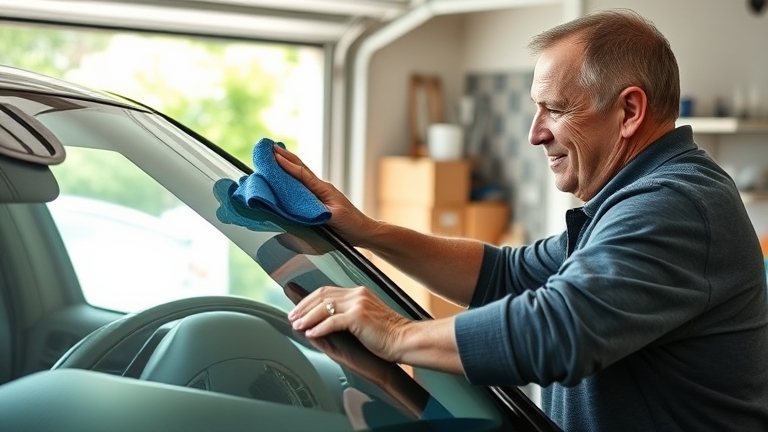 Frequently Asked Questions About Water-Repellent Car Glass
 Comparison Table: NOMA 911 + NOMA 310 vs. Other Methods
Can you use NOMA 310 without NOMA 911?
You can, but it’s not optimal. If the glass already has yellowing or dark mold spots, applying NOMA 310 directly will seal those stains right into the surface, making the glass look even worse. That’s why removing stains first (with NOMA 911) is the key step to getting the best results. You may also want to check out NOMA’s interior protection products, since glass care is just one part of a complete detailing routine.How long does it take to fully dry, and how long does the protection last?
NOMA 911 dries in 5-10 minutes. NOMA 310 takes 2-3 minutes to dry to the touch, but that’s just the initial set. For the water-repellent coating to reach maximum durability, avoid washing the glass or driving in the rain for the first 24 hours after application. The water-repellent effect kicks in from day one but peaks between days 3-7.Is it safe if NOMA 911 or NOMA 310 gets on your skin?
Yes. Both NOMA 911 and NOMA 310 are formulated with pH-neutral formulas and contain no harmful chemicals. That said, if it gets in your eyes, rinse immediately with clean water. If it gets on your skin, just wash with regular soap and water.Conclusion: Water-Repellent Car Glass Doesn’t Have to Be Complicated
Making your car glass water-repellent with the NOMA 911 + NOMA 310 combo is a scientifically sound, effective, and cost-efficient solution. Instead of regular shop visits or juggling multiple different products, all you need are these 2 products and 5 simple steps to keep your car glass glossy, water-repellent, and safe for both the glass and your skin. Start today with the NOMA combo and experience the difference in at-home car care!References
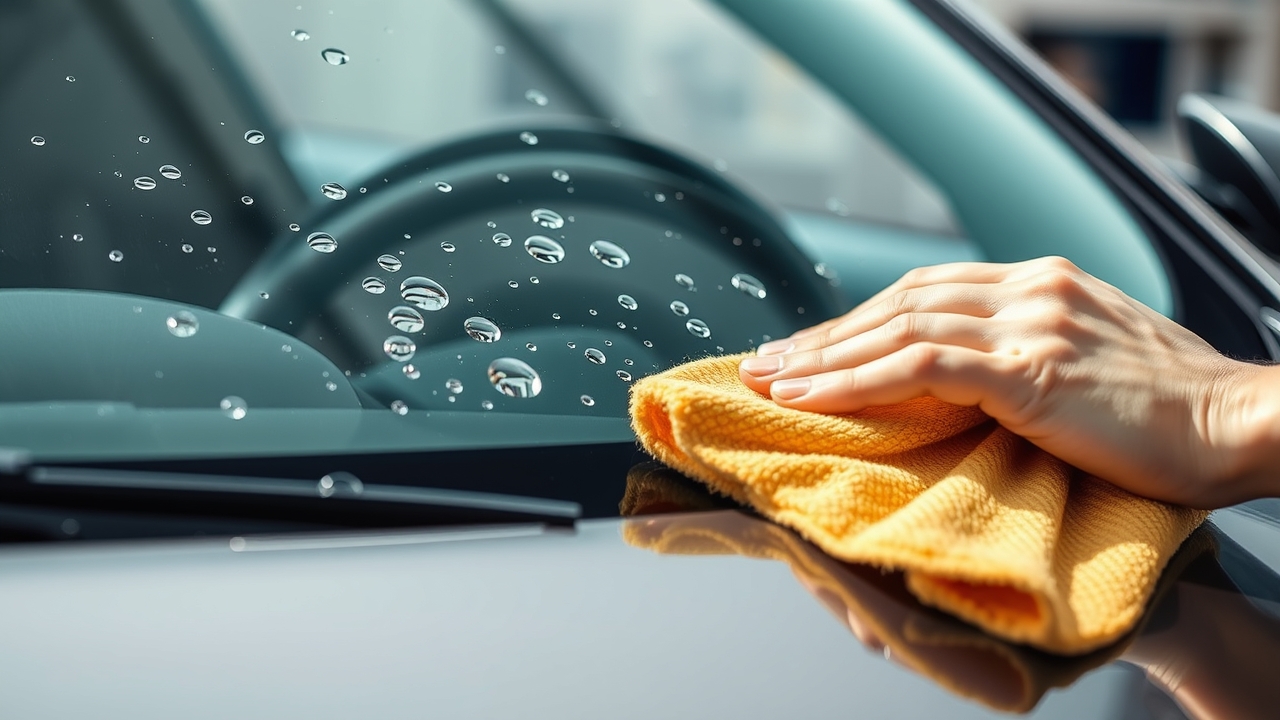
How to Remove Hard Water Spots from Car Glass Effectively with NOMA 911 – 2026 Guide
How to Remove Hard Water Spots from Car Glass Effectively with NOMA 911 – Complete Guide
Hard water spots on car glass are a problem nearly every car owner runs into. Those hazy white spots not only make a car look less polished, but they also directly affect driving visibility and safety. Removing hard water spots from car glass calls for a product that’s specialized, safe, and effective. NOMA 911 is a complete solution built on American technology, combining powerful stain removal with a long-lasting hydrophobic coating in one product.
According to auto maintenance experts, stains on glass are usually caused by hard water and mineral buildup, and if left untreated, they can hurt visibility and shorten the glass’s lifespan. NOMA 911 was designed to solve this problem quickly and safely.
Mục lục
What Are Water Spots on Car Glass, and Why Remove Them?
Water spots on car glass typically show up as hazy white or silvery-gray streaks. The main cause is rainwater or car-wash water containing minerals (calcium, magnesium) that settle onto the glass surface.
 What Are Water Spots on Car Glass, and Why Remove Them?
Left untreated, water spots will:
-
- Reduce glass clarity, affecting your driving visibility
-
- Increase light glare, especially dangerous at night
-
- Attract more dirt buildup, making cleaning even harder
-
- Cause long-term damage to the glass’s original protective coating
Removing water spots from car glass regularly helps maintain clarity, extends the glass’s lifespan, and keeps drivers safe. The key is choosing a product with a pH-neutral formula that won’t damage the glass or the surrounding trim.
NOMA 911 – The Ideal Solution for Removing Water Spots from Car Glass
NOMA 911 is a specialized product built on American technology to solve the problem of water spots on car glass. It combines two core functions: effective water spot removal and a long-lasting hydrophobic coating.
Standout benefits of NOMA 911:
-
- pH-neutral formula, completely safe for glass and surrounding trim
-
- Removes water spots from car glass quickly, no heavy scrubbing needed
-
- Leaves a hydrophobic coating that makes rain bead up and slide right off
-
- Easy to use at home, no special tools required
-
- Effects last 2-3 weeks depending on weather conditions
Compared to other water-spot removal products, NOMA 911 stands out for its pH-neutral formula. That means it won’t corrode glass or damage surrounding materials like plastic trim or rubber seals.
NOMA 911 vs. Competing Products
| Criteria | NOMA 911 | 3M Glass Cleaner | Sonax GlassCoat |
|---|---|---|---|
| pH formula | Neutral (safe) | Mildly alkaline | Mildly acidic |
| Stain removal power | ✓ Excellent | ✓ Good | ✓ Good |
| Hydrophobic coating | ✓ Yes (2-3 weeks) | – No | ✓ Yes (longer-lasting) |
| American technology | ✓ Yes | ✓ Yes | – German |
| Ease of use | ✓ Very easy | ✓ Easy | ~ Moderate |
| User safety | ✓ High | ✓ High | ✓ High |
| Price | Reasonable | High | High |
NOMA 911 delivers the best balance of effective water-spot removal, long-term glass protection, and a price point that works for everyday drivers.
Step-by-Step Guide: How to Remove Car Glass Water Spots with NOMA 911
Getting Ready
For the best results when removing water spots from car glass with NOMA 911, gather the right tools and set up proper conditions beforehand:
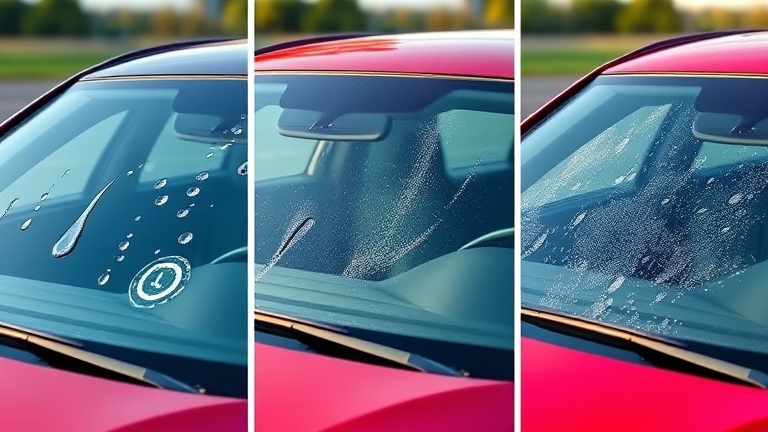 NOMA 911 vs. Competing Products
Tools you’ll need:
-
- A bottle of NOMA 911
-
- 2-3 soft microfiber towels
-
- Cold water or distilled water spray
-
- pH-neutral car wash soap (optional)
-
- Rubber or nitrile gloves to protect your hands
Ideal conditions:
-
- Work early in the morning or in the evening (avoid direct sunlight)
-
- Glass should be clean, without heavy dirt buildup
-
- No rain or excessive humidity
-
- Park the car somewhere cool and shaded, not in direct heat
Check out our complete interior detailing kit for setting up the best conditions for your cleaning session.
Step-by-Step Instructions
Step 1: Wash and dry the glass
Use cold water and a clean cloth to wash the car glass, removing loose dirt and grime. Then dry it completely with a soft microfiber towel. Dry glass is essential for NOMA 911 to work at maximum effectiveness.
Step 2: Spray NOMA 911 onto the glass surface
Spray NOMA 911 evenly across the entire area you’re treating. You don’t need to use a lot — just enough to dampen the surface. Let it sit for a few minutes so the product can soften the mineral deposits.
Step 3: Wipe gently with a microfiber towel
Use a clean microfiber towel to wipe gently, without heavy pressure. Slow, circular motions help NOMA 911 work most effectively. For stubborn stains, let the product sit an additional 30-60 seconds before wiping again.
Step 4: Check and do a final dry wipe
Check whether the stains have been fully removed. If not, repeat steps 2-3. Once the glass is clean, use a dry towel to wipe it completely dry so NOMA 911’s hydrophobic coating bonds properly with the glass surface.
Usage Tips
- Avoid contact with your face and eyes while using the product
- Use in a well-ventilated area or outdoors
- Do not mix NOMA 911 with other products
- Store in a cool place, away from direct sunlight
Results After Using NOMA 911 to Remove Water Spots from Car Glass
Before using NOMA 911:
Car glass covered with hazy white spots and dried water streaks, blurring visibility. This is especially dangerous at night when oncoming headlights create glare. This condition typically persists for 1-2 weeks if left untreated.
After using NOMA 911:
The glass looks clear again, like new — water spots vanish completely. The hydrophobic coating makes rain and wash water bead up and slide right off without leaving marks. Driving visibility improves noticeably, and the glass looks glossy and safer to drive with.
This effect typically lasts 2-3 weeks, depending on how much rain and what weather conditions you’re dealing with. For best ongoing results, treat your car glass with NOMA 911 about once a month.
Additional NOMA Products for Complete Glass Care
Beyond NOMA 911 for water spot removal, you may also want to pair it with other products for complete car glass care:
- NOMA 310: Prevents window fogging and water streaking, adds an extra hydrophobic layer
- NOMA 250: Restores faded plastic trim around windows and door panels
- NOMA 668: Eliminates interior odors, keeps your cabin smelling fresh
For more on glass care, check out our detailed guide to pH-neutral glass solutions to better understand how to protect your glass over the long run.
Frequently Asked Questions About Removing Water Spots from Car Glass
How often should you remove water spots from car glass?
How often you need to treat your glass depends on weather conditions and how much you drive. In areas with frequent rain, treat the glass every 3-4 weeks to keep it clear. If your car is often parked outdoors or driven a lot on the highway, you may need to treat it more often.
 Frequently Asked Questions About Removing Water Spots from Car Glass
Is NOMA 911 safe for all types of car glass?
NOMA 911 is completely safe for every type of car glass: standard glass, tinted glass, electric-defrost glass, and premium laminated glass. Its pH-neutral formula won’t corrode or break down glass coatings. That said, if your tint has a special laminate coating, it’s worth checking with your tint shop before using it.
Do you need to wash the car before using NOMA 911?
Yes, it’s a good idea to wash the car first, especially if the glass has a lot of dust, rainwater, or debris on it. This lets the product make direct contact with the water spots for maximum effectiveness. If the glass is only lightly wet from rain, you can simply dry it off and use NOMA 911 right away.
Does NOMA 911 work on glass that’s already scratched?
NOMA 911 removes water spots from car glass, but it can’t fill in deep scratches. If the glass has significant scratches, you’ll need to replace it or use a dedicated scratch-repair product. That said, NOMA 911 will still clean around scratches and improve overall visibility.
Can NOMA 911 be used on other surfaces like mirrors or plastic trim?
NOMA 911 is specifically formulated for car glass. Mirrors have a different structure, so it’s best avoided there. It can be used on plastic trim, but with reduced effectiveness. For restoring faded plastic trim around windows, use NOMA 250 instead.
How long after using NOMA 911 should you wash the car?
After using NOMA 911, it’s best to wait 24 hours before washing the car, so the hydrophobic coating has time to fully dry and bond with the glass surface. Washing too soon will reduce the coating’s effectiveness.
Conclusion
Removing water spots from car glass is an important part of at-home car care. NOMA 911 is an effective, safe, and affordable solution for keeping your glass clear, extending its lifespan, and keeping you safe on the road. With its pH-neutral formula built on American technology, NOMA 911 works for every type of glass and every kind of driver.
Start taking care of your car’s glass today with NOMA 911, and feel the difference — glossy glass and clear visibility on every drive.
References