
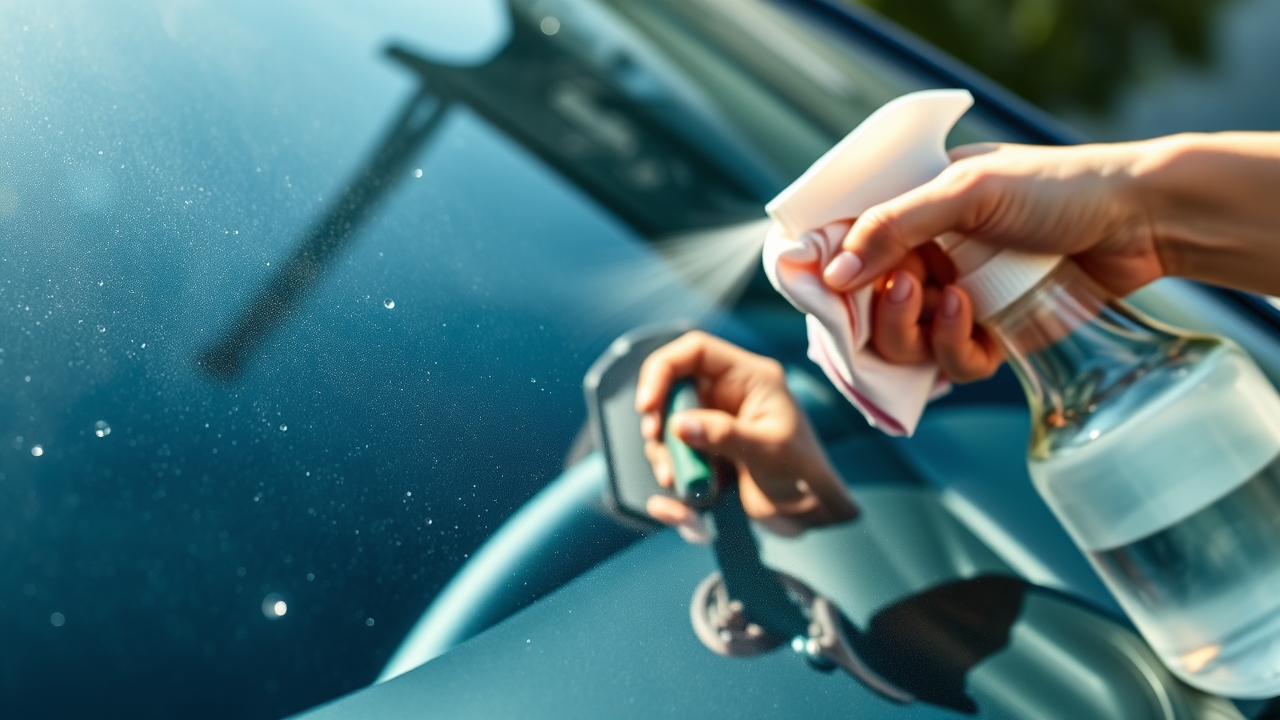
5 Ways to Remove Water Spots from Car Glass: NOMA 310 for Long-Lasting Anti-Fog Protection

5 Ways to Remove Water Spots from Car Glass: NOMA 310 for Long-Lasting Anti-Fog Protection
Water spots on car glass are a familiar headache for every car owner, especially after a rainy stretch or a car wash. Beyond just looking bad, these spots can limit visibility and even become a safety concern on the road. Traffic safety research consistently points to obstructed visibility as a contributing factor in accidents. Removing water spots from your car’s glass doesn’t always mean a trip to the shop — you can handle it yourself at home with the right method and the right product, like NOMA 310.
This article walks through 5 effective ways to remove water spots from car glass, from traditional methods to modern solutions, so your glass stays clear and fog-free for longer.
Method 1: Remove Water Spots with Vinegar and Cold Water
Vinegar is a mild, naturally acidic ingredient that breaks down mineral and oil-based water spots on glass. It’s the “old-school” approach, and a safe option if you’d rather skip harsh chemicals.
How to do it:
- Mix 1 part white vinegar with 3 parts cold water in a spray bottle.
- Spray the mixture onto the glass and let it sit for 2–3 minutes so the vinegar has time to work.
- Wipe with a soft microfiber cloth from top to bottom — avoid circular motions, which can leave streaks.
- Rinse with clean water and dry completely.
This method is safe, cheap, and non-toxic. That said, it only works on light-to-moderate spotting and doesn’t leave any lasting protective layer on the glass.
Method 2: Use a Commercial Glass Cleaner
Commercial glass cleaners are specially formulated to cut through oil, grime, and water spots efficiently. Most contain ammonia or ethanol, which help the glass dry quickly with a streak-free shine.
Steps to follow:
- Rinse the glass with clean water first to remove dirt and grit (this prevents scratching).
- Spray the glass cleaner onto the cool glass surface.
- Wipe with a cloth or newspaper from top to bottom, not in circles.
- Buff dry with a clean, dry cloth to avoid leaving marks.
This method is fast and the products are widely available, but the anti-fog effect only lasts a few weeks without an additional protective coating.
Method 3: Remove Water Spots with Baking Soda
Baking soda is a mild, safe abrasive that lifts stubborn spots and mineral deposits that liquid cleaners alone can’t handle.
Step-by-step guide:
- Mix baking soda with water or vinegar to form a thick paste.
- Apply the paste to the water-spotted area and let it sit for 5 minutes.
- Gently work it in with a soft brush or sponge, moving in one direction.
- Rinse clean with water and dry.
This method works well on tough, mineral-heavy spots, though it takes a bit more effort. Like the others, it doesn’t offer any long-term protection.
Method 4: Apply a Water- and Fog-Resistant Coating with NOMA 310
NOMA 310 is a dedicated anti-fog spray designed to both clear existing water spots and lay down a protective layer that lasts for days. Unlike the manual methods above, NOMA 310 is the go-to solution for anyone who wants results that actually stick around.
Why NOMA 310 stands out for anti-fog protection:
- Clears water spots and oily residue in a single application.
- Creates a nano layer that keeps fog from forming on the glass.
- Safe on all types of car glass (curved, tempered).
- Easy to use — just spray and wipe, no soaking or long wait times.
- Lasts 7–10 days under normal use.
How to use NOMA 310:
- Wash the glass with water or a foam cleaner.
- Dry the glass completely with a microfiber towel.
- Spray NOMA 310 onto the glass from about 6 inches away, covering the entire surface evenly.
- Wipe with a clean cloth in a thin layer within 30 seconds.
- Let it air-dry for 5 minutes before driving.
NOMA 310 is a huge step up from traditional methods, and it’s especially useful for car owners in humid climates or anyone who drives in rain frequently.
Method 5: Full Glass Restoration with NOMA 911 + NOMA 310
If your car’s glass isn’t just water-spotted but also has long-term haze or a thick oily film, go with a combined approach: start with a deep clean using NOMA 911 (removes water spots and oily film), then follow up with long-term protection using NOMA 310.
The full glass restoration process:
- Give the glass a quick rinse with water.
- Spray NOMA 911 onto the glass and let it sit for 2–3 minutes.
- Wipe gently in one direction, not in circles.
- Rinse thoroughly with clean water to fully remove the NOMA 911.
- Dry completely with a microfiber towel.
- Apply NOMA 310 and wipe thin, following the steps in Method 4.
This combined method delivers maximum cleaning power plus lasting protection — ideal for heavily spotted glass or if you want your windows to stay crystal clear for the long haul.
Comparing All 5 Methods for Removing Water Spots from Car Glass
| Criteria | Vinegar + Water | Window Cleaner | Baking Soda | NOMA 310 | NOMA 911 + 310 |
|---|---|---|---|---|---|
| Spot removal power | Moderate | Good | Very good | Good | Very good |
| Anti-fog protection | None | 1–2 weeks | None | 7–10 days | 7–10 days |
| Time required | 10 min | 5 min | 20 min | 5 min | 15 min |
| Material cost | Very cheap | Cheap | Cheap | Moderate | Moderate |
| DIY difficulty | Easy | Very easy | Moderate | Very easy | Easy |
| Good for heavy spotting | No | Yes | Yes | Yes | Excellent |
Why NOMA 310 Is the Best Long-Term Fix for Water Spots on Car Glass
If you’ve tried the traditional methods but keep having to redo it every week, or you live somewhere humid, NOMA 310 is the smart choice. It doesn’t just clear existing spots — it lays down anti-fog protection that keeps your glass clear and easy to see through in any weather.
Check out our full guide on complete car glass care to learn more about keeping your windows clear for the long haul.
Frequently Asked Questions About Removing Water Spots from Car Glass
Q1: How often do I need to redo water spot removal on car glass?
It depends on the method: vinegar or a standard glass cleaner needs to be reapplied weekly, while NOMA 310 lasts 7–10 days under normal use. If you’re driving in heavy rain or a humid climate, that protection window may shrink. Using a dedicated protective product saves you time compared to manual methods.
Q2: Can I use vinegar to clean water spots off my car glass every day?
Vinegar is safe for daily use, but since it doesn’t leave any protective layer, spots come back quickly. It also has a strong smell and takes longer to dry than dedicated products. If you’re cleaning your glass often, a dedicated product like NOMA 310 is a much more practical choice.
Q3: Is NOMA 310 safe for car glass?
Yes, NOMA 310 is developed specifically for automotive glass and is completely safe on tempered glass, curved glass, and sunroof glass. Its formula won’t etch or haze the glass over time. You can remove water spots with NOMA 310 without worrying about damage.
Q4: Can removing water spots affect the defroster or rain sensor?
No, as long as you keep the product on the glass surface and don’t let it seep into seams or motor housings. When using NOMA 310 or any similar product, spray only on the glass and wipe it off right away.
Q5: Do I need to wash the car before using NOMA 310’s anti-fog treatment?
Yes, this matters a lot. NOMA 310 works best when the glass surface is completely clean and dry beforehand. Even small amounts of dirt can keep the protective layer from bonding evenly.
Conclusion: Removing Water Spots from Car Glass at Home, the Easy Way
Removing water spots from car glass doesn’t have to be a hassle if you pick the right method. Traditional options like vinegar, glass cleaner, or baking soda all work fine for light spotting, but if you want convenience, lasting results, and real anti-fog protection, NOMA 310 is the way to go.
In just 5 minutes, you can clear water spots and keep your glass looking clean for up to 10 days. No trip to the shop, no special tools needed — NOMA 310 delivers professional-level results right at home. Give it a try and notice the difference in your visibility and driving safety.
References
- Traffic safety research