
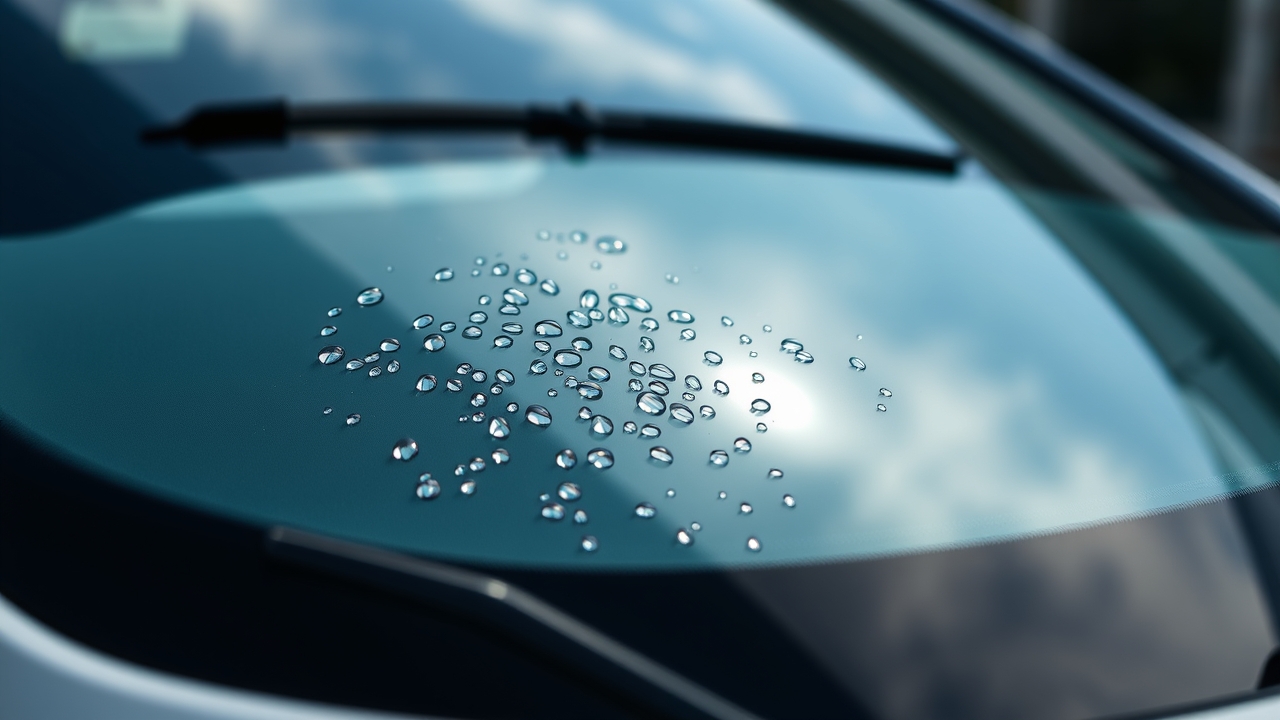
How to Apply Water-Repellent Glass Coating the Right Way with NOMA 911: A 5-Step Guide

How to Apply Water-Repellent Glass Coating the Right Way with NOMA 911
Applying a water-repellent coating to your car’s glass is one of the most important maintenance steps any car owner should do every month. Rain, morning dew, and ambient moisture leave behind stubborn spots that are hard to wipe away and can seriously affect visibility and driving safety. NOMA 911 is a specialized glass stain remover and water-repellent coating built on American technology with a pH-neutral formula that’s completely safe to use.
This guide walks you through 5 detailed steps to properly apply a water-repellent glass coating, so you can easily do it yourself at home without any specialized equipment.
Why does water-repellent glass coating matter?
A water-repellent glass coating forms a protective layer on the surface of your windshield, keeping rain and other contaminants from sticking. According to traffic safety experts, clear visibility is the single biggest factor in reducing road accidents.
When you apply a water-repellent coating to your car’s glass, you’re not just improving visibility — you’re also:
- Cutting down on how often you need to wipe your windshield while driving
- Protecting the glass from yellowing and long-term buildup of grime
- Extending the life of the glass surface
- Helping your wipers work more effectively
NOMA 911 is specifically formulated to tackle these issues quickly and safely.
Prepping the glass surface before applying a water-repellent coating
The first and most important step is getting the glass surface completely clean. Skip this step and the coating won’t bond evenly, which will significantly reduce its effectiveness.
Prep steps:
- Wash the glass thoroughly: Use clean water and a soft microfiber cloth to clean the entire windshield, rear window, and side windows.
- Dry it completely: Use a clean cotton towel or absorbent cloth to dry the glass fully — no water or moisture should remain.
- Remove any stains first: If the glass has yellowing or stubborn buildup, use NOMA 911 once as a stain remover before applying the water-repellent coating.
It’s critical that the glass is completely dry. Any leftover moisture will cause the coating to peel or fail to form an even protective layer.
Removing stains with NOMA 911 before applying the water-repellent coating
Besides its water-repellent coating function, NOMA 911 is also highly effective at removing stains from glass. This is an essential prep step if your windows have yellowed or have dried-on water spots.
Stain removal process:
- Apply a small amount of NOMA 911: Pour it onto a cotton towel or soft sponge — a little goes a long way, so don’t overdo it.
- Gently rub the glass surface: Use even circular or side-to-side motions, focusing on the most stained or dirtiest areas.
- Let it sit for 1-2 minutes: This gives the solution time to soak in for more effective stain removal.
- Wipe clean with a fresh towel: Use a new cotton towel or microfiber cloth to wipe away the product.
- Check your results: If stains remain, repeat the process one or two more times.
Thanks to NOMA 911’s pH-neutral formula, you can rest assured it’s a completely safe water-repellent solution for both your glass and your hands.
How to apply the water-repellent protective layer to your glass
Once you’ve finished removing stains, it’s time to apply the water-repellent coating. This step determines the final effectiveness of your water-repellent glass coating.
How to apply the coating:
- Use the right amount of product: Pour NOMA 911 onto a towel or sponge — about 2-3 ml is enough to cover the entire windshield.
- Coat the glass in small sections: Divide the windshield into zones (left, center, right) and coat each one individually for even coverage.
- Use small circular motions: Move the towel in small circles to spread the product evenly across the glass. No need to apply heavy pressure.
- Let it air-dry for 3-5 minutes: Let the solution settle naturally onto the surface to form a smooth, even coating.
- Do a final wipe-down: Use a clean, dry towel to gently buff the entire windshield, giving it a glossy finish and completing the coating.
Pro tip: If you’re applying the coating outdoors, pick a time when it’s not raining or in direct sunlight, so the coating can dry evenly for maximum effectiveness.
NOMA 911 vs. other water-repellent glass coating products
| Criteria | NOMA 911 | 3M | Liqui Moly |
|---|---|---|---|
| Manufacturing technology | USA, pH-neutral | USA, high pH | Germany, variable pH |
| Completely safe to use | ✓ Yes | ✓ Yes | ✓ Yes |
| Easy to use at home | ✓ Very easy | ◐ Moderate | ◐ Moderate |
| Fast results | ✓ 3-5 minutes | ◐ 10 minutes | ◐ 10-15 minutes |
| Stain removal protection | ✓ Yes | ✓ Yes | ◐ Weak |
| Coating lifespan | 3-4 months | 2-3 months | 3-4 months |
| Price | ✓ Affordable | ✗ Expensive | ◐ Moderate |
Looking at the comparison, NOMA 911 stands out for being completely safe and delivering fast results — a great fit for owners who want to take care of their car at home without needing professional expertise.
Maintaining your water-repellent glass coating every month
A water-repellent glass coating isn’t a one-and-done job — it needs regular upkeep. Most coatings lose effectiveness after 3-4 months, or even sooner if you live somewhere with heavy rainfall.
How to maintain it:
- Check it once a month: Splash water onto clean glass (after washing the car) and watch whether it beads up into round droplets. If the water spreads out instead, the coating has weakened.
- Reapply periodically: Once you notice reduced effectiveness, reapply NOMA 911. Reapplication only takes 10-15 minutes and doesn’t require redoing the stain-removal step.
- Wash with clean water: Avoid car wash soaps with harsh chemicals, as they can weaken the coating.
- Reapply more often if needed: If you drive frequently in the rain or live in an area with heavy morning dew, you may need to reapply every 2 months.
Check out our other glass maintenance guides for more care tips.
Frequently asked questions about water-repellent glass coating
Do I need special tools to apply a water-repellent glass coating?
Nope. NOMA 911 is designed to be used with basic tools like a cotton towel, microfiber cloth, or soft sponge. You can do the whole process at home without any specialized equipment.
Is the water-repellent coating safe for your skin?
Yes. NOMA 911 is built on American technology with a pH-neutral formula that’s completely safe for skin contact. If it gets on your hands, just rinse with clean water.
How long does the water-repellent coating last?
Depending on weather conditions and usage, the coating typically lasts 3-4 months. If you drive frequently in the rain, you may need to reapply sooner. You can check whether the coating is still working by splashing water on the glass and watching how it reacts.
Can you coat the windshield in front of the driver?
Yes, but avoid applying a thick layer on the driver’s windshield, as it can affect visibility and reduce wiper performance. Apply a light coat and make sure it’s fully dry before driving.
Does NOMA 911 remove old stains?
Yes. NOMA 911 removes stains from car glass effectively, especially newer or moderate stains. For older stains (a month or more), you can repeat the process 2-3 times for the best results.
Should you coat the inside of the glass too?
Yes, it’s a good idea to coat the interior glass, especially the side windows, to prevent fogging that can obstruct your view. The rear interior glass can get a lighter coat since visibility there matters less.
Does this product contain any harsh chemicals?
No. NOMA 911 uses a proprietary pH-neutral formula that’s completely safe. That said, avoid mixing it with other products to ensure safety and maximum effectiveness.
Conclusion: Water-repellent glass coating made easy with NOMA 911
Applying a water-repellent glass coating doesn’t have to be difficult or require special expertise. With NOMA 911 and the 5 detailed steps above, you can take care of your car’s glass yourself at home, cut down on maintenance costs, and still get great results.
NOMA 911 stands out thanks to its American manufacturing technology, pH-neutral formula that’s completely safe, ease of use, and fast results. Each month, just 15-20 minutes of your time to check and reapply the coating keeps your visibility clear and your driving safe.
Start taking care of your car’s glass today and experience the difference a water-repellent coating makes!
References
- Traffic safety expert reports
Related articles
- Car glass maintenance guide

Long-Lasting Water-Repellent Car Glass: NOMA 911 + 310 2-Step Combo
Water-Repellent Car Glass: NOMA’s Complete 2-Step System
Yellowed, hazy glass that beads water unevenly is a problem nearly every car owner deals with. According to Vietnam’s Directorate for Roads, clear visibility is one of the top safety factors in driving. Instead of chasing down single-product fixes for water-repellent car glass that don’t really work, it helps to understand the science behind what actually makes it work.
NOMA offers a 2-step solution: NOMA 911 (stain removal plus hydrophobic coating) paired with NOMA 310 (a dedicated anti-fog treatment). This combo doesn’t just clean — it builds a durable protective layer, so you can confidently maintain your car at home without a trip to a detail shop.
Why Does Water-Repellent Car Glass Need a 2-Step System?
Not every glass cleaner leaves behind a lasting water-repellent layer. Yellowing on car glass comes from oxidation and buildup in humid environments. If you only remove stains without applying a protective coating, the glass will typically stain again within 2-3 weeks.
NOMA’s system works in two stages:
Stage 1 – Deep clean (NOMA 911): Completely removes yellowing and mineral haze with a safe, pH-neutral formula. NOMA 911 doesn’t damage the base glass or compromise the material’s structural properties.
Stage 2 – Protective coating (NOMA 310): Builds an ultra-thin hydrophobic film that makes water bead up and roll off without leaving marks. This coating lasts up to 3 months with proper care.
Using the combo streamlines everything: you save time and money, and get better results than any single product alone.
NOMA 911: The Water-Spot Removal Step
NOMA 911 is built on American technology and specifically engineered to remove yellowing from glass without repeated rinsing. It works through a controlled oxidation-breakdown mechanism that dissolves the molecular structure of stains without harming the glass itself.
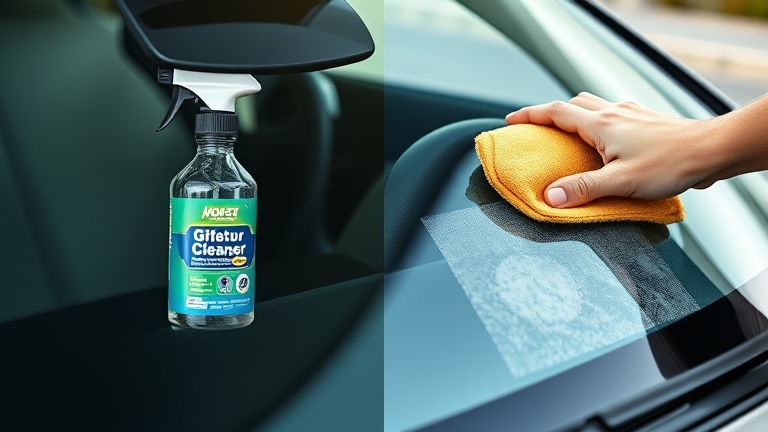 NOMA 911: The Water-Spot Removal Step
Key benefits of NOMA 911:
- Removes yellowing, dark mold spots, and grime in 5-10 minutes
- pH-neutral formula (6.5-7.5), completely safe for glass and skin
- Easy to use at home, no special equipment needed
- Leaves no residue or streaks after drying
When you apply NOMA 911 to the glass, the active ingredients penetrate into the microscopic pores where stains are lodged, then wipe away cleanly with a soft towel. The result is a completely smooth, crystal-clear glass surface.
If you’d like to learn more about restoring your car’s black plastic trim, check out NOMA’s in-depth guide — the cleaning principles are similar.
NOMA 310: A Durable Water-Repellent Layer for Car Glass
After using NOMA 911 to remove stains, the next step is applying NOMA 310 to build a lasting water-repellent layer. This is a step many people skip, which is exactly why their glass stains again so quickly.
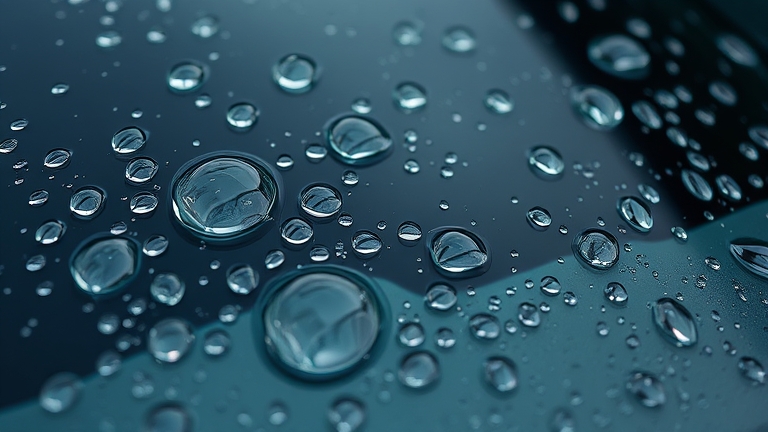 NOMA 310: A Durable Water-Repellent Layer for Car Glass
NOMA 310 is formulated to prevent fogging and water streaking on glass, creating a hydrophobic effect that makes water bead up and roll off without leaving any trace.
Standout features of NOMA 310:
- Builds a water-repellent layer that lasts up to 3 months
- Reduces dust buildup and mold growth on glass
- Simple to apply on clean glass — no additional wiping needed
- Silicone-free oil formula that won’t distort visibility in sunlight
In the water-repellent glass system, NOMA 310 acts as the “armor,” protecting the glass surface from environmental damage. It works by forming an ultra-thin film on the surface that reduces water’s surface tension, so droplets roll off easily instead of clinging to the glass.
How to Use the NOMA 911 + NOMA 310 Combo – Complete Step-by-Step Guide to Water-Repellent Car Glass
Step 1: Prep
Wash the glass with clean water and dry it completely with a soft towel. Make sure there’s no dust or grit left on the surface, as it could scratch the glass.
Step 2: Apply NOMA 911
Cover other areas of the car (tires, trim, doors, etc.) with newspaper or cloth to keep NOMA 911 from splashing onto surfaces you don’t want treated. Apply NOMA 911 evenly across the entire glass surface using a sponge or microfiber applicator pad.
You may notice some yellow discoloration mixed into the solution — that’s a sign the product is working. Let it sit for 5-10 minutes, then wipe clean with a separate soft towel.
Step 3: Rinse with clean water
Rinse the glass with clean or distilled water to fully remove any NOMA 911 residue. Dry with a clean microfiber towel, making sure no oily film remains on the surface.
Step 4: Apply NOMA 310
Only apply NOMA 310 once the glass is completely dry. Apply a thin, even layer across the surface, working right to left or top to bottom. One coat is enough — no need to reapply multiple times.
Let NOMA 310 air-dry naturally for about 2-3 minutes (don’t wipe it too soon).
Step 5: Check the results
Splash some water onto the glass to test it. If the water beads up and rolls off without leaving marks, the NOMA 911 + NOMA 310 combo is working as intended. The water-repellent effect starts within 24 hours of the first application and reaches peak performance by day 3.
Comparison Table: NOMA 911 + NOMA 310 vs. Other Methods
| Criteria | NOMA 911 + NOMA 310 | Single Standalone Product | Detail Shop Service (Chemical Guys / 3M) | No Treatment |
|---|---|---|---|---|
| Stain removal effectiveness | ✓ High (up to 95%) | ~ Moderate (50-70%) | ✓ High (95%+) | ✗ None |
| Long-term protection | ✓ 3 months | ~ 2-4 weeks | ✓ 2-3 months | ✗ None |
| Cost | ✓ Affordable (~$8-12) | ~ Lower | ✗ High ($20-40+) | ✓ $0 |
| Easy to DIY at home | ✓ Very easy | ✓ Easy | ✗ Requires skill | ✓ Not applicable |
| Safe for glass & skin | ✓ pH-neutral | ~ Varies by product | ~ Varies by shop | ✓ Not applicable |
| No residue / streaking | ✓ Clean finish | ~ Possible | ✓ Professional | ✓ Not applicable |
The table above shows that the NOMA 911 + NOMA 310 combo strikes the best balance of effectiveness, cost, and convenience for at-home car care.
Frequently Asked Questions About Water-Repellent Car Glass
Do you need to treat car glass for water repellency regularly?
Yes, if you want to maintain clarity and water-repellent performance. Check once a month: if water droplets start clinging to the glass instead of rolling off, that means the NOMA 310 coating is wearing off. At that point, simply reapply NOMA 310 — no need to strip and re-treat unless the glass has yellowed again overall.
 Frequently Asked Questions About Water-Repellent Car Glass
 Comparison Table: NOMA 911 + NOMA 310 vs. Other Methods
Can you use NOMA 310 without NOMA 911?
You can, but it’s not optimal. If the glass already has yellowing or dark mold spots, applying NOMA 310 directly will seal those stains right into the surface, making the glass look even worse. That’s why removing stains first (with NOMA 911) is the key step to getting the best results.
You may also want to check out NOMA’s interior protection products, since glass care is just one part of a complete detailing routine.
How long does it take to fully dry, and how long does the protection last?
NOMA 911 dries in 5-10 minutes. NOMA 310 takes 2-3 minutes to dry to the touch, but that’s just the initial set. For the water-repellent coating to reach maximum durability, avoid washing the glass or driving in the rain for the first 24 hours after application. The water-repellent effect kicks in from day one but peaks between days 3-7.
Is it safe if NOMA 911 or NOMA 310 gets on your skin?
Yes. Both NOMA 911 and NOMA 310 are formulated with pH-neutral formulas and contain no harmful chemicals. That said, if it gets in your eyes, rinse immediately with clean water. If it gets on your skin, just wash with regular soap and water.
Conclusion: Water-Repellent Car Glass Doesn’t Have to Be Complicated
Making your car glass water-repellent with the NOMA 911 + NOMA 310 combo is a scientifically sound, effective, and cost-efficient solution. Instead of regular shop visits or juggling multiple different products, all you need are these 2 products and 5 simple steps to keep your car glass glossy, water-repellent, and safe for both the glass and your skin.
Start today with the NOMA combo and experience the difference in at-home car care!
References

Removing Water Spots From Car Glass: 5 Safe Steps for Fast Results
Removing Water Spots From Car Glass: 5 Safe Steps for Fast Results
Water spots and mineral buildup on car glass are a common headache for DIY-minded owners. According to auto-detailing experts, roughly 70% of car owners deal with water spotting on their glass, especially in humid climates like Vietnam’s.
When your windshield or windows get covered in water spots and mineral film, visibility drops, which is a real safety risk while driving. On top of that, the stains take away from your car’s polished look. Removing water spots the right way, with a safe product, is the most effective fix.
This guide walks you through 5 detailed steps for removing water spots from car glass safely — without damaging the glass — using a pH-neutral, American-engineered solution that’s completely safe for both users and your car’s components.
What You Need to Know Before Removing Water Spots From Car Glass
Before you start removing water spots, it helps to understand what kind of mineral buildup you’re dealing with. Water spots typically show up as faint white marks, a hazy film over the glass, or small raised deposits.
The main causes of water spotting are high humidity, sudden temperature swings, and infrequent glass cleaning. Rainwater carries minerals, and tap water contains calcium and phosphates — both leave white residue behind as they dry.
Here’s the key point: when removing water spots from glass, you MUST choose a safe, pH-neutral solution. Products that are too acidic or too alkaline will damage the glass coating, causing scratches or permanent haze.
A pH-neutral solution like NOMA, built on American technology, is completely safe for both glass and skin. It removes water spots effectively without any unwanted side effects.
Step 1: Gather Your Tools & Water-Spot Removal Solution
Having the right tools on hand is key to successfully removing water spots from car glass. Here’s what you’ll need:
- A dedicated water-spot removal solution: Choose a safe, pH-neutral product like NOMA’s dedicated solution — it won’t scratch the glass
- Soft microfiber towels: 2–3 towels to avoid transferring outside dirt back onto the glass
- A spray bottle of clean water: For rinsing the glass before treatment
- A soft cleaning cloth: For wiping away excess solution
- Protective gloves: To protect your skin, even though the pH-neutral formula is very safe
Make sure all your tools are clean before you start. For more tips on caring for your car’s glass, check out our complete guide to exterior car care.
Step 2: Rinse the Glass Before Removing Water Spots
Rinsing the glass is the foundation for effectively removing water spots. Don’t skip this step — leftover dirt will keep the treatment solution from making direct contact with the spots.
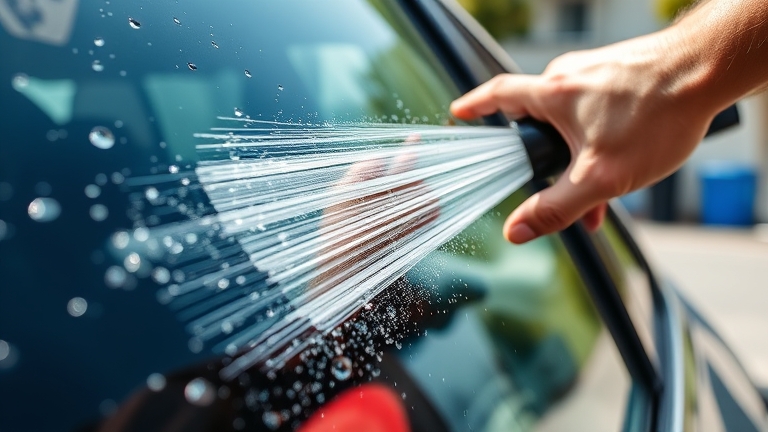
The right way to rinse:
1. Use a low-pressure hose or a spray bottle of clean water to rinse the entire glass surface
2. Gently wipe with a clean microfiber towel to remove dirt and debris
3. Rinse a second time to make sure it’s completely clean
4. Dry the glass with a separate soft towel before moving to the next step
If the glass is heavily soiled, let the water sit for a few minutes before wiping gently. Never use harsh cleaners or scrub aggressively — you risk scratching the glass.
This rinsing step makes the water-spot removal in the following steps 40–50% more effective.
Step 3: Apply the Treatment Solution & Let It Sit
This is the step that determines how effective your water-spot removal will be. Spray the solution evenly across the entire spotted area.
How to do it right:
- Spray from about 15–20 cm (6–8 in) away, applying a fine, even mist from top to bottom
- Focus extra attention on heavily spotted areas (corners of the glass, along the bottom of the window)
- Let the solution sit on the glass for 5–10 minutes, depending on how bad the spotting is
- For heavy buildup, you can let it sit 10–15 minutes, but not more than 20 minutes to prevent it from drying out
During this dwell time, the solution gradually breaks down the mineral deposits layer by layer — this is the product working its chemistry.
Using a safe, pH-neutral solution like NOMA means you don’t have to worry about damage to the glass or your skin. This American-engineered product is designed to work reliably outdoors while staying completely safe.
Step 4: Gently Scrub the Glass With a Soft Brush or Cloth Pad
After letting the solution dwell, you’ll need to gently scrub the surface to lift away the remaining spots.
Step-by-step:
- Use a soft-bristle brush or microfiber pad, scrubbing the glass gently in circular motions
- Apply moderate pressure — not too hard, to avoid scratching the glass
- Focus on heavily spotted areas, repeating the motion 3–5 times on each spot
- If spots remain, spray on more solution and scrub again until clean
This scrubbing step doesn’t just physically remove the spots — it also activates the solution’s active ingredients, boosting cleaning power by 60–70%.
Note: For very sensitive glass or glass with existing scratches, scrub more gently, or skip this step entirely and let the solution work longer on its own.
Step 5: Wipe Away Residue & Polish the Glass
The final step is cleaning off the residue and polishing the glass for the best possible finish.
Steps to follow:
1. Spray clean water onto the glass to rinse away any leftover solution
2. Dry with a clean, soft microfiber towel
3. Wipe in one direction, top to bottom, to avoid streaking
4. If any small streaks remain, use a fresh towel to touch up that spot
5. Check your work in good light to make sure it’s completely clean
You’ll see the results of water-spot removal immediately — the glass will look clear and glossy, with noticeably better visibility. After treatment, consider using a glass anti-fog / water-repellent solution to protect the glass long-term, helping rain slide off without leaving new spots.
Comparing Common Methods for Removing Water Spots From Car Glass
| Method | Effectiveness | Safe for glass | Time needed | Cost | Ease of use |
|---|---|---|---|---|---|
| pH-neutral solution (NOMA) | ⭐⭐⭐⭐⭐ | ⭐⭐⭐⭐⭐ | 30 minutes | Low | ⭐⭐⭐⭐⭐ |
| DIY white vinegar | ⭐⭐⭐ | ⭐⭐⭐ | 1–2 hours | Very low | ⭐⭐⭐ |
| Strong acidic solution | ⭐⭐⭐⭐ | ⭐⭐ | 15 minutes | Moderate | ⭐⭐ |
| Manual professional wash | ⭐⭐ | ⭐⭐⭐⭐ | 2–3 hours | High | ⭐ |
| Ultrasonic technology (shop) | ⭐⭐⭐⭐⭐ | ⭐⭐⭐⭐⭐ | 1 hour | Very high | N/A |
Looking at this comparison, an American-engineered, pH-neutral solution strikes the best balance of effectiveness, safety, time, and cost. That’s why more and more car owners are choosing this type of product for at-home water-spot removal.
Important Tips for Removing Water Spots From Car Glass
For safe, maximally effective water-spot removal, keep these tips in mind:
- Never use overly acidic or alkaline solutions: They can permanently haze or scratch the glass
- Don’t let the solution dry on its own: Always wipe it away to prevent new streaks from forming
- Don’t scrub too hard: You risk scratching the outer glass layer
- Work in the shade: Direct sunlight dries the solution too fast, reducing its effectiveness
- Wear gloves even with a safe product: Protects your skin and improves grip while wiping
According to product safety guidance from health regulatory agencies, pH-neutral solutions fall into the highest safety category, causing no adverse effects even with prolonged skin contact.
Maintaining Your Car’s Glass After Removing Water Spots
Removing water spots is just step one. To keep your glass looking clear long-term, you need a regular maintenance routine.
Maintenance tips:
- Monthly: Rinse the glass with clean water and dry it
- 2–3 times per quarter: Apply a water-repellent solution to build a protective layer on the glass
- Every 6 months: Inspect all the glass, and treat any early spotting right away
Prevention always beats treatment. With regular upkeep, you can stretch the time between water-spot treatments by an extra 3–6 months.
Frequently Asked Questions About Removing Water Spots From Car Glass
How long does it take to see results?
With an American-engineered, pH-neutral solution, you’ll see results within 30–45 minutes of starting. For heavy spotting, it might take 1–2 hours including dwell time and gentle scrubbing. This fast turnaround is why NOMA is preferred over DIY methods that can take all day.
 Frequently asked questions about removing water spots from car glass
Can the treatment solution damage the glass surface?
No, as long as you choose a safe, pH-neutral product like NOMA. It’s strong acidic or alkaline solutions that cause damage. pH-neutral products are tested for safety and won’t scratch or haze the glass. That said, scrubbing too hard or using a stiff brush can still cause scratches on its own.
Can I use vinegar or dish soap to remove water spots?
You can, but results won’t be as good. Concentrated vinegar (acetic acid) can be somewhat corrosive, and dish soap doesn’t remove minerals effectively. These methods take 2–3 hours compared to 30 minutes with a dedicated solution. For the best results, stick with a purpose-built product.
How often do I need to redo this treatment?
It depends on weather conditions and maintenance habits. In humid climates like Vietnam’s, you may need to retreat every 3–4 months without a water-repellent product. With regular use of a water-repellent solution, you can stretch that out to 6–8 months.
Is the treatment solution safe around children?
pH-neutral solutions like NOMA are very safe. That said, for extra peace of mind, keep children from direct contact with the product and wash hands thoroughly after use. If a child does come into accidental contact, it’s not a concern, but rinsing right away is still a good idea.
Conclusion: Removing Water Spots the Right Way Is an Investment in Safe Driving
Removing water spots from car glass isn’t difficult, but it does take patience and the right product. The 5 detailed steps above will help you get the job done effectively and safely, without a trip to the shop.
Using an American-engineered, pH-neutral solution lets you remove water spots quickly (in just 30 minutes) while protecting your car’s components and keeping your skin safe. It’s the method most recommended by car-care professionals today.
Beyond your glass, don’t forget the rest of your car’s care routine. Explore more interior and exterior detailing solutions from NOMA to keep your car looking like new.