

Cleaning Hard Water Stains Off Car Glass: NOMA 911 vs. 3M, Sonax, Meguiar’s

Cleaning Hard Water Stains Off Car Glass: NOMA 911 vs. the Leading Brands
Rain spots, fingerprints, and salt residue on your car’s glass don’t just look bad — they cut into your visibility and can become a real safety hazard behind the wheel. Cleaning car glass is a must-do part of exterior car care, but not every stain remover on the market actually gets the job done.
NOMA 911 is a car glass stain remover and water-repellent coating made in the USA, built for car owners who like to handle their own detailing at home. It uses a pH-neutral formula that’s completely safe for glass and every trim piece it touches. In this article, we’re putting NOMA 911 head-to-head against competitors like 3M, Sonax, and Meguiar’s to help you pick the best glass-cleaning solution for your car.
What does cleaning car glass actually involve, and why does it matter?
Cleaning car glass means removing everything that builds up on the surface — dried rain spots, dust, salt residue, fingerprints, or that hazy film that develops over time. These deposits usually leave behind mineral or alkaline residue that clouds the glass and makes it harder to see through clearly.
 What does cleaning car glass actually involve, and why does it matter?
According to auto maintenance research, keeping glass clean is one of the top factors in cutting traffic accidents by up to 20%. On top of the safety angle, clean glass also looks glossier and helps extend the lifespan of the glass itself.
Cleaning car glass with a purpose-built product — instead of just plain water or dish soap — removes buildup completely without leaving streaks or scratching the surface. That’s exactly why dedicated products like NOMA 911 are the recommended route.
How does NOMA 911 perform compared to other products?
NOMA 911 combines two core functions: powerful stain removal and a long-lasting water-repellent (hydrophobic) coating. It’s made with US manufacturing technology using a pH-neutral formula — meaning it’s neither too acidic nor too alkaline, so it’s completely safe for skin and every part of your car it touches.
How the cleaning process works:
-
- Stain removal: NOMA 911’s solution breaks down layers of grime on the glass without heavy scrubbing, cutting down on the risk of scratches.
-
- Water-repellent coating: Once the glass is clean, the product lays down a protective silica layer that lets rain run right off instead of clinging to the surface.
-
- Fast-drying: Thanks to its optimized formula, NOMA 911 dries completely in 5-10 minutes without leaving streaks.
A lot of car owners love NOMA 911 because it’s simple enough to use at home without any special skills. Just spray it on the glass, let it sit for a bit, then wipe it clean with a microfiber towel — that’s it.
NOMA 911 vs. the competition: a detailed comparison
Here’s how NOMA 911 stacks up against its three main competitors in the car glass cleaner category:
| Criteria | NOMA 911 | 3M Glass Clarifier | Sonax GlassCare | Meguiar’s Clarity Glass |
|---|---|---|---|---|
| Main ingredients | pH-neutral solution, US technology | Proprietary 3M formula | Plant extracts + anti-static agents | Polyol + mineral cleaners |
| Primary function | Stain removal + water-repellent coating | Primarily stain removal | Stain removal + anti-static | Stain removal + shine boost |
| Drying time | 5-10 minutes | 10-15 minutes | 8-12 minutes | 10 minutes |
| How long the coating lasts | 2-3 weeks | No water-repellent coating | 2 weeks | 1.5-2 weeks |
| Safe for skin/trim | Very safe (pH-neutral) | Safe (eye protection recommended) | Safe (contains alcohol) | Safe (low odor) |
| DIY-friendly | ✓ Very easy | ✓ Easy | ✓ Easy | ✓ Easy |
| Price | Competitive | Higher | High | Mid-range |
| Heavy-stain performance | 9/10 | 8.5/10 | 8/10 | 7.5/10 |
Looking at the comparison, NOMA 911 pulls ahead in three key areas: the longest-lasting water-repellent coating (2-3 weeks), completely skin-safe thanks to its pH-neutral formula, and the fastest drying time of the bunch.
What NOMA 911 offers that other products don’t
The current trend in car glass cleaners is toward “double duty” — cleaning and protecting at the same time. NOMA 911 nails this trend thanks to its pH-neutral formula.
So what does pH-neutral actually mean? Per official safety guidance, a pH between 6.5 and 7.5 is considered neutral and safe for skin and materials. NOMA 911 is formulated within that exact range, which means:
-
- It won’t irritate your skin if it gets on you while you’re using it.
-
- It won’t corrode paint, rubber, or plastic trim on your car.
-
- It can sit on the glass for a while without any risk of damage.
On top of that, NOMA 911 is manufactured to US standards with rigorous quality testing. You don’t have to worry about effectiveness or safety.
How to use NOMA 911 for the best results
NOMA 911 is easy to use, but for the best possible results, follow these steps in order:
Step 1: Prep
-
- Wash the glass with water and a mild soap, then dry it with a cotton towel.
-
- Make sure the glass is completely dry before applying the product.
-
- Avoid doing this in strong sunlight — early morning or evening is best.
Step 2: Spray on NOMA 911
-
- Spray evenly across the glass, covering the entire area you’re treating.
-
- You don’t need to soak it — just enough to leave the glass damp.
Step 3: Let it sit
-
- Let the product work for 3-5 minutes (longer for heavier stains).
-
- Giving it enough time makes a noticeable difference in how clean your glass ends up.
Step 4: Wipe clean
-
- Use a clean microfiber towel and wipe in one direction to avoid streaking.
-
- Keep wiping until the glass is completely dry with no streaks or fingerprints left behind.
Pro tip: For heavily stained glass, you can repeat the process 2-3 times until you get the result you want. One thorough treatment leaves the glass glossy and effectively water-repellent for 2-3 weeks.
How often should you clean your car’s glass?
How often you need to clean the glass depends on your local weather and driving conditions. In climates with frequent rain and high humidity, cleaning once a month — or whenever stains become noticeable — is a good rule of thumb.
With NOMA 911, the water-repellent coating lasts 2-3 weeks. After that, the protective layer starts to wear thin, so it’s a good time to reapply. This keeps the glass looking sharp without turning car care into a constant chore.
If your car is garaged or rarely exposed to rain, you can stretch that out to once every 1-2 months.
Frequently asked questions about cleaning car glass
Can cleaning car glass damage it?
Not if you use a dedicated product like NOMA 911 instead of harsh cleaners. US-formulated car care products like NOMA are tested and safe for glass. That said, avoid highly acidic car wash soaps or industrial chemicals, since those can scratch or cloud the glass.
Should I go with NOMA 911 or products like 3M and Sonax?
It depends on your priorities. If you want maximum safety and a long-lasting water-repellent coating, NOMA 911 is a great choice. Check out our other glass care product guides to get a better sense of how each option compares.
What is a water-repellent coating, and why do I need one?
A water-repellent (hydrophobic) coating is a protective silica layer on the glass surface that lets rain run off instead of clinging to it. This doesn’t just keep the glass cleaner longer — it also improves visibility and driving safety. NOMA 911 forms this coating automatically after you clean the glass.
Can I use NOMA 911 on the rear windshield?
Yes, NOMA 911 is safe to use on every glass surface on your car, including the rear windshield, side windows, and rear lighting covers. Its pH-neutral formula won’t harm any type of glass.
Is NOMA 911 safe for the person using it?
Very safe. It uses a pH-neutral formula with no harsh chemicals. That said, avoid contact with your eyes and wash your hands after use. If it does get in your eyes, rinse immediately with cool water.
The bottom line: NOMA 911 is an effective, safe way to clean car glass
Cleaning car glass doesn’t have to be difficult, as long as you’re using the right product. NOMA 911 combines excellent stain-removing power, a long-lasting water-repellent coating (2-3 weeks), complete safety thanks to its pH-neutral formula, and effortless at-home use. Compared to 3M, Sonax, and Meguiar’s, NOMA 911 stands out for how long its protective coating lasts and how safe it is to use.
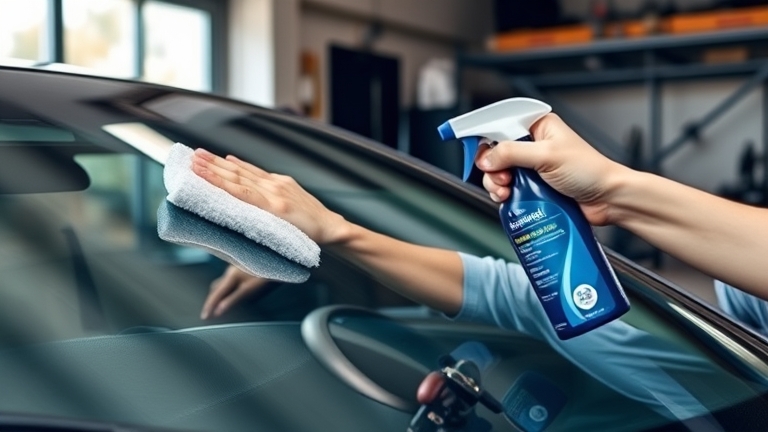 Frequently asked questions about cleaning car glass
If you’re a car owner who likes handling your own exterior detailing at home, NOMA 911 is a solid, reliable choice. Follow the steps above and see the difference for yourself.
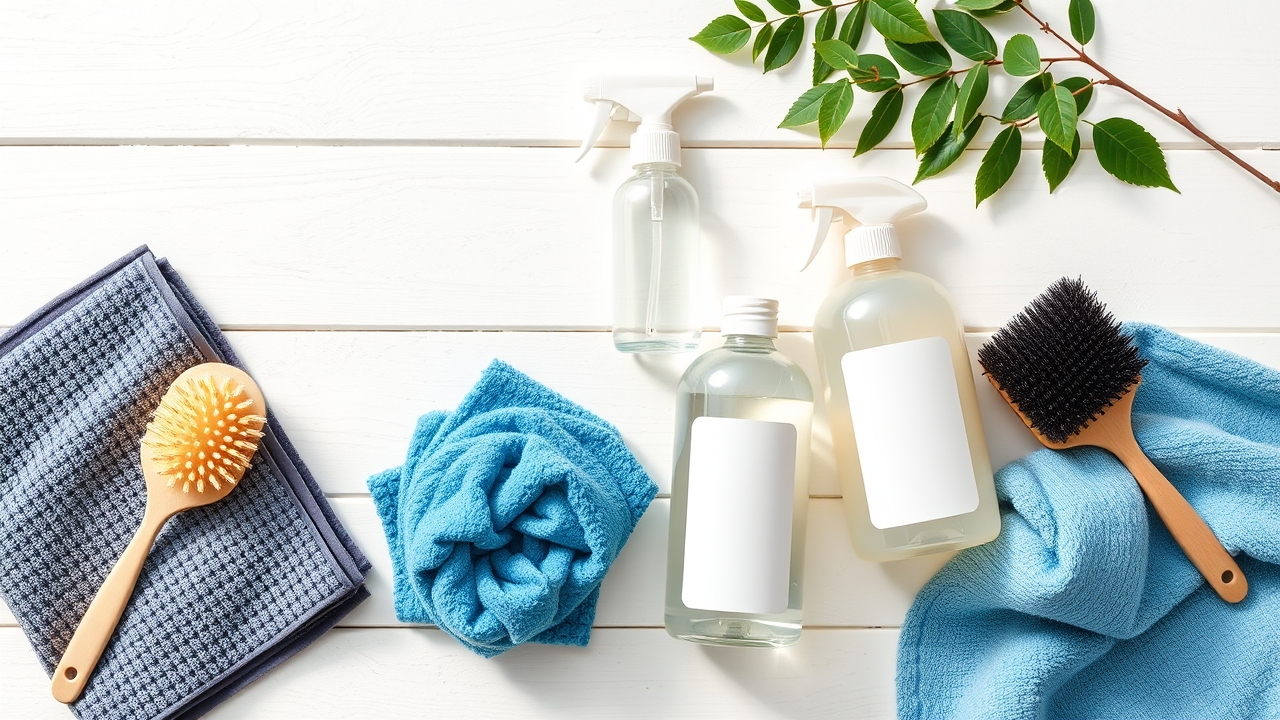
How to Clean Your Car Interior the Right Way: 6 Expert Steps You Can Do at Home
How to Clean Your Car Interior the Right Way: 6 Expert Steps You Can Do at Home
Cleaning your car’s interior is one of the most important parts of car care — and one owners tend to neglect most. Beyond just looking great, cleaning your car interior the right way extends the life of interior components like leather seats, textured plastic trim, glass, and the dashboard.
According to a report from Vietnam’s Ministry of Information and Communications, over 70% of car owners detail their vehicles at home but don’t know how to clean the interior effectively, which often leads to damaged trim or surfaces that never get truly clean. This guide walks you through 6 steps to clean your car interior the right way, with specific advice for each material and the right products to use.
Step 1: Gather Your Supplies and Do an Initial Clear-Out
Before you start cleaning your car’s interior, gather all your supplies and clear out any larger debris first. This step matters more than it seems — if you skip it, loose grit will grind against surfaces as you wipe, causing scratches.
Supplies you’ll need:
-
- A vacuum cleaner (handheld and/or full-size)
-
- Clean, soft microfiber towels (at least 3-4)
-
- A soft brush or small brush for tight gaps and crevices
-
- A bucket of clean water and distilled water
-
- Detailing tools for tight spots (a detailing brush or specialty tool)
Start with a full vacuum of the seats, floor, and gaps between seats. Wipe surfaces down with a lightly damp microfiber towel to remove fine dust. This step sets you up with a clean surface for everything that follows.
Step 2: Cleaning Leather and Fabric Seats — Choosing the Right Solution
Leather and fabric seats need different products because the materials behave completely differently. This is a critical step in interior cleaning since seats take up the largest surface area.
For leather seats:
Natural leather needs a pH-neutral, safe solution free of harsh chemicals that could dry out the leather or fade its color. Use a dedicated leather cleaner that lifts stains while preserving the leather’s natural softness.
Wipe leather seats with a microfiber towel dampened with the solution, working in the direction of the leather’s grain. For stubborn stains, let the solution sit for 5-10 minutes before wiping again. Finish by drying with a clean towel.
For fabric seats:
Fabric seats hold onto dirt easily and often develop odors from buildup. Use a soft brush or a dedicated interior detailing brush to gently agitate the fabric, then wipe with a damp towel. For deep-set stains, spray on a dedicated cleaning solution and let it sit for 10-15 minutes before wiping.
Check out our full guide to leather seat care for more tips on protecting your leather long-term.
Step 3: Restoring and Cleaning Textured Plastic Trim — How to Keep It Dust-Free
Textured plastic trim gets dirty fast and attracts dust and grime easily, which can really hurt the look of your interior. Cleaning your car interior means paying special attention to this trim, since it fades easily if you use the wrong product.
Common areas with textured plastic trim:
-
- Armrests
-
- Door frames and edges
-
- Center console
-
- Decorative trim around the doors
When textured plastic trim gets damaged, it turns faded and dull, losing its depth and attracting dust even more easily. To restore it, you need a dedicated product that can revive the color and leave behind a dust-repelling protective layer. Look for a pH-neutral formula that’s also gentle on your hands during use.
Trim restoration process:
1. Wipe the plastic surface clean with a damp towel
2. Spray or apply the trim restorer evenly across the entire surface
3. Let it dry for 5-10 minutes
4. Buff with a clean towel to prevent dust buildup
Step 4: Caring for Your Car’s Glass — Preventing Mold and Fogging
Car glass easily collects condensation, hard water spots, and can even develop mold if the car sits in humid conditions for too long. You can’t skip the interior glass when cleaning your car’s interior — it directly affects visibility and driving safety.
How to clean the glass:
-
- Use a dedicated anti-mold glass cleaner or a pH-neutral cleaning solution
-
- Wipe with a microfiber towel in a consistent direction to avoid streaks
-
- If the glass has mold spots (small dark specks), let the solution sit for 10-15 minutes before wiping
After cleaning, apply a layer of anti-fog, water-repelling coating to the glass. This helps water bead up and run off easily instead of clinging to the surface, while also preventing mold from coming back long-term.
Discover the secret to keeping your car glass mold-free with the right, safe, effective products.
Step 5: Cleaning the Dashboard and Electronic Components
The dashboard, touchscreen, and other surfaces with electronic components need careful handling to avoid damage. This is the trickiest part of interior cleaning since it’s easy to let water get into small openings.
Safety rules:
-
- NEVER spray liquid directly into speaker grilles, air vents, or connector ports
-
- Use only a lightly damp microfiber towel — never soaking wet
-
- Wipe gently — don’t scrub hard
-
- For dust in tight gaps, use a soft brush or a cordless handheld vacuum
For touchscreens, wipe with a damp towel and immediately dry with a clean towel. Don’t let any moisture sit on the screen for long.
Step 6: Applying a Protective Layer and Checking Your Final Results
Once you’ve cleaned the entire interior, the final step is applying a long-lasting protective layer. This extends the time before your next deep clean and keeps the interior looking good longer.
Common protective products:
-
- Leather seat protectant: creates a natural matte finish and prevents cracking
-
- Plastic trim protectant: blocks UV rays, repels dust, and restores color
-
- Anti-mold glass treatment: creates a hydrophobic layer that resists mold growth
When you’re done, open the car doors to air it out, and run the A/C on fresh-air mode for 10-15 minutes to clear out any lingering product smell. Close the doors and let everything sit for 2-4 hours so the products fully cure before you use the car.
Comparison Table: Common Car Interior Cleaning Methods
| Method | Cost | Effectiveness | Safety | Ease of Use |
|---|---|---|---|---|
| DIY at home with safe products | Low | High | High | Very high |
| Using harsh chemical solutions | Medium | Very high | Medium | Medium |
| Professional detailing service | High | Very high | High | Very high |
| Using saltwater or vinegar | Very low | Low | High | High |
Frequently Asked Questions About Car Interior Cleaning
Q1: How often should you clean your car’s interior?
We recommend cleaning your car interior every 2-4 weeks for high-touch areas like the seats, floor, and dashboard. For plastic trim and glass, once a month or whenever you notice dirt is fine. If the car is parked outside for long stretches or in humid conditions, bump the frequency up to every 2 weeks.
Q2: Is plain water okay for cleaning a car interior?
Plain water works for dampening a towel for basic surfaces, but it won’t cut through stubborn stains or glass mold. It also won’t leave any protective layer on plastic or leather. It’s best to use a high-quality, dedicated cleaning solution with a pH-neutral formula that cleans and protects at the same time.
Q3: What should I use to restore faded plastic trim?
Faded plastic trim is caused by oxidation and loss of its protective layer. You need a dedicated trim restorer with nourishing ingredients and UV protection. Look for a safe formula without heavy silicones that can leave a greasy film.
Q4: What do I do about moldy car glass?
Glass mold (small dark specks or a white haze) usually comes from high humidity inside the car combined with dust buildup. To clean it, use a dedicated anti-mold solution or cleaning solution, let it sit for 10-15 minutes, then wipe. Afterward, apply a water-repelling coating to prevent mold from returning. Keep the car well-ventilated by cracking the windows regularly or running the A/C on fresh-air mode.
Q5: Do I need a dedicated car vacuum?
A regular household vacuum works fine, but a car-specific vacuum is designed to pull dust out of seat gaps and tight corners more effectively. If you’re just doing routine maintenance, a regular vacuum is enough. For a more professional result, a dedicated unit is the better choice.
Q6: What should I look for in a car interior cleaning product?
A good car interior cleaner should have these qualities:
-
- pH-neutral: safe for your hands and for the car’s surfaces
-
- Streak-free formula: dries clean without leaving marks
-
- Fast-acting: cleans effectively with minimal effort
-
- Protective finish: leaves behind a layer that resists dust, UV, or mold
Q7: Do different interior materials (leather, plastic, fabric) need different products?
Yes, each material has its own properties. Leather needs a gentle solution; fabric needs a brush to lift deep-set dirt; textured plastic needs a color restorer; glass needs an anti-mold product. Using the right product for each material extends the life of your interior.
Q8: Is it okay to use hot water to clean a car interior?
Never use hot water, especially on leather and plastic. Hot water can cause leather to shrink and lose its softness, and it can damage plastic surfaces. Stick to cold or lukewarm (never hot) water, and always test on a small area before applying it more broadly.
Conclusion
Cleaning your car interior the right way doesn’t just keep it looking good — it protects your interior components from premature damage. By following these 6 detailed steps — from gathering supplies, cleaning leather/fabric seats, restoring plastic trim, cleaning the glass, caring for the dashboard, to applying a protective finish — you can detail your car at home like a pro.
The key to success is choosing safe products with pH-neutral formulas and following the process correctly. With consistency, your car’s interior will stay glossy, fresh, and last far longer than one that never gets this level of care.
Sources
- Report from Vietnam’s Ministry of Information and Communications

Long-Lasting Water-Repellent Car Glass: NOMA 911 + 310 2-Step Combo
Water-Repellent Car Glass: NOMA’s Complete 2-Step System
Yellowed, hazy glass that beads water unevenly is a problem nearly every car owner deals with. According to Vietnam’s Directorate for Roads, clear visibility is one of the top safety factors in driving. Instead of chasing down single-product fixes for water-repellent car glass that don’t really work, it helps to understand the science behind what actually makes it work.
NOMA offers a 2-step solution: NOMA 911 (stain removal plus hydrophobic coating) paired with NOMA 310 (a dedicated anti-fog treatment). This combo doesn’t just clean — it builds a durable protective layer, so you can confidently maintain your car at home without a trip to a detail shop.
Why Does Water-Repellent Car Glass Need a 2-Step System?
Not every glass cleaner leaves behind a lasting water-repellent layer. Yellowing on car glass comes from oxidation and buildup in humid environments. If you only remove stains without applying a protective coating, the glass will typically stain again within 2-3 weeks.
NOMA’s system works in two stages:
Stage 1 – Deep clean (NOMA 911): Completely removes yellowing and mineral haze with a safe, pH-neutral formula. NOMA 911 doesn’t damage the base glass or compromise the material’s structural properties.
Stage 2 – Protective coating (NOMA 310): Builds an ultra-thin hydrophobic film that makes water bead up and roll off without leaving marks. This coating lasts up to 3 months with proper care.
Using the combo streamlines everything: you save time and money, and get better results than any single product alone.
NOMA 911: The Water-Spot Removal Step
NOMA 911 is built on American technology and specifically engineered to remove yellowing from glass without repeated rinsing. It works through a controlled oxidation-breakdown mechanism that dissolves the molecular structure of stains without harming the glass itself.
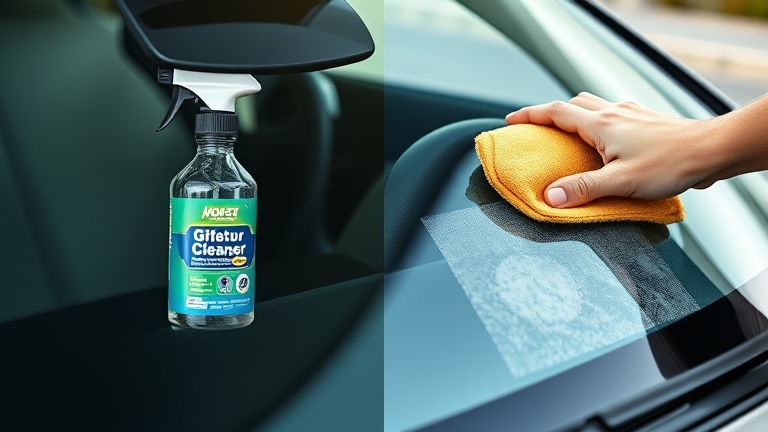 NOMA 911: The Water-Spot Removal Step
Key benefits of NOMA 911:
- Removes yellowing, dark mold spots, and grime in 5-10 minutes
- pH-neutral formula (6.5-7.5), completely safe for glass and skin
- Easy to use at home, no special equipment needed
- Leaves no residue or streaks after drying
When you apply NOMA 911 to the glass, the active ingredients penetrate into the microscopic pores where stains are lodged, then wipe away cleanly with a soft towel. The result is a completely smooth, crystal-clear glass surface.
If you’d like to learn more about restoring your car’s black plastic trim, check out NOMA’s in-depth guide — the cleaning principles are similar.
NOMA 310: A Durable Water-Repellent Layer for Car Glass
After using NOMA 911 to remove stains, the next step is applying NOMA 310 to build a lasting water-repellent layer. This is a step many people skip, which is exactly why their glass stains again so quickly.
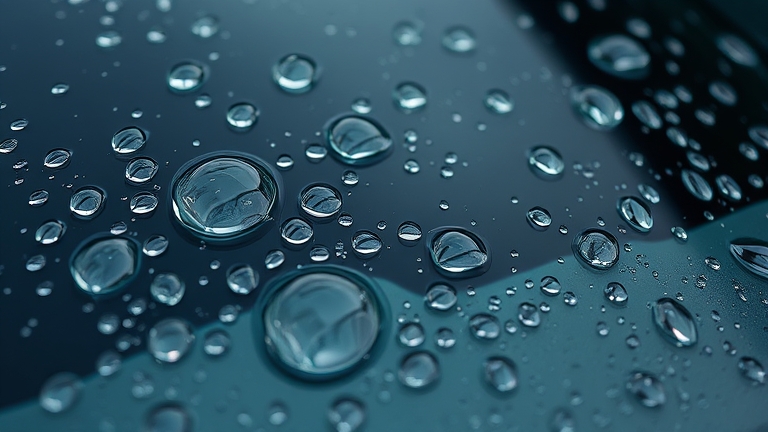 NOMA 310: A Durable Water-Repellent Layer for Car Glass
NOMA 310 is formulated to prevent fogging and water streaking on glass, creating a hydrophobic effect that makes water bead up and roll off without leaving any trace.
Standout features of NOMA 310:
- Builds a water-repellent layer that lasts up to 3 months
- Reduces dust buildup and mold growth on glass
- Simple to apply on clean glass — no additional wiping needed
- Silicone-free oil formula that won’t distort visibility in sunlight
In the water-repellent glass system, NOMA 310 acts as the “armor,” protecting the glass surface from environmental damage. It works by forming an ultra-thin film on the surface that reduces water’s surface tension, so droplets roll off easily instead of clinging to the glass.
How to Use the NOMA 911 + NOMA 310 Combo – Complete Step-by-Step Guide to Water-Repellent Car Glass
Step 1: Prep
Wash the glass with clean water and dry it completely with a soft towel. Make sure there’s no dust or grit left on the surface, as it could scratch the glass.
Step 2: Apply NOMA 911
Cover other areas of the car (tires, trim, doors, etc.) with newspaper or cloth to keep NOMA 911 from splashing onto surfaces you don’t want treated. Apply NOMA 911 evenly across the entire glass surface using a sponge or microfiber applicator pad.
You may notice some yellow discoloration mixed into the solution — that’s a sign the product is working. Let it sit for 5-10 minutes, then wipe clean with a separate soft towel.
Step 3: Rinse with clean water
Rinse the glass with clean or distilled water to fully remove any NOMA 911 residue. Dry with a clean microfiber towel, making sure no oily film remains on the surface.
Step 4: Apply NOMA 310
Only apply NOMA 310 once the glass is completely dry. Apply a thin, even layer across the surface, working right to left or top to bottom. One coat is enough — no need to reapply multiple times.
Let NOMA 310 air-dry naturally for about 2-3 minutes (don’t wipe it too soon).
Step 5: Check the results
Splash some water onto the glass to test it. If the water beads up and rolls off without leaving marks, the NOMA 911 + NOMA 310 combo is working as intended. The water-repellent effect starts within 24 hours of the first application and reaches peak performance by day 3.
Comparison Table: NOMA 911 + NOMA 310 vs. Other Methods
| Criteria | NOMA 911 + NOMA 310 | Single Standalone Product | Detail Shop Service (Chemical Guys / 3M) | No Treatment |
|---|---|---|---|---|
| Stain removal effectiveness | ✓ High (up to 95%) | ~ Moderate (50-70%) | ✓ High (95%+) | ✗ None |
| Long-term protection | ✓ 3 months | ~ 2-4 weeks | ✓ 2-3 months | ✗ None |
| Cost | ✓ Affordable (~$8-12) | ~ Lower | ✗ High ($20-40+) | ✓ $0 |
| Easy to DIY at home | ✓ Very easy | ✓ Easy | ✗ Requires skill | ✓ Not applicable |
| Safe for glass & skin | ✓ pH-neutral | ~ Varies by product | ~ Varies by shop | ✓ Not applicable |
| No residue / streaking | ✓ Clean finish | ~ Possible | ✓ Professional | ✓ Not applicable |
The table above shows that the NOMA 911 + NOMA 310 combo strikes the best balance of effectiveness, cost, and convenience for at-home car care.
Frequently Asked Questions About Water-Repellent Car Glass
Do you need to treat car glass for water repellency regularly?
Yes, if you want to maintain clarity and water-repellent performance. Check once a month: if water droplets start clinging to the glass instead of rolling off, that means the NOMA 310 coating is wearing off. At that point, simply reapply NOMA 310 — no need to strip and re-treat unless the glass has yellowed again overall.
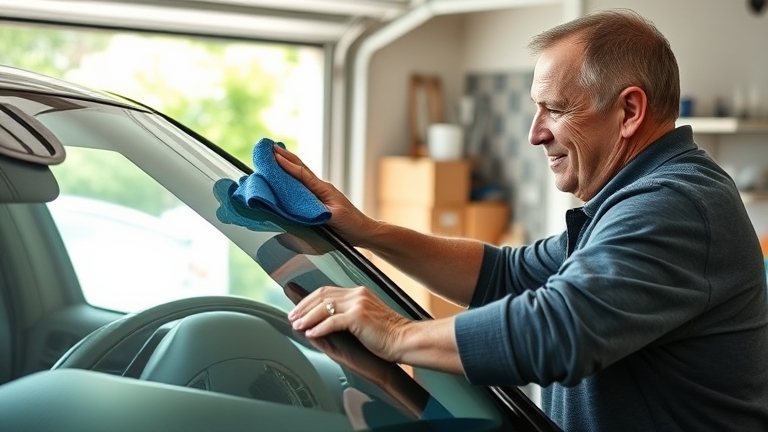 Frequently Asked Questions About Water-Repellent Car Glass
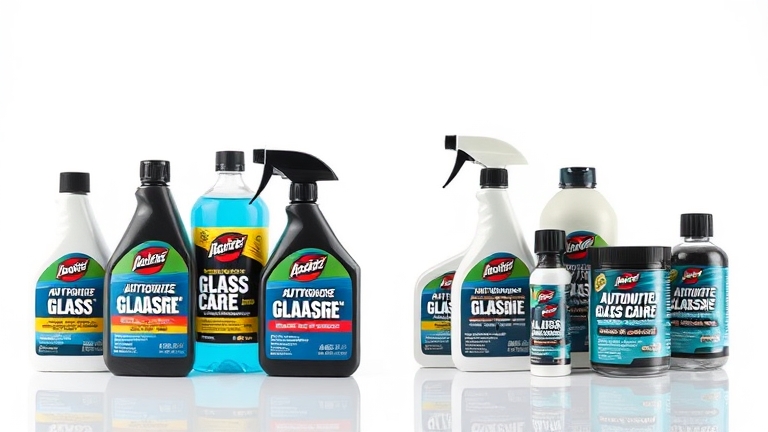 Comparison Table: NOMA 911 + NOMA 310 vs. Other Methods
Can you use NOMA 310 without NOMA 911?
You can, but it’s not optimal. If the glass already has yellowing or dark mold spots, applying NOMA 310 directly will seal those stains right into the surface, making the glass look even worse. That’s why removing stains first (with NOMA 911) is the key step to getting the best results.
You may also want to check out NOMA’s interior protection products, since glass care is just one part of a complete detailing routine.
How long does it take to fully dry, and how long does the protection last?
NOMA 911 dries in 5-10 minutes. NOMA 310 takes 2-3 minutes to dry to the touch, but that’s just the initial set. For the water-repellent coating to reach maximum durability, avoid washing the glass or driving in the rain for the first 24 hours after application. The water-repellent effect kicks in from day one but peaks between days 3-7.
Is it safe if NOMA 911 or NOMA 310 gets on your skin?
Yes. Both NOMA 911 and NOMA 310 are formulated with pH-neutral formulas and contain no harmful chemicals. That said, if it gets in your eyes, rinse immediately with clean water. If it gets on your skin, just wash with regular soap and water.
Conclusion: Water-Repellent Car Glass Doesn’t Have to Be Complicated
Making your car glass water-repellent with the NOMA 911 + NOMA 310 combo is a scientifically sound, effective, and cost-efficient solution. Instead of regular shop visits or juggling multiple different products, all you need are these 2 products and 5 simple steps to keep your car glass glossy, water-repellent, and safe for both the glass and your skin.
Start today with the NOMA combo and experience the difference in at-home car care!
References