
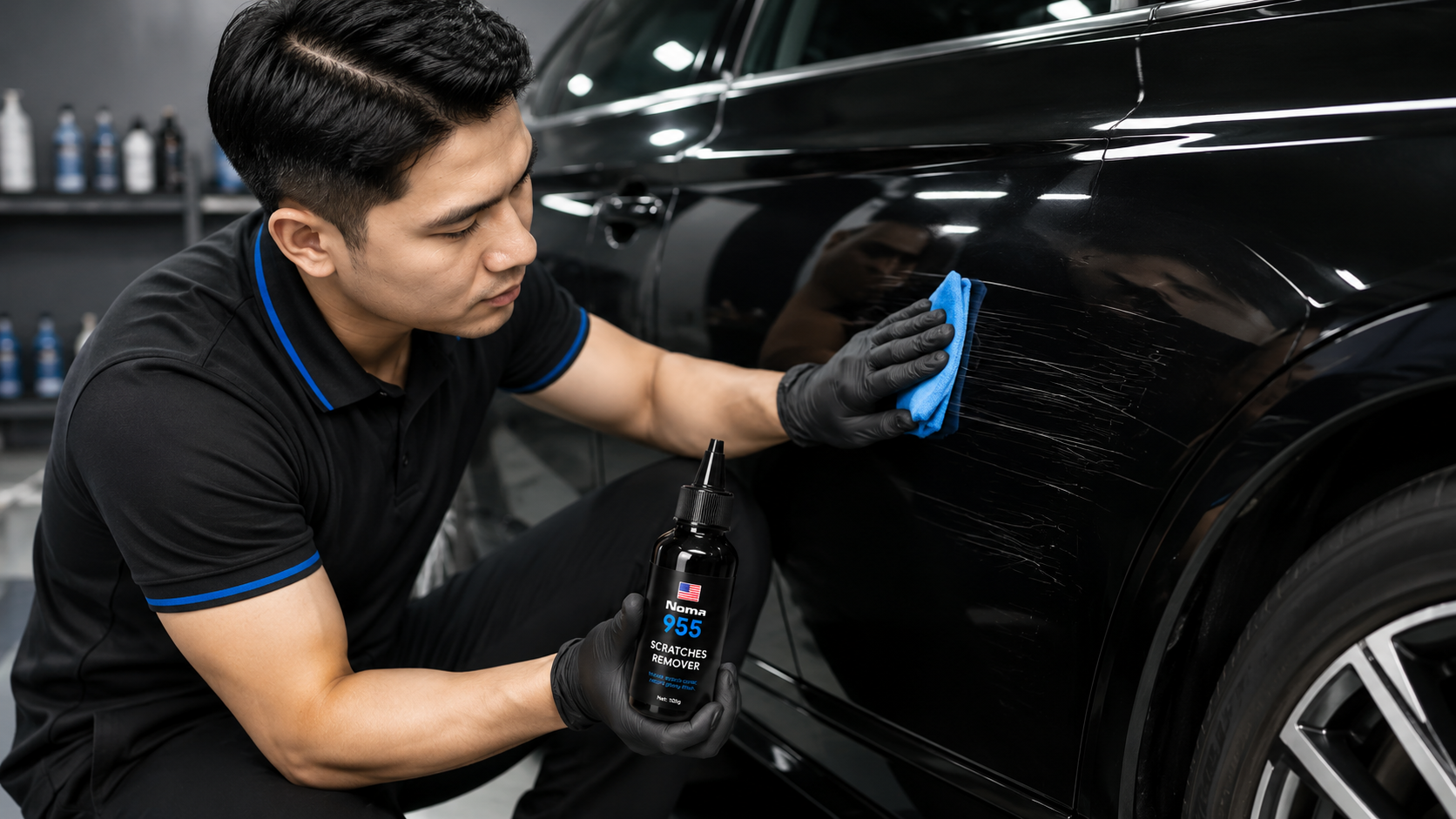
Removing Car Paint Scratches at Home with NOMA 955 – A Detailed Step-by-Step Guide

Removing Car Paint Scratches at Home with NOMA 955 – A Detailed Step-by-Step Guide
Paint scratches are a problem nearly every car owner runs into. From small scuffs caused by hail or brush against foliage, to light scrapes from a minor bump — these blemishes don’t just hurt your car’s looks, they also expose the base coat underneath, leaving the car more vulnerable to corrosion.
Instead of paying shop prices, you can remove paint scratches at home. NOMA 955 is a dedicated scratch-removal product built for DIY car care. This article walks you through the process step by step, so you can restore your paint effectively, safely, and affordably.
What Conditions Do You Need to Remove Paint Scratches?
Before you dive into the scratch removal process, it helps to understand the type of scratch you’re dealing with and the ideal working conditions.
Classifying paint scratches:
- Surface scratches (clear coat scratches): These only affect the outermost clear coat and don’t expose the base paint or primer underneath. This is the type of scratch NOMA 955 is best suited for.
- Deep scratches: These expose the base paint or primer layer. This type needs more involved treatment — potentially sanding, filling, and repainting.
For surface scratches, NOMA 955 can remove them completely or significantly reduce how deep they appear. Per consumer car-care guidance, using the right product for the type of scratch you have is the first step toward getting the best results.
Ideal working conditions:
- Mild sunlight outdoors, or good indoor lighting (so you can clearly see the scratch).
- Temperature between 59–77°F (15–25°C) — not too hot or too cold.
- No rain expected in the next 24 hours.
- A clean, well-ventilated workspace.
Tools and Materials to Prepare for Removing Paint Scratches
Thorough preparation is the key to successfully removing paint scratches.
Tools needed:
- An electric polisher (rotary or orbital) — optional, but it improves results if you have several scratches.
- Your hand, or a soft microfiber polishing pad.
- 2-3 clean microfiber cloths.
- Dedicated car wash soap (or clean water).
- 2-3 buckets of water for pre- and post-rinsing.
- Protective gloves.
Main material:
- NOMA 955: the dedicated scratch-removal product — this is the most important part of the process.
- Water or a moisturizing solution (in a spray bottle).
Step-by-Step Paint Scratch Removal Process with NOMA 955
Step 1: Wash the car
Start by washing the entire car with car wash soap and water. This removes dust, grit, and small particles that could cause additional scratching while you work.
Wash thoroughly, especially around the scratched area, then dry completely with a clean microfiber cloth.
Step 2: Inspect and mark the scratch
Look closely at the scratched area under good lighting. If the scratch is small and only affects the surface, you can proceed. If it’s deep and exposes the base paint, consider getting help from a professional.
You can use a light-colored marker to outline the scratch’s boundary, which makes it easier to track your progress.
Step 3: Apply NOMA 955
Place a small amount of NOMA 955 (about 1-2 ml) onto your polishing pad or hand. You don’t need much product — a small amount is all it takes.
If working by hand, gently rub the scratched area in circular motions. If using a polisher, set it to a low speed (1,200-1,500 RPM) for better control.
Step 4: Buff out the scratch
Work slowly and steadily, about 30-60 seconds per small scratch. Keep checking your progress as the scratch gradually fades.
If the scratch is still visible, repeat steps 3-4 one or two more times. Don’t press too hard — overdoing it can thin out the paint.
Step 5: Wipe away excess product
Once the scratch has faded or disappeared, use a slightly damp microfiber cloth to wipe away any leftover NOMA 955. Then dry with a separate clean microfiber cloth.
Check your results under good lighting. If you’re satisfied, move on to the next step.
Comparing Scratch Removal Methods: DIY vs. Shop vs. Other Solutions
| Criteria | DIY Scratch Removal (NOMA 955) | Professional Shop Service | Scratch-Healing Products | Shop Repaint |
|---|---|---|---|---|
| Cost | Low (one bottle covers 20-30 uses) | High (per scratch) | Moderate | Very high |
| Time | 10-20 min per scratch | 2-4 hours | 5 minutes, but slower results | 1-2 days |
| Skill Needed | Basic, easy to learn | Professional | Basic | Professional |
| Effectiveness on Surface Scratches | 80-95% | 95-99% | 30-50% | 100% |
| Effectiveness on Deep Scratches | 40-60% | 70-85% | Not effective | 100% |
| Follow-Up Protection | Needs to be added separately | Usually included | Built in | Comes with new paint |
As you can see, removing paint scratches at home with NOMA 955 is the optimal solution for surface scratches — it’s affordable, fast, and delivers strong results.
Caring for and Protecting Your Paint After Scratch Removal
Once you’ve removed the scratches, a bit of aftercare helps your paint stay in good shape.
First 24 hours:
- Don’t wash the car.
- Don’t leave the car out in rain or strong sun.
- Keep the car in a garage or under cover.
First week:
- Wash gently if needed.
- Avoid directly spraying water on the area you just treated.
Long-term protection:
- Use a dedicated paint protection product.
- Wash the car regularly (every 2-4 weeks) with clean water and dedicated car soap.
- Avoid extended exposure to sun or rain.
Common Mistakes When Removing Paint Scratches
Mistake 1: Rubbing too hard or too long. This can thin out the clear coat or even expose the base paint. Work gently, check your progress often, and stop as soon as the scratch fades.
Mistake 2: Not washing the car before treating scratches. Dust and grit can cause additional scratching while you work. Always wash and dry the area thoroughly first.
Mistake 3: Using the wrong type of pad. A stiff pad can cause more scratching. Only use a soft microfiber pad or your hand.
Mistake 4: Skipping paint protection afterward. Freshly treated paint is more vulnerable to oxidation. Apply a protective product within 1-2 weeks.
Frequently Asked Questions About Removing Paint Scratches
Does removing paint scratches void my warranty?
No, as long as you don’t cause additional damage to the paint. Shops use a similar process themselves. That said, if your car is still under manufacturer warranty, check the terms before doing it yourself.
Is NOMA 955 safe for all paint types?
Yes. NOMA 955 is designed to be compatible with standard automotive paint — solid, metallic, and matte finishes. That said, if your car has a specialty finish (ceramic-coated or custom paint), check with the manufacturer first.
Do I need to repaint after removing scratches?
If the scratch is only surface-level, scratch removal is all you need. If it’s a deep scratch that exposes the base paint, you’ll need a repaint to prevent corrosion.
Can NOMA 955 be used on deep scratches?
Users typically report 40-60% effectiveness on deep scratches. It’s not a perfect fix for deep scratches, but it does reduce their depth and visibility significantly.
How many uses do I get out of one bottle of NOMA 955?
One bottle of NOMA 955 typically lasts for 20-30 uses, depending on the size of the scratches. That makes the cost per use very low compared to shop pricing.
Should I use a polisher or my hand?
If you’re dealing with just 1-2 small scratches, your hand is enough. If you have several scratches, a polisher (orbital) gets the job done faster and more evenly. That said, working by hand still gets good results if you’re patient.
Does DIY scratch removal affect my car’s resale value?
No, as long as it’s done correctly. In fact, removing scratches protects the paint and improves how the car looks. The key is avoiding excessive rubbing that thins the clear coat. Done right, buyers will see a better-looking car, which helps resale value.
Conclusion: Removing Paint Scratches at Home Is Completely Doable
Removing paint scratches doesn’t require an expensive trip to the shop. With NOMA 955 and the right technique, you can restore your car’s paint at home, saving both time and money.
The process is simple: wash → inspect → apply NOMA 955 → buff gently → wipe clean → protect with a nano coating. Try it today on a small scratch on your car — you’ll be surprised by the results.
Need more help? Visit the NOMA website to learn more about our products and other how-to guides.
Sources
- Consumer protection car-care guidance

How to Clean Fabric Car Seats Effectively with NOMA 692
How to Clean Fabric Car Seats Effectively with NOMA 692
Fabric is one of the most common seat materials in cars today, thanks to its breathability and affordable price. That said, cleaning fabric car seats isn’t as simple as it sounds, since fabric absorbs moisture, odor, and dirt easily. According to automotive maintenance guidance, cleaning your interior once a month helps extend the life of fabric upholstery and keeps the cabin fresh.
NOMA 692 is purpose-built to lift deep-set dirt from fabric seats without damaging the fibers. In this guide, you’ll learn how to prep your seats, apply the right amount, how long to let it work, and a maintenance schedule to keep fabric seats clean and looking good for years.
Why Fabric Car Seats Get Dirty Fast — and Why Regular Cleaning Matters
Fabric is a loosely woven material full of tiny pores, which makes it quick to soak up moisture and grime from skin contact, sweat, and dust. Every time you get in and out of the car, your skin leaves behind sweat, natural oils, and fine particles of dust on the seat.
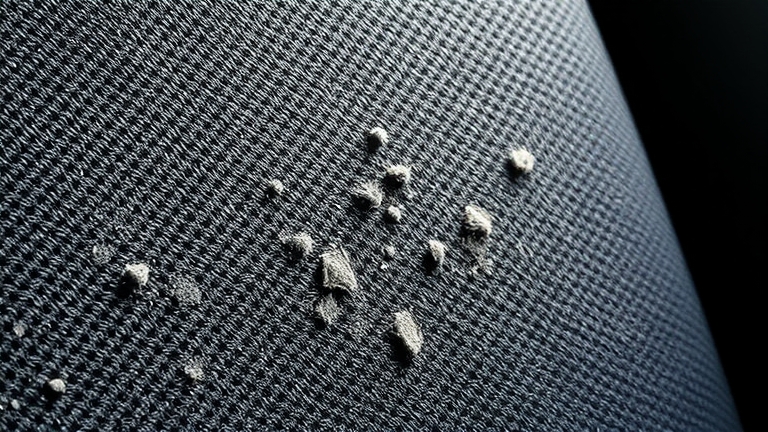 Why fabric car seats get dirty fast and why regular cleaning matters
Over time, this buildup works its way deep into the fibers and turns into stubborn, set-in stains. Ink and sunscreen residue in particular are notoriously hard to remove without a dedicated cleaning product.
Beyond looking bad, dirty fabric traps odors and creates the perfect breeding ground for mold. That doesn’t just affect the health of everyone riding in the car — it also lowers the car’s resale value.
Prepping Fabric Seats Before You Clean Them: The Essential Steps
Before reaching for NOMA 692, a little prep work goes a long way toward getting the best results.
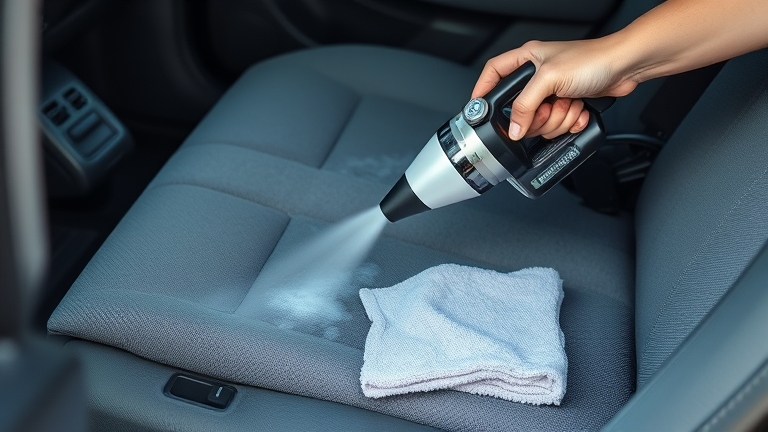 Prepping fabric seats before you clean them: the essential steps
Step 1: Vacuum the surface
Use a vacuum on medium power to remove surface dirt. Go easy — too much suction force can damage the fibers over time.
Pay extra attention to seams, edges, and folds where dust tends to collect. Make sure the seat is completely dry before moving to the next step.
Step 2: Mist with clean water to loosen the fibers
Fill a spray bottle with plain water (no cleaning agents) and lightly mist the entire seat surface. This softens up embedded dirt so NOMA 692 can penetrate the fabric more easily.
Don’t soak the seat — just enough to dampen it, with no water running off.
Step 3: Spot-test color in a hidden area (optional)
If you’re worried about NOMA 692 affecting the fabric’s color (rare, but possible with especially sensitive dyes), test one spray on a hidden spot, like under the seat edge. Wait 2–3 minutes, then wipe with a damp cloth to check the result.
How to Use NOMA 692 to Clean Fabric Car Seats the Right Way
Dosage and spray distance
NOMA 692 is formulated with strong cleaning power that’s still gentle on fabric. Spray from about 8–10 inches (20–25 cm) away from the surface, covering the dirty area evenly.
Plan on 2–3 sprays per square foot of seat. Don’t oversaturate any one spot — that creates damp patches that take longer to dry.
Safety warning: Wear gloves and avoid direct skin contact. Avoid spraying near your eyes. If it gets on your skin, rinse immediately with clean water. NOMA 692 contains active cleaning agents that can irritate sensitive skin.
Dwell time and how it works
After spraying NOMA 692, let it sit for 5–8 minutes so the formula can penetrate the fibers and break the bond between dirt and fabric. While you wait, you can gently work it in with a soft-bristled brush (the kind used for shoes).
Brush in the direction of the fabric grain, using light pressure — the goal is just to help the cleaner penetrate more evenly, not to scrub hard.
Cleaning and rinsing the fabric
Use a clean, damp cloth (or a clean sponge) to wipe down the entire treated area. Keep wiping until the cloth comes away clean, with no more dirt transferring onto it.
Next, lightly mist the seat with clean water to rinse away any remaining cleaning solution. This step matters — leftover residue can irritate skin or feel uncomfortable to sit on.
Dry with a clean towel, then open the car doors or run a fan to let it air dry completely (usually 2–4 hours).
Comparison Table: NOMA 692 vs. Other Fabric Seat Cleaning Methods and Products
| Criteria | NOMA 692 | Regular Dish Soap | Cold Water + Brush | Baking Soda Solution |
|---|---|---|---|---|
| Cleaning power | ✓ Strong, deep clean | △ Weak, stains remain | △ Difficult, labor-intensive | △ Slow, needs long soak |
| Time required | ✓ 5–8 minutes | △ 15–30 minutes | × 30–60 minutes | × 1–2 hours |
| Safe for fabric | ✓ Purpose-built formula | △ Can dry out fibers | ✓ Completely safe | ✓ Safe |
| Scent | ✓ Clean, not harsh | △ Soapy smell | × No scent | × Slightly pungent |
| Cost | ✓ One bottle covers many uses | △ Cheap soap | ✓ Free | △ Cheap baking soda |
| Good for shops/detailers | ✓ Great for DIY customers | ✓ Used daily | △ Not professional-grade | △ Rarely used |
Why NOMA 692 wins out:
NOMA 692 is formulated to professional detailing standards, lifting deep-set dirt without drying out or fading fabric. The other methods each have their upsides, but they typically take longer or deliver less consistent results.
 Comparison table: NOMA 692 vs. other fabric seat cleaning methods and products
If you run a detail shop or car wash, NOMA 692 can help boost service quality and customer satisfaction. Check out our full maintenance guide for detail shops to level up your service offering.
Ongoing Maintenance for Fabric Seats After Cleaning with NOMA 692
Recommended maintenance schedule
After your first deep clean, stick to a regular maintenance routine to keep results looking good long-term.
- Weeks 1–2: Check for any new stains or odd smells. If you spot any, do a light vacuum.
- Once a month: Lightly spray NOMA 692 on high-contact areas (armrests, the spots you sit on most).
- Every 3 months: Do a full deep clean, just like the first time.
If you regularly carry passengers (rideshare, shuttle service), bump that up to twice a month.
Tips to keep fabric seats clean longer
Use seat covers to reduce direct skin contact with the fabric. This not only keeps seats cleaner but also extends the fabric’s lifespan.
Also, try to avoid eating and drinking in the car, especially anything prone to staining like coffee or ketchup.
In warmer months, crack the windows regularly for airflow — it helps prevent sweat buildup and musty odors.
Frequently Asked Questions About Cleaning Fabric Car Seats
Will NOMA 692 fade the color of my fabric seats?
No. NOMA 692 is formulated with a neutral pH and contains no bleach or harsh acids. That said, if your fabric seats are light-colored or use lower-quality dye (common with some imported upholstery), it’s smart to spot-test first. In 99% of cases, NOMA 692 is safe and won’t cause fading.
After using NOMA 692, how long does it take for fabric seats to fully dry?
Usually 2–4 hours under normal conditions (68–77°F / 20–25°C), depending on humidity. Parking in the sun or cracking the windows and doors speeds up drying to 1–2 hours. Try to avoid repeatedly getting in and out of the car while the seat is still damp.
Can I reuse NOMA 692 again after just one week?
Yes, but stick to small, targeted spots rather than a full clean. A full seat cleaning should be spaced 1–2 months apart to avoid over-saturating and weakening the fibers. Weekly upkeep can just be a light vacuum or a light water mist — no need for NOMA 692 every time.
What kind of towel should I use to wipe fabric seats after using NOMA 692?
Use a soft microfiber towel (the kind made for car detailing) or a clean cotton towel. Avoid towels with long loose fibers or paper-backed material, since they can leave lint behind on the seat.
Is NOMA 692 suitable for premium fabric like Alcantara or suede?
Proceed with caution. Alcantara and suede are premium materials that are more delicate than standard fabric. Spot-test in a hidden area first, or check with your vehicle manufacturer to confirm compatibility. You can also reach out to NOMA’s support team for detailed guidance on cleaning these materials.
How Many Cleanings Do You Get Per Bottle of NOMA 692?
Each bottle of NOMA 692 holds 500ml, enough to fully clean the seats of a 4-seat car about 8–10 times (including light maintenance sprays). If you’re only doing full deep cleans, one bottle covers 2–3 cars.
Does cleaning fabric car seats help with resale value?
Yes. A clean, odor-free interior is one of the key factors buyers look at when evaluating a used car. Owners who maintain their interior regularly tend to make a stronger impression at the dealership and build more trust with buyers.
Conclusion
Cleaning fabric car seats isn’t hard once you have the right product and know the correct process. NOMA 692 is the smart choice thanks to its safe formula, strong results, and short turnaround time.
Start with proper prep, apply NOMA 692 following the recommended dosage, then stick to a monthly maintenance routine to keep your fabric seats clean and looking great for years to come. American-standard car care — something anyone can do at home.
References
- Automotive maintenance and detailing industry guidance

Best Glass Water-Repellent Coating for 2026: NOMA 911 vs 3M, Liqui Moly

Glass Water-Repellent Coating: How to Pick the Best One for Your Car
Glass water-repellent coating is one of the most popular DIY car-care products out there right now. It doesn’t just make water bead up and roll off your windshield when it rains — it also protects the glass from grime, extends its lifespan, and improves visibility while driving.
Market research shows that DIY car owners are paying more attention to glass water-repellent coatings because of their reasonable cost and noticeable results. NOMA 911 has earned trust for standing out in the American-style auto detailing segment.
Today, we’re breaking down glass water-repellent coatings from the major brands so you know exactly what you’re getting before you buy.
What Is a Glass Water-Repellent Coating and Why Use One?
A glass water-repellent coating is an ultra-thin protective layer applied to your car’s glass surfaces. This coating keeps water from clinging to the glass, so it beads up and rolls away in the rain or during a car wash.
The coating works through a polymer-based formula developed to international detailing standards. It helps:
- Bead water effectively in the rain, improving safe driving visibility
- Reduce grime, dust, and buildup on the glass surface
- Protect glass from rust stains and hard water spots
- Extend glass lifespan and cut long-term maintenance costs
By handling glass care at home, you cut down on detail shop costs. Most car owners apply a glass water-repellent coating once or twice a year to keep it working at its best.
Types of Glass Water-Repellent Coatings on the Market Today
Glass water-repellent products generally fall into two categories: liquid nano spray and concentrated bottle formula.
Liquid nano sprays are easy to use and great for DIY, but typically only last 1–3 months.
Concentrated formulas last longer (6–12 months), are more potent, and need to be diluted with water before use. These are the go-to choice for professional shops.
Some products also combine glass cleaning and protective coating in a single bottle, saving car owners time.
Detailed Comparison: NOMA 911 vs 3M, Liqui Moly, Meguiar, Soft99
| Criteria | NOMA 911 | 3M Perfect It | Liqui Moly Glass Clear | Meguiar Hydro | Soft99 Glaco |
|---|---|---|---|---|---|
| Format | Concentrated spray (clean + coat combined) | Foam spray | Concentrated bottle | Nano spray | Liquid nano spray |
| Durability | 4–6 months | 2–3 months | 6–9 months | 3–4 months | 2–3 months |
| Water beading | Excellent, tight 4–5mm beads | Good, 3–4mm beads | Very good, 4–5mm beads | Good, 3mm beads | Average, 2–3mm beads |
| Ease of use | Very easy (one spray = clean + coat) | Very easy (basic spray) | Moderate (needs dilution) | Easy (spray) | Easy (spray) |
| Price | Best value for the quality | High | High | Mid to high | Budget-friendly |
| Safety data / GHS disclosure | Public MSDS per GHS standards | Public | Public | Public | Public |
| Good for DIY | ✓ Excellent fit | ✓ Good fit | ◐ Moderate fit | ✓ Good fit | ✓ Good fit |
| Good for pro detail shops | ✓ Excellent | ✓ Good | ✓ Very good | ✓ Good | ◐ Average |
Overall takeaway: NOMA 911 stands out for combining glass cleaning and protective coating in one product, saving both time and money. Liqui Moly and 3M also hold up well, but they require a separate glass-cleaning step.
Why Is NOMA 911 So Highly Rated for Glass Water Repellency?
NOMA 911 is a glass water-repellent coating developed to American car-care standards. It’s designed to strip away stains and oily film from your car’s glass while applying a protective, water-repelling coating in a single step.
NOMA 911’s formula lets car owners do the job themselves at home — no detail shop required. After application, the glass looks clear and beads water effectively, with results lasting 4–6 months depending on driving conditions and weather.
That’s why NOMA 911 is a favorite among DIY car owners who want better glass care without breaking the bank. You can check out our full guide on how to apply NOMA 911 on the official website.
Price and Cost-Effectiveness Comparison
Price is an important factor when picking a glass water-repellent coating — but don’t let price alone override quality.
NOMA 911 offers the best value for the results it delivers. One bottle can treat 3–5 cars depending on window size, which works out to a very low cost per vehicle.
3M Perfect It is the priciest option in this comparison, and you’ll need to buy a separate glass cleaner, driving up the total cost.
Liqui Moly Glass Clear is pricey and requires dilution — great durability, but not ideal for DIYers without experience.
Meguiar Hydro and Soft99 Glaco are cheaper but don’t last as long, meaning you’ll be reapplying several times a year.
According to reports from professional car wash operators, choosing a longer-lasting product tends to save more money over time than a cheap one that needs frequent reapplication.
How to Choose the Right Glass Water-Repellent Coating for Your Needs
Choosing a glass water-repellent coating comes down to a few key factors:
1. Glass type and current condition
If your glass is yellowed, hazy, or has an oily film, go with a product that both cleans and coats, like NOMA 911. If your glass is already clean, a simple spray coating like Soft99 or 3M will do the job.
2. Intended use (DIY or professional)
If you’re doing your own car care at home, pick something easy to use — a spray or a clean-and-coat combo like NOMA 911. If you run a detail shop, a longer-lasting concentrated product like Liqui Moly makes more sense.
3. Local weather conditions
If you live somewhere with heavy rain, go with a product that lasts 6+ months, like NOMA 911 or Liqui Moly. In drier climates, a 3–4 month product works just fine.
4. Budget
On a tight budget, NOMA 911 offers the best price-to-quality ratio. For a premium option, go with Liqui Moly or 3M.
Check out the full NOMA glass care product lineup to see what else is available.
Common Mistakes When Applying Glass Water-Repellent Coating
Mistake 1: Not cleaning the glass thoroughly first
If the glass still has dust, dirt, or an oily film, the coating won’t bond properly. Always clean the glass first with a dedicated glass cleaner, or use NOMA 911, which combines both steps.
Mistake 2: Applying too thick or too thin a layer
Too thick and you’ll get streaks; too thin and the effect won’t be noticeable. Apply in thin layers, letting each one dry fully before adding the next.
Mistake 3: Not letting the glass fully dry
The glass needs to be completely dry (several hours after application) before it touches water. Driving too soon significantly reduces the effect.
Mistake 4: Skipping the side mirrors and side windows
Side mirror glass and side windows need coating too, for the best possible visibility and safety.
Complementary Products for Complete Glass Care
Applying a water-repellent coating is a key step, but for glass that’s truly crystal clear, pair it with other products too.
NOMA 310 prevents interior fogging on your windshield, which is especially useful in humid weather or when running the A/C.
After applying NOMA 911, if your glass still fogs up on the inside, spray on NOMA 310 to solve that problem. Together, they form a complete glass-care system from NOMA.
Frequently Asked Questions About Glass Water-Repellent Coating
Q1: How long does a glass water-repellent coating last?
It depends on the product and how you use your car. NOMA 911 lasts 4–6 months, while typical spray products only last 2–3 months. If you drive frequently in rain or strong sun, expect the effect to wear off faster.
Q2: How many times a year should I apply a glass water-repellent coating?
It depends on the product’s durability — generally 2–4 times a year. With NOMA 911 (4–6 months of durability), twice a year is enough. With standard sprays, you’ll need 3–4 applications.
Q3: Can a glass water-repellent coating damage the glass?
No — quality glass water-repellent products are all safety-tested. That said, make sure the glass is completely clean before applying to avoid trapping grime underneath.
Q4: Does NOMA 911 work on all types of car glass?
Yes, NOMA 911 works on all car glass: windshield, side windows, rear window, and side mirrors. Just avoid using it on auto-dimming mirrors, if your car has them.
Q5: How do I know when a glass water-repellent coating has worn off?
Once the coating loses effectiveness, water stops beading and starts clinging to the glass instead — you’ll see it running down in streaks rather than rolling off in beads. That’s your sign to reapply.
Q6: Do I need to wash the car before applying a water-repellent coating?
Yes, cleaning the glass beforehand is a must. Dust, dirt, or oil will prevent the coating from bonding properly.
Conclusion: Choosing the Best Glass Water-Repellent Coating for Your Car
A glass water-repellent coating is an important part of car care, and each product brings its own strengths to the table. If you want the best balance of price and performance, NOMA 911 is the answer — it combines cleaning and protection, lasts 4–6 months, and is ideal for DIY use.
If you want the longest possible durability, Liqui Moly Glass Clear or 3M Perfect It are solid professional-grade picks, though pricier. On a tighter budget, Soft99 or Meguiar still get the job done, just with more frequent reapplication.
Whichever product you choose, remember to clean the glass thoroughly, let it dry completely, and apply evenly for the best results. Start giving your car’s glass the professional-grade care it deserves today.
References
- Reports from professional car wash operators
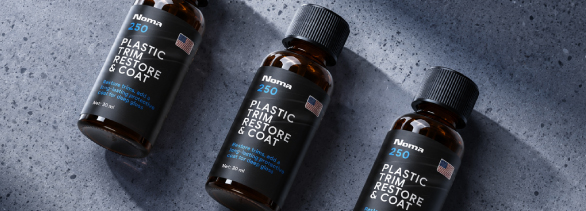
Black Trim Restoration: NOMA 250 vs Liqui Moly — Which One Should You Choose?
Black Trim Restoration — Finding the Best Solution
Black plastic trim on your car (wheel arch moldings, rocker panels, roof racks, spoilers) tends to fade and crack after prolonged exposure to sun, rain, and dust. Restoring black trim doesn’t just make your car look newer — it also protects the surface from UV damage.
Today, there’s no shortage of black trim restorer products on the market. Two that stand out are NOMA 250, from the American-founded brand NOMA, and products from Liqui Moly and Soft99. Each has its own strengths and weaknesses. This article breaks down the comparison so you can make the right call.
What Is Black Trim Restoration — and Why Bother?
Black plastic trim (typically polypropylene or ABS) loses its original sheen after a year or two, fading to a dull gray or brownish tint. The main culprits are UV rays, acidic rainwater, road salt, and everyday grime.
Black trim restorer products work by:
-
- Filling in the tiny micro-grooves on faded black plastic.
-
- Creating a glossy coating that brings back that deep, original black look.
-
- Adding a light layer of protection against UV and water.
According to detailing industry care reports, regular restoration can extend the life of black trim surfaces by 2–3 years when maintained properly.
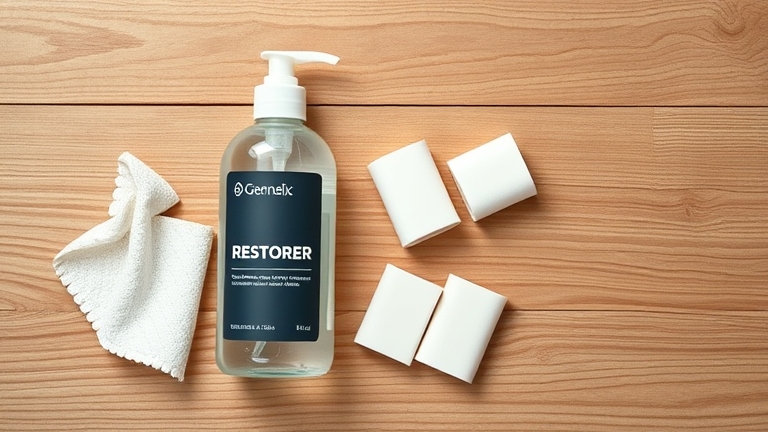
What Is NOMA 250 — Key Features
NOMA 250 is a restorer for textured and faded plastic trim made by NOMA — an American-founded brand focused on DIY car care. It’s manufactured through an international OEM partner to ISO standards.
 What Is NOMA 250 — Key Features
Key ingredients:
NOMA 250 uses protective polymers and natural silicone oils (not silicone oxide). This formula restores gloss to black trim without attracting dust too quickly.
Standout features:
-
- Visible results after the very first application (trim looks glossy again right away).
-
- Dry time: 15–20 minutes; safe to drive after 30 minutes.
-
- Durability: 3–4 weeks per application (assuming no pressure washing or heavy scrubbing).
-
- Mild scent, skin-safe (just wash your hands after use).
Be sure to check out our full guide on restoring and maintaining plastic trim for the proper process.
Liqui Moly — Pros and Cons
Liqui Moly is a German lubricant and car-care chemical brand available in Vietnam through importers. Their black trim restorer is also widely used.
Pros:
-
- A long-established, globally trusted brand.
-
- Easy-to-apply formula, dries fast.
-
- Very glossy results in the first week.
Cons:
-
- Priced roughly 30–50% higher than NOMA 250 in Vietnam.
-
- Shorter durability (2–3 weeks with frequent washing).
-
- Strong chemical smell — needs good ventilation.
-
- Some users note it attracts dust faster if the car sits outside for long periods.
Detailed Comparison: NOMA 250 vs Liqui Moly vs Soft99
| Criteria | NOMA 250 | Liqui Moly | Soft99 | |
|---|---|---|---|---|
| Country of origin | USA | Germany | Japan | |
| Best for | Black trim, textured plastic | Standard black trim | Black trim, ribbed panels | ✓ |
| Dry time | 15–20 min | 10–15 min | 20–25 min | |
| Durability | 3–4 weeks | 2–3 weeks | 3–4 weeks | |
| Scent | Mild, pleasant | Strong | Moderate | |
| Price (relative) | 100 | 130–150 | 110–120 | |
| Visual result | Natural gloss | Very glossy, high-shine | Glossy, not overdone | |
| Skin safety | Wash hands after use | Gloves recommended | Wash hands after use | |
| Dust resistance | Good | Average | Good |
How to Restore Black Trim — Basic Steps
Whether you’re using NOMA 250 or any other product, the basic process is the same:
Step 1: Clean the surface
Wash the plastic thoroughly with soap and water. Dry completely.
Step 2: Apply the product
Spray evenly over the black trim (or spray onto a cloth and wipe it on). Don’t overapply — a thin, even coat is all you need.
Step 3: Let it dry
Wait 15–20 minutes (depending on the product). Avoid rubbing the surface or getting it wet during this time.
Step 4: Buff it out
Buff the surface with a soft microfiber cloth to even out the shine and remove any streaks.
Trim Restoration vs. Paint Correction — What’s the Difference
Many car owners confuse black trim restoration with paint correction detailing. Here’s the difference:
Trim restoration (NOMA 250, Liqui Moly):
-
- Used on plastic surfaces (wheel arches, rocker panels, door trim, spoilers).
-
- Gentle, non-abrasive formula.
-
- Lasts 3–4 weeks, needs regular reapplication.
Paint correction/polishing:
-
- Used on the car’s main paint and clear coat.
-
- Contains micro-abrasives, typically requires a polishing machine.
-
- Removes scratches and oxidation, restoring the paint’s shine.
-
- Longer-lasting results (6–12 months).
If you just want to refresh your black trim, restoration is the quick, budget-friendly choice. If your paint itself is scratched or dull, you’ll need dedicated paint correction instead.
Price Comparison — Long-Term Cost
Looking at cost over time:
-
- NOMA 250: ~$4–6 per bottle (80–100ml), good for 10–15 applications (about $0.40–0.60 per use).
-
- Liqui Moly: ~$6–8 per bottle, good for 8–10 applications (about $0.60–1.00 per use).
-
- Soft99: ~$5–7 per bottle, good for 8–12 applications (about $0.40–0.80 per use).
If you restore your trim monthly (to keep that optimal shine):
-
- NOMA 250: ~$4–6/year.
-
- Liqui Moly: ~$6–8/year (roughly 50% more).
-
- Soft99: ~$5–7/year.
Frequently Asked Questions (FAQ)
 Frequently Asked Questions (FAQ)
Q1: Does NOMA 250 work on all types of plastic trim on my car?
Yes. NOMA 250 is designed for ABS and polypropylene plastic (found on wheel arches, rocker panels, door trim, spoilers, and floor mats). That said, if the trim has a matte-finish coating, results may be less pronounced.
Q2: Can I use NOMA 250 on my car’s paint?
No. NOMA 250 is formulated for plastic only. Using it on paint will leave a sticky film that’s hard to remove.
Q3: What does “lasts 3–4 weeks” actually mean — do I need to reapply?
Yes. After 3–4 weeks, the protective layer wears down from rain, dust, and UV exposure, and the trim will gradually start looking dull again. To keep it looking fresh, plan on reapplying every four to six weeks.
Q4: Is NOMA 250 safe to use?
Yes, when used as directed. The product complies with GHS (Globally Harmonized System) standards. Just remember to wash your hands after use, avoid prolonged skin contact, and don’t inhale the spray directly. If you’re working in an enclosed space, open a window for ventilation.
Q5: Should I go with NOMA 250 or Liqui Moly — which is better?
NOMA 250 is the smarter pick if price, durability, and overall value matter most to you. Liqui Moly is worth it if you want an ultra-glossy result right out of the gate and don’t mind paying more. At the end of the day, both do a solid job of restoring black trim.
Q6: Is there a way to make the results last longer?
Yes. After restoring the trim, avoid parking in direct sun for extended periods. Wash your car gently (skip the pressure washer around trim). If your car sits outside a lot, consider a car cover. Reapplying every 2–3 weeks tends to work better than waiting the full 3–4 weeks each time.
Q7: Does NOMA 250 leave the surface damp or slippery?
No. NOMA 250 only adds gloss to the plastic surface — it doesn’t leave things damp or slippery. That said, if you apply too much and don’t wipe off the excess, it can feel temporarily damp — just buff it dry with a clean cloth.
Conclusion — How to Choose a Black Trim Restorer
Restoring black trim is a basic but important part of car care — it keeps your exterior looking fresh and better protected. Comparing NOMA 250 against Liqui Moly and Soft99, NOMA 250 stands out for offering the best value for the price.
Choose NOMA 250 if:
-
- You want strong results without overpaying.
-
- You prefer a safer product with a milder scent.
-
- 3–4 weeks of durability fits your routine.
-
- You plan to reapply once or twice a month as a DIY job at home.
Choose Liqui Moly if:
-
- You want a noticeably high-shine finish right from the first use.
-
- You’re fine paying 30–50% more.
-
- You prefer a well-known international brand.
Final tip: Whichever product you choose, proper application technique is what really matters — clean surface, thin coat, natural dry time. That’s the real key to great results. Restoring your black trim every 1–2 months will keep your car looking fresher than doing it once every four months.
Get started with NOMA 250 today and see the difference for yourself. American-style car care isn’t just for professional detail shops — any car owner can do it at home.
References
- Detailing industry car care reports