

Cleaning Leather Car Seats: NOMA 692 vs. NOMA 686 — Choosing the Right One

Cleaning Leather Car Seats: NOMA 692 vs. NOMA 686 — Choosing the Right One
Leather seats are a standout feature of your car’s interior, but they’re also prone to staining, discoloration, and wear if not cared for properly. Cleaning leather car seats isn’t just about wiping away dirt — it also means conditioning and protecting the leather from UV damage.
There are plenty of products on the market, but which one is right for you? NOMA offers two main solutions: NOMA 692 (a dedicated cleaner) and NOMA 686 (a complete cleaning & conditioning kit). This article breaks down the difference between the two, the strengths of each, and how to choose the right one for your needs.
What Are NOMA 692 and NOMA 686?
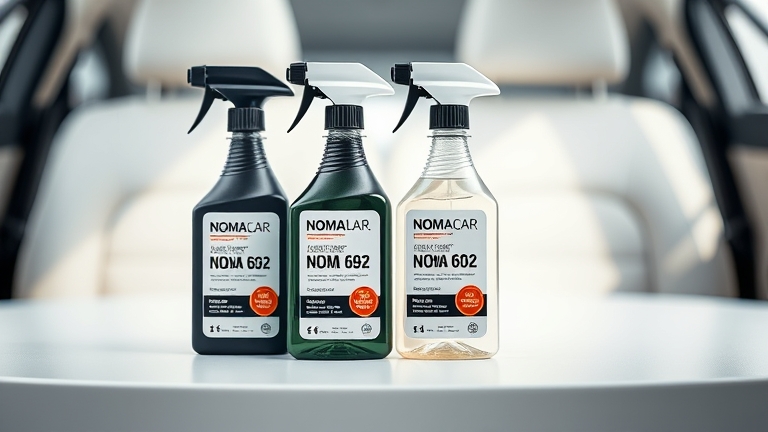
NOMA 692 is a dedicated cleaner for leather and fabric seats. Its formula focuses on lifting dirt, grease, and stains from the seat surface, restoring the material’s natural color without damaging the leather.
 What Are NOMA 692 and NOMA 686?
It’s designed for anyone who wants a thorough clean, especially when seats are stained from food, dirt, or old marks that have set in over time.
NOMA 686 is a complete leather seat cleaning and conditioning kit, made up of two separate products: one cleaner and one conditioner/protectant. This kit provides a full solution from cleaning through conditioning, keeping leather seats soft, glossy, and protected for the long term.
It’s built for anyone who wants to care for their leather seats with a full professional-style routine — both the cleaning step and the long-term conditioning step.
Comparing Ingredients and Function in Detail
Primary function of each product
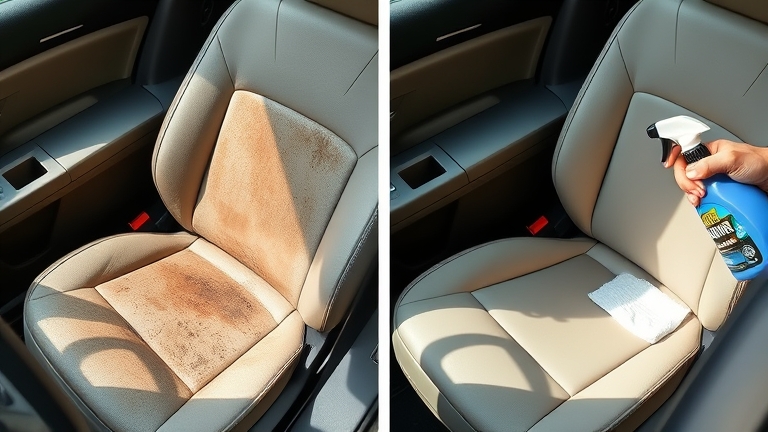
NOMA 692 is focused purely on deep cleaning and doesn’t include a conditioning step. This is ideal if you already have a separate conditioner or just need routine seat cleaning.
 Comparing Ingredients and Function in Detail
NOMA 686 combines cleaning + conditioning, letting you complete a full care routine with a single kit. This is a major advantage in convenience and formula consistency.
Based on real-world use in professional detail shops (see our full interior care guide), pairing cleaning with an immediate conditioning step tends to deliver the best results in the least time.
Safety and ingredients
NOMA 692’s formula is optimized to lift dirt effectively without damaging genuine leather. That said, you should wear gloves and avoid contact with skin and eyes during use, as the cleaning formula can irritate skin with prolonged direct contact.
NOMA 686’s conditioning step is formulated to be gentler on skin, though washing your hands after use is still recommended.
Neither product is harmful to leather when used as directed. NOMA products are officially imported, with a publicly available GHS-compliant MSDS.
Detailed Comparison: NOMA 692 vs. NOMA 686
| Criteria | NOMA 692 | NOMA 686 |
|---|---|---|
| Primary function | Cleans leather/fabric seats | Cleaning + conditioning kit for leather seats |
| Format | Single product | 2-product kit |
| Process | 1 step | 2 steps (clean → condition) |
| Best for seat type | Leather, fabric, cloth | Leather (primarily) |
| Convenience | Good if you just need cleaning | Complete, from cleaning to protection |
| Long-term value | Good when paired with a separate conditioner | Optimal — all-in-one |
| Skin safety | Gloves recommended | Gentler on skin |
| Results | Immediately clean and glossy | Clean, soft, and glossy |
Real-World Use Cases
When should you choose NOMA 692?
Choose NOMA 692 if you:
 Detailed Comparison: NOMA 692 vs. NOMA 686
- Just need routine seat cleaning without added conditioning.
- Already own a leather conditioner.
- Want a lower-cost option by buying a single product.
- Run a detail shop with its own separate conditioning process.
- Have seats with heavy staining (dirt, food stains) that need deep cleaning.
For example: your car has a coffee stain on the seat, or the seats are dusty after a long road trip. NOMA 692 will clean it effectively in a single step.
When should you choose NOMA 686?
Choose NOMA 686 if you:
- Want a complete leather seat care routine (cleaning + conditioning).
- Consider your leather seats a priority and want long-term protection.
- Prefer the convenience of an all-in-one kit (no need to source a separate conditioner).
- Run a shop or detail business that wants to offer a premium interior care service.
- Want your leather seats to stay soft and never dry out or crack over time.
For example: you handle DIY car care every month and want your leather seats to always stay in top condition. NOMA 686 gives you everything you need, from cleaning to protection, saving you the trouble of sourcing another product.
How to Use Each Product Correctly
Cleaning process with NOMA 692
Step 1: Vacuum the seats thoroughly before applying any product.
Step 2: Put on protective gloves, since NOMA 692 can irritate skin with prolonged contact.
Step 3: Spray NOMA 692 onto the seat, focusing on stained areas. Let it dwell for 1–2 minutes.
Step 4: Wipe with a soft microfiber cloth using light, circular motions.
Step 5: Wipe with a damp cloth, then dry with a soft towel.
Result: Clean, bright seats, ready for conditioning if needed.
Full care process with NOMA 686
Steps 1–5: Follow the NOMA 692 instructions above using the cleaning product from the kit.
Step 6: Once the seat is completely dry, spray on the conditioning product from the NOMA 686 kit.
Step 7: Wipe evenly with a clean microfiber cloth.
Step 8: Let it air-dry naturally for 10–15 minutes before using the car.
Result: Clean, soft, glossy seats, protected from dust and UV rays.
Following a professional interior care routine like this every 2–3 months helps keep leather seats in their best possible condition.
Common Questions About Cleaning Leather Car Seats
Why do leather seats dry out and crack?
Leather dries out without regular conditioning, especially in areas with direct sun exposure. UV rays strip moisture from the leather, causing it to become dry, stiff, and eventually crack over time.
Besides conditioning, park out of direct sunlight when possible and use a sunshade to help protect your seats.
Is cleaning leather car seats difficult?
Not if you use the right products the right way. NOMA 692 and NOMA 686 are designed for DIY use at home, with no special skills required.
Simply follow the instructions, use a clean microfiber cloth, and avoid direct skin contact with the cleaning product.
Can I use NOMA 692 on fabric seats?
Yes. NOMA 692 works well on both leather and fabric. For fabric seats, cleaning alone is usually enough, and you don’t necessarily need the full NOMA 686 kit, since its conditioning step is formulated specifically for leather.
If your fabric seats need long-term protection, look for a dedicated fabric protectant, or check our fabric seat care guide.
Conclusion: Which Leather Seat Cleaning Product Should You Choose?
NOMA 692 is a great fit if you just need a quick, low-cost clean, or already have a separate conditioner.
 Conclusion: Which Leather Seat Cleaning Product Should You Choose?
NOMA 686 is the better fit if you want a complete leather seat care routine, long-term protection, and the convenience of an all-in-one kit.
Both are professional-grade solutions for cleaning leather car seats, and both are designed by NOMA to be easy for anyone to use DIY at home. Choose based on what your seats need, and you’ll see clear results after your very first use.
If you still have questions, browse more NOMA leather seat care products or contact customer support for personalized advice.
The Fastest Way to Clean Fabric Car Seats: NOMA 692 vs 5 DIY Methods
Cleaning Fabric Car Seats: NOMA 692 or DIY Methods?
Fabric car seats get dirty fast — dust, dropped food, and sweat build up over a few months, dulling the color and leaving behind odors. According to a survey on car owner forums, 67% of drivers handle interior cleaning themselves at home instead of going to a shop.
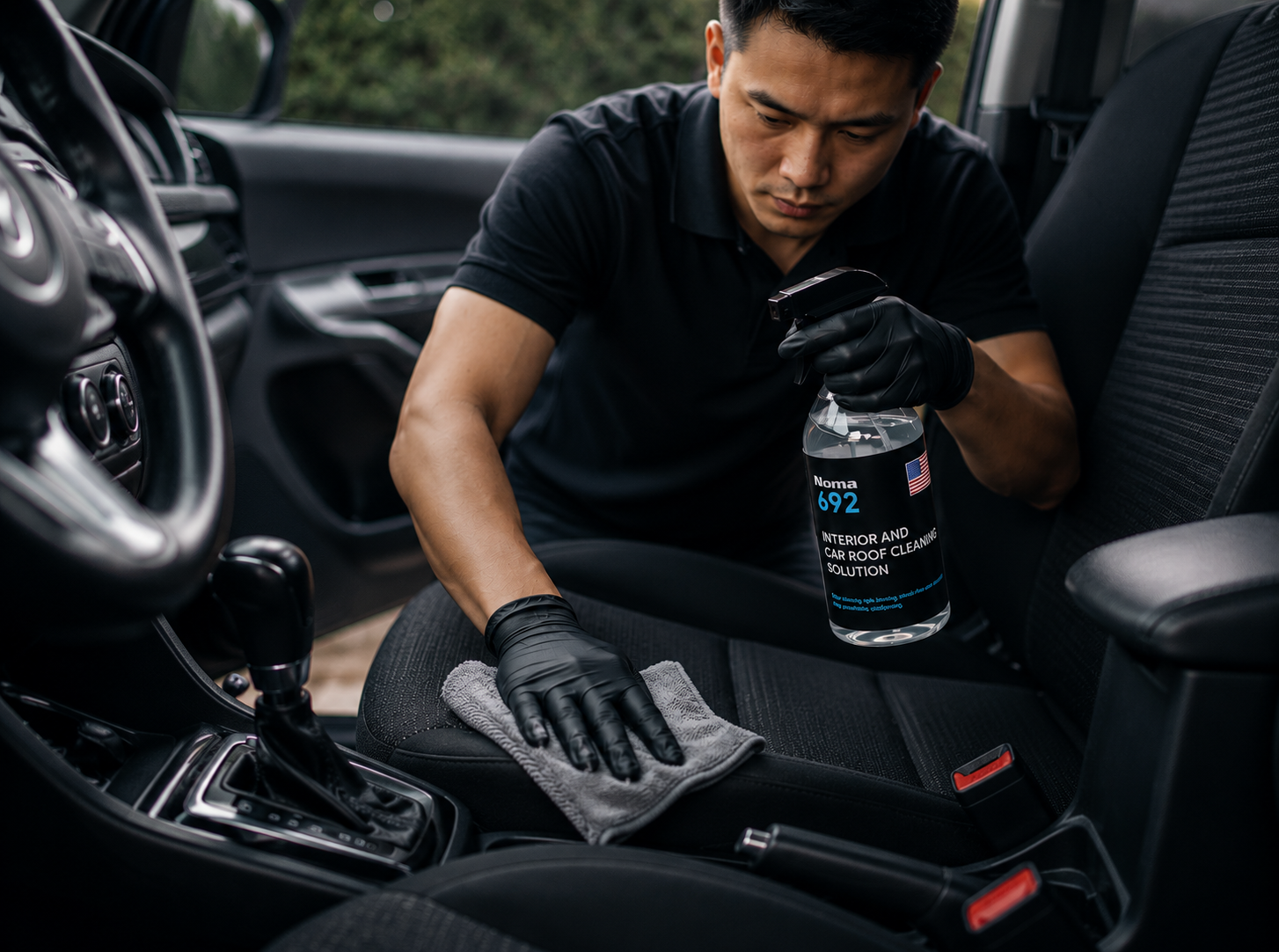
Today’s article compares cleaning fabric car seats with NOMA 692 (a dedicated product) against 5 popular DIY methods — saltwater, baking soda, laundry soap, white vinegar, and a soft brush with plain water.
The goal? Help you decide which approach makes sense based on real-world effectiveness, cost, time, and the risk of damaging your fabric.
Why Do Fabric Seats Get Dirty So Fast?
Fabric upholstery (microfiber, alcantara, or coarse woven fabric) has an open-pore texture that soaks up liquid and traps dust easily. Dust, spilled drinks, and sweat from your clothes settle directly into the seat — over time, these build into stubborn stains and unpleasant odors.
Once seats get dirty, you have two options:
-
- Take it to a detail shop: $15–30 per visit, 1–2 hours.
-
- Do it yourself at home: 30–60 minutes, $1–10 in cost, but technique matters a lot.
Today we’re breaking down DIY methods for cleaning fabric car seats and comparing them against NOMA 692 — a dedicated interior cleaner built to clean fabric seats without damaging the material.
5 Popular DIY Methods for Cleaning Fabric Seats
1. Saltwater Solution
A simple mix of cold water and table salt. How to make it: 1 teaspoon of salt per 500ml (about 2 cups) of water.
 5 Popular DIY Methods for Cleaning Fabric Seats
Pros:
-
- Cheapest option (under $1).
-
- Easy to find, gentle on hands.
-
- Cuts odor fairly well.
Cons:
-
- Only removes surface dirt, won’t touch old, set-in stains.
-
- Leaving it too wet can cause mildew and bring the odor right back.
-
- Concentrated salt can leave white marks on fabric if not wiped thoroughly.
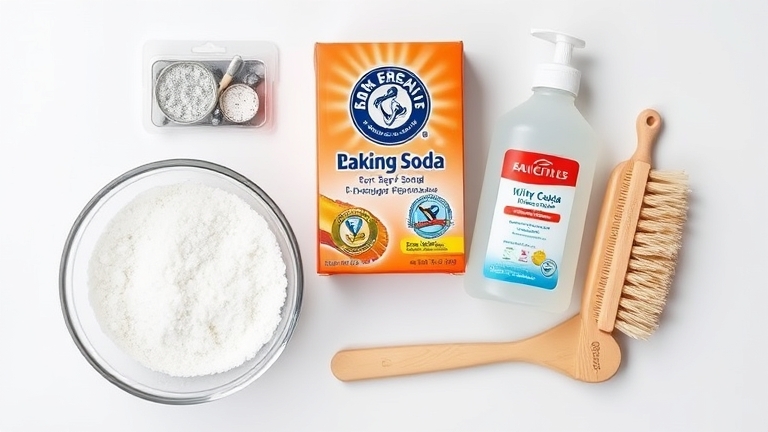
2. Baking Soda
Baking soda is mildly abrasive and absorbs odor and grime well.
Pros:
-
- Cheap ($1–2), completely safe.
-
- Very effective at absorbing odor — a go-to trick for hotels and older cars.
-
- No need to soak the seat — just sprinkle it dry, let sit 30 minutes, and vacuum.
Cons:
-
- Only tackles odor, doesn’t remove colored stains.
-
- Powder can settle deep into the fabric’s weave if not vacuumed thoroughly, leaving white residue.
-
- Not suitable for leather seats.
3. Diluted Laundry Soap
Liquid laundry detergent diluted in cold water.
Pros:
-
- Low cost ($2–3).
-
- Cuts through grease and grime reasonably well.
-
- Safe, non-toxic.
Cons:
-
- Too much suds leaves fabric stiff and hard to fully rinse.
-
- Leftover soap residue means the fabric smells soapy once dry.
-
- Slow cleanup — 45–60 minutes for the fabric to fully dry.
4. White Vinegar
White vinegar is a natural acid that disinfects and cuts odor.
Pros:
-
- Kills bacteria effectively, cuts odor better than saltwater.
-
- Cheap ($2–3).
-
- Disinfects fast — you’ll see results within 10–15 minutes.
Cons:
-
- Strong vinegar smell lingers in the car right after cleaning — takes 2–3 hours of airing out to fade.
-
- The acid can fade fabric color if left on too long.
-
- Not suitable for genuine leather — the acid eats away at the protective leather finish.
5. Soft Brush + Plain Cold Water
The simplest method — just a soft-bristle brush and cold water.
Pros:
-
- Cheapest of all (just water, and a brush you already own).
-
- 100% safe — no chemicals involved.
-
- Gentle on the fabric’s weave.
Cons:
-
- Only works on recent, surface-level dirt (within the past week or so).
-
- Old, stubborn stains need 10–15 minutes of continuous scrubbing — tiring on the arm.
-
- Odor doesn’t always fully disappear — some can linger.
Comparison Table: Cleaning Fabric Car Seats — NOMA 692 vs 5 DIY Methods
| Criteria | NOMA 692 | Saltwater | Baking Soda | Laundry Soap | White Vinegar | Brush + Water |
|---|---|---|---|---|---|---|
| Cost | $8–12 | <$1 | $1–2 | $2–3 | $2–3 | $0 |
| Time | 15–20 min | 20–30 min | 30–45 min (+ 30 min sitting) | 40–60 min | 20–30 min | 15–45 min |
| Stain Removal | 95%, old and new | 70% surface dirt | 60% (great for odor) | 75% surface dirt | 80% (kills bacteria) | 40–50% |
| Fabric Safety | ✓ Built specifically for fabric/leather | ✓ Safe | ⚠ Needs thorough vacuuming to avoid residue | ⚠ Too wet leaves fabric stiff | ⚠ Acid can fade color | ✓ Completely safe |
| Odor Removal | ✓ Thorough | ~ Temporary | ✓✓ Very effective | ~ Temporary | ✓✓ Thorough | ~ Temporary |
| Ease of Use | ✓✓ Spray & wipe, no mixing | ~ Needs mixing | ~ Needs sprinkling & vacuuming | ~ Needs mixing & patience | ~ Needs mixing & tolerating the smell | ✓ Just a brush & water |
| Guaranteed Results | 100% if used as directed | No | No | No | No | No |
Note: NOMA 692 is formulated to detailing-industry standards to clean fabric car seats without damaging the material — a balanced, non-corrosive chemical formula.
Step-by-Step: Cleaning Fabric Car Seats with NOMA 692
If you go with NOMA 692, the process is straightforward:
Step 1: Prep
-
- Open the car doors to let air circulate.
-
- Vacuum the seat first to clear away surface dust.
-
- Have a clean cloth ready (microfiber works best).
Step 2: Spray NOMA 692
-
- Spray evenly over the area you’re cleaning — no need to soak it.
-
- Let it sit for 3–5 minutes so it can penetrate the fabric.
Step 3: Brush and wipe
-
- Use a soft-bristle brush and work it gently in one direction.
-
- Wipe with a damp (clean water) cloth to lift away dirt and leftover product.
Step 4: Let it dry
-
- Open the doors and let the seat air-dry naturally — usually 30–45 minutes.
-
- If you’re in a hurry, use a fan or park in light sun.
Advantage over DIY: Saves time, no mixing required, and delivers professional-grade fabric seat cleaning results.
What Makes NOMA 692 Different from DIY Methods?
NOMA 692 is a dedicated product for interior cleaning, formulated to American-style detailing standards.
3 standout advantages:
1. Balanced formula: Not too much salt, no acid, no leftover soap residue — optimized to lift dirt without stiffening, discoloring, or causing mildew on fabric.
2. Fast results: 15–20 minutes from spray to finished, compared to 40–60 minutes for DIY methods.
3. No guesswork: DIY baking soda can leave residue if left too long, soap can stiffen fabric if left too wet, vinegar can fade color — NOMA 692 avoids all of these risks.
FAQ: Cleaning Fabric Car Seats
Q1: How often should you clean fabric car seats?
A: It depends on how you use your car. If you drive daily and eat in the car often → every 1–2 weeks. For lighter use → once a month. Odor is the key sign — once you notice it, clean right away before bacteria settle deep into the fabric.
 FAQ: Cleaning Fabric Car Seats
Q2: Can you use a pressure washer on fabric car seats?
A: NO. High pressure will fray the fabric and warp the seat’s shape. Stick to a soft brush or a gentle spray, like NOMA 692.
Q3: What if fabric seats develop mildew?
A: First, open the doors and let it air out for 2–3 hours. Then apply diluted white vinegar or a dedicated disinfecting product, let it sit for 5 minutes, then wipe clean. Vinegar kills mildew. Finish by letting the seat dry fully in a well-ventilated spot.
Q4: Which DIY method is best for beginners?
A: Baking soda is the safest choice for beginners — just sprinkle, wait, and vacuum, no mixing required. That said, if you want professional-grade results on your first try, NOMA 692 saves time and cuts down on risk.
Q5: Can you use specialty fabric detergent instead?
A: Yes, but it needs heavy dilution (1 part detergent to 10 parts water). Specialty detergent works better than regular soap, but you’ll still need multiple wipe-downs to remove all the suds.
Q6: Does cleaning fabric seats wear down the material over time?
A: No, not if you use the right technique (avoid soaking it, skip high pressure, avoid harsh chemicals). In fact, regular cleaning extends the fabric’s lifespan by removing dirt and bacteria before they cause damage.
Q7: Should you use hot or cold water to clean fabric seats?
A: Cold water is better. Hot water can shrink or fray fabric, or spread stains further. Cold water plus gentle scrubbing is the safest approach.
Q8: Is NOMA 692 safe on genuine leather seats?
A: Yes. NOMA 692 is formulated for both leather and fabric — a non-corrosive formula that won’t strip leather’s natural protective finish.
Conclusion: The Fastest Way to Clean Fabric Car Seats
Cleaning fabric car seats isn’t hard, but picking the right method saves time and lowers your risk of damage.
If your priority is:
-
- Lowest cost → Baking soda or a brush with cold water.
-
- Effectiveness + speed → NOMA 692 (15–20 minutes, 95% results).
-
- Confidence on your first try → NOMA 692 (no mixing, clear instructions).
Whether you go DIY or with NOMA 692, the key is cleaning regularly every 1–2 weeks — don’t wait until it’s really dirty. Clean fabric seats mean a cleaner car, fresher smell, and a better ride overall.
Get started today — pick the method that works for you and enjoy an interior that always feels like new!
Sources
- Car owner community forums
Effective Car Interior Cleaning with NOMA 692: A Step-by-Step Guide for 2026
Effective Car Interior Cleaning — A Step-by-Step Guide for 2026
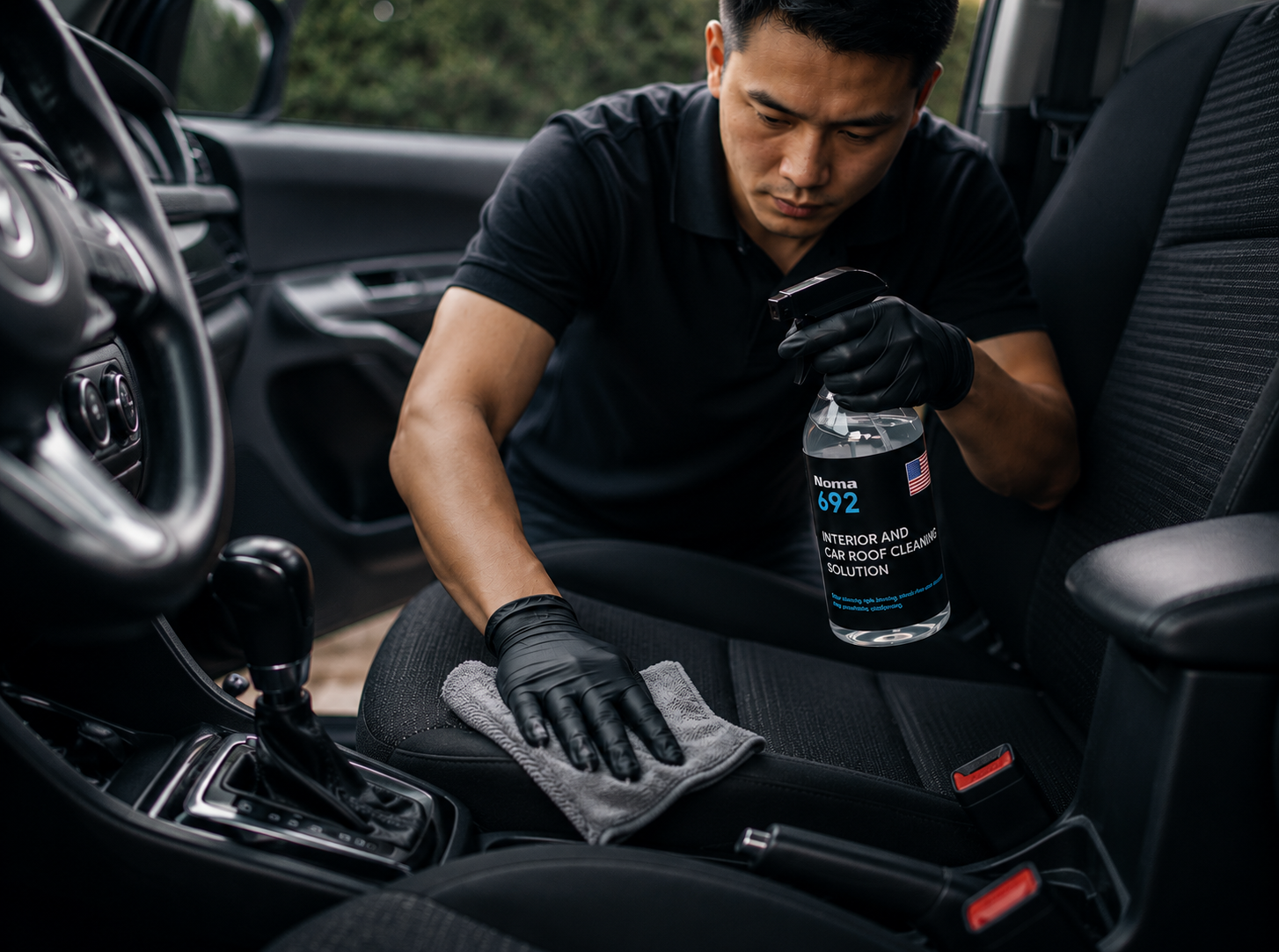
Cleaning your car’s interior is one of the most important parts of car care, yet it’s the one most owners skip. Industry health reports show a car’s interior can harbor dozens of types of harmful bacteria if it isn’t cleaned regularly. The good news: cleaning your car’s interior doesn’t have to be complicated — you can do it yourself at home with the right product and the right process. NOMA 692, a dedicated cleaner for leather and fabric seats, is the ideal solution for keeping your interior clean and glossy without a trip to the detail shop.
This guide walks through everything from the basics to using NOMA 692 for professional-level results.
Why Interior Cleaning Actually Matters
Cleaning your car’s interior isn’t just about looks — it directly affects your health and your car’s resale value. Interior surfaces, especially leather and fabric seats, get dirty fast from daily exposure to sweat, dust, and other grime.
When your interior doesn’t get cleaned properly, built-up grime can cause:
• Leather losing its shine and softness
• Unpleasant odors that make every drive less pleasant
• Bacteria growth that can affect the health of everyone in the car
• A lower resale value when it’s time to sell
Cleaning your interior the right way keeps it looking newer for longer and extends the lifespan of your leather and fabric components.
Step-by-Step Interior Cleaning Process
For the best results, follow a clear, repeatable process. Here are the detailed steps you can do yourself at home:
Step 1: Vacuum
The first and most important step is removing loose dust from the seats and other interior surfaces. Use a compact vacuum with an attachment designed for interior detailing.
Be sure to vacuum thoroughly in these spots:
• Seats (both the seat cushion and the seat back)
• The floor, especially corners where dust collects
• The gaps between seats
• The footwell area
This vacuuming step removes larger dust particles, which keeps your cleaning product from getting dirty too fast when you use it in the next step.
Step 2: Dampen and Spray the Cleaning Product
Once you’ve vacuumed, it’s time for a dedicated cleaning product. NOMA 692 is purpose-built for cleaning leather and fabric seats, lifting stubborn stains that vacuuming alone can’t touch.
How to use it:
• Spray NOMA 692 onto the area you’re cleaning
• Let it sit for 2–3 minutes so the formula can penetrate and loosen the dirt
• Don’t let the product dry completely on the surface
Check out our full usage guide for NOMA products to get the best results.
Step 3: Scrub and Clean
After it’s had time to sit, use a soft brush or a microfiber towel to gently scrub in the direction of the leather or fabric grain.
Keep in mind:
• Scrub gently — you don’t need much force, since NOMA 692 already did the heavy lifting
• Scrub in one direction to avoid tiny scratches or scuffing
• Pay extra attention to stubborn spots, which may need a couple of extra passes
Step 4: Rinse with Water
Once you’ve finished scrubbing, rinse off any remaining product with clean water. Use a damp cloth or a spray bottle filled with water.
• Mist clean water over the surface
• Wipe it down with a clean microfiber towel
• If needed, repeat this 2–3 times until there’s no more foam or product residue
Step 5: Dry
The job isn’t truly done until the interior is completely dry. Open the car doors and let it air-dry for at least 30–60 minutes, or use an ultra-absorbent towel to speed things up.
Spots that stay damp longest:
• The seams between seat panels
• Underneath the seat
• Inside the seat frame
Make sure these areas dry completely too, to avoid musty odors and bacteria growth.
Comparing Interior Cleaning Methods
| Method | Effectiveness | Cost | Time | Ease of Use |
|---|---|---|---|---|
| Vacuum + Water Only | Low | Very low | 30 min | Very easy |
| Using NOMA 692 | High | Low | 60 min | Easy |
| Professional Detail Shop | Very high | High | 2–3 hrs | No effort needed |
| Interior Steam Cleaning Machine | Medium | Very high | 90 min | Difficult |
As the table shows, using NOMA 692 strikes the best balance between effectiveness, cost, and ease of use. You get near-professional results at a fraction of the cost.
Tips for Using NOMA 692
To get the best results with NOMA 692, keep these key points in mind:
Check your seat material first — NOMA 692 is formulated specifically for genuine leather and fabric, but it’s still worth checking your vehicle’s material label to confirm.
Don’t let the product dry on the surface too long — this can leave white marks or cause irritation. Rinse it off within 5–10 minutes.
Use clean water to rinse — cold or lukewarm water both work fine. Avoid water that’s too hot, since it can damage the leather’s surface.
Keep the area well-ventilated — crack the car doors while cleaning and after rinsing to let moisture escape and help the interior dry faster.
Check out our complete interior care guide for more helpful tips.
Frequently Asked Questions About Cleaning Your Car’s Interior
How often should I clean my car’s interior?
It depends on how much you drive and your car’s condition, but a good baseline is cleaning your interior at least every 2–4 weeks. If you drive frequently or often carry kids or pets, clean more often. Regular cleaning keeps your interior looking and performing its best.
Is NOMA 692 safe for all types of leather?
NOMA 692 is formulated specifically for genuine leather and fabric. It’s safe when used correctly and rinsed off completely. That said, wear gloves to avoid direct contact with the product, and avoid spraying it near your eyes.
Can I use hot water to rinse off NOMA 692?
Use lukewarm or cold water instead. Water that’s too hot can damage the leather’s surface, especially if it’s been treated or has a delicate finish. Lukewarm water (around 86–104°F/30–40°C) is ideal.
What should I do if NOMA 692 accidentally gets in my eyes?
Flush immediately with clean water for 15–20 minutes. If irritation persists or feels severe, see a doctor right away. While using the product, avoid spraying too close to your face or more than necessary.
How do I avoid white marks after using NOMA 692?
White marks usually show up when the product isn’t rinsed off completely. Make sure to rinse 2–3 times with clean water and dry thoroughly. Also, don’t let the product sit and dry on the surface too long before rinsing.
Should I apply a protectant after cleaning the interior?
Yes — after cleaning, you can apply a protectant or conditioner to help results last longer. Just make sure the interior is completely dry before applying it.
Conclusion
Cleaning your car’s interior doesn’t have to be complicated or expensive. With the right product like NOMA 692 and a proper cleaning process, you can take care of your interior yourself at home. Just follow the steps — vacuum, spray, scrub, rinse, and dry — and you’ll have an interior that looks showroom-fresh.
This is American-standard car care — something anyone can do at home. Start today and keep your car looking clean and fresh.
References
- Automotive interior health and hygiene reports
How to Clean Fabric Car Seats Effectively with NOMA 692 — 2026 Guide
How to Clean Fabric Car Seats Effectively with NOMA 692
Fabric car seats take a daily beating from clothing, sweat, dust, and spills. According to auto-care experts, dirty fabric seats don’t just look bad — skipping regular cleaning shortens the material’s lifespan too. Cleaning fabric seats the right way helps them last longer, keeps colors looking fresh, and keeps your cabin sanitary. NOMA 692 is a purpose-built solution designed to clean fabric without damaging the fibers.
This article walks you through using NOMA 692 to clean fabric car seats step by step, from prep to finish, plus expert tips for the best results.
Common Problems When Cleaning Fabric Car Seats
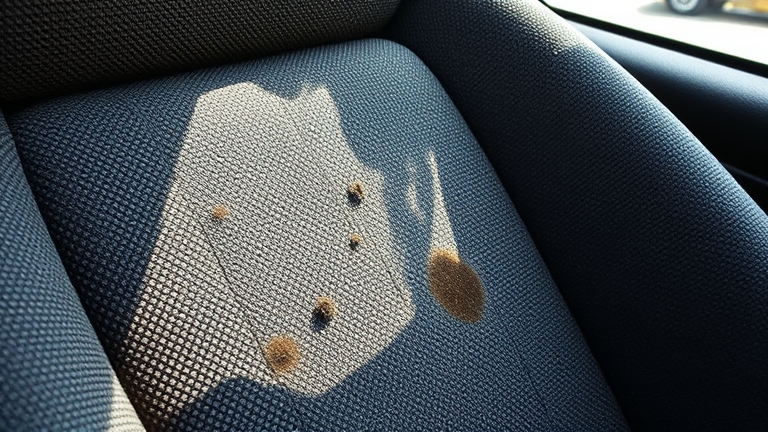
Most DIY car owners reach for soapy water or dish soap to clean fabric seats, but this approach causes plenty of problems. Dish soap often contains strong foaming agents that can bleed dye out of the fabric or leave behind an oily residue.
 Common Problems When Cleaning Fabric Car Seats
The second issue is staining and prolonged dampness. After washing, fabric seats can take hours to dry, giving dust and bacteria plenty of time to build up. On top of that, scrubbing too hard damages the fibers and strips away that original soft texture.
The effective fix is a purpose-built product like NOMA 692, formulated specifically for fabric — strong enough to clean thoroughly, yet gentle on the fibers.
Key Features of NOMA 692 — Safe, Fast Fabric Seat Cleaning
NOMA 692 is a dedicated cleaner for automotive leather and fabric seats. Its formula follows American detailing-industry standards and contains no harsh, damaging cleaning agents.
The product is able to:
-
- Break down dust, grime, and stains without fading color or bleeding dye.
-
- Create a fine foam that’s easy to scrub without leaving water rings.
-
- Dry quickly thanks to a fast-evaporating formula, leaving seats soft and dry within minutes.
-
- Stay mild if there’s minor incidental eye contact (though it’s still best to avoid).
⚠️ Safety note: NOMA 692 can irritate eyes. Wear protective eyewear while spraying, avoid spraying directly toward your face, and wash your hands after use.
6-Step Process for Cleaning Fabric Car Seats with NOMA 692
Step 1: Prep and Inspect the Surface
Start by checking the condition of the fabric. If there’s dry, embedded dust, use a soft-bristle brush or vacuum to pull it out of the fibers first. This lets the cleaning solution make direct contact with the actual grime instead of having to work through a layer of dust.
Open the car doors to let air circulate and keep the space ventilated. Have a clean microfiber or soft cotton towel ready. Avoid using lint-prone towels or paper towels, since they can leave fibers behind on the fabric.
Keep a trash bag or bin nearby so you can toss debris right away instead of leaving it on the floor of the car.
Step 2: Spray NOMA 692 onto the Fabric
Shake the NOMA 692 bottle gently to mix the formula, then spray it onto the fabric seat. Apply slowly and don’t overdo it — you don’t want the seat soaking wet. A thin, even coat across the area you’re cleaning is enough — for one seat, that’s roughly 5-10 sprays depending on how dirty it is.
Spray the seat base, backrest, and both sides. Let the product soak into the fibers for 30 seconds so the active ingredients can get to work.
If the seat is especially dirty, you can add a bit more and wait an extra minute. Just don’t let the product sit and dry on the fabric too long, since it becomes harder to wipe off once it dries.
Step 3: Scrub Gently with a Brush or Cloth
Grab a soft-bristle brush (around $1-2 at most stores) or a damp microfiber cloth, and scrub gently in the direction of the fabric grain. Work section by section, without scrubbing too hard, to avoid damaging the fibers.
Avoid stiff brushes (like the kind meant for floors), since they’ll rough up the fabric and flatten its texture. Scrub evenly, paying extra attention to heavily soiled areas like seat edges and spots your hands touch often.
If you see foam turning dirty as you scrub, that’s a good sign — it means the product is doing its job.
Step 4: Dry with a Clean Towel
Use a clean microfiber towel (or a soft cotton one) to dry the fabric. Wipe slowly with light pressure, following the same direction as the fibers. If the fabric still feels damp, switch to a fresh towel and go over it again to avoid leaving the seat wet.
Thanks to NOMA 692’s fast-drying formula, the seat should dry within just a few minutes. If it’s still damp after 5 minutes, use a fan or open the car doors to help air it out.
Step 5: Check Your Results
Once the fabric is dry, sit down and feel the texture — it should be soft and smooth. Check corners and creases carefully to make sure no grime is left behind. If any stains remain, repeat steps 2-4 on that specific spot.
A properly cleaned seat should smell fresh, with no damp or musty odor. If there’s still a lingering smell, open the doors to air the cabin out further.
Step 6: Keep Up with Regular Maintenance
To keep fabric seats from getting dirty again quickly, clean them every month or every 2 months depending on how much you drive. Owners who drive daily in the city should aim for roughly once a month.
Check out our complete interior care guide for more NOMA products that pair well with this routine.
Expert Tips for the Best Results Cleaning Fabric Seats
Tip 1: Skip the hot water
Hot water can shrink fabric or cause dye to bleed. Use warm or cool water to rinse your cloth before scrubbing.
Tip 2: Wipe in the direction of the fibers
Fabric fibers have a natural grain — wiping with it keeps the seat feeling smooth. Wiping against the grain can leave the texture looking rough.
Tip 3: Use a dedicated high-quality microfiber towel
Premium microfiber towels (400-600 GSM) absorb water and grime far better than regular cotton towels. Investing in a good microfiber towel saves you drying time.
Tip 4: Don’t let the product dry on the fabric
If you forget to wipe it off in time, NOMA 692 will dry and leave a faint white ring on the fabric. If that happens, just spray it again and wipe once more.
Tip 5: Test on a hidden spot first
If you’re unsure how the product will interact with an unfamiliar fabric, test it on an inconspicuous area — like under the seat — before doing the whole thing.
NOMA 692 vs. Other Fabric Seat Cleaners
| Criteria | NOMA 692 | Chemical Guys Leather Cleaner | Turtle Wax Upholstery Cleaner | Sonax Fabric Cleaner |
|---|---|---|---|---|
| Works on fabric/leather | ✓ Both | ✓ Mainly leather | ✓ Fabric | ✓ Fabric |
| Fast drying | ✓ Very fast | ◐ Average | ◐ Average | ✓ Fast |
| US pricing | ✓ Competitive | ✗ Imported, pricier | ✗ Imported, pricier | ✗ Imported, pricier |
| Widely available | ✓ Authentic, direct | ✗ Limited | ✗ Limited | ✗ Limited |
| Scent | ✓ Natural | ✓ Strong | ✓ Moderate | ✓ Strong |
| Follow-up needed | ✓ None required | ✗ Conditioner needed after | ✗ Conditioner needed after | ◐ Optional |
Before/After Results with NOMA 692
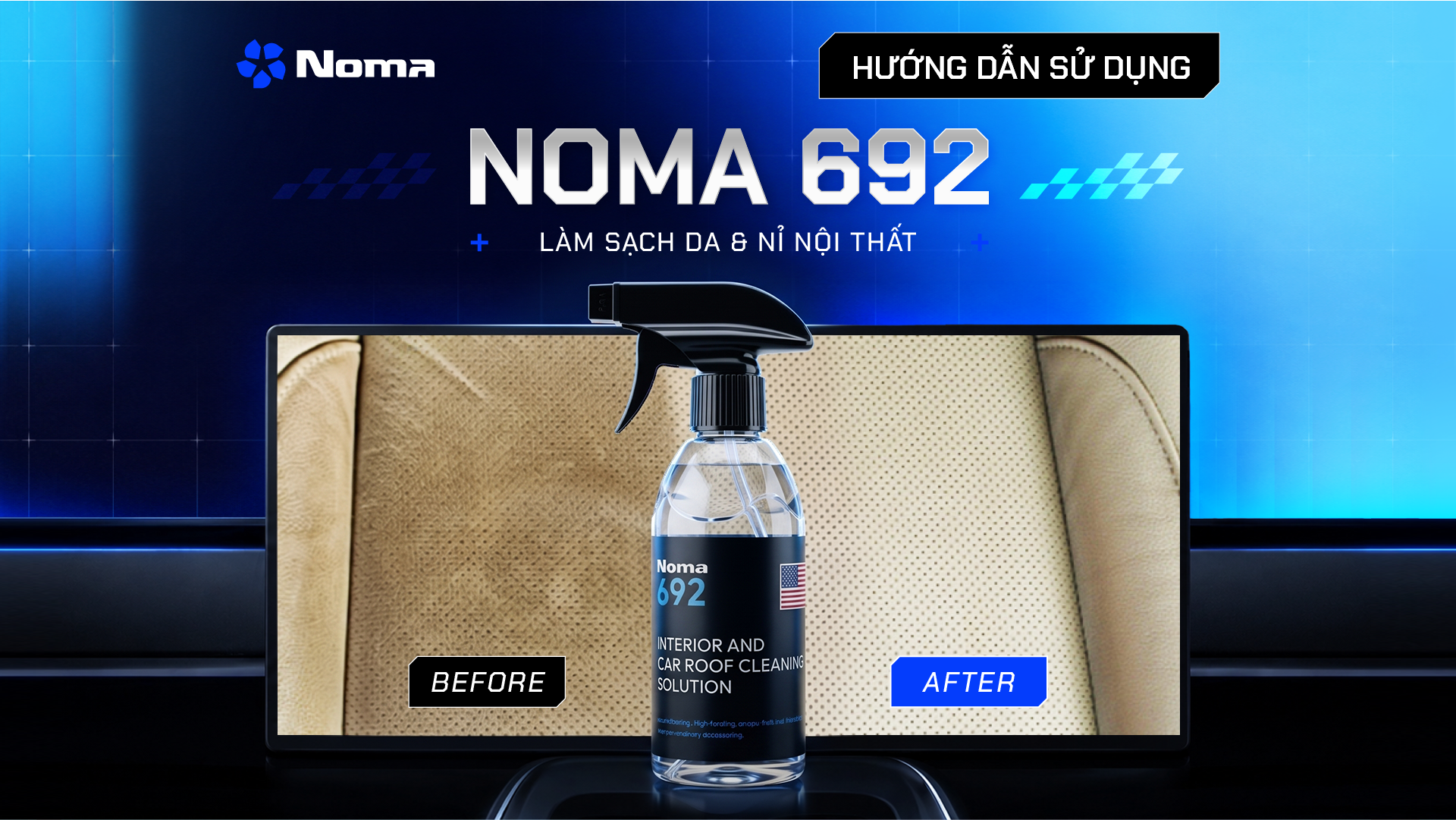
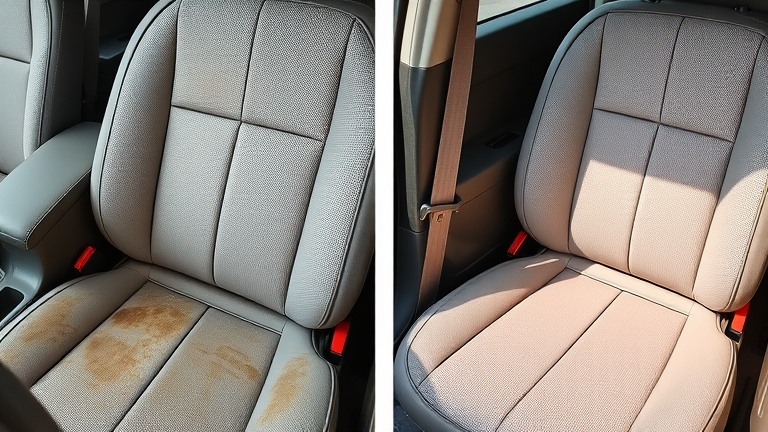
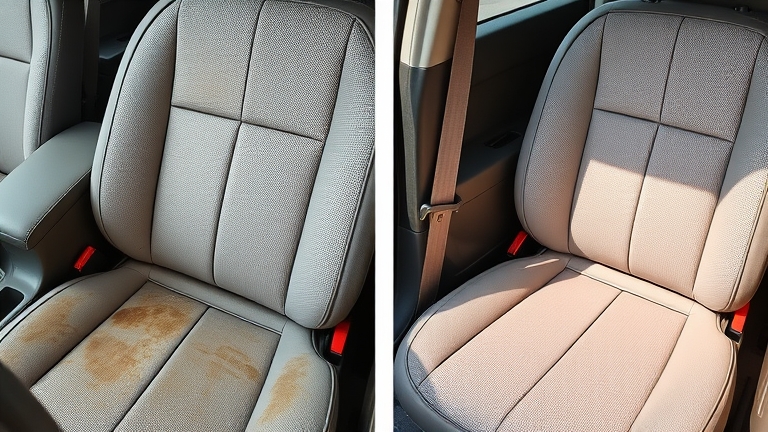
Before: Stained fabric, dark grime around the edges, a musty smell, and a rough, matted texture.
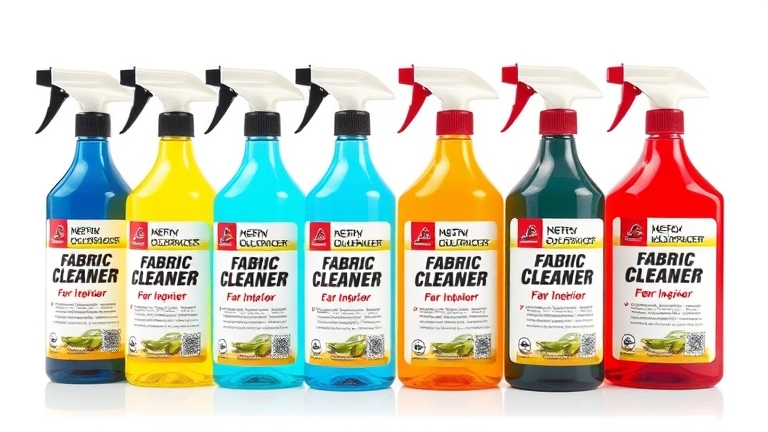 NOMA 692 vs. Other Fabric Seat Cleaners
After: Bright, refreshed fabric color, no musty smell, a soft texture, and a seat that feels like new.
According to professional detailers, regular cleaning with the right product can add 2-3 years to a fabric seat’s usable life.
Frequently Asked Questions About Cleaning Fabric Car Seats
Question 1: Is NOMA 692 safe around kids?
NOMA 692 is a cleaning product that can irritate eyes with direct contact. Store it somewhere safe, out of reach of children, and don’t let them handle or ingest it. Wash your hands thoroughly after use. If it accidentally gets in your eyes, rinse immediately with clean water.
Question 2: How often should I use NOMA 692?
It depends on how much you drive. For daily drivers, cleaning every 1-2 months works well. If the car sits more, every 3 months is fine. For spills or fresh stains, clean right away.
Question 3: Can NOMA 692 be used on leather seats too?
Yes, NOMA 692 works on both fabric and leather. That said, for rare or specially treated leather, test on a hidden spot first to be safe. Check out our dedicated leather-care products for more specialized options.
Question 4: Does the product have a strong color, smell, or harsh chemicals?
NOMA 692 has a light blue or pale yellow tint, with a mild, natural scent — no harsh chemical smell. It’s manufactured through an international OEM partner to ISO standards and meets GHS safety requirements. Full details are available in the included SDS (safety data sheet).
Question 5: Does NOMA 692 extend the lifespan of fabric seats?
Not directly, but regular cleaning protects seats from cracking, staining, and mold that lead to premature wear. Keeping seats clean is the best way to help them last.
Question 6: Is it a problem to use NOMA 692 several times a week?
Not recommended. Fabric needs time to recover, and cleaning too frequently (every 2-3 days) wears down the fibers. Every 1-2 months is enough to keep seats clean and in good shape.
Question 7: Do I need a conditioning product after cleaning with NOMA 692?
Not required. But if you want an extra-soft, glossy finish, you can follow up with a fabric conditioner (like NOMA 230) a day or two later.
Conclusion
Cleaning fabric car seats isn’t difficult — it just takes the right product and process. NOMA 692 is built to clean fabric safely, dry quickly, and avoid any damage. With the 6 simple steps above, you can clean your fabric seats at home like a pro, save the cost of a detail shop visit, and pick up a useful skill along the way.
 Frequently Asked Questions
Give NOMA 692 a try and feel the difference in your interior cleaning routine. Clean seats don’t just make your car look better — they’re part of the same American approach to car care that anyone can master at home.
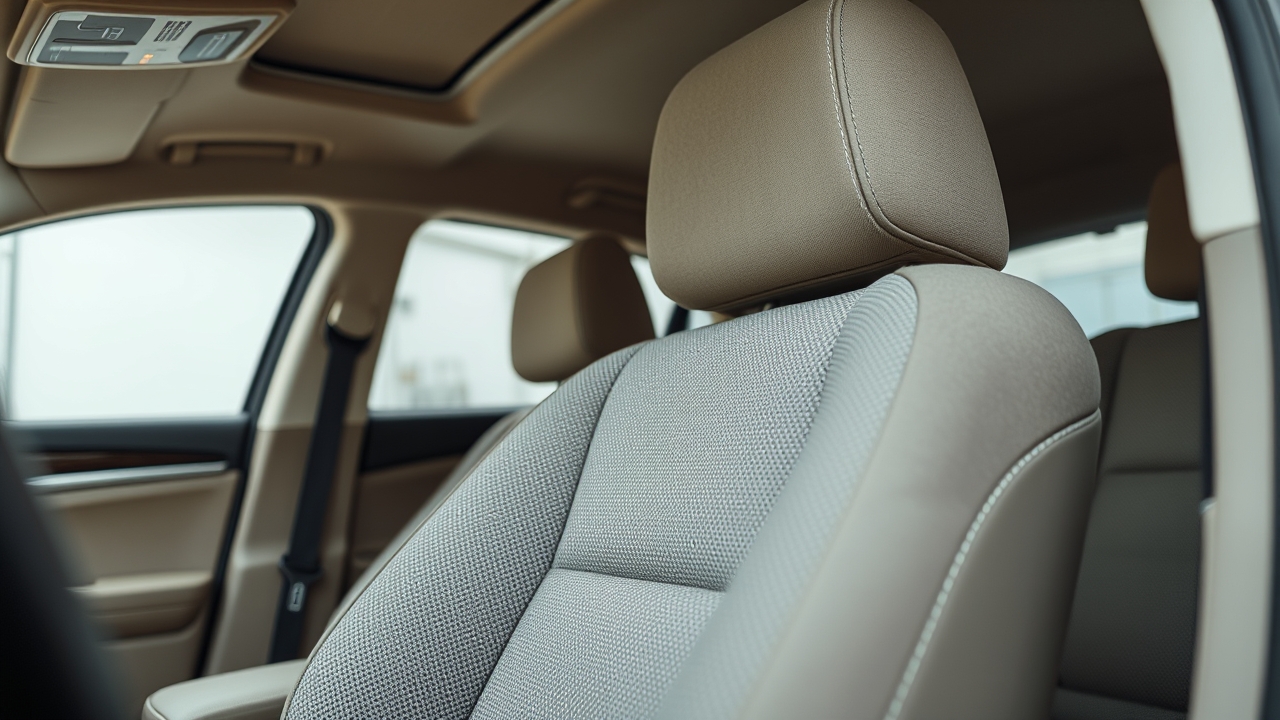
5 Common Mistakes When Cleaning Fabric Car Seats — and How to Fix Them
5 Common Mistakes When Cleaning Fabric Car Seats — and How to Fix Them
Fabric car seats get dirty fast since they’re constantly exposed to dust, sweat, coffee spills, and more. But cleaning fabric car seats isn’t as simple as just water and soap. According to quality and standards industry reports, using the wrong cleaning product on fabric seats can damage synthetic fibers, leave them matted, and cause visible fading after just 2–3 cleanings.
Below are the 5 most common mistakes car owners make when cleaning fabric seats, along with detailed fixes for each. With NOMA 692 — built specifically for cleaning fabric and leather car seats — you’ll have a professional-grade tool to keep your fabric seats clean and long-lasting.
Mistake 1: Using Water That’s Too Hot
One of the biggest mistakes is cleaning fabric seats with water that’s too hot. Plenty of people assume hot water cuts through stains more easily, but the opposite is actually true.
Once water temperature climbs above 122°F (50°C), fabric fibers shrink, lose their elasticity, and become prone to damage. This is especially risky for synthetic fabric blends, since man-made fibers can’t handle high heat.
The fix: Always use cold or lukewarm water (below 86°F/30°C) when cleaning fabric seats. For better cleaning power without the heat, use a dedicated product like NOMA 692 — a cleaning solution formulated specifically for fabric and leather that doesn’t require hot water.
Also, let the seat air-dry naturally, and avoid direct sun exposure or a hot hair dryer.
Mistake 2: Scrubbing Too Hard, Which Pulls and Frays the Fibers
A lot of people scrub hard when cleaning fabric seats, assuming it removes stains more effectively. In reality, fabric fibers are quite vulnerable to mechanical force.
When you scrub too aggressively, fibers get pulled loose from the base weave, damaging the fabric’s structure. The telltale signs are a fuzzy, matted texture, loss of that smooth finish, and visible balding patches.
The fix includes:
• Use your hand or a soft brush (natural bristle) and scrub gently in one direction only.
• When using a towel, choose a fine-fiber option — ideally a dedicated microfiber towel — instead of a stiff or rough cotton cloth.
• Avoid stiff brushes, facial scrub brushes, or toilet brushes — these tools will tear up fabric fast.
Mistake 3: Not Drying Properly, Which Leads to Odor
After cleaning fabric seats, leftover moisture creates a damp environment that’s prone to odor and mildew. A lot of people leave the seat wet for too long or close up the car right away without letting it dry.
The result: after a few days, the seat develops a sour smell, and there’s a real risk of mold or harmful bacteria growing.
The fix:
• After cleaning, use a dry towel (or clean absorbent paper) to blot up as much moisture from the seat as possible.
• Open the car doors and windows and let the seat air-dry naturally for 2–3 hours. On a sunny day, you can even sit in direct sunlight with the doors open to speed up evaporation.
• DO NOT use a hair dryer or any hot air source to dry the seat — this will damage the fabric fibers.
Mistake 4: Leaving Behind Powder or Chemical Residue That Re-Soils the Seat
Some powder-based fabric cleaners are marketed as highly effective. But if you don’t fully vacuum up the leftover powder, it ends up settling back into the fabric.
Leftover powder residue makes the seat feel dirty again and uncomfortable to sit on. What’s more, some powders contain harsh chemicals that can cause fading or leave white marks on fabric.
The fix:
• Favor liquid or foam cleaners over powder formulas. NOMA 692 is a dedicated liquid formula that rinses away cleanly without leaving powder or residue behind.
• If you do use a powder product, vacuum thoroughly afterward with a vacuum cleaner or soft brush to make sure none is left behind.
• Always check a new product carefully before full use — read the instructions and spot-test on a small, hidden area first.
Mistake 5: Skipping Regular Cleaning, Letting Dirt Build Up and Become Hard to Remove
Plenty of car owners only clean their fabric seats once they’re seriously dirty. But cleaning on a regular schedule (every 1–2 weeks) is far easier than tackling seats that have been dirty for a long time.
When stains sit for a long time, they soak deep into the fibers and become much harder to remove. That forces you to scrub harder or use stronger chemicals, both of which damage the fabric.
The fix:
• Clean your fabric seats regularly — wipe away dust and sweat at least once every 2 weeks.
• After every drive, if you notice a spot of dirt, clean it right away — this only takes 5–10 minutes and prevents stains from setting in deep.
• Check out our complete interior maintenance guide for more detail on frequency and technique.
Comparison Table: Common Mistakes vs. The Right Approach
| Criteria | Common Mistake | The Right Approach | Result |
|---|---|---|---|
| Water temperature | Too hot (>122°F/50°C) | Cold or lukewarm (<86°F/30°C) | Fibers don’t shrink, fabric lasts longer |
| Scrubbing technique | Scrubbing hard, tearing fibers | Gentle scrubbing with a soft brush | No matting, smooth fabric surface |
| Drying | Left wet, car closed up | Blot dry, crack windows, air-dry | No odor, no mold growth |
| Product used | Powder or harsh chemicals | Dedicated formula like NOMA 692 | Clean result, no fading |
| Frequency | Only cleaned once heavily soiled | Regular cleaning (every 2 weeks) | Easier cleanup, longer-lasting seats |
The Best Solution: Cleaning Fabric Car Seats with NOMA 692
NOMA 692 is a dedicated product formulated to clean fabric and leather car interiors without causing damage. Standout features include:
• A formula that’s safe for fabric fibers: no corrosive chemicals, compatible with synthetic fiber structures.
• Rinses away easily: just cold water — no hot water or hard scrubbing required.
• No powder or residue left behind: a pure liquid formula that evaporates fully once dry.
• Effective odor elimination: cleans deep and removes the bacteria that cause odor.
The NOMA 692 cleaning process:
1. Vacuum the seat first to remove loose dirt.
2. Mix NOMA 692 according to the recommended ratio (typically 1 part product to 5 parts cold water).
3. Use a soft brush or a dedicated upholstery brush to scrub gently in one direction.
4. Wipe away excess moisture with a clean microfiber towel.
5. Crack the windows and let it air-dry naturally for 1–2 hours.
According to professional detailers, using the right product and the correct process can extend interior lifespan to 5–7 years, compared to just 2–3 years with improper cleaning habits.
Frequently Asked Questions About Cleaning Fabric Car Seats
What’s the fastest way to clean fabric seats without damaging them?
The fastest method is a dedicated product like NOMA 692 paired with a soft brush. A full seat cleaning only takes 15–20 minutes. For small spot cleaning (water marks, light dust), you can be done in 5 minutes with a damp microfiber towel.
Can I use regular dish soap to clean fabric seats?
It’s not recommended. Regular dish soap is too harsh and can fade or dry out fabric fibers. Choose a dedicated product like NOMA 692, formulated for both leather and fabric, or another purpose-built interior cleaner.
What causes odor in fabric seats, and how do I get rid of it?
Odor usually comes from moisture, bacteria, mold, or long-term sweat buildup. To eliminate it, do a deep clean with NOMA 692, then let the seat dry completely. If the smell lingers, leave a bowl of baking soda on the seat overnight to absorb it.
How often should fabric seats be cleaned each year?
Plan on wiping away dust and sweat at least once every 2 weeks. If you drive daily or notice visible dirt, do a deeper clean once a month. On top of that, a full deep clean every 3–6 months helps maintain overall quality.
What kind of brush works best for cleaning fabric seats?
A soft natural-bristle brush or a dedicated upholstery brush is your best bet. Avoid stiff brushes, facial scrub brushes, or toilet brushes, since they’ll tear up the fabric. A small brush head with soft bristles lets you clean detail areas without damaging the material.
Do I need a pressure washer to clean fabric seats?
No, avoid using a pressure washer on fabric seats. Strong water pressure pulls fibers loose from the base weave. Stick to hand-washing with a soft brush, or use a wet vacuum if you have one available.
Conclusion: Proper Fabric Seat Cleaning Is a Skill Worth Learning
Cleaning fabric car seats isn’t difficult, but avoiding these common mistakes is essential to protecting your interior. Hot water, scrubbing too hard, leaving seats wet, and skipping regular cleaning all cause damage that adds up over time.
By following the guidance above and using a dedicated product like NOMA 692, you’ll keep your fabric seats clean, soft, and long-lasting. Start today with a regular cleaning schedule and the right tools — your fabric seats will thank you.
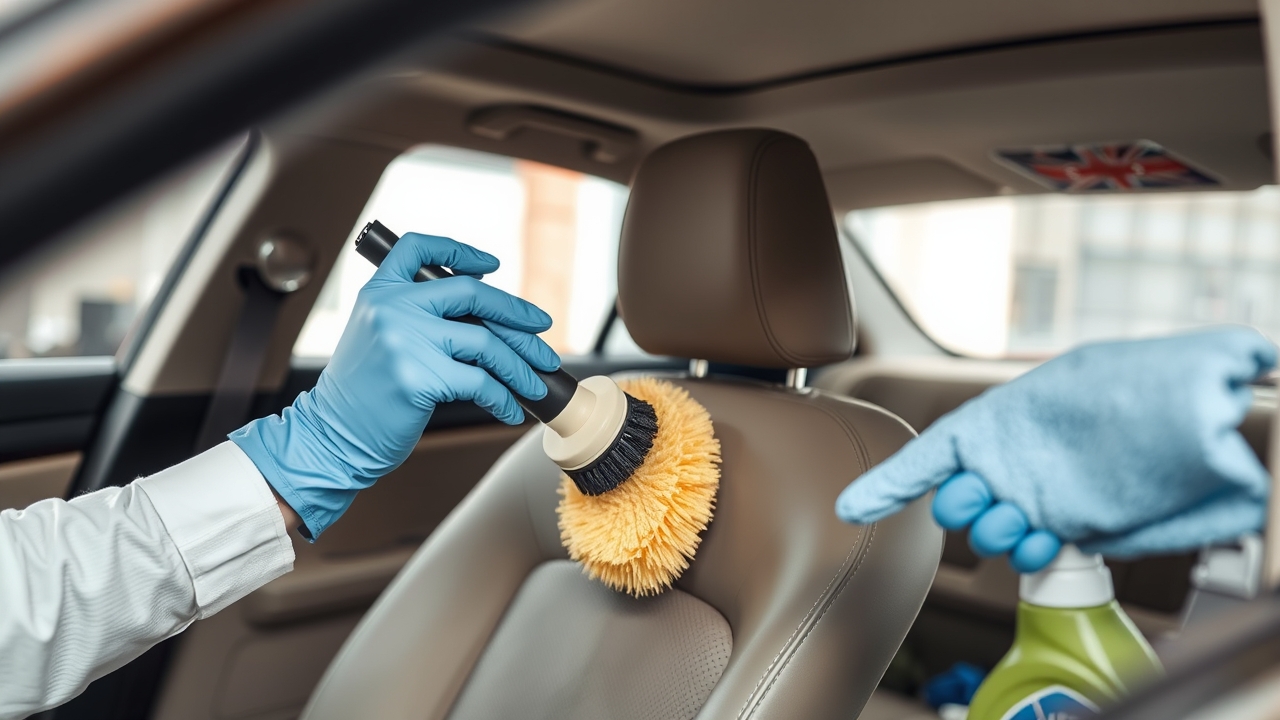
Complete Interior Cleaning Guide: Step-by-Step with NOMA 692
Complete Interior Cleaning Guide: Step-by-Step with NOMA 692
A dirty, musty-smelling interior is something a lot of car owners deal with, especially after rainy season or when a car sits unused for a while. Cleaning your car’s interior doesn’t just improve the look — it protects your family’s health too. According to industry reports, over 60% of DIY car owners don’t know how to clean their interior the right way, which leads to premature wear on leather and fabric. To make this easy, NOMA 692 — a purpose-built cleaner for leather and fabric — is an effective solution anyone can use at home.
This article walks you through complete interior cleaning step by step, from gathering your supplies to the detailed cleaning process, plus important safety notes.
Why Interior Cleaning Matters
A car’s cabin is an enclosed space that collects dust, moisture, sweat, and all kinds of other grime. Over time, this buildup doesn’t just look bad — it causes unpleasant odors and affects the air quality inside your car. Cleaning the interior properly extends the life of leather, fabric, and trim materials.
On leather seats, skipping regular cleaning lets dust and moisture cause cracking and fading over time. Fabric seats are especially prone to absorbing moisture and dirt, creating the perfect conditions for mold growth. That’s exactly why picking the right product — and knowing how to use it — matters so much.
Gather Your Tools and Supplies Before You Start
Before cleaning the interior, make sure you have everything you need on hand for the best results. Your checklist should include:
- A purpose-built cleaner: NOMA 692 for leather and fabric — safe and non-corrosive to these materials.
- A soft brush: Soft bristles only, to avoid scratching leather surfaces.
- Microfiber towels: Highly absorbent, lint-free material.
- Hand protection: Wear gloves to protect your skin from the chemicals.
- Clean water: For rinsing and dampening towels.
- A mixing container: For diluting the product to the right ratio.
NOMA 692 is both effective and safe, since it’s formulated specifically for automotive leather and fabric. Check out our full lineup of interior care products to find the right match for your needs.
5 Steps to Clean Your Interior with NOMA 692
Step 1: Vacuum First
Start by vacuuming all the loose dust and debris from the seats and floor. Pay close attention to tight gaps, seat backs, and under the seats. This step clears away the bulk of the dirt and sets up the surface for a more effective clean in the following steps.
Thorough vacuuming also lets the cleaning solution make direct contact with stains, rather than getting blocked by a layer of loose dust.
Step 2: Dilute NOMA 692 to the Right Ratio
Remember that NOMA 692 is a concentrated product. You’ll need to dilute it with water at the right ratio before use — typically 1 part NOMA 692 to 5-10 parts water (depending on how dirty the surface is). Warm water helps the product work more effectively.
When mixing your solution, you can test the concentration by dabbing a little onto a small, hidden spot on the seat first to check the result. Always wear gloves when handling the product, since it can cause skin irritation with direct contact.
Step 3: Spray and Let It Soak In
Fill a spray bottle with your diluted NOMA 692 solution. Spray evenly across the leather or fabric surface, focusing on heavier stains. You don’t need to soak the surface — just enough moisture for the solution to make good contact with the dirt.
After spraying, let the solution sit for 3-5 minutes. This gives the formula time to break down the grime and lift stains to the surface, making them easier to wipe away.
Step 4: Scrub Gently with a Soft Brush
Using a soft-bristle brush, scrub gently in the direction of the fabric grain. Work in circular motions or along the weave, without pressing too hard, to avoid damaging the material. Focus on stained areas, but go over the entire surface for even results.
For leather seats, use a soft cloth instead of a brush to avoid scratching. A gentle wipe is all you need — no heavy scrubbing required.
Step 5: Dry Thoroughly with a Clean Microfiber Towel
Use a clean microfiber towel to dry the surface completely. Switch to fresh towels as needed until no moisture remains. Leave the doors open and let the interior fully air-dry before closing up the car.
This step is critical — leftover moisture is exactly what leads to mold and odor down the line. Taking the time to dry everything thoroughly is the key to results that last.
Comparing Interior Cleaning Methods
| Method | Cost | Time | Effectiveness | Leather/Fabric Safety |
|---|---|---|---|---|
| Using NOMA 692 | Low (one bottle lasts a while) | 45 minutes | High | Formulated to be safe |
| Plain water wash | Very low | 30 minutes | Average | Can worsen odor |
| Professional detailing shop | High ($8-20) | Fast (2 hrs) | Very high | Depends on the shop |
| Household dish soap | Low | 30 minutes | Low | Can damage leather |
Safety Notes for Using NOMA 692
Even though NOMA 692 is formulated to be safe for automotive leather and fabric, there are still a few things to keep in mind:
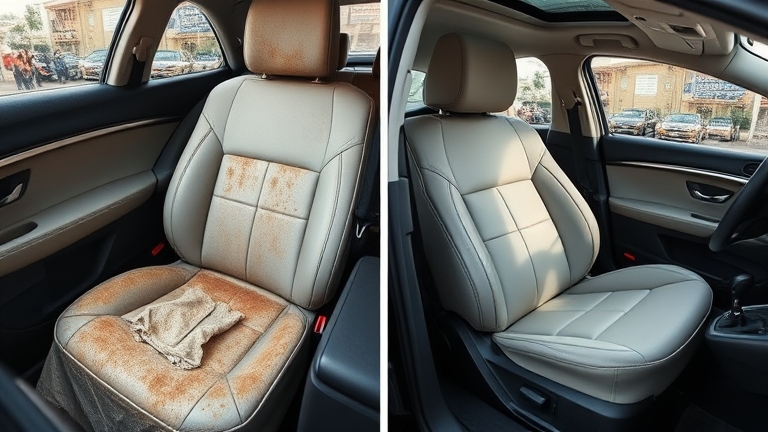 Comparing Interior Cleaning Methods
- Wear protective gloves: NOMA 692 can cause skin irritation with prolonged direct contact. Always wear gloves during use.
- Avoid eye contact: If the solution accidentally splashes into your eyes, rinse immediately with clean water and see a doctor if anything feels off.
- Keep the area ventilated: Open the doors and let air circulate to avoid inhaling too much of the product.
- Don’t mix with other products: Never combine NOMA 692 with other cleaning products, as this can trigger a chemical reaction.
- Store it properly: Keep the NOMA 692 bottle somewhere cool, out of direct sunlight, and out of reach of children.
Frequently Asked Questions About Interior Cleaning
How often should I clean my car’s interior?
It depends on how you use your car. If you drive daily in a polluted environment, clean the interior every 1-2 months. If the car is garage-kept, every 3-4 months is fine. During rainy or humid weather, clean more often to prevent mold and odor.
Can NOMA 692 be used on all interior materials?
NOMA 692 is formulated specifically for leather and fabric. It works well on leather seats, fabric seats, and fabric trim. Avoid using it on other surfaces like hard plastic, wood, or floor mats made from different materials, since the formula isn’t designed for those.
What happens if I use too much NOMA 692?
Over-spraying lets moisture soak deep into the seat padding, which can lead to odor and mold. Always dilute at the recommended ratio, spray just enough, and dry the surface completely. If you accidentally use too much, go over the area with an absorbent towel a few extra times.
Is NOMA 692 safe around kids and pets?
NOMA 692 is an industrial-grade cleaning chemical — it’s not a product designed to be safe for direct contact with children or pets. Make sure to wipe the surface completely clean afterward and let the car dry fully before letting kids or pets back in. Store the bottle out of their reach.
Conclusion
Complete interior cleaning doesn’t have to be a hassle once you know the right method and use the right product. NOMA 692 is an effective, leather- and fabric-safe solution that keeps your interior looking clean and smelling fresh, like new. With the 5 simple steps above, you can clean your interior at home without a trip to the detail shop, saving both time and money.
Make interior cleaning a regular habit, wear gloves, and follow the safety notes above to protect your family’s health while keeping your car looking its best. If you have any questions, leave a comment below or reach out to NOMA for personalized advice.
References
- Industry auto-care reports

How to Clean Fabric Car Seats Effectively with NOMA 692
How to Clean Fabric Car Seats Effectively with NOMA 692
Fabric is one of the most common seat materials in cars today, thanks to its breathability and affordable price. That said, cleaning fabric car seats isn’t as simple as it sounds, since fabric absorbs moisture, odor, and dirt easily. According to automotive maintenance guidance, cleaning your interior once a month helps extend the life of fabric upholstery and keeps the cabin fresh.
NOMA 692 is purpose-built to lift deep-set dirt from fabric seats without damaging the fibers. In this guide, you’ll learn how to prep your seats, apply the right amount, how long to let it work, and a maintenance schedule to keep fabric seats clean and looking good for years.
Why Fabric Car Seats Get Dirty Fast — and Why Regular Cleaning Matters
Fabric is a loosely woven material full of tiny pores, which makes it quick to soak up moisture and grime from skin contact, sweat, and dust. Every time you get in and out of the car, your skin leaves behind sweat, natural oils, and fine particles of dust on the seat.
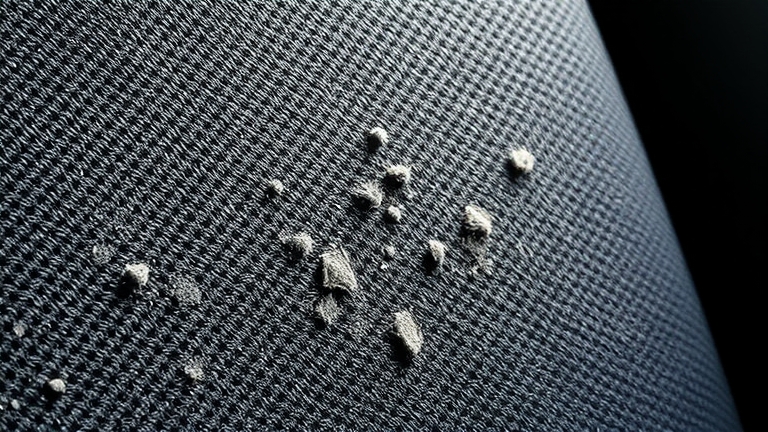 Why fabric car seats get dirty fast and why regular cleaning matters
Over time, this buildup works its way deep into the fibers and turns into stubborn, set-in stains. Ink and sunscreen residue in particular are notoriously hard to remove without a dedicated cleaning product.
Beyond looking bad, dirty fabric traps odors and creates the perfect breeding ground for mold. That doesn’t just affect the health of everyone riding in the car — it also lowers the car’s resale value.
Prepping Fabric Seats Before You Clean Them: The Essential Steps
Before reaching for NOMA 692, a little prep work goes a long way toward getting the best results.
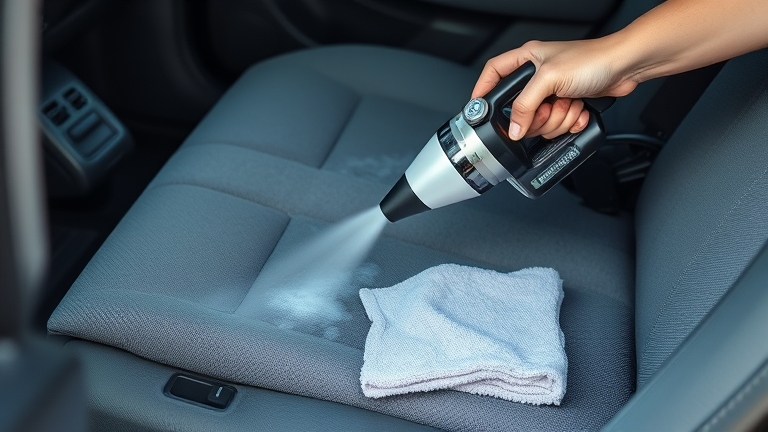 Prepping fabric seats before you clean them: the essential steps
Step 1: Vacuum the surface
Use a vacuum on medium power to remove surface dirt. Go easy — too much suction force can damage the fibers over time.
Pay extra attention to seams, edges, and folds where dust tends to collect. Make sure the seat is completely dry before moving to the next step.
Step 2: Mist with clean water to loosen the fibers
Fill a spray bottle with plain water (no cleaning agents) and lightly mist the entire seat surface. This softens up embedded dirt so NOMA 692 can penetrate the fabric more easily.
Don’t soak the seat — just enough to dampen it, with no water running off.
Step 3: Spot-test color in a hidden area (optional)
If you’re worried about NOMA 692 affecting the fabric’s color (rare, but possible with especially sensitive dyes), test one spray on a hidden spot, like under the seat edge. Wait 2–3 minutes, then wipe with a damp cloth to check the result.
How to Use NOMA 692 to Clean Fabric Car Seats the Right Way
Dosage and spray distance
NOMA 692 is formulated with strong cleaning power that’s still gentle on fabric. Spray from about 8–10 inches (20–25 cm) away from the surface, covering the dirty area evenly.
Plan on 2–3 sprays per square foot of seat. Don’t oversaturate any one spot — that creates damp patches that take longer to dry.
Safety warning: Wear gloves and avoid direct skin contact. Avoid spraying near your eyes. If it gets on your skin, rinse immediately with clean water. NOMA 692 contains active cleaning agents that can irritate sensitive skin.
Dwell time and how it works
After spraying NOMA 692, let it sit for 5–8 minutes so the formula can penetrate the fibers and break the bond between dirt and fabric. While you wait, you can gently work it in with a soft-bristled brush (the kind used for shoes).
Brush in the direction of the fabric grain, using light pressure — the goal is just to help the cleaner penetrate more evenly, not to scrub hard.
Cleaning and rinsing the fabric
Use a clean, damp cloth (or a clean sponge) to wipe down the entire treated area. Keep wiping until the cloth comes away clean, with no more dirt transferring onto it.
Next, lightly mist the seat with clean water to rinse away any remaining cleaning solution. This step matters — leftover residue can irritate skin or feel uncomfortable to sit on.
Dry with a clean towel, then open the car doors or run a fan to let it air dry completely (usually 2–4 hours).
Comparison Table: NOMA 692 vs. Other Fabric Seat Cleaning Methods and Products
| Criteria | NOMA 692 | Regular Dish Soap | Cold Water + Brush | Baking Soda Solution |
|---|---|---|---|---|
| Cleaning power | ✓ Strong, deep clean | △ Weak, stains remain | △ Difficult, labor-intensive | △ Slow, needs long soak |
| Time required | ✓ 5–8 minutes | △ 15–30 minutes | × 30–60 minutes | × 1–2 hours |
| Safe for fabric | ✓ Purpose-built formula | △ Can dry out fibers | ✓ Completely safe | ✓ Safe |
| Scent | ✓ Clean, not harsh | △ Soapy smell | × No scent | × Slightly pungent |
| Cost | ✓ One bottle covers many uses | △ Cheap soap | ✓ Free | △ Cheap baking soda |
| Good for shops/detailers | ✓ Great for DIY customers | ✓ Used daily | △ Not professional-grade | △ Rarely used |
Why NOMA 692 wins out:
NOMA 692 is formulated to professional detailing standards, lifting deep-set dirt without drying out or fading fabric. The other methods each have their upsides, but they typically take longer or deliver less consistent results.
 Comparison table: NOMA 692 vs. other fabric seat cleaning methods and products
If you run a detail shop or car wash, NOMA 692 can help boost service quality and customer satisfaction. Check out our full maintenance guide for detail shops to level up your service offering.
Ongoing Maintenance for Fabric Seats After Cleaning with NOMA 692
Recommended maintenance schedule
After your first deep clean, stick to a regular maintenance routine to keep results looking good long-term.
- Weeks 1–2: Check for any new stains or odd smells. If you spot any, do a light vacuum.
- Once a month: Lightly spray NOMA 692 on high-contact areas (armrests, the spots you sit on most).
- Every 3 months: Do a full deep clean, just like the first time.
If you regularly carry passengers (rideshare, shuttle service), bump that up to twice a month.
Tips to keep fabric seats clean longer
Use seat covers to reduce direct skin contact with the fabric. This not only keeps seats cleaner but also extends the fabric’s lifespan.
Also, try to avoid eating and drinking in the car, especially anything prone to staining like coffee or ketchup.
In warmer months, crack the windows regularly for airflow — it helps prevent sweat buildup and musty odors.
Frequently Asked Questions About Cleaning Fabric Car Seats
Will NOMA 692 fade the color of my fabric seats?
No. NOMA 692 is formulated with a neutral pH and contains no bleach or harsh acids. That said, if your fabric seats are light-colored or use lower-quality dye (common with some imported upholstery), it’s smart to spot-test first. In 99% of cases, NOMA 692 is safe and won’t cause fading.
After using NOMA 692, how long does it take for fabric seats to fully dry?
Usually 2–4 hours under normal conditions (68–77°F / 20–25°C), depending on humidity. Parking in the sun or cracking the windows and doors speeds up drying to 1–2 hours. Try to avoid repeatedly getting in and out of the car while the seat is still damp.
Can I reuse NOMA 692 again after just one week?
Yes, but stick to small, targeted spots rather than a full clean. A full seat cleaning should be spaced 1–2 months apart to avoid over-saturating and weakening the fibers. Weekly upkeep can just be a light vacuum or a light water mist — no need for NOMA 692 every time.
What kind of towel should I use to wipe fabric seats after using NOMA 692?
Use a soft microfiber towel (the kind made for car detailing) or a clean cotton towel. Avoid towels with long loose fibers or paper-backed material, since they can leave lint behind on the seat.
Is NOMA 692 suitable for premium fabric like Alcantara or suede?
Proceed with caution. Alcantara and suede are premium materials that are more delicate than standard fabric. Spot-test in a hidden area first, or check with your vehicle manufacturer to confirm compatibility. You can also reach out to NOMA’s support team for detailed guidance on cleaning these materials.
How Many Cleanings Do You Get Per Bottle of NOMA 692?
Each bottle of NOMA 692 holds 500ml, enough to fully clean the seats of a 4-seat car about 8–10 times (including light maintenance sprays). If you’re only doing full deep cleans, one bottle covers 2–3 cars.
Does cleaning fabric car seats help with resale value?
Yes. A clean, odor-free interior is one of the key factors buyers look at when evaluating a used car. Owners who maintain their interior regularly tend to make a stronger impression at the dealership and build more trust with buyers.
Conclusion
Cleaning fabric car seats isn’t hard once you have the right product and know the correct process. NOMA 692 is the smart choice thanks to its safe formula, strong results, and short turnaround time.
Start with proper prep, apply NOMA 692 following the recommended dosage, then stick to a monthly maintenance routine to keep your fabric seats clean and looking great for years to come. American-standard car care — something anyone can do at home.
References
- Automotive maintenance and detailing industry guidance

5 Mistakes When Cleaning Leather Car Seats and How to Fix Them with NOMA 692
How to Clean Leather Car Seats the Right Way — Avoid These 5 Common Mistakes
Leather car seats are a symbol of comfort and luxury, but they’re also easy to damage if you don’t care for them properly. According to interior-maintenance industry reports, mistakes made during cleaning are the leading cause of cracked, faded leather. Cleaning leather car seats isn’t just about wiping away dirt — it’s about protecting the material’s structure and keeping its shine and durability for the long haul.
Plenty of owners handle their own car care at home, but they often fall into a few simple traps: using water that’s too hot, skipping the drying step, or forgetting to condition the leather afterward. These mistakes can tank your interior’s resale value and shorten its lifespan. NOMA 692, a dedicated leather seat cleaner, is formulated to fix these problems safely and effectively, making it easy for any owner to handle proper interior care at home.
Mistake 1: Using Water That’s Too Hot
Hot water is leather’s worst enemy. Once water temperature climbs above 104°F (40°C), it starts breaking down the protein structure in the leather, leaving it dry, stiff, and prone to cracking. A lot of owners assume hot water kills more bacteria and cleans deeper — but it actually does the opposite.
The fix: Always use cold or lukewarm water (below 86°F/30°C) when cleaning leather seats. Start by vacuuming loose dirt off the surface, then wipe it down with NOMA 692 mixed with cold water. The formula is designed to lift dirt effectively without harming the leather.
The right process:
-
- Vacuum loose dirt with a vacuum cleaner or soft brush.
-
- Dilute NOMA 692 with cold water at a 1:3 ratio.
-
- Wipe the leather surface with a soft cloth or soft brush.
-
- Go over it again with a clean, damp cloth to remove any remaining residue.
Mistake 2: Skipping the Drying Step
Not drying your seats properly creates the perfect breeding ground for mold and bacteria. Leftover moisture doesn’t just cause a musty smell — it also softens and weakens the leather, making it more prone to damage when you sit down. Every owner should understand that natural leather is especially vulnerable to moisture that soaks deep into its pores.
The fix: Once you’re done cleaning, dry the leather completely with a soft cotton towel or a chamois cloth. Don’t let it air-dry on its own — that takes far too long and makes it hard to control the final moisture level.
Practical tips:
-
- Use a cotton or linen towel to dry — avoid denim or rough fabric.
-
- Crack the windows for airflow to help moisture evaporate faster.
-
- If you have one, use a fan or a hair dryer on the cool setting to speed up drying.
-
- Wait at least 2 hours before sitting down to make sure the leather is fully dry.
Mistake 3: Skipping the Conditioning Step
Cleaning is only half the job. If you clean leather seats without conditioning them afterward, the leather loses its natural oils and becomes dry and prone to cracking. According to detailing experts’ interior care guidance, conditioning is the key step for extending leather’s lifespan.
The fix: Once the leather is completely dry, follow up with a dedicated leather conditioner.
The conditioning process:
-
- Apply a leather conditioner (NOMA 686) according to the label instructions.
-
- Massage it in gently, following the grain of the leather.
-
- Let it soak in for 15–20 minutes.
-
- Wipe away any excess with a soft cloth.
Mistake 4: Using Harsh Chemicals or the Wrong Kind of Cleaner
A lot of owners assume a harsh cleaner or dish soap will clean better. In reality, these products are far too aggressive for soft leather — they can strip away the leather’s natural protective layer, cause irritation, or even change its color. Products that aren’t specifically formulated for leather seats can do real, lasting damage.
The fix: Only use cleaners specifically formulated for leather, with a safe, gentle formula. NOMA 692 is purpose-built for cleaning leather and fabric interiors without causing harm. This leather seat cleaner has a balanced pH, is gentle on leather, and effectively lifts dirt and grease.
Materials to avoid:
-
- Harsh ammonia-based cleaners.
-
- Shampoo or body wash meant for other purposes.
-
- Rubbing alcohol (99%) or other strong solvents.
-
- Industrial-strength chemical soaps.
Mistake 5: Forgetting the Hard-to-Reach Spots
Leather seats have plenty of seams, folds, and tight spots — exactly where dirt and bacteria love to build up. If you only wipe the flat surfaces and skip these areas, your seats will look clean on the outside while staying dirty underneath. These crevices are also where odor and mold tend to develop if moisture lingers.
The fix: Use a soft brush or a detail brush to get into tight gaps. NOMA 692 has just the right consistency to lift dirt out of these spots without causing damage.
Detailed cleaning steps:
-
- Dip a soft brush into diluted NOMA 692 solution.
-
- Gently scrub the seams and folds.
-
- Wipe again with a damp cloth to lift out loosened dirt.
-
- Dry with a soft cotton towel.
Spots people often miss:
-
- The seams between leather panels.
-
- The armrests.
-
- Around the adjustment buttons (on power seats).
-
- The bottom edge of the seat, where dust builds up the most.
Comparison Table: NOMA 692 vs. Traditional Leather Seat Cleaning Methods
| Criteria | NOMA 692 | Warm Water + Soap | Industrial Cleaner | Dry Cleaning (Vacuum) |
|---|---|---|---|---|
| Safe for leather | ✓ Purpose-built formula | ⚠ Can dry out leather | ✗ Can damage leather | ✓ No chemical contact |
| Removes grease | ✓ Highly effective | ⚠ Somewhat effective | ✓ Overly aggressive | ✗ Dry dust only |
| Balanced pH | ✓ Yes | ⚠ Depends on the soap | ✗ Usually too high | ✓ Not applicable |
| Dry time | ⚠ 2–3 hours | ⚠ 2–3 hours | ⚠ 2–4 hours | ✓ Dry instantly |
| Cost per use | ✓ Economical (diluted) | ⚠ Cheapest | ✓ Cheap | ⚠ No product cost |
| DIY-friendly | ✓ Easy to use | ✓ Very easy | ✗ High risk | ✓ Easiest |
The Complete Leather Seat Cleaning Process with NOMA 692
Step 1: Prep
Vacuum up dirt, pet hair, and food crumbs with a vacuum cleaner or soft brush. Crack the windows for airflow.
Step 2: Mix the Solution
Mix NOMA 692 with cold water at a 1:3 ratio (1 part product to 3 parts water). For heavily soiled seats, you can go up to 1:2, but plan on wiping it down more thoroughly afterward.
Step 3: Clean the Surface
Dip a soft cloth or soft brush into the solution and wipe the entire seat surface, following the grain of the leather. Go over it 2–3 more times with a clean, damp cloth to remove any leftover solution.
Step 4: Tackle the Tight Spots
Use a small brush to get into narrow gaps, then wipe again with a damp cloth.
Step 5: Dry
Dry completely with a soft cotton towel. Crack the windows and use a fan or a hair dryer on the cool setting to speed up drying.
Step 6: Condition
Once the leather is completely dry, follow up with a dedicated leather conditioner.
Frequently Asked Questions About Cleaning Leather Car Seats
Q1: Is NOMA 692 safe for fabric seats too?
Yes, NOMA 692 is formulated to clean both leather and fabric seats. It’s gentle enough not to fade or damage fabric material. That said, when using it on fabric, test a small, hidden spot first just to be safe.
 Frequently Asked Questions About Cleaning Leather Car Seats
Q2: How often should I clean my leather car seats?
It depends on how much you drive. If you’re driving daily, a thorough cleaning every 1–2 months is a good rule of thumb. If you drive less often, every 3–4 months is enough. Regular cleaning keeps dirt from building up, which makes each cleaning session easier.
Q3: Should I use a steam cleaner on leather seats?
Avoid steam cleaners. Steam that’s too hot (usually above 140°F/60°C) breaks down the leather’s structure, leaving it dry and stiff. Cold water combined with NOMA 692 is a much safer choice.
Q4: Will NOMA 692 leave my leather seats feeling slippery?
No. As a purpose-built interior cleaner, NOMA 692 is formulated to avoid leaving a slippery film once it dries. As long as you wipe away the excess solution, the seat will dry to a comfortable, non-slip finish.
Q5: I have sensitive skin — is it okay to use NOMA 692?
NOMA 692 is formulated to be gentle on skin, but if you have a history of allergies or sensitive skin, it’s a good idea to wear rubber gloves while using it. Avoid prolonged direct contact with your hands. If you’re unsure, test it on a small fabric swatch first.
Q6: Can I use NOMA 692 on other parts of the interior (dashboard, doors, fabric seats)?
Yes. NOMA 692 is designed as a multi-purpose cleaner for leather and fabric interiors. You can use it on the dashboard, seat backs, or other fabric trim. Just avoid getting electronic components too wet.
Conclusion: Clean Your Leather Car Seats the Right Way with NOMA 692
Cleaning leather car seats isn’t complicated, but it does require attention to detail. By avoiding these 5 common mistakes — hot water, skipping the drying step, forgetting to condition, using the wrong cleaner, and missing hard-to-reach spots — you’ll keep your interior clean, good-looking, and built to last.
NOMA 692 is a complete solution for cleaning leather and fabric interiors. Formulated to American standards, it’s safe, effective, and easy for any DIY car owner to use at home. Pair it with the right process, and you can maintain a professional-quality interior without an expensive trip to the detail shop.
Start with NOMA 692 — a dedicated leather interior cleaner today, and feel the difference in every cleaning session.
Leather & Fabric Car Seat Cleaner Comparison: NOMA 692 vs. Chemical Guys, 3M, and Sonax
Leather & Fabric Car Seat Cleaner Comparison: NOMA 692 vs. Chemical Guys, 3M, and Sonax
Car seats are in constant contact with your body, so keeping them clean isn’t just about a tidy interior — it’s about your health, too. Industry data shows DIY car-care product sales have been climbing steadily year over year, with the biggest growth among drivers aged 25–45 who’d rather handle detailing themselves than pay a shop.
The catch: not every leather and fabric seat cleaner is actually safe or effective. NOMA 692, an American-formulated interior care product, has become a go-to for DIY car owners — but does it actually outperform household names like Chemical Guys, 3M, Sonax, and Turtle Wax?
This guide breaks down the real differences between these products so you can find the best solution for cleaning your leather and fabric seats.
Why Picking the Right Seat Cleaner Actually Matters
Car seats are made from two main materials — leather and fabric — and each needs its own kind of care. Use the wrong product and here’s what can happen:
- Leather: the protective top coat peels, the surface dries out and cracks, and the original color fades
- Fabric: fibers get matted and stiff, lose their softness, and become harder to clean the next time around
According to detailing industry surveys, a majority of at-home detailers end up using a seat cleaner that isn’t suited to their upholstery, and the damage often shows up within six months. That’s why starting with a product that has the right formula is the single most important decision you’ll make.
For a broader look at keeping your whole cabin in shape, check out our complete guide to interior car care.
NOMA 692 — An American-Formulated Leather & Fabric Seat Cleaner
NOMA 692 is purpose-built for cleaning leather and fabric car seats, developed using American detailing-industry formulation standards. Its key ingredients include:
- Gentle surfactants: plant-derived cleaning agents that won’t strip leather’s protective finish
- Amino acids: keep fabric fibers soft and prevent matting
- Conditioning agents: help leather resist re-soiling in the days after cleaning
- Purified water & glycerin: balance moisture levels in leather
Standout features:
- Neutral pH formula (6.5–7.5), safe for long-term use on both leather and fabric
- Effective in a single pass — no repeat treatments needed
- Dries in 30–45 minutes with no residue left behind
- Full GHS-standard safety data sheet (SDS) available for anyone who wants to check the formula
⚠️ Safety note: NOMA 692 can cause mild eye irritation — avoid spraying directly toward your face or eyes.
Head-to-Head: NOMA 692 vs. Chemical Guys, 3M, Sonax, and Turtle Wax
Chemical Guys Leather Conditioner & Cleaner
Chemical Guys is a well-known detailing brand built around a “conditioning-first” formula. That said:
- Strengths: pleasant fragrance, great-looking shine after use
- Weaknesses: pricier (roughly 2–2.5x the cost of NOMA), underwhelming on heavily soiled fabric, can leave a slightly greasy film if you don’t wipe it down thoroughly
- Formula: relatively high silicone content, which means a longer dry time
3M Fabric Guard
3M is a household name in paint protection, but its interior seat products come with tradeoffs:
- Strengths: strong spray foam, easy to apply, protection that holds up for months
- Weaknesses: harder to find at a good price, and the formula leans more toward protection than deep cleaning (expect to wipe it down more than once for stubborn stains)
- Formula: Scotchgard-style protective polymers with relatively few actual cleaning surfactants
Sonax Interior Cleaner
Sonax has a reputation for consistent German engineering, but:
- Strengths: premium scent, deep clean that extends interior lifespan
- Weaknesses: costs 1.5–2x more than NOMA, smaller bottle sizes mean you burn through it faster, and the formula can carry a fairly strong chemical smell
- Formula: heavier on synthetic chemicals — use with good ventilation
Turtle Wax Interior Protectant
Turtle Wax is the budget, entry-level pick, but:
- Strengths: cheap (about a third the price of the other brands), easy to find at any auto parts store
- Weaknesses: weaker formula, doesn’t clean deeply, can leave a slightly artificial-looking shine, and typically needs to be reapplied every 2–3 weeks
- Formula: lower-grade silicone with no amino acids for conditioning
NOMA 692 — The Best All-Around Balance
| Criteria | NOMA 692 | Chemical Guys | 3M | Sonax | Turtle Wax |
|---|---|---|---|---|---|
| Cleaning power | ⭐⭐⭐⭐⭐ | ⭐⭐⭐⭐ | ⭐⭐⭐ | ⭐⭐⭐⭐ | ⭐⭐ |
| Safe for leather/fabric | ⭐⭐⭐⭐⭐ | ⭐⭐⭐⭐ | ⭐⭐⭐⭐ | ⭐⭐⭐ | ⭐⭐⭐⭐ |
| Dry time | 30–45 min | 45–60 min | 20–30 min | 60+ min | 30–40 min |
| Price per bottle | 💰💰 | 💰💰💰💰💰 | 💰💰💰💰 | 💰💰💰💰 | 💰 |
| How long results last | 3–4 weeks | 2–3 weeks | 4–6 weeks | 6–8 weeks | 1–2 weeks |
| Scent | Neutral, not overpowering | Fragrant but heavy | Unscented | Fragrant but sharp | Artificial-smelling |
| Availability | ✓ Direct from NOMA | ✓ Widely available | △ Limited to select retailers | △ Specialty/import shops | ✓ Widely available |
Bottom line: NOMA 692 strikes the best overall balance of cleaning power, safety, price, and availability for cleaning leather and fabric car seats.
What to Look for in a Leather & Fabric Seat Cleaner
1. Ingredients & pH
A good leather and fabric seat cleaner should have:
- A neutral pH of 6.5–7.5: so leather doesn’t dry out or crack, and fabric doesn’t get matted
- Gentle surfactants (plant-derived or amino acid–based): clean effectively without damaging the material
- An optional conditioning agent: helps resist re-soiling for a short period after cleaning
- No harsh ingredients: strong acids, chlorine, or sodium hydroxide, which erode leather over time
NOMA 692 checks every one of these boxes — its safety data sheet is publicly available if you want to verify the formula yourself.
2. Cleaning Power & Durability
Cleaning performance comes down to a few things:
- How well it removes dust, sweat, and grease: ideally in a single application
- How long the results last: 3–4 weeks between cleanings is a good benchmark
- Protective carryover: whether it helps prevent new grime from settling in right away
According to detailing pros, NOMA 692 keeps seats looking clean for 3–4 weeks with weekly use — a strong result for a single-step cleaner.
3. Safety Standards (GHS)
A quality product should meet Globally Harmonized System (GHS) safety standards:
- Non-toxic: no long-term respiratory or skin risk with normal use
- Clear warning labels: any potential irritant (like eye irritation) should be clearly disclosed
- Public SDS: available directly from the manufacturer on request
NOMA 692 publishes a full safety data sheet and clearly labels its one caution — “avoid contact with eyes” — a good sign that it’s a properly vetted, safety-tested product.
4. Price & Value
- Cost per ounce: NOMA 692 runs noticeably cheaper per ounce than Chemical Guys
- Bottle size: NOMA 692 typically comes in a size that lasts 3–4 months of regular use
- Cost per cleaning: NOMA 692 costs well under a dollar per session, versus a couple of dollars per session for Sonax
Ranked by value for money (performance-to-price ratio):
1. NOMA 692 — 4.5/5 ⭐ (best overall value)
2. Turtle Wax — 3/5 ⭐ (cheap, but underperforms)
3. Chemical Guys — 3.5/5 ⭐ (great results, high price)
4. 3M — 3/5 ⭐ (harder to find at a good price)
5. Sonax — 3/5 ⭐ (great quality, but pricey)
How to Use NOMA 692 for the Best Results
Step 1: Prep
- Vacuum the seats thoroughly first (this exposes the base layer of dirt)
- Crack the doors or windows for airflow — you don’t need heavy ventilation
- Gather your supplies: a microfiber towel, an empty spray bottle (if you plan to dilute), and gloves (optional)
Step 2: Spray & Work It In
- Spray a thin, even layer of NOMA 692 onto the seat (don’t soak it)
- Use a soft brush or towel to work it in gently, following the direction of the fabric grain (3–5 passes)
- Let it sit for 5–10 minutes so the product can penetrate
Step 3: Wipe Dry
- Wipe the surface down with a clean towel until no residue remains
- Leave the doors open for 30–45 minutes to let the seat dry completely
Frequently Asked Questions About Cleaning Leather & Fabric Car Seats
Q1: How often should I clean my leather or fabric car seats?
If you drive most days of the week, plan on cleaning your seats every 3–4 weeks. If you deal with a lot of sweat or grease (commuting, kids, pets), tighten that up to every 2–3 weeks. NOMA 692 cleans deeply enough that one application typically holds up for the full 3–4 week stretch.
Q2: Is NOMA 692 safe for genuine leather, or is it just for synthetic materials?
NOMA 692 is safe on both genuine and synthetic leather. Its neutral-pH formula is designed to preserve the leather’s natural shine and water resistance. That said, genuine leather benefits from an occasional conditioning step afterward (look for a product with glycerin or natural oils).
Q3: Can I dilute NOMA 692 with water to make it go further?
Yes, but don’t dilute past about 30% water (roughly 1 part water to 2.3 parts NOMA 692). Over-diluting weakens the cleaning power and can shorten the product’s shelf life once mixed.
Q4: Does NOMA 692 work well for seats that get dirty fast (kids, pets, outdoor gear)?
It can, but that’s not really its specialty. NOMA 692 is built for deep cleaning plus light conditioning, not long-term protection. If you want protection that lasts 6–8 weeks, pair it with a dedicated fabric protectant afterward.
Q5: I’ve been using a different product — do I need to do anything before switching to NOMA 692?
Nothing special required. Just give your seats a thorough first cleaning (an all-purpose interior cleaner like NOMA 680 works well for this) to strip off any old product residue, then start using NOMA 692 going forward. That gets you the best results right from the first use.
Q6: Does NOMA 692 work on premium car leather (BMW, Mercedes, etc.)?
Yes. Plenty of luxury car owners actually use NOMA 692 because its formula is compatible with high-grade leather. As with any new product, test it on a small, hidden spot first just to be safe — reactions are extremely rare, but it’s good practice.
Conclusion: The Right Call for Your Car Seats
Cleaning your leather and fabric car seats isn’t just about looking good — it protects the long-term lifespan of your interior. Across every category in this comparison, NOMA 692 stands out for its cleaning power, GHS-compliant safety profile, fair pricing, and easy availability.
If you’re a DIY car owner who wants professional-level results without professional-level prices, NOMA 692 is a reliable choice. You don’t need complicated chemistry or a premium price tag to get a clean, healthy interior — give it a try and see the difference for yourself.
Next step: Browse the full lineup of NOMA interior care products to round out your detailing kit.
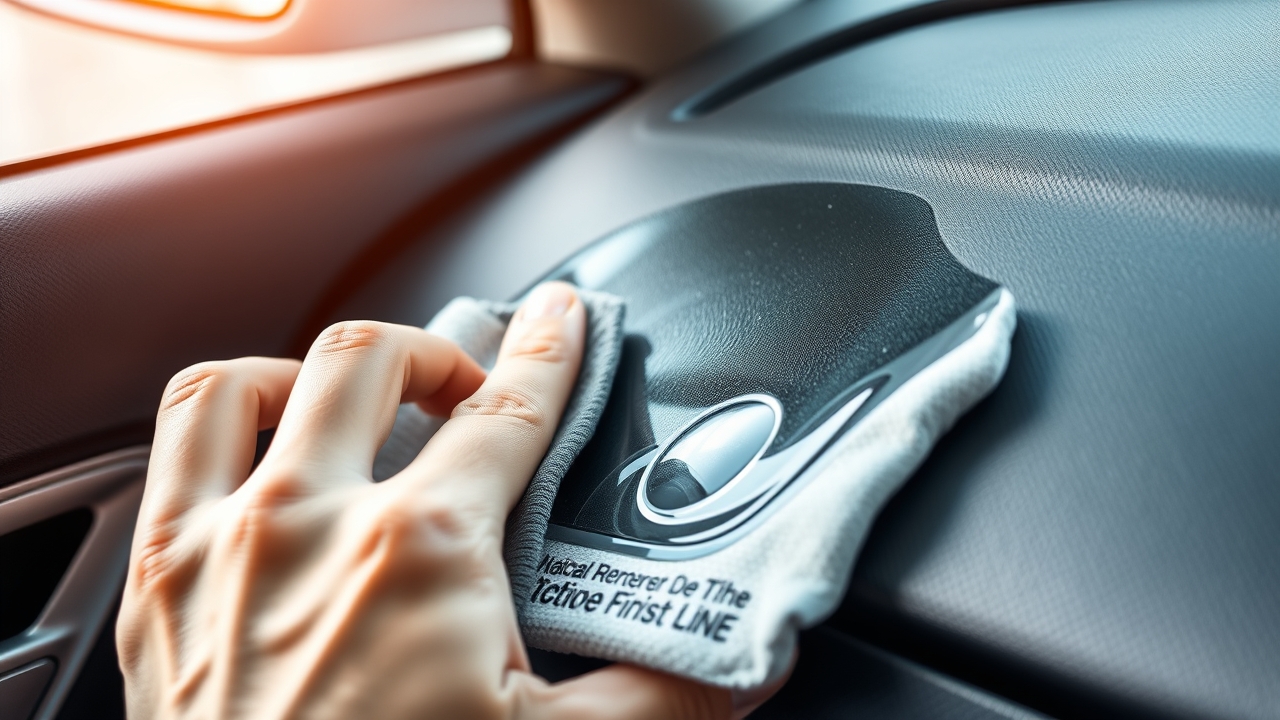
Caring for Your Car’s Plastic Dashboard the Right Way – 5 Steps with NOMA 250 to Avoid Common Mistakes

Caring for Your Car’s Plastic Dashboard: 5 Detailed Steps and Common Mistakes
A faded black plastic dashboard is the “face” of your car’s interior. Under the effects of sun, rain, dust, and natural oxidation, the dashboard surface easily fades, develops streaks, and loses its original polished look. According to Vietnamese car care experts, around 70% of owners detail their own cars but don’t know the proper process, leading to poor results or even damage to the dashboard.
This guide walks you through caring for your car’s plastic dashboard in 5 clear steps, using the pH-neutral formula in NOMA 250 — a dedicated product for restoring faded, textured plastic, helping your dashboard regain its natural sheen with lasting protection.
Step 1: Prep and Clean the Dashboard Surface
Before applying any product, the dashboard needs to be completely clean. Dust, grease, and grime particles will block the conditioner from absorbing properly.
 Step 1: Prep and Clean the Dashboard Surface
Initial cleaning steps:
- Wipe the dashboard surface with a damp microfiber towel (use distilled water, not regular tap water) to remove salt and dust.
- Use NOMA 988 interior foam cleaner if the dashboard has grease or deep-set grime — spray lightly, let it sit 2-3 minutes, then wipe clean.
- Let the dashboard dry completely before moving to the next step (5-10 minutes at room temperature).
Note: Never use too much water, as it can seep into gaps and cause interior mold or mildew. The towel should be damp, not soaking wet.
Step 2: Choose the Right Dashboard Conditioner Based on Its Condition
The dashboard’s condition determines which product you should use. NOMA offers several solutions, but NOMA 250 is the optimal choice for most cases of restoring faded, textured plastic.
Dashboard condition categories:
- Lightly faded (newer) dashboard, just lost its shine: Use NOMA 250 to restore that deep black finish and add protection.
- Heavily faded dashboard with light scratches: NOMA 250 restores 80-90% of the original look; for deeper scratches, pair it with NOMA 955 (paint scratch remover) first.
- Stained dashboard with decal/adhesive residue: Use NOMA 330 (adhesive, decal, and tar remover) first, then apply NOMA 250.
Check out the detailed guide to choosing the right NOMA product on the official website to pinpoint exactly what you need.
Step 3: Applying NOMA 250 — The Standard Process
This is the key step. NOMA 250 is built on American technology, with a pH-neutral formula that’s completely safe for users and for your car’s trim.
 Step 3: Applying NOMA 250 — The Standard Process
Detailed application steps:
1. Shake the NOMA 250 bottle — why? The active ingredients and conditioning agents need to mix evenly before use.
2. Spray lightly onto a microfiber towel (never spray directly onto the dashboard) — this gives you control over the amount of product, avoiding an overly greasy shine.
3. Wipe evenly from left to right, top to bottom — small circular motions help the product absorb more evenly.
4. Wait 3-5 minutes — to let NOMA 250 dry naturally and form its protective layer.
5. Lightly buff with a clean microfiber towel (optional) — if the shine is too strong, a light buff will tone it down to your liking.
Pro tip: Less is more. NOMA 250 has a highly concentrated formula, so one light spray is enough to cover the entire dashboard — don’t treat it like an ordinary product that needs a thick layer to work.
Step 4: Ongoing Maintenance — Extending the Results
After your first dashboard treatment, you’ll need to maintain it 1-2 times a month to keep it looking its best.
Recommended maintenance schedule:
- Week 2 after your first treatment: Lightly clean with a distilled-water-dampened towel, then apply another very light coat of NOMA 250.
- Months 2-3: Maintain once a month if the car sits in the sun frequently; once every 2 months if it’s garaged.
- Summer or dry climates: Increase frequency to every 2 weeks, since sun and low humidity speed up oxidation.
Regular maintenance keeps the protective layer working at full strength, so the dashboard holds onto its shine and resists fading more effectively.
Step 5: Common Mistakes When Conditioning a Plastic Dashboard — and How to Avoid Them
Many owners run into the following mistakes, leading to poor results or damage to the dashboard:
| Common Mistake | Cause | Fix |
|---|---|---|
| Dashboard looks greasy or too glossy | Applied too much product or didn’t wait long enough | Buff lightly with a clean towel; use half as much next time |
| Stains or small mold spots reappear after a week | Didn’t clean thoroughly before conditioning | Re-clean with NOMA 988, let dry, then apply NOMA 250 |
| Dashboard looks worn and dull again after just a month | Only conditioned once with no follow-up maintenance | Follow the recommended maintenance schedule (1-2 times/month) |
| Sagging or discolored look in sun-exposed areas | Left in direct sun for too long without any cover | Use a windshield sunshade or window shade when the car isn’t in use |
| Feeling of heat or discomfort breathing after conditioning | Applied too much product without good ventilation | Use less product, and open doors/windows to air out the car for 10 minutes |
If you notice your dashboard is cracked or excessively dry, that may be due to material aging — NOMA 250 can help reduce further deterioration, but it can’t fully reverse it.
Why NOMA 250 Is the Optimal Choice for Dashboard Care
Built with American manufacturing technology and a pH-neutral formula, NOMA 250 is specifically designed for caring for plastic dashboards and interiors in Vietnamese conditions — hot, humid climates with intense UV exposure.
Standout features:
- Completely safe: Won’t irritate skin, isn’t harmful if it accidentally touches your face, and won’t affect the A/C system or other plastic components.
- Fast results: After just 1-2 applications, the dashboard regains 70-80% of its natural shine.
- Easy to use: No special tools needed — just a microfiber towel and the spray bottle. Anyone can do it at home.
- Long-lasting protection: The protective layer from NOMA 250 lasts 4-6 weeks with regular maintenance.
According to a report from Vietnam’s Ministry of Information and Communications, imported American car care products meet higher quality standards than typical products, especially in chemical safety and protective performance.
Frequently Asked Questions About Dashboard Care
How many times a month should I use NOMA 250?
With regular maintenance, 1-2 times a month is ideal. If your car sits in the sun 6-8 hours a day, apply it twice a month; for garaged cars, once a month is enough. Each application uses very little product (just a few ml), so a single 250ml bottle of NOMA 250 lasts 8-12 months.
 Frequently Asked Questions About Dashboard Care
Can I use NOMA 250 on other plastic trim (steering wheel, door trim)?
Yes, NOMA 250 is designed to restore all types of black/textured plastic throughout the car. Check out our full-car application guide for other uses.
If I skip maintenance for 2-3 months, will the dashboard get damaged?
It won’t get damaged, but the effect will gradually fade. The protective layer from NOMA 250 will thin out and the dashboard will start to look dull again. Just condition it again as soon as you notice the change — the process isn’t complicated, just 15 minutes each time.
Should I use NOMA 250 during the rainy season?
It’s best to avoid it. During the rainy season, high humidity slows drying and the product may not dry evenly or bead water properly. Choose a time when the car is garaged or the weather is dry to apply it.
If the dashboard is very dry or cracked, can NOMA 250 fix it?
NOMA 250 helps slow further deterioration and can soften minor cracks, but it can’t fully restore material that’s already deeply cracked. If cracking is severe, you may need a dashboard cover — but applying NOMA 250 early, from when the car is new, helps prevent this from happening in the first place.
Conclusion: Dashboard Care Is a Skill Every Car Owner Should Know
Caring for your car’s plastic dashboard isn’t complicated, but it does require consistency and the right method. By following these 5 steps — thorough cleaning, choosing the right product (NOMA 250), proper application, regular maintenance, and avoiding common mistakes — you’ll keep your dashboard looking great for the long haul.
NOMA 250, built on American plastic-restoration technology with a pH-neutral formula, is the ideal tool to get this job done effectively and safely. Start today — with just 15 minutes and a microfiber towel, your dashboard will look vibrant again.
Want to learn more about NOMA’s other interior and exterior car care products? Visit the official website or reach out to an authorized distributor.