
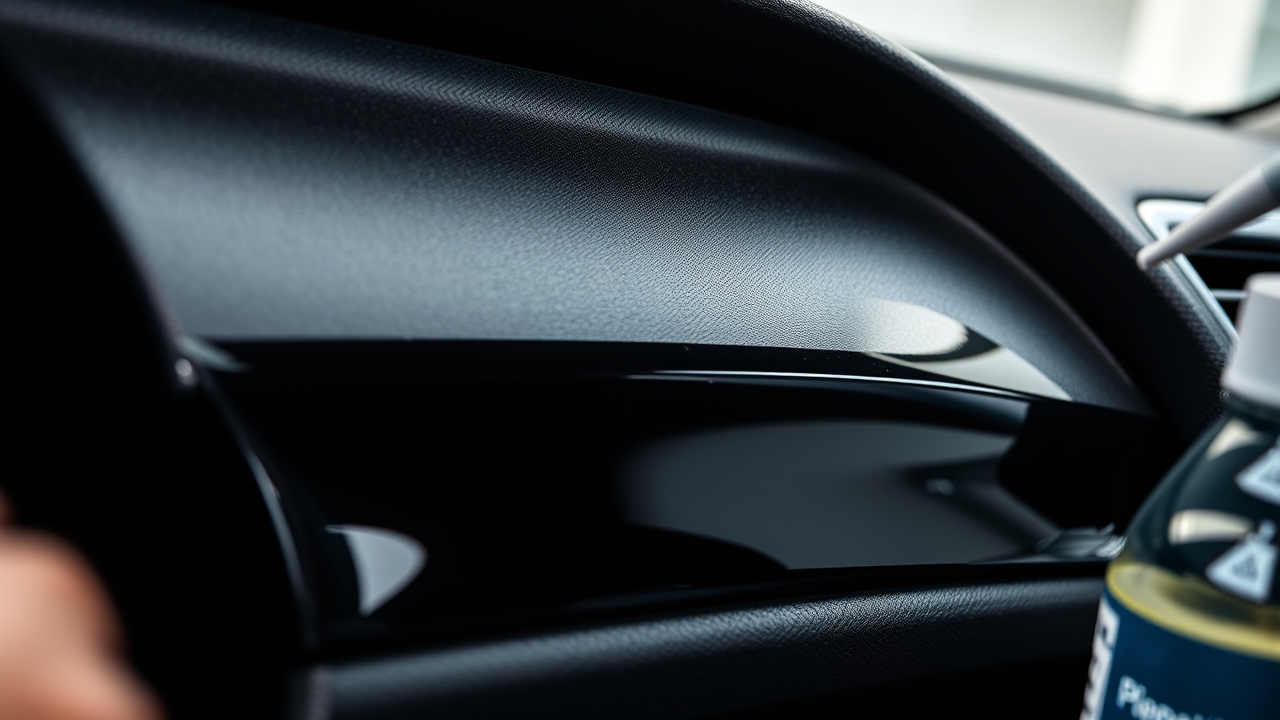

5 Mistakes When Cleaning Leather Car Seats and How to Fix Them with NOMA 692


How to Clean Leather Car Seats the Right Way — Avoid These 5 Common Mistakes
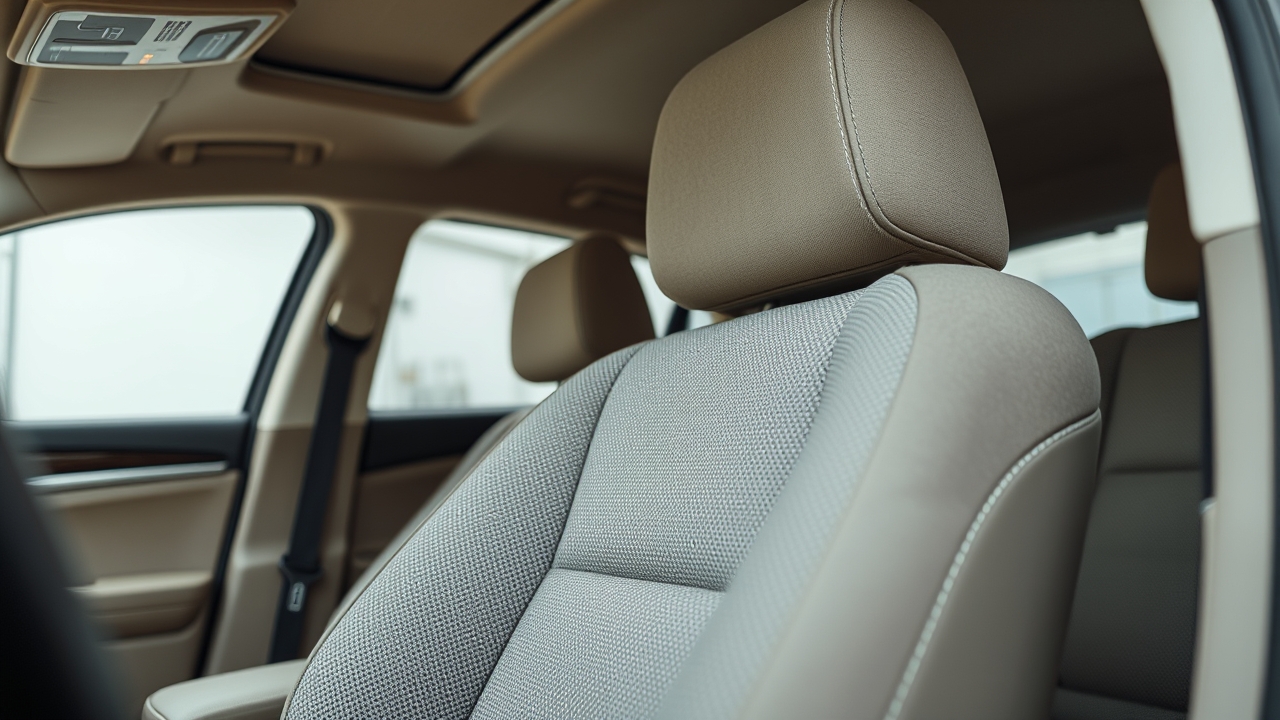
Leather car seats are a symbol of comfort and luxury, but they’re also easy to damage if you don’t care for them properly. According to interior-maintenance industry reports, mistakes made during cleaning are the leading cause of cracked, faded leather. Cleaning leather car seats isn’t just about wiping away dirt — it’s about protecting the material’s structure and keeping its shine and durability for the long haul.
Mục lục
Plenty of owners handle their own car care at home, but they often fall into a few simple traps: using water that’s too hot, skipping the drying step, or forgetting to condition the leather afterward. These mistakes can tank your interior’s resale value and shorten its lifespan. NOMA 692, a dedicated leather seat cleaner, is formulated to fix these problems safely and effectively, making it easy for any owner to handle proper interior care at home.
Mistake 1: Using Water That’s Too Hot
Hot water is leather’s worst enemy. Once water temperature climbs above 104°F (40°C), it starts breaking down the protein structure in the leather, leaving it dry, stiff, and prone to cracking. A lot of owners assume hot water kills more bacteria and cleans deeper — but it actually does the opposite.
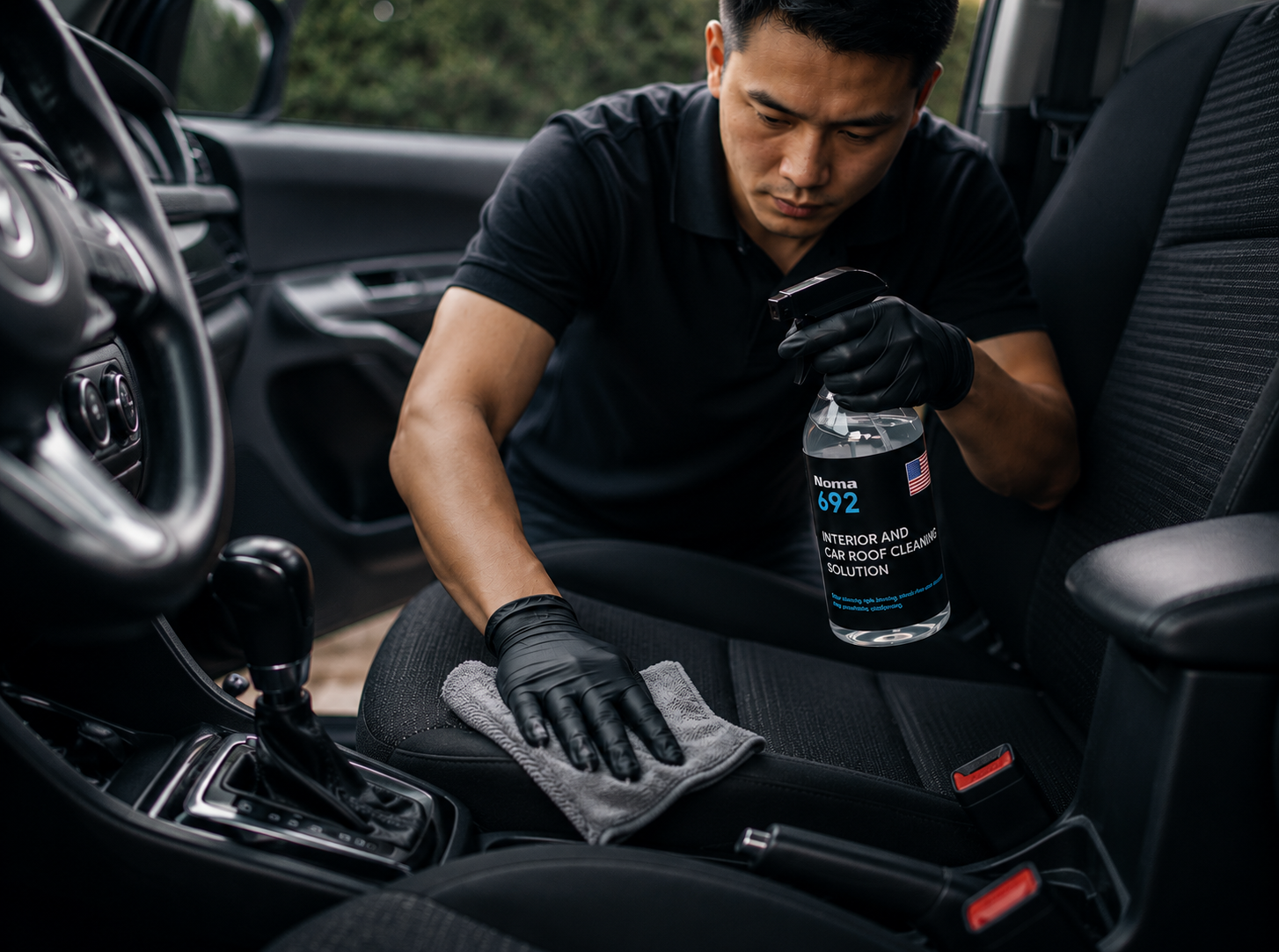
The fix: Always use cold or lukewarm water (below 86°F/30°C) when cleaning leather seats. Start by vacuuming loose dirt off the surface, then wipe it down with NOMA 692 mixed with cold water. The formula is designed to lift dirt effectively without harming the leather.
The right process:
-
- Vacuum loose dirt with a vacuum cleaner or soft brush.
-
- Dilute NOMA 692 with cold water at a 1:3 ratio.
-
- Wipe the leather surface with a soft cloth or soft brush.
-
- Go over it again with a clean, damp cloth to remove any remaining residue.
Mistake 2: Skipping the Drying Step
Not drying your seats properly creates the perfect breeding ground for mold and bacteria. Leftover moisture doesn’t just cause a musty smell — it also softens and weakens the leather, making it more prone to damage when you sit down. Every owner should understand that natural leather is especially vulnerable to moisture that soaks deep into its pores.
The fix: Once you’re done cleaning, dry the leather completely with a soft cotton towel or a chamois cloth. Don’t let it air-dry on its own — that takes far too long and makes it hard to control the final moisture level.
Practical tips:
-
- Use a cotton or linen towel to dry — avoid denim or rough fabric.
-
- Crack the windows for airflow to help moisture evaporate faster.
-
- If you have one, use a fan or a hair dryer on the cool setting to speed up drying.
-
- Wait at least 2 hours before sitting down to make sure the leather is fully dry.
Mistake 3: Skipping the Conditioning Step
Cleaning is only half the job. If you clean leather seats without conditioning them afterward, the leather loses its natural oils and becomes dry and prone to cracking. According to detailing experts’ interior care guidance, conditioning is the key step for extending leather’s lifespan.
The fix: Once the leather is completely dry, follow up with a dedicated leather conditioner.
The conditioning process:
-
- Apply a leather conditioner (NOMA 686) according to the label instructions.
-
- Massage it in gently, following the grain of the leather.
-
- Let it soak in for 15–20 minutes.
-
- Wipe away any excess with a soft cloth.
Mistake 4: Using Harsh Chemicals or the Wrong Kind of Cleaner
A lot of owners assume a harsh cleaner or dish soap will clean better. In reality, these products are far too aggressive for soft leather — they can strip away the leather’s natural protective layer, cause irritation, or even change its color. Products that aren’t specifically formulated for leather seats can do real, lasting damage.
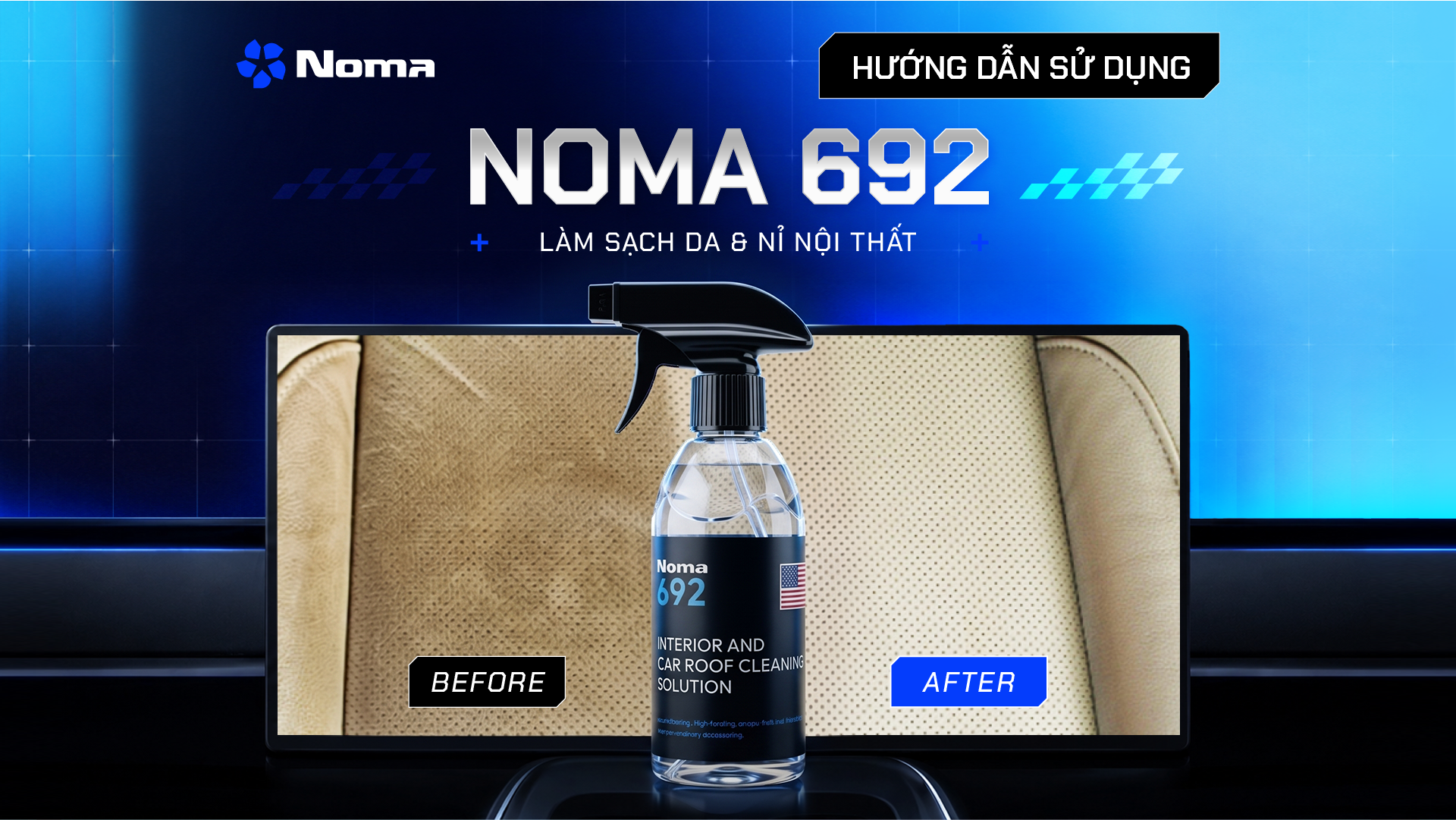
The fix: Only use cleaners specifically formulated for leather, with a safe, gentle formula. NOMA 692 is purpose-built for cleaning leather and fabric interiors without causing harm. This leather seat cleaner has a balanced pH, is gentle on leather, and effectively lifts dirt and grease.
Materials to avoid:
-
- Harsh ammonia-based cleaners.
-
- Shampoo or body wash meant for other purposes.
-
- Rubbing alcohol (99%) or other strong solvents.
-
- Industrial-strength chemical soaps.
Mistake 5: Forgetting the Hard-to-Reach Spots
Leather seats have plenty of seams, folds, and tight spots — exactly where dirt and bacteria love to build up. If you only wipe the flat surfaces and skip these areas, your seats will look clean on the outside while staying dirty underneath. These crevices are also where odor and mold tend to develop if moisture lingers.
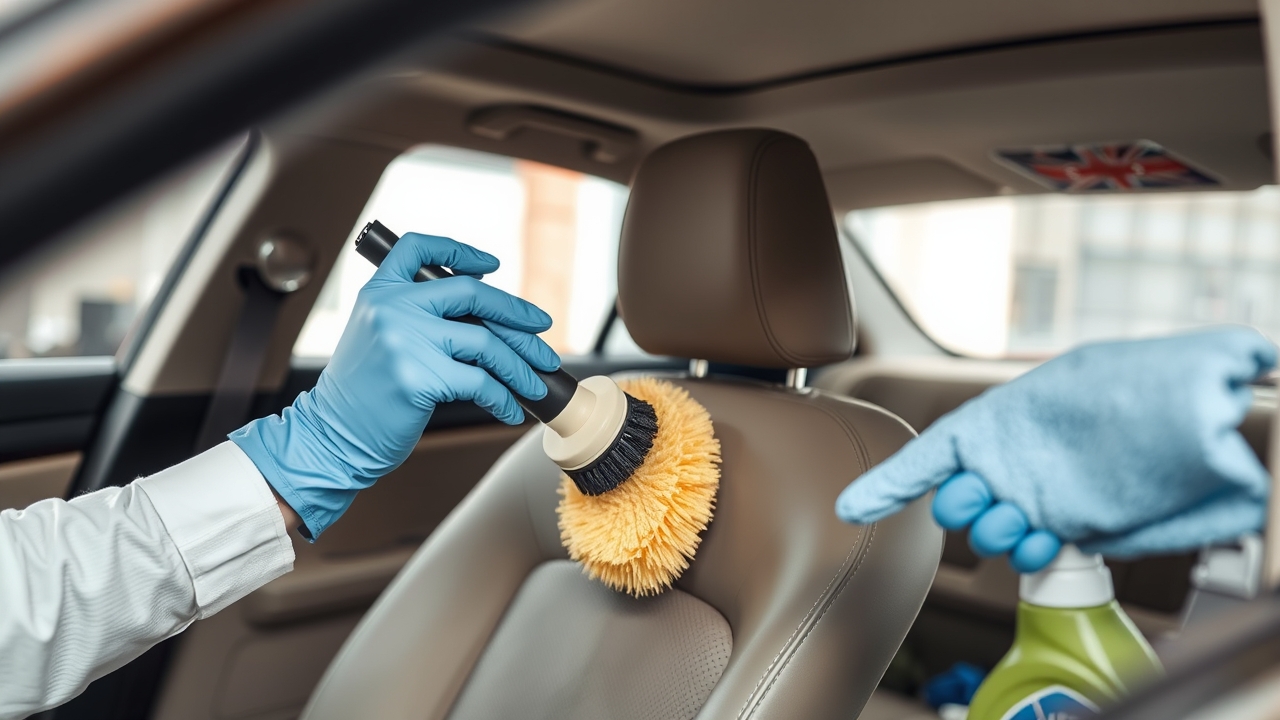
The fix: Use a soft brush or a detail brush to get into tight gaps. NOMA 692 has just the right consistency to lift dirt out of these spots without causing damage.
Detailed cleaning steps:
-
- Dip a soft brush into diluted NOMA 692 solution.
-
- Gently scrub the seams and folds.
-
- Wipe again with a damp cloth to lift out loosened dirt.
-
- Dry with a soft cotton towel.
Spots people often miss:
-
- The seams between leather panels.
-
- The armrests.
-
- Around the adjustment buttons (on power seats).
-
- The bottom edge of the seat, where dust builds up the most.
Comparison Table: NOMA 692 vs. Traditional Leather Seat Cleaning Methods
| Criteria | NOMA 692 | Warm Water + Soap | Industrial Cleaner | Dry Cleaning (Vacuum) |
|---|---|---|---|---|
| Safe for leather | ✓ Purpose-built formula | ⚠ Can dry out leather | ✗ Can damage leather | ✓ No chemical contact |
| Removes grease | ✓ Highly effective | ⚠ Somewhat effective | ✓ Overly aggressive | ✗ Dry dust only |
| Balanced pH | ✓ Yes | ⚠ Depends on the soap | ✗ Usually too high | ✓ Not applicable |
| Dry time | ⚠ 2–3 hours | ⚠ 2–3 hours | ⚠ 2–4 hours | ✓ Dry instantly |
| Cost per use | ✓ Economical (diluted) | ⚠ Cheapest | ✓ Cheap | ⚠ No product cost |
| DIY-friendly | ✓ Easy to use | ✓ Very easy | ✗ High risk | ✓ Easiest |
The Complete Leather Seat Cleaning Process with NOMA 692
Step 1: Prep
Vacuum up dirt, pet hair, and food crumbs with a vacuum cleaner or soft brush. Crack the windows for airflow.
Step 2: Mix the Solution
Mix NOMA 692 with cold water at a 1:3 ratio (1 part product to 3 parts water). For heavily soiled seats, you can go up to 1:2, but plan on wiping it down more thoroughly afterward.
Step 3: Clean the Surface
Dip a soft cloth or soft brush into the solution and wipe the entire seat surface, following the grain of the leather. Go over it 2–3 more times with a clean, damp cloth to remove any leftover solution.
Step 4: Tackle the Tight Spots
Use a small brush to get into narrow gaps, then wipe again with a damp cloth.
Step 5: Dry
Dry completely with a soft cotton towel. Crack the windows and use a fan or a hair dryer on the cool setting to speed up drying.
Step 6: Condition
Once the leather is completely dry, follow up with a dedicated leather conditioner.
Frequently Asked Questions About Cleaning Leather Car Seats
Q1: Is NOMA 692 safe for fabric seats too?
Yes, NOMA 692 is formulated to clean both leather and fabric seats. It’s gentle enough not to fade or damage fabric material. That said, when using it on fabric, test a small, hidden spot first just to be safe.
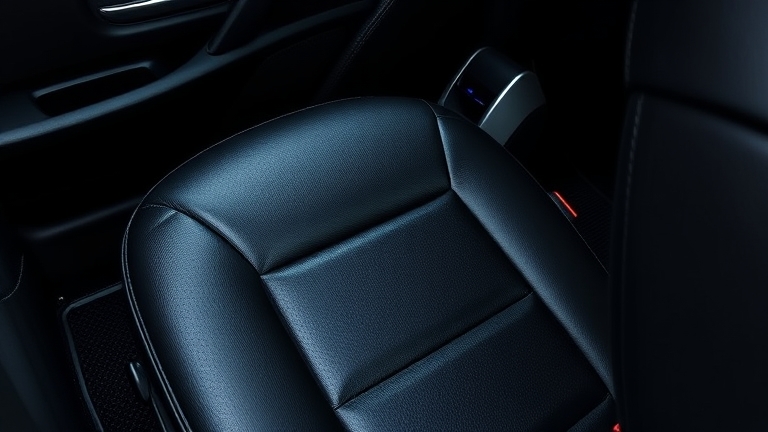 Frequently Asked Questions About Cleaning Leather Car Seats
Q2: How often should I clean my leather car seats?
It depends on how much you drive. If you’re driving daily, a thorough cleaning every 1–2 months is a good rule of thumb. If you drive less often, every 3–4 months is enough. Regular cleaning keeps dirt from building up, which makes each cleaning session easier.
Q3: Should I use a steam cleaner on leather seats?
Avoid steam cleaners. Steam that’s too hot (usually above 140°F/60°C) breaks down the leather’s structure, leaving it dry and stiff. Cold water combined with NOMA 692 is a much safer choice.
Q4: Will NOMA 692 leave my leather seats feeling slippery?
No. As a purpose-built interior cleaner, NOMA 692 is formulated to avoid leaving a slippery film once it dries. As long as you wipe away the excess solution, the seat will dry to a comfortable, non-slip finish.
Q5: I have sensitive skin — is it okay to use NOMA 692?
NOMA 692 is formulated to be gentle on skin, but if you have a history of allergies or sensitive skin, it’s a good idea to wear rubber gloves while using it. Avoid prolonged direct contact with your hands. If you’re unsure, test it on a small fabric swatch first.
Q6: Can I use NOMA 692 on other parts of the interior (dashboard, doors, fabric seats)?
Yes. NOMA 692 is designed as a multi-purpose cleaner for leather and fabric interiors. You can use it on the dashboard, seat backs, or other fabric trim. Just avoid getting electronic components too wet.
Conclusion: Clean Your Leather Car Seats the Right Way with NOMA 692
Cleaning leather car seats isn’t complicated, but it does require attention to detail. By avoiding these 5 common mistakes — hot water, skipping the drying step, forgetting to condition, using the wrong cleaner, and missing hard-to-reach spots — you’ll keep your interior clean, good-looking, and built to last.
NOMA 692 is a complete solution for cleaning leather and fabric interiors. Formulated to American standards, it’s safe, effective, and easy for any DIY car owner to use at home. Pair it with the right process, and you can maintain a professional-quality interior without an expensive trip to the detail shop.
Start with NOMA 692 — a dedicated leather interior cleaner today, and feel the difference in every cleaning session.