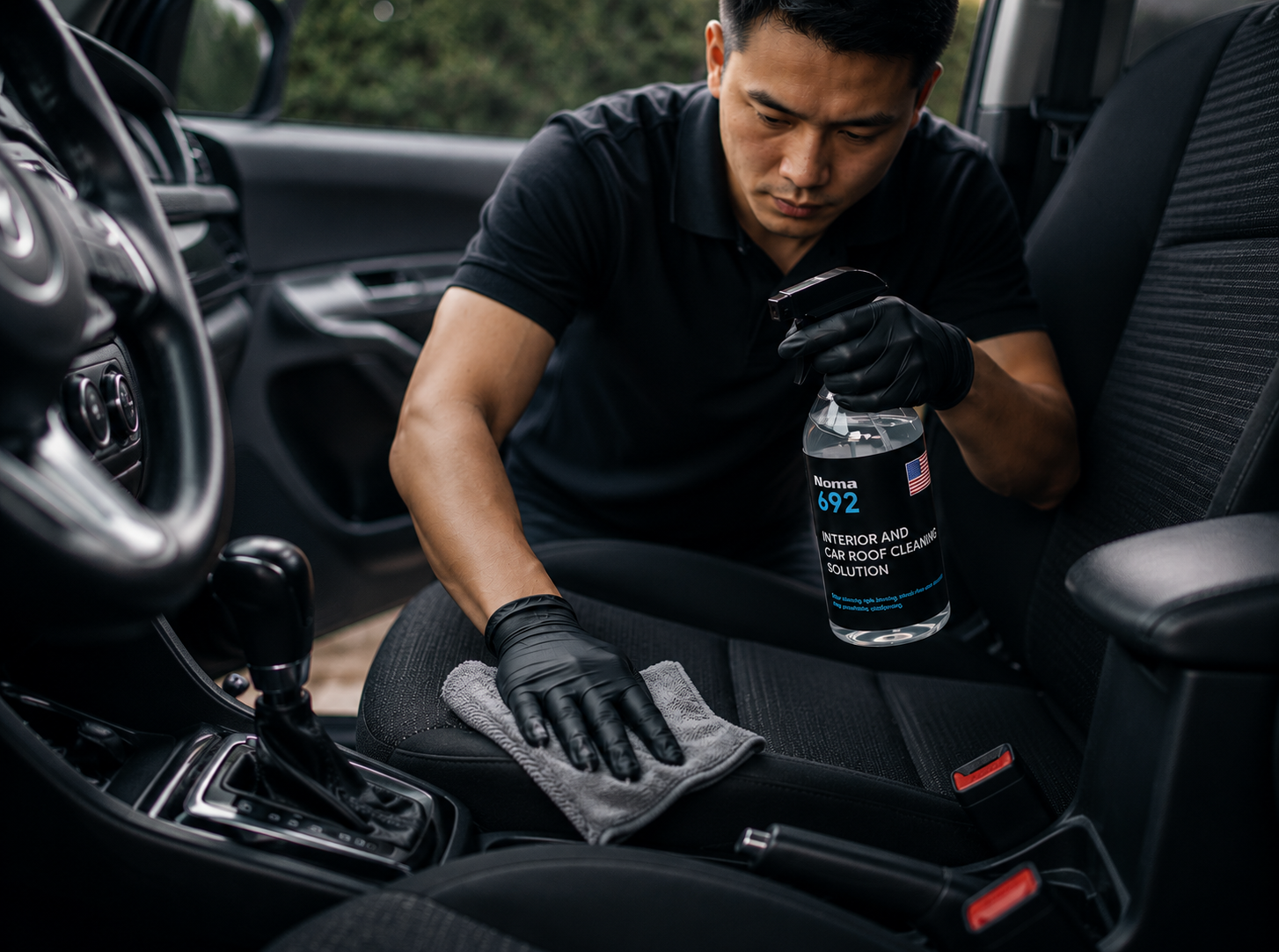




Dashboard Plastic Conditioner: NOMA 250 vs. Liqui Moly 2026

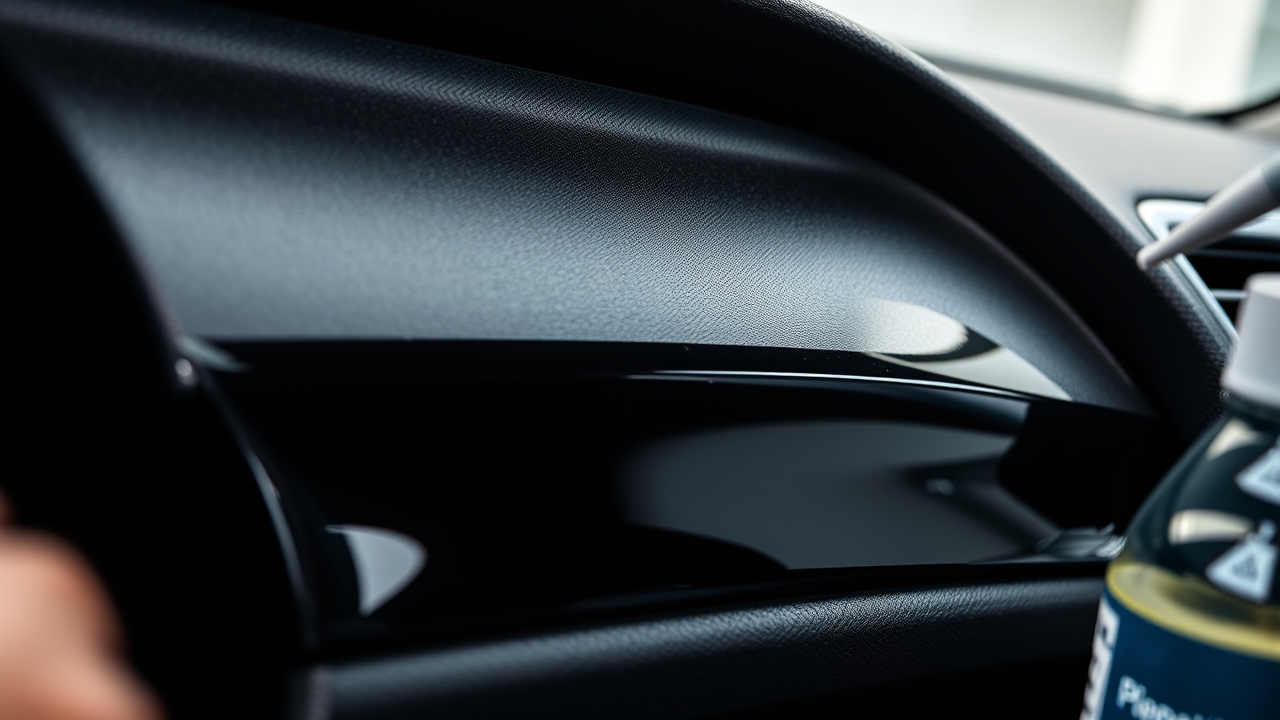
Dashboard Plastic Conditioner: NOMA 250 or Liqui Moly?
Conditioning your dashboard’s plastic is an interior care step a lot of car owners skip — but it plays a big role in cabin longevity and overall appearance. According to professional detail shops, dry, cracked dashboard trim is a leading cause of lower resale value.
Mục lục
On top of that, textured dashboard plastic attracts dust and scratches easily without regular conditioning. There are two popular options: NOMA 250 (an American-formulated textured-plastic restorer) and Liqui Moly (its German rival). This article compares them side by side so you can choose the right one.
Dashboard Plastic Conditioner: Know What You Actually Need
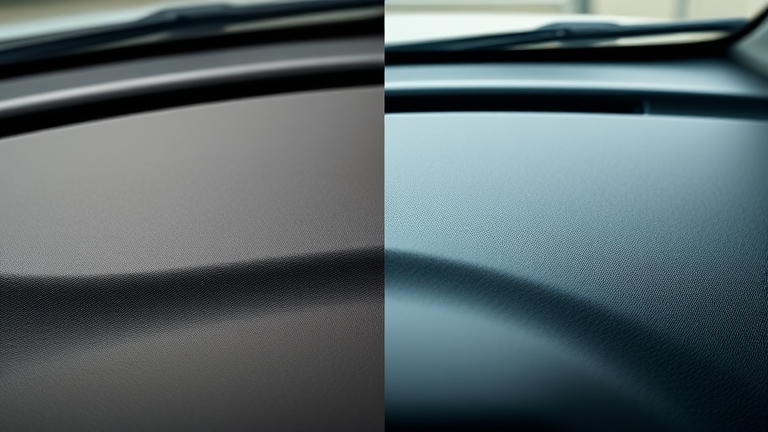
Before picking a product, it helps to understand the condition of your dashboard. A new car’s dash usually looks glossy, but after 1-2 years of UV exposure, the plastic surface turns dull and faded.
A dashboard conditioner typically needs to do three things:
-
- Restore color: bring the plastic back to black or its original shade.
-
- Add shine: build a protective layer that resists dirt.
-
- Provide lasting protection: guard against UV and cracking for 1-3 months.
Many owners take their car to a shop, but that runs $12-20. Doing it yourself with the right product is both cheaper and just as effective. NOMA 250 fits the American approach to car care — a job any owner can do at home.
NOMA 250: American-Formulated Textured-Plastic Restorer
NOMA 250 is a conditioner built for textured or faded black plastic, designed for owners who want to maintain their interior themselves. Its formula follows US detailing-industry standards, with a publicly available GHS-compliant SDS.
 NOMA 250: American-Formulated Textured-Plastic Restorer
Advantages of NOMA 250:
-
- Easy to use: spray directly on the dash, wipe with a soft cloth, and see results right away.
-
- Evaporates quickly, leaving no greasy residue behind.
-
- A natural-looking shine, not the greasy sheen some other products leave.
-
- Reasonably priced (~$8-10 for a 16.9 oz/500ml bottle), good for 3-5 full-interior applications.
-
- Works on multiple plastic surfaces: dashboard, door handles, window trim.
Limitations:
-
- Results last about 4-6 weeks with daily driving; longer-lasting results require reapplication.
-
- Not a “one-and-done” product — it needs regular upkeep.
Liqui Moly: A Mid-Tier Option from Germany
 Liqui Moly: A Mid-Tier Option from Germany
Liqui Moly is a German motor oil and car-care chemical brand best known for its engine products. Its dashboard conditioner also has a following.
Advantages:
-
- A long-established brand, widely stocked at auto shops.
-
- A stable formula that rarely causes side effects.
-
- Protection can last 6-8 weeks depending on conditions.
Limitations:
-
- Costs roughly 30-40% more than NOMA 250 (~$12-14).
-
- Comes in a smaller bottle than NOMA (typically 8.5 oz/250ml), so the long-term cost is higher.
-
- The finish looks less natural, and can turn greasy-looking after application.
-
- Less versatile than NOMA — mainly suited for the dashboard, not other plastic surfaces.
Detailed Comparison: NOMA 250 vs. Liqui Moly
 Detailed Comparison: NOMA 250 vs. Liqui Moly
| Criteria | NOMA 250 | Liqui Moly |
|---|---|---|
| Primary use | Restores textured/faded black plastic | Interior conditioning (dash, seats) |
| Formula standard | US detailing-industry standard | German standard (DIN) |
| Ease of use | Spray & wipe, instant results | Spray & wipe (slightly more involved) |
| Finish | Natural, matte-to-semi-gloss | Glossy, can look greasy |
| Durability | 4-6 weeks with daily use | 6-8 weeks |
| Bottle size | 16.9 oz (500ml) | 8.5 oz (250ml) |
| Price | ~$8-10 | ~$12-14 |
| Cost per use | Low (3-5 uses per bottle) | High (1-2 uses per bottle) |
| Multi-surface use | Dash, handles, window trim, fabric seats | Mainly dashboard |
| Public SDS/ingredient info | ✓ Yes, GHS-compliant | ✓ Yes, DIN-compliant |
| Ideal for home DIY | ✓ Excellent | ◐ Average |
How to Condition Dashboard Plastic the Right Way
Whether you choose NOMA 250 or Liqui Moly, your technique determines the outcome. Most disappointing results come down to process, not the product.
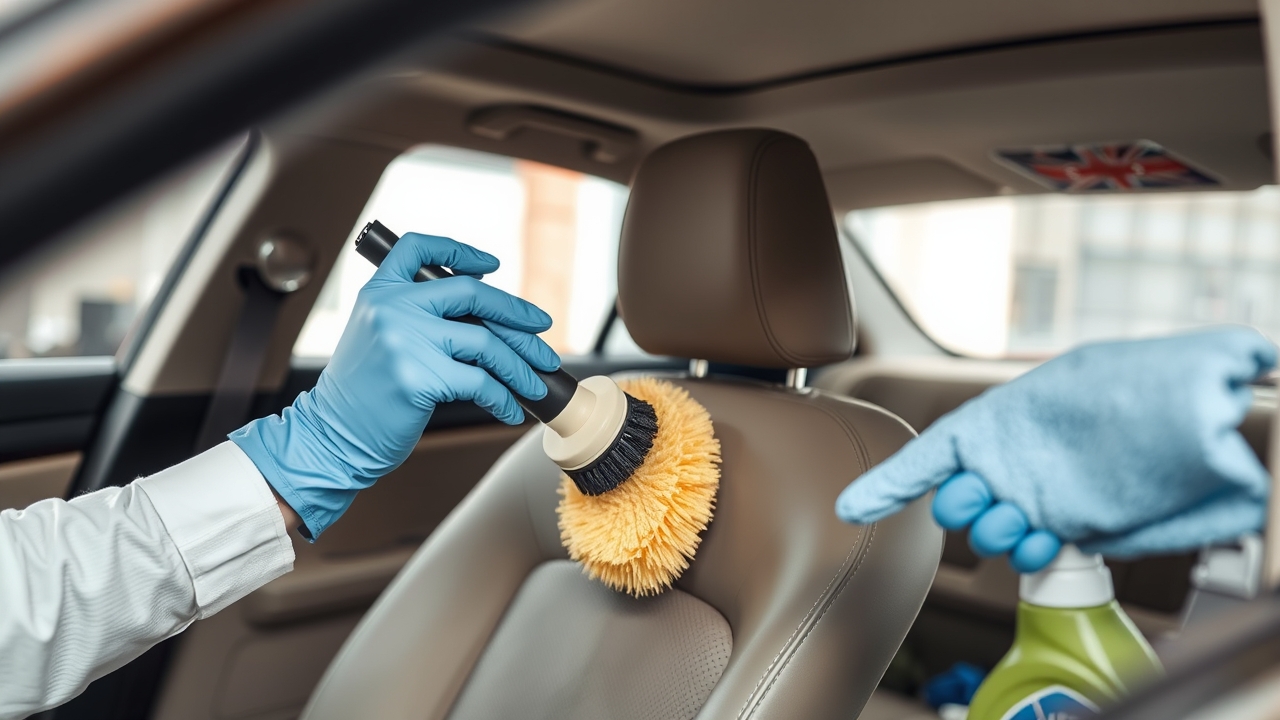
Step 1: Prep and clean the dashboard
Clean the dash with a soft brush and water, or an all-purpose cleaner. Let it dry completely (5-10 minutes) before conditioning — don’t skip this step.
Step 2: Spray the product
Spray evenly across the entire dash surface, holding the bottle about 8-12 inches (20-30cm) away. Don’t oversaturate (it’ll look greasy), and don’t under-apply (you’ll get weak results).
Step 3: Wipe with a soft cloth
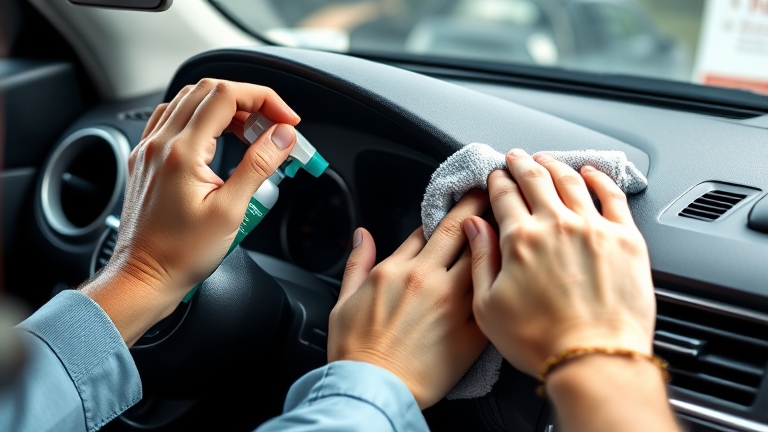
Using a microfiber cloth (not too wet), wipe slowly from top to bottom, then left to right. Even, consistent wiping avoids patchy shine.
Step 4: Let it finish and check the result
Wait 5-10 minutes for the product to fully evaporate, then check the shine. If you want more gloss, do a light second wipe with a dry cloth.
Ingredients: Why NOMA 250 Is a Trusted Dashboard Conditioner
Plenty of car owners worry about chemical safety. NOMA 250 has a publicly available GHS-compliant SDS and contains safe conditioning ingredients (mineral oil, silicone, poly-based resins). It doesn’t contain excessively harsh chemicals.
Liqui Moly is also considered safe, though its exact formula is less publicly documented. Both are internationally certified products that shouldn’t cause side effects when used as directed.
Safety note: Wash your hands after use; avoid spraying near your eyes.
The Better Choice for At-Home DIY
If you’re a DIY car owner who handles maintenance yourself, NOMA 250 comes out ahead because of:
-
- 30-40% lower cost, with one bottle good for 3-5 applications.
-
- Ease of use: spray and wipe, no special technique needed.
-
- A natural-looking finish that suits most cabin interiors.
-
- Versatility: works on the dash, handles, window trim, and fabric seats.
-
- Strong feedback from the DIY detailing community.
Liqui Moly makes more sense if you prefer a long-established brand name or want slightly longer durability (6-8 weeks vs. 4-6 weeks). That said, the higher price and smaller bottle make it a less economical choice overall.
Frequently Asked Questions About Dashboard Plastic Conditioning
Should I condition the dashboard every week?
No. Conditioning too often leaves the dash looking greasy and attracts more dust. Every 2-4 weeks is typically enough, depending on driving conditions and sun exposure.
Is NOMA 250 suitable for older cars (10+ years)?
Yes. In fact, the older and drier the dashboard, the more noticeable the improvement from NOMA 250. That said, if the plastic has deep cracks, conditioning alone won’t fully restore it — you may need a dash cover or basic repair first.
Why does my dashboard still look dull after conditioning?
You may have applied it to a dashboard that wasn’t fully clean or dry. Always clean and dry the surface completely before conditioning. Or you may have used too little product — apply an even, generous (but not excessive) coat.
Can I use Liqui Moly and NOMA 250 together?
It’s best not to mix two different products. If you’ve already used one, stick with the same product for reapplication, or clean the surface thoroughly before switching to a different one.
Does a dashboard conditioner make the steering wheel slippery?
With a quality product, it shouldn’t cause any issues. But if the finish is too greasy, it can leave your hands feeling slightly slick on the wheel — in that case, use less product or choose one with a more natural finish (NOMA 250 has the edge over Liqui Moly here).
Conclusion: A Smarter Way to Condition Your Dashboard
Conditioning your dashboard plastic properly extends your interior’s lifespan and helps protect resale value. Between NOMA 250 and Liqui Moly, here’s how to decide:
-
- Low cost + easy application + fast results → go with NOMA 250.
-
- 6-8 weeks of durability + an established brand name → go with Liqui Moly.
That said, for most DIY car owners, NOMA 250 offers the best overall balance of price, performance, and ease of use. Start a regular conditioning routine now — your dashboard will thank you two or three years down the road.
 Frequently Asked Questions About Dashboard Plastic Conditioning
References
- Reports from professional detailing shops