


5 Common Mistakes When Cleaning Fabric Car Seats — and How to Fix Them

5 Common Mistakes When Cleaning Fabric Car Seats — and How to Fix Them
Fabric car seats get dirty fast since they’re constantly exposed to dust, sweat, coffee spills, and more. But cleaning fabric car seats isn’t as simple as just water and soap. According to quality and standards industry reports, using the wrong cleaning product on fabric seats can damage synthetic fibers, leave them matted, and cause visible fading after just 2–3 cleanings.
Mục lục
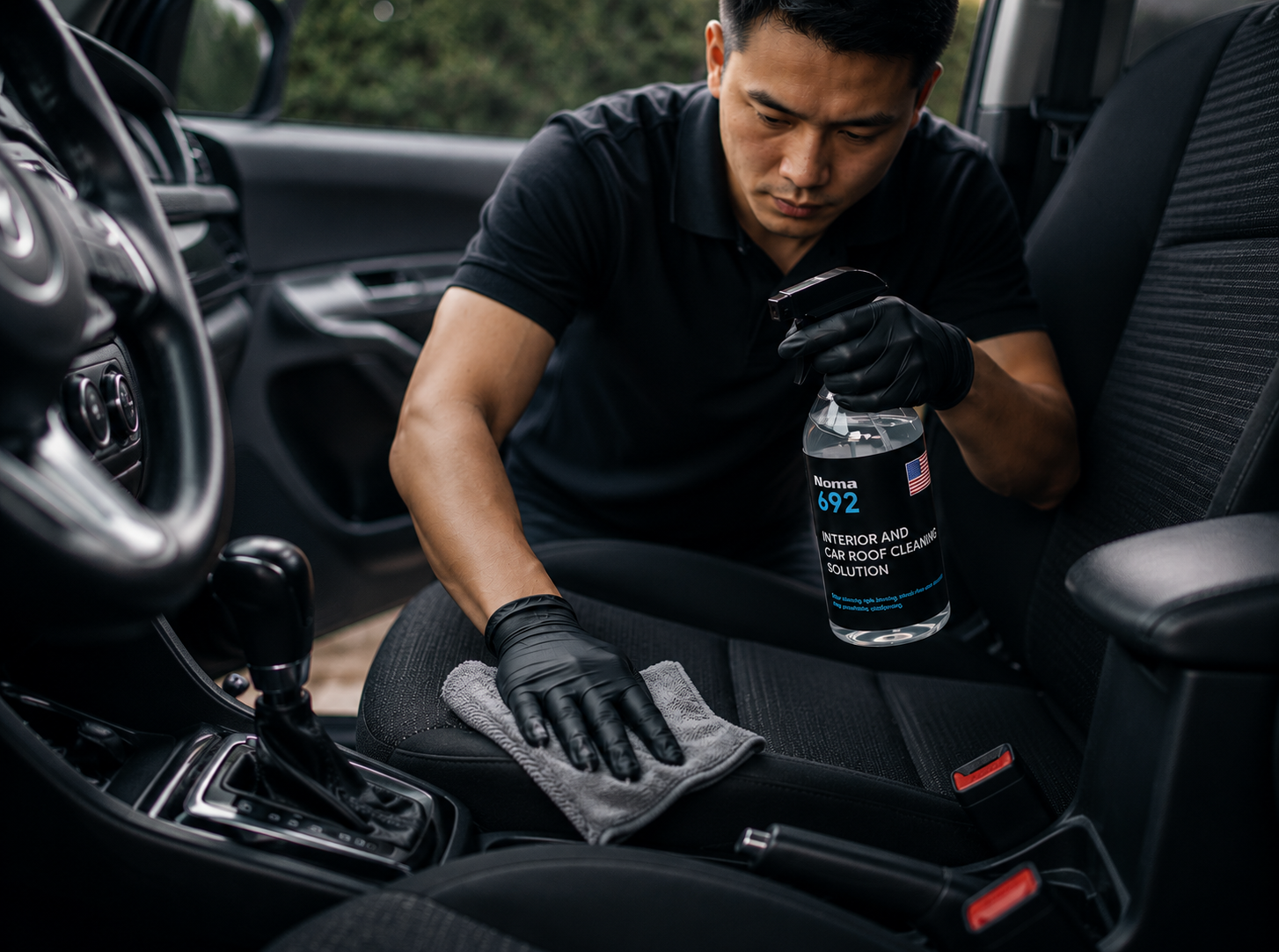
Below are the 5 most common mistakes car owners make when cleaning fabric seats, along with detailed fixes for each. With NOMA 692 — built specifically for cleaning fabric and leather car seats — you’ll have a professional-grade tool to keep your fabric seats clean and long-lasting.
Mistake 1: Using Water That’s Too Hot
One of the biggest mistakes is cleaning fabric seats with water that’s too hot. Plenty of people assume hot water cuts through stains more easily, but the opposite is actually true.
Once water temperature climbs above 122°F (50°C), fabric fibers shrink, lose their elasticity, and become prone to damage. This is especially risky for synthetic fabric blends, since man-made fibers can’t handle high heat.
The fix: Always use cold or lukewarm water (below 86°F/30°C) when cleaning fabric seats. For better cleaning power without the heat, use a dedicated product like NOMA 692 — a cleaning solution formulated specifically for fabric and leather that doesn’t require hot water.
Also, let the seat air-dry naturally, and avoid direct sun exposure or a hot hair dryer.
Mistake 2: Scrubbing Too Hard, Which Pulls and Frays the Fibers
A lot of people scrub hard when cleaning fabric seats, assuming it removes stains more effectively. In reality, fabric fibers are quite vulnerable to mechanical force.
When you scrub too aggressively, fibers get pulled loose from the base weave, damaging the fabric’s structure. The telltale signs are a fuzzy, matted texture, loss of that smooth finish, and visible balding patches.
The fix includes:
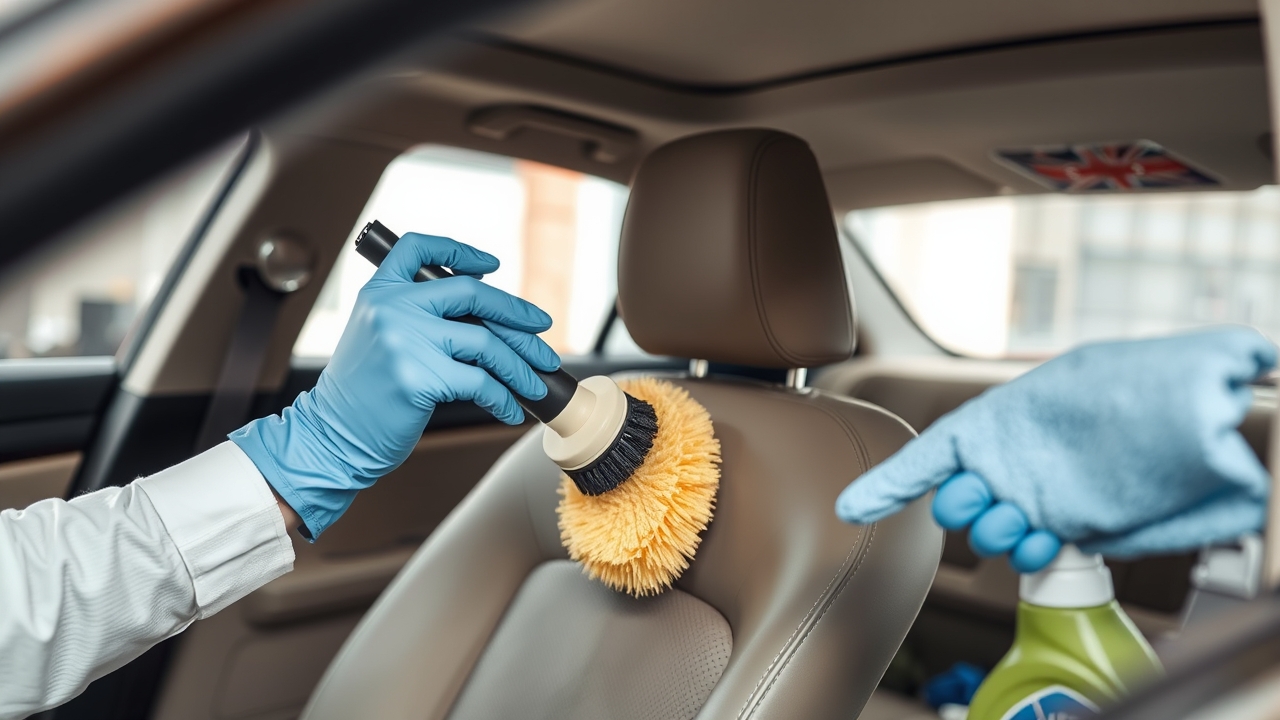
• Use your hand or a soft brush (natural bristle) and scrub gently in one direction only.
• When using a towel, choose a fine-fiber option — ideally a dedicated microfiber towel — instead of a stiff or rough cotton cloth.
• Avoid stiff brushes, facial scrub brushes, or toilet brushes — these tools will tear up fabric fast.
Mistake 3: Not Drying Properly, Which Leads to Odor
After cleaning fabric seats, leftover moisture creates a damp environment that’s prone to odor and mildew. A lot of people leave the seat wet for too long or close up the car right away without letting it dry.
The result: after a few days, the seat develops a sour smell, and there’s a real risk of mold or harmful bacteria growing.
The fix:
• After cleaning, use a dry towel (or clean absorbent paper) to blot up as much moisture from the seat as possible.
• Open the car doors and windows and let the seat air-dry naturally for 2–3 hours. On a sunny day, you can even sit in direct sunlight with the doors open to speed up evaporation.
• DO NOT use a hair dryer or any hot air source to dry the seat — this will damage the fabric fibers.
Mistake 4: Leaving Behind Powder or Chemical Residue That Re-Soils the Seat
Some powder-based fabric cleaners are marketed as highly effective. But if you don’t fully vacuum up the leftover powder, it ends up settling back into the fabric.
Leftover powder residue makes the seat feel dirty again and uncomfortable to sit on. What’s more, some powders contain harsh chemicals that can cause fading or leave white marks on fabric.
The fix:
• Favor liquid or foam cleaners over powder formulas. NOMA 692 is a dedicated liquid formula that rinses away cleanly without leaving powder or residue behind.
• If you do use a powder product, vacuum thoroughly afterward with a vacuum cleaner or soft brush to make sure none is left behind.
• Always check a new product carefully before full use — read the instructions and spot-test on a small, hidden area first.
Mistake 5: Skipping Regular Cleaning, Letting Dirt Build Up and Become Hard to Remove
Plenty of car owners only clean their fabric seats once they’re seriously dirty. But cleaning on a regular schedule (every 1–2 weeks) is far easier than tackling seats that have been dirty for a long time.
When stains sit for a long time, they soak deep into the fibers and become much harder to remove. That forces you to scrub harder or use stronger chemicals, both of which damage the fabric.
The fix:
• Clean your fabric seats regularly — wipe away dust and sweat at least once every 2 weeks.
• After every drive, if you notice a spot of dirt, clean it right away — this only takes 5–10 minutes and prevents stains from setting in deep.
• Check out our complete interior maintenance guide for more detail on frequency and technique.
Comparison Table: Common Mistakes vs. The Right Approach
| Criteria | Common Mistake | The Right Approach | Result |
|---|---|---|---|
| Water temperature | Too hot (>122°F/50°C) | Cold or lukewarm (<86°F/30°C) | Fibers don’t shrink, fabric lasts longer |
| Scrubbing technique | Scrubbing hard, tearing fibers | Gentle scrubbing with a soft brush | No matting, smooth fabric surface |
| Drying | Left wet, car closed up | Blot dry, crack windows, air-dry | No odor, no mold growth |
| Product used | Powder or harsh chemicals | Dedicated formula like NOMA 692 | Clean result, no fading |
| Frequency | Only cleaned once heavily soiled | Regular cleaning (every 2 weeks) | Easier cleanup, longer-lasting seats |
The Best Solution: Cleaning Fabric Car Seats with NOMA 692
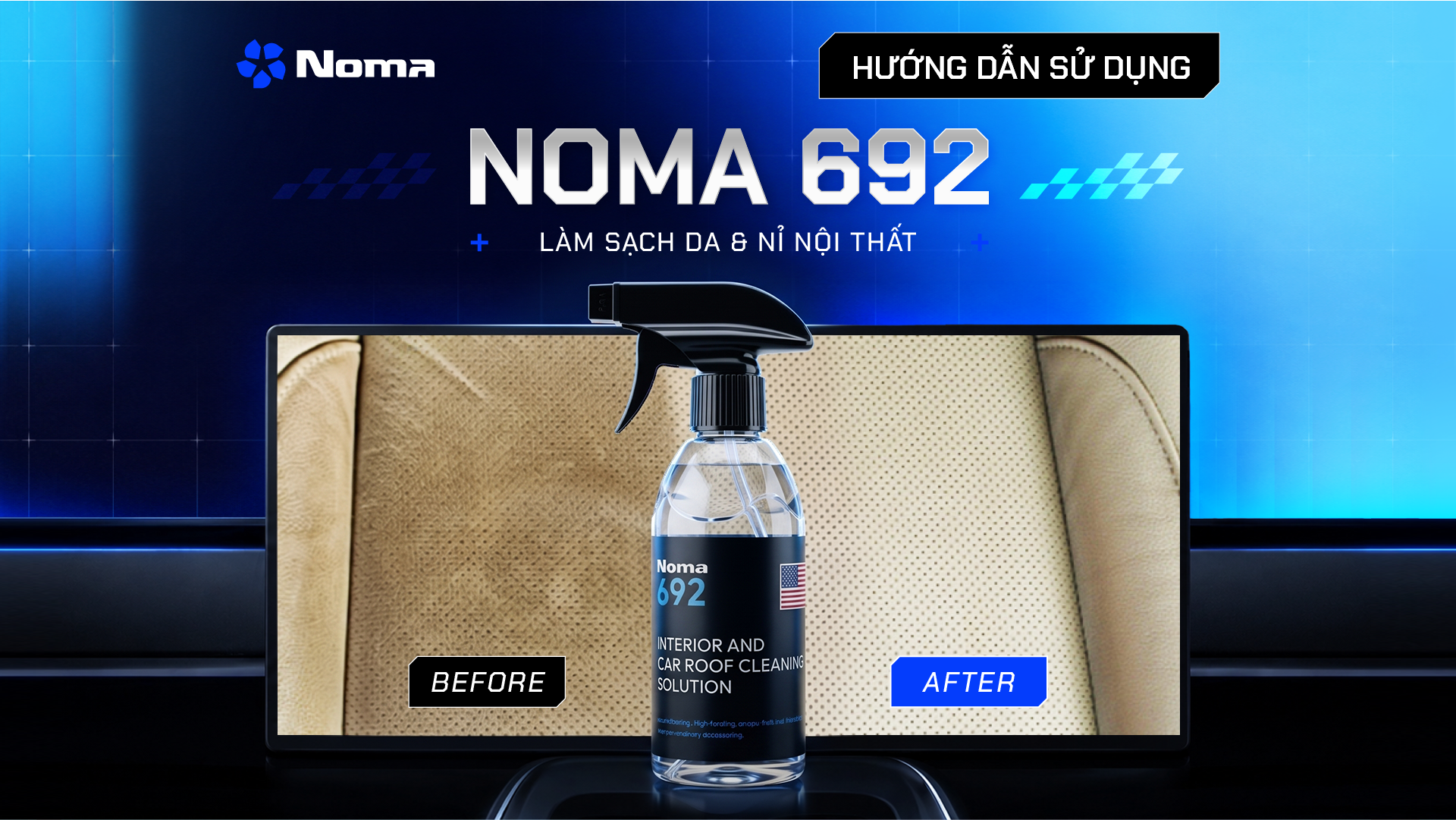
NOMA 692 is a dedicated product formulated to clean fabric and leather car interiors without causing damage. Standout features include:
• A formula that’s safe for fabric fibers: no corrosive chemicals, compatible with synthetic fiber structures.
• Rinses away easily: just cold water — no hot water or hard scrubbing required.
• No powder or residue left behind: a pure liquid formula that evaporates fully once dry.
• Effective odor elimination: cleans deep and removes the bacteria that cause odor.
The NOMA 692 cleaning process:
1. Vacuum the seat first to remove loose dirt.
2. Mix NOMA 692 according to the recommended ratio (typically 1 part product to 5 parts cold water).
3. Use a soft brush or a dedicated upholstery brush to scrub gently in one direction.
4. Wipe away excess moisture with a clean microfiber towel.
5. Crack the windows and let it air-dry naturally for 1–2 hours.
According to professional detailers, using the right product and the correct process can extend interior lifespan to 5–7 years, compared to just 2–3 years with improper cleaning habits.
Frequently Asked Questions About Cleaning Fabric Car Seats
What’s the fastest way to clean fabric seats without damaging them?
The fastest method is a dedicated product like NOMA 692 paired with a soft brush. A full seat cleaning only takes 15–20 minutes. For small spot cleaning (water marks, light dust), you can be done in 5 minutes with a damp microfiber towel.
Can I use regular dish soap to clean fabric seats?
It’s not recommended. Regular dish soap is too harsh and can fade or dry out fabric fibers. Choose a dedicated product like NOMA 692, formulated for both leather and fabric, or another purpose-built interior cleaner.
What causes odor in fabric seats, and how do I get rid of it?
Odor usually comes from moisture, bacteria, mold, or long-term sweat buildup. To eliminate it, do a deep clean with NOMA 692, then let the seat dry completely. If the smell lingers, leave a bowl of baking soda on the seat overnight to absorb it.
How often should fabric seats be cleaned each year?
Plan on wiping away dust and sweat at least once every 2 weeks. If you drive daily or notice visible dirt, do a deeper clean once a month. On top of that, a full deep clean every 3–6 months helps maintain overall quality.
What kind of brush works best for cleaning fabric seats?
A soft natural-bristle brush or a dedicated upholstery brush is your best bet. Avoid stiff brushes, facial scrub brushes, or toilet brushes, since they’ll tear up the fabric. A small brush head with soft bristles lets you clean detail areas without damaging the material.
Do I need a pressure washer to clean fabric seats?
No, avoid using a pressure washer on fabric seats. Strong water pressure pulls fibers loose from the base weave. Stick to hand-washing with a soft brush, or use a wet vacuum if you have one available.
Conclusion: Proper Fabric Seat Cleaning Is a Skill Worth Learning
Cleaning fabric car seats isn’t difficult, but avoiding these common mistakes is essential to protecting your interior. Hot water, scrubbing too hard, leaving seats wet, and skipping regular cleaning all cause damage that adds up over time.
By following the guidance above and using a dedicated product like NOMA 692, you’ll keep your fabric seats clean, soft, and long-lasting. Start today with a regular cleaning schedule and the right tools — your fabric seats will thank you.