


How to Clean Fabric Car Seats Effectively with NOMA 692 — 2026 Guide

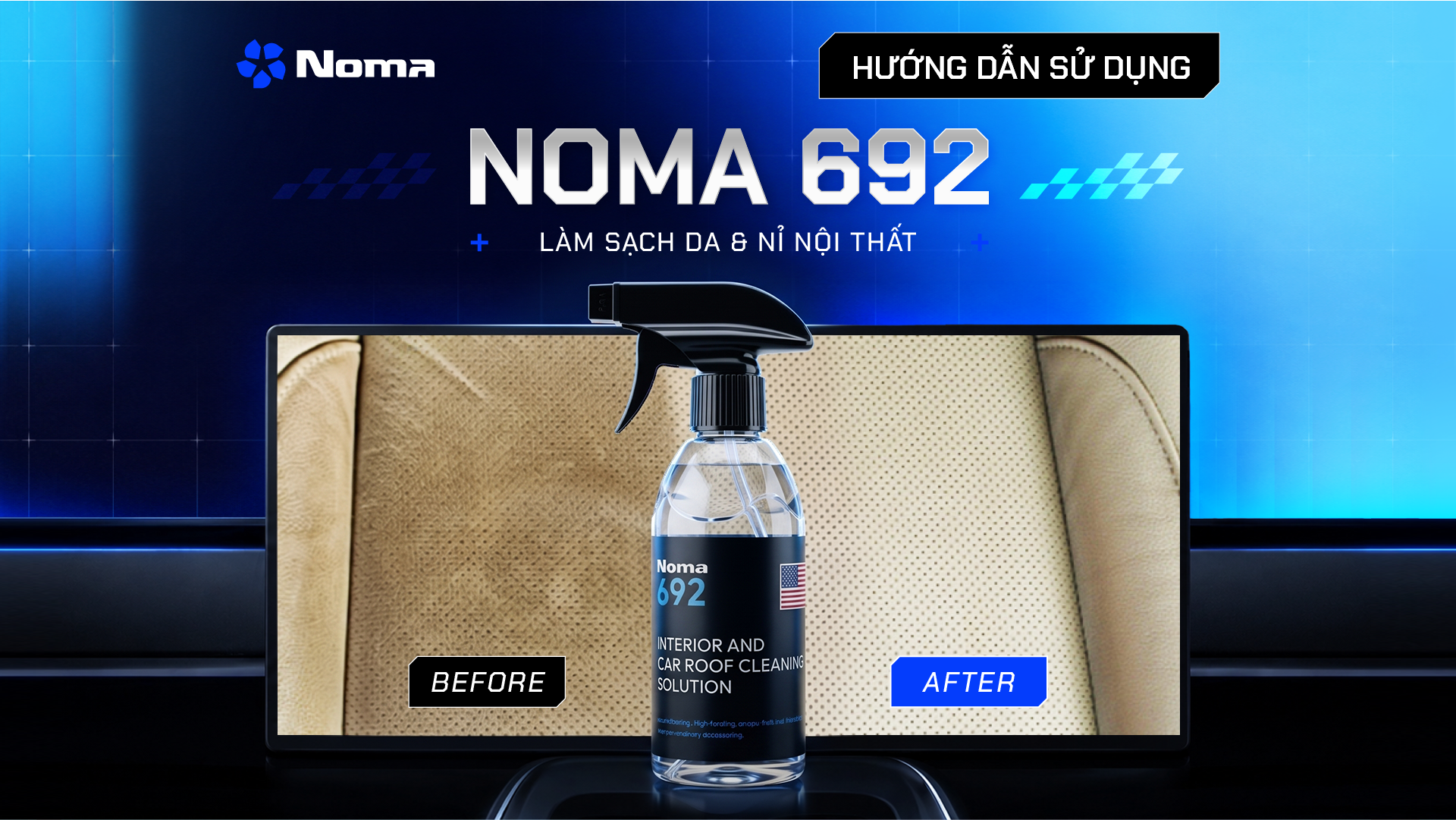
How to Clean Fabric Car Seats Effectively with NOMA 692
Fabric car seats take a daily beating from clothing, sweat, dust, and spills. According to auto-care experts, dirty fabric seats don’t just look bad — skipping regular cleaning shortens the material’s lifespan too. Cleaning fabric seats the right way helps them last longer, keeps colors looking fresh, and keeps your cabin sanitary. NOMA 692 is a purpose-built solution designed to clean fabric without damaging the fibers.
Mục lục
This article walks you through using NOMA 692 to clean fabric car seats step by step, from prep to finish, plus expert tips for the best results.
Common Problems When Cleaning Fabric Car Seats
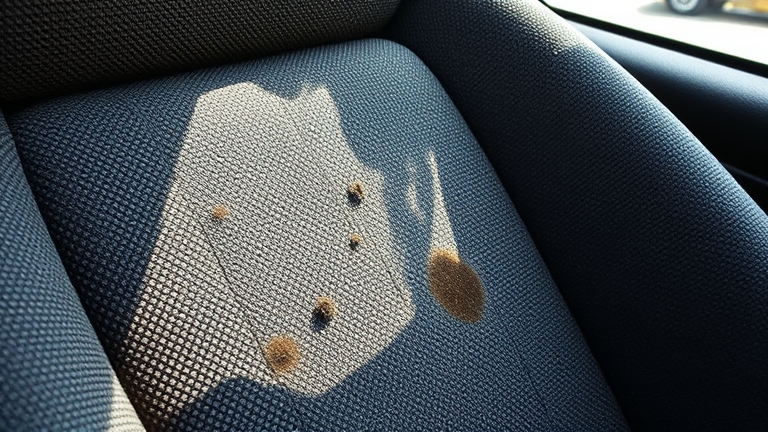
Most DIY car owners reach for soapy water or dish soap to clean fabric seats, but this approach causes plenty of problems. Dish soap often contains strong foaming agents that can bleed dye out of the fabric or leave behind an oily residue.
 Common Problems When Cleaning Fabric Car Seats
The second issue is staining and prolonged dampness. After washing, fabric seats can take hours to dry, giving dust and bacteria plenty of time to build up. On top of that, scrubbing too hard damages the fibers and strips away that original soft texture.
The effective fix is a purpose-built product like NOMA 692, formulated specifically for fabric — strong enough to clean thoroughly, yet gentle on the fibers.
Key Features of NOMA 692 — Safe, Fast Fabric Seat Cleaning
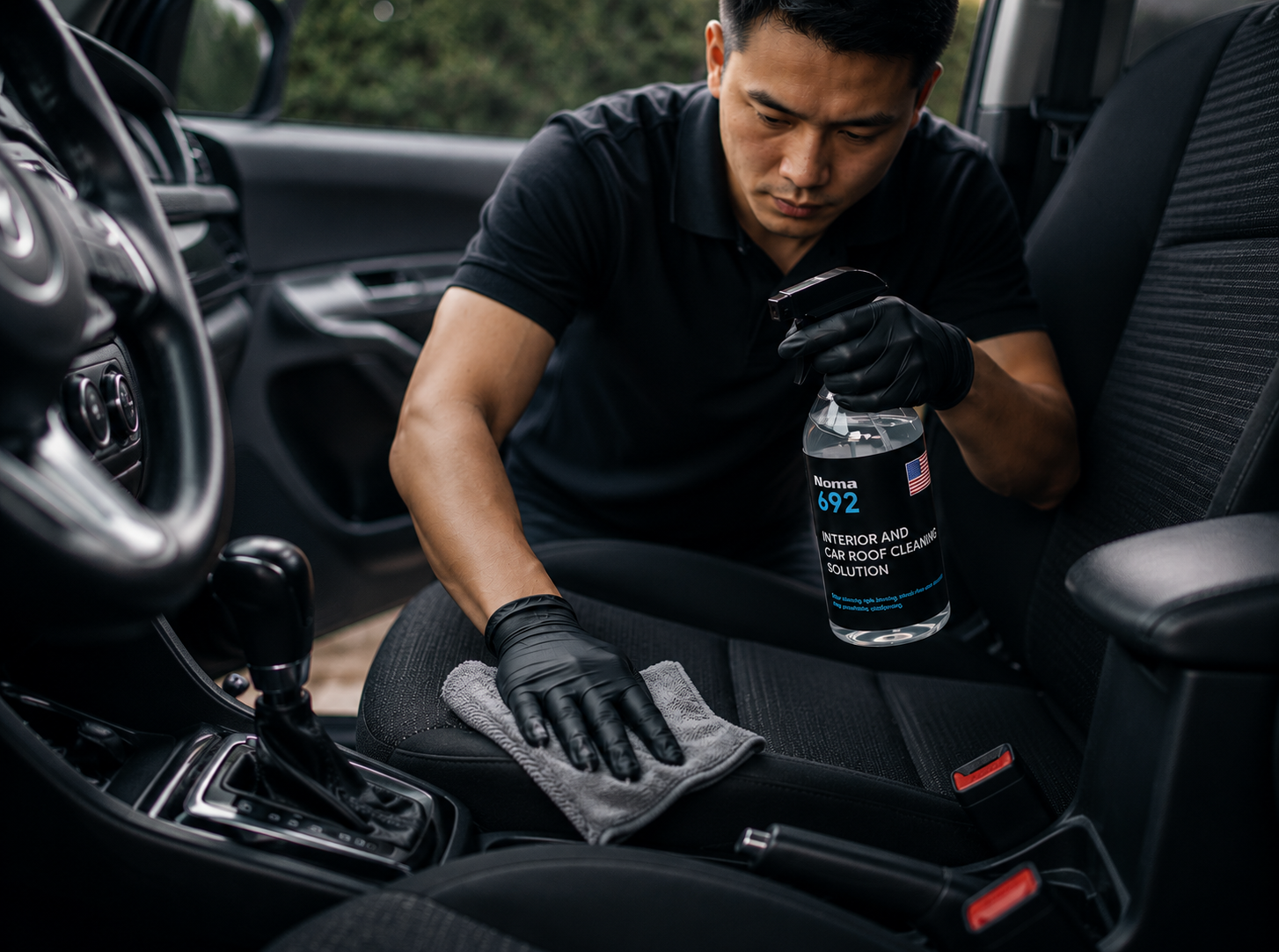
NOMA 692 is a dedicated cleaner for automotive leather and fabric seats. Its formula follows American detailing-industry standards and contains no harsh, damaging cleaning agents.
The product is able to:
-
- Break down dust, grime, and stains without fading color or bleeding dye.
-
- Create a fine foam that’s easy to scrub without leaving water rings.
-
- Dry quickly thanks to a fast-evaporating formula, leaving seats soft and dry within minutes.
-
- Stay mild if there’s minor incidental eye contact (though it’s still best to avoid).
⚠️ Safety note: NOMA 692 can irritate eyes. Wear protective eyewear while spraying, avoid spraying directly toward your face, and wash your hands after use.
6-Step Process for Cleaning Fabric Car Seats with NOMA 692
Step 1: Prep and Inspect the Surface
Start by checking the condition of the fabric. If there’s dry, embedded dust, use a soft-bristle brush or vacuum to pull it out of the fibers first. This lets the cleaning solution make direct contact with the actual grime instead of having to work through a layer of dust.
Open the car doors to let air circulate and keep the space ventilated. Have a clean microfiber or soft cotton towel ready. Avoid using lint-prone towels or paper towels, since they can leave fibers behind on the fabric.
Keep a trash bag or bin nearby so you can toss debris right away instead of leaving it on the floor of the car.
Step 2: Spray NOMA 692 onto the Fabric
Shake the NOMA 692 bottle gently to mix the formula, then spray it onto the fabric seat. Apply slowly and don’t overdo it — you don’t want the seat soaking wet. A thin, even coat across the area you’re cleaning is enough — for one seat, that’s roughly 5-10 sprays depending on how dirty it is.
Spray the seat base, backrest, and both sides. Let the product soak into the fibers for 30 seconds so the active ingredients can get to work.
If the seat is especially dirty, you can add a bit more and wait an extra minute. Just don’t let the product sit and dry on the fabric too long, since it becomes harder to wipe off once it dries.
Step 3: Scrub Gently with a Brush or Cloth
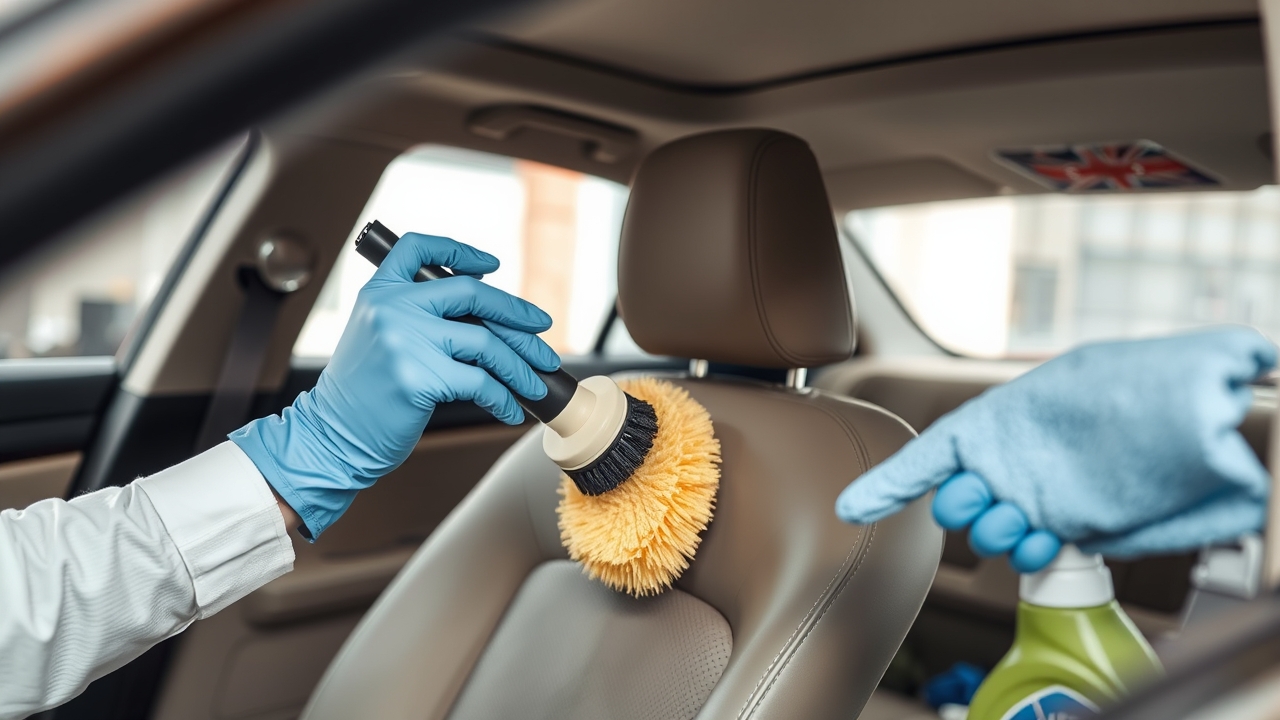
Grab a soft-bristle brush (around $1-2 at most stores) or a damp microfiber cloth, and scrub gently in the direction of the fabric grain. Work section by section, without scrubbing too hard, to avoid damaging the fibers.
Avoid stiff brushes (like the kind meant for floors), since they’ll rough up the fabric and flatten its texture. Scrub evenly, paying extra attention to heavily soiled areas like seat edges and spots your hands touch often.
If you see foam turning dirty as you scrub, that’s a good sign — it means the product is doing its job.
Step 4: Dry with a Clean Towel
Use a clean microfiber towel (or a soft cotton one) to dry the fabric. Wipe slowly with light pressure, following the same direction as the fibers. If the fabric still feels damp, switch to a fresh towel and go over it again to avoid leaving the seat wet.
Thanks to NOMA 692’s fast-drying formula, the seat should dry within just a few minutes. If it’s still damp after 5 minutes, use a fan or open the car doors to help air it out.
Step 5: Check Your Results
Once the fabric is dry, sit down and feel the texture — it should be soft and smooth. Check corners and creases carefully to make sure no grime is left behind. If any stains remain, repeat steps 2-4 on that specific spot.
A properly cleaned seat should smell fresh, with no damp or musty odor. If there’s still a lingering smell, open the doors to air the cabin out further.
Step 6: Keep Up with Regular Maintenance
To keep fabric seats from getting dirty again quickly, clean them every month or every 2 months depending on how much you drive. Owners who drive daily in the city should aim for roughly once a month.
Check out our complete interior care guide for more NOMA products that pair well with this routine.
Expert Tips for the Best Results Cleaning Fabric Seats
Tip 1: Skip the hot water
Hot water can shrink fabric or cause dye to bleed. Use warm or cool water to rinse your cloth before scrubbing.
Tip 2: Wipe in the direction of the fibers
Fabric fibers have a natural grain — wiping with it keeps the seat feeling smooth. Wiping against the grain can leave the texture looking rough.
Tip 3: Use a dedicated high-quality microfiber towel
Premium microfiber towels (400-600 GSM) absorb water and grime far better than regular cotton towels. Investing in a good microfiber towel saves you drying time.
Tip 4: Don’t let the product dry on the fabric
If you forget to wipe it off in time, NOMA 692 will dry and leave a faint white ring on the fabric. If that happens, just spray it again and wipe once more.
Tip 5: Test on a hidden spot first
If you’re unsure how the product will interact with an unfamiliar fabric, test it on an inconspicuous area — like under the seat — before doing the whole thing.
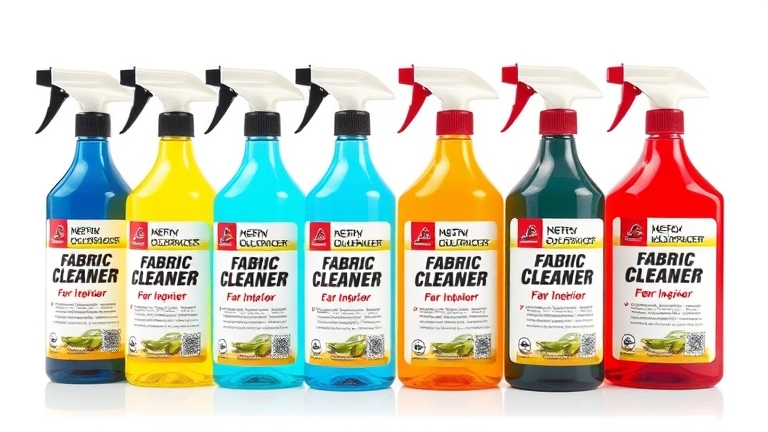
NOMA 692 vs. Other Fabric Seat Cleaners
| Criteria | NOMA 692 | Chemical Guys Leather Cleaner | Turtle Wax Upholstery Cleaner | Sonax Fabric Cleaner |
|---|---|---|---|---|
| Works on fabric/leather | ✓ Both | ✓ Mainly leather | ✓ Fabric | ✓ Fabric |
| Fast drying | ✓ Very fast | ◐ Average | ◐ Average | ✓ Fast |
| US pricing | ✓ Competitive | ✗ Imported, pricier | ✗ Imported, pricier | ✗ Imported, pricier |
| Widely available | ✓ Authentic, direct | ✗ Limited | ✗ Limited | ✗ Limited |
| Scent | ✓ Natural | ✓ Strong | ✓ Moderate | ✓ Strong |
| Follow-up needed | ✓ None required | ✗ Conditioner needed after | ✗ Conditioner needed after | ◐ Optional |
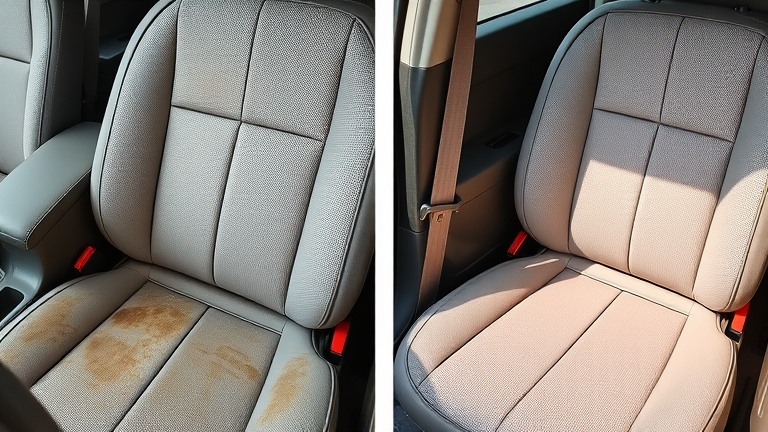
Before/After Results with NOMA 692
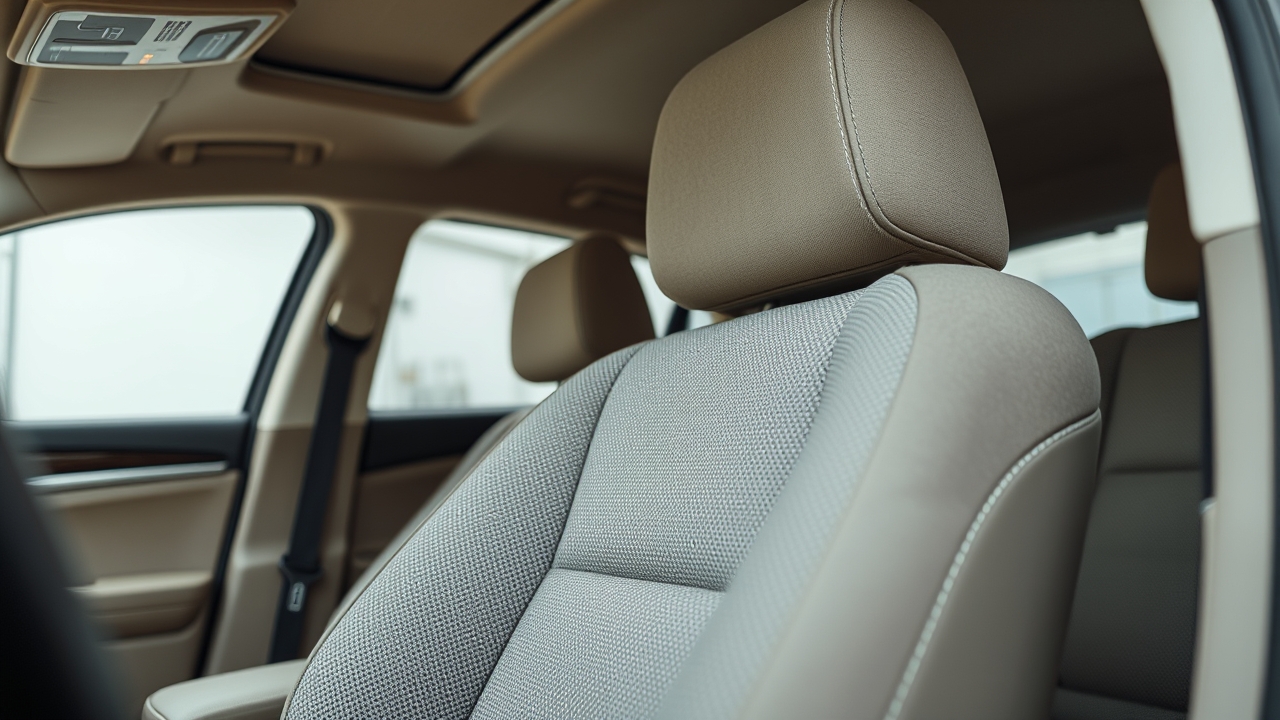
Before: Stained fabric, dark grime around the edges, a musty smell, and a rough, matted texture.
 NOMA 692 vs. Other Fabric Seat Cleaners
After: Bright, refreshed fabric color, no musty smell, a soft texture, and a seat that feels like new.
According to professional detailers, regular cleaning with the right product can add 2-3 years to a fabric seat’s usable life.
Frequently Asked Questions About Cleaning Fabric Car Seats
Question 1: Is NOMA 692 safe around kids?
NOMA 692 is a cleaning product that can irritate eyes with direct contact. Store it somewhere safe, out of reach of children, and don’t let them handle or ingest it. Wash your hands thoroughly after use. If it accidentally gets in your eyes, rinse immediately with clean water.
Question 2: How often should I use NOMA 692?
It depends on how much you drive. For daily drivers, cleaning every 1-2 months works well. If the car sits more, every 3 months is fine. For spills or fresh stains, clean right away.
Question 3: Can NOMA 692 be used on leather seats too?
Yes, NOMA 692 works on both fabric and leather. That said, for rare or specially treated leather, test on a hidden spot first to be safe. Check out our dedicated leather-care products for more specialized options.
Question 4: Does the product have a strong color, smell, or harsh chemicals?
NOMA 692 has a light blue or pale yellow tint, with a mild, natural scent — no harsh chemical smell. It’s manufactured through an international OEM partner to ISO standards and meets GHS safety requirements. Full details are available in the included SDS (safety data sheet).
Question 5: Does NOMA 692 extend the lifespan of fabric seats?
Not directly, but regular cleaning protects seats from cracking, staining, and mold that lead to premature wear. Keeping seats clean is the best way to help them last.
Question 6: Is it a problem to use NOMA 692 several times a week?
Not recommended. Fabric needs time to recover, and cleaning too frequently (every 2-3 days) wears down the fibers. Every 1-2 months is enough to keep seats clean and in good shape.
Question 7: Do I need a conditioning product after cleaning with NOMA 692?
Not required. But if you want an extra-soft, glossy finish, you can follow up with a fabric conditioner (like NOMA 230) a day or two later.
Conclusion
Cleaning fabric car seats isn’t difficult — it just takes the right product and process. NOMA 692 is built to clean fabric safely, dry quickly, and avoid any damage. With the 6 simple steps above, you can clean your fabric seats at home like a pro, save the cost of a detail shop visit, and pick up a useful skill along the way.
 Frequently Asked Questions
Give NOMA 692 a try and feel the difference in your interior cleaning routine. Clean seats don’t just make your car look better — they’re part of the same American approach to car care that anyone can master at home.