
5 Steps to Restore Yellowed Headlights with NOMA 620 — Real, Visible Results

5 Steps to Restore Yellowed Headlights with NOMA 620 — Real, Visible Results
Yellowed, foggy headlights are a common problem on cars after 5–7 years of use. The main culprits are UV rays, heat, and humidity, which oxidize the polycarbonate outer layer of the headlight lens. According to reports from professional detailing shops, roughly 70% of car owners handle this at home themselves rather than pay the higher cost of a dealership visit.
Mục lục
NOMA 620 is a dedicated product for restoring yellowed, foggy headlights without removing the housing or using complex equipment. The restoration process takes just 30–45 minutes, with visible results after the very first use. This article walks you through a detailed 5-step process, from prep to checking your results, so you can achieve professional-level headlight care at home.
Step 1: Prep and Choose the Right Headlight Restoration Product
Before you start restoring yellowed headlights, gather your tools and choose the right product. NOMA 620 is a top pick for headlight restoration thanks to a formula built specifically for yellowing and haze.
Tools you’ll need:
- Clean microfiber towels (2–3)
- Clean water or distilled water
- A small container or tray
- A soft brush or boar-hair brush (optional)
- Protective gloves (NOMA 620 can be irritating to skin)
About NOMA 620:
NOMA 620 is developed to professional detailing standards, with active ingredients that trigger a reverse-oxidation reaction to strip away the oxidized layer on the outside of the headlight. When used correctly, the product does not harm the underlying polycarbonate material.
⚠️ Safety warning: NOMA 620 can be irritating to skin and mucous membranes. Always wear gloves when using it, avoid contact with eyes, and rinse immediately with clean water if any product gets on your skin.
You can also explore NOMA’s full lineup of car care products to plan out a longer-term maintenance routine for your vehicle.
Step 2: Clean and Dry the Headlights Before Restoration
Thorough cleaning is essential to ensure NOMA 620 performs at its best when restoring yellowed headlights. Any leftover dust, grime, or salt residue will affect your final results.
Detailed cleaning steps:
- Wash the headlights with clean water and a mild soap to remove surface dust and grime
- Dry completely with a clean microfiber towel
- Wait 2–3 minutes to let the headlights dry fully before applying NOMA 620
- If the headlight surface is still damp, restoration results will be noticeably weaker
Some car owners use distilled water or a dedicated glass cleaner for an extra-thorough clean, though plain water is usually sufficient. Once dry, you’re ready for the next step.
Step 3: Apply NOMA 620 to Restore Yellowed Headlights
This is the step that determines your restoration results. Applying the product correctly ensures the active ingredients in NOMA 620 make even contact across the whole surface for maximum effect.
How to apply NOMA 620:
- Shake the NOMA 620 bottle thoroughly for 15–20 seconds to ensure the active ingredients are well mixed
- Pour a small amount (about 5–10 ml) into a tray or small container
- Dip a soft brush or microfiber cloth into the solution
- Apply NOMA 620 evenly across the entire yellowed headlight surface
- Work it in with light, circular motions to avoid damaging the polycarbonate
- Let the product sit for 10–15 minutes (this dwell time is critical)
After 10–15 minutes, gently wipe with a clean microfiber towel to lift away the now-loosened oxidized layer. Keep your motions light to avoid scratching the headlight surface.
Step 4: Check Your Results and Repeat If Needed
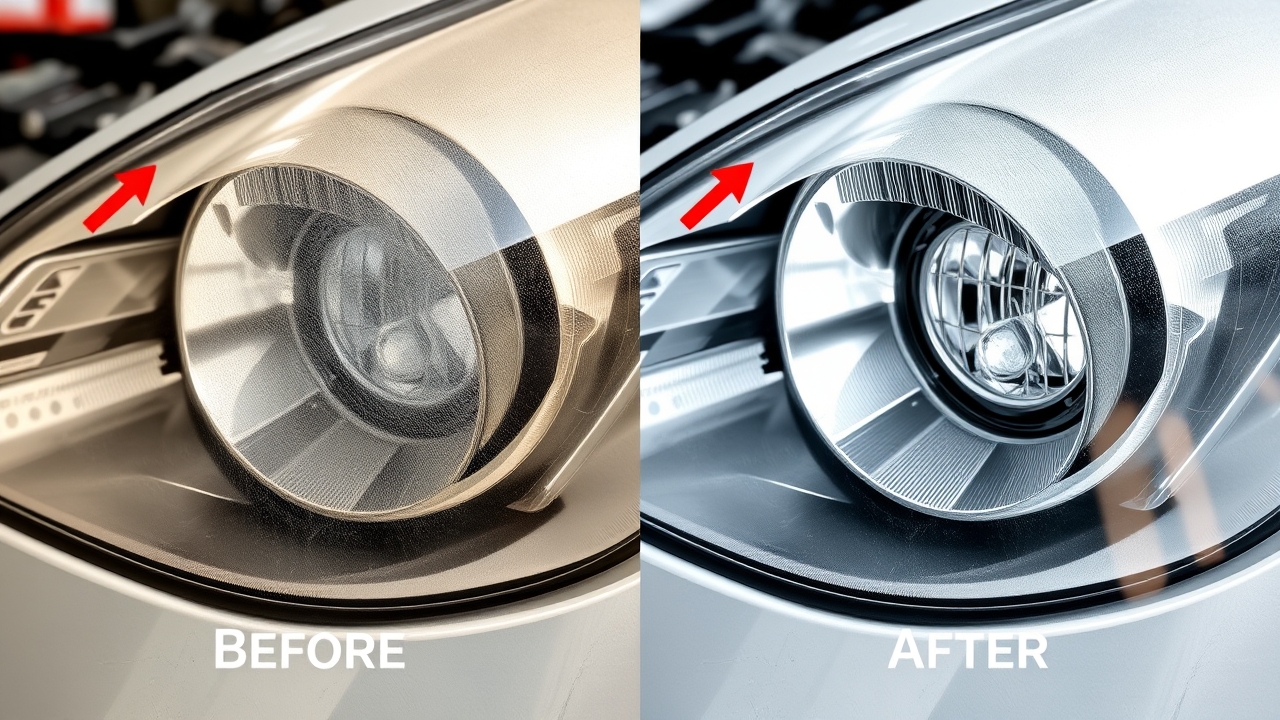
Once wiped clean, you’ll notice a clear difference right away. The headlight will look brighter, with noticeably less yellowing and haze. Depending on how bad the original yellowing was, you may need to repeat the process.
How to check your results:
- Rinse off all remaining NOMA 620 with clean water
- Dry with a microfiber towel
- Inspect the headlight in natural daylight, and check its nighttime beam performance
- Compare before-and-after photos to clearly see the improvement
If the headlight is still noticeably yellowed, you can repeat the process one or two more times. For very severe yellowing, you may need 3–4 applications of NOMA 620, spaced 2–3 days apart to give the polycarbonate time to recover.
| Yellowing Level | Applications of NOMA 620 Needed | Time to Complete | Expected Result |
|---|---|---|---|
| Mild (10–20%) | 1 application | 45 minutes | 90–95% clarity restored |
| Moderate (30–50%) | 2 applications | 2–3 days | 80–90% clarity restored |
| Severe (>50%) | 3–4 applications | 1–2 weeks | 70–85% clarity restored |
Step 5: Maintain and Protect Your Headlights After Restoration
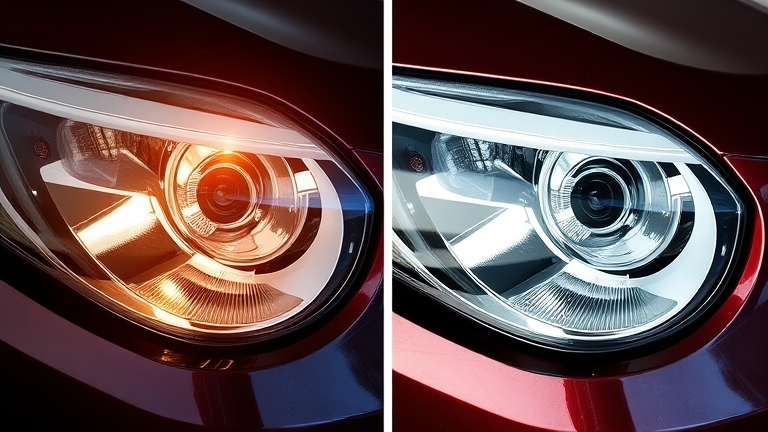
After restoring your yellowed headlights, ongoing maintenance is key to making the results last. Keep your headlights clean and limit their long-term exposure to UV rays.
 Step 5: Maintain and Protect Your Headlights After Restoration
Headlight maintenance steps:
- Wash your headlights regularly whenever you wash the car (at least once a week)
- Use clean water and a soft microfiber towel to avoid scratching
- Dry immediately after washing to prevent water spots
- Park in a garage or under cover when possible to reduce UV exposure
- Apply NOMA 922 (nano glass coating) to the headlights after restoration to add an extra layer of oxidation protection
NOMA 922 nano glass coating helps shield your headlights from environmental damage. The NOMA 922 usage guide has more details on how to pair these two products.
With regular maintenance, your headlights will stay bright and optically clear for much longer, reducing how often you’ll need to restore them again.
Frequently Asked Questions About Restoring Yellowed Headlights
Is NOMA 620 safe on polycarbonate?
Yes, NOMA 620 is formulated to be safe on polycarbonate when used according to the instructions. The active ingredients only target the outer oxidized layer without damaging the headlight’s underlying structure. That said, it’s important not to let the product sit too long, and always wear gloves to protect your skin. For more protective products, check out NOMA’s full car care lineup.
How long do headlight restoration results last?
How long results last depends on your driving conditions and how well you maintain your headlights afterward. If you wash your car regularly, park under cover, and apply a protective nano coating, results can last 6–12 months. Cars in regions with extreme sun or rain exposure may need restoration again after just 3–6 months. Regular maintenance helps extend the time between restorations.
Do I need to remove the headlight housing to restore it?
No. NOMA 620 is designed to be used directly on the headlight while it’s still mounted on the car — no disassembly required. Removing the headlight housing can be complicated, time-consuming, and risks damaging other components. On-car restoration with NOMA 620 is simpler, safer, and just as effective.
Is headlight restoration expensive?
Restoring your headlights at home with NOMA 620 is far more affordable than a professional shop visit. NOMA 620 is inexpensive, and a single bottle can restore both front headlights. A professional shop restoration can cost significantly more, while doing it yourself only costs the price of the product.
Can NOMA 620 be used on other types of vehicles?
Yes, NOMA 620 works on most types of vehicles: sedans, SUVs, pickups, and minivans. As long as the headlight lens is made of polycarbonate, you can use NOMA 620 to restore yellowed headlights. For classic cars or specialty headlight lenses, check the material first before applying.
Conclusion: Restoring Yellowed Headlights Doesn’t Have to Be Difficult
Restoring yellowed headlights is something any car owner can do at home with NOMA 620. Follow the detailed 5-step process above and you’ll get professional-level results without an expensive shop visit. Professional-grade car care at home isn’t difficult — you just need the right products and some basic know-how.
Start restoring your car’s yellowed headlights today with NOMA 620, and you’ll see your car looking bright and new again.