






What to Pack and Prep Before a Long Road Trip

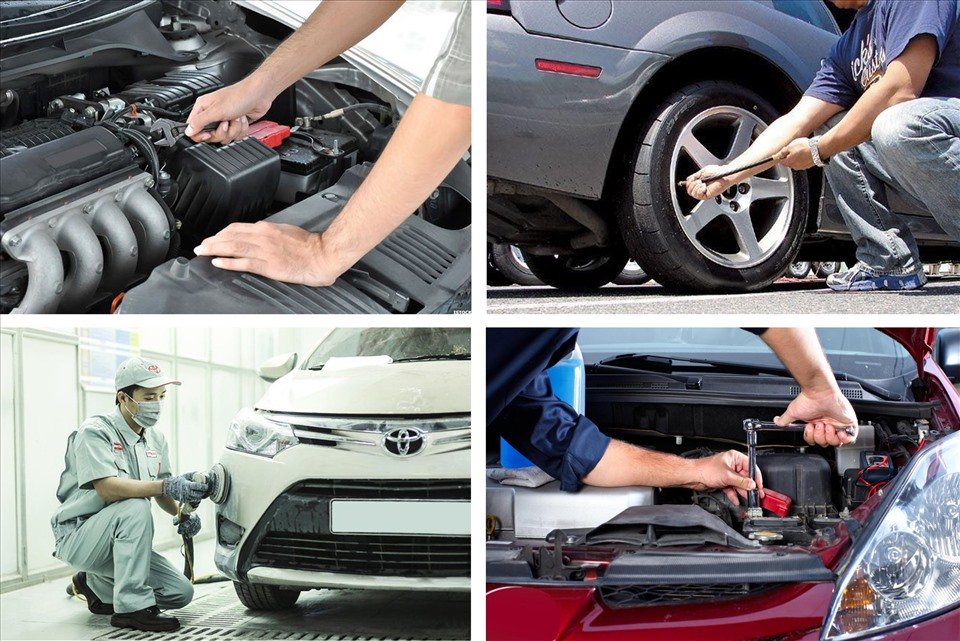
What to prepare before a long road trip is always the deciding factor between a smooth, safe journey and one full of headaches. Being fully prepared doesn’t just help you avoid unexpected risks and breakdowns — it also gives you and your travel companions real peace of mind. Let’s walk through it together with Noma in the article below.
Mục lục
1. What to Prepare Before a Long Road Trip
A successful road trip comes down to two things: a car that’s in top running condition, and a driver who’s prepared. Skipping basic checks can lead to trouble you didn’t see coming, turning what should be a fun getaway into an exhausting ordeal. To help you enjoy a safe, stress-free trip, the experts at Noma have put together a detailed checklist covering exactly what to prepare before hitting the road for a long drive.
2. Part 1: Your Car’s Condition — The Make-or-Break Factor for Any Trip
This is the most important part of your prep, and it’s never something to take lightly. Check your car at least 2-3 days before departure so you have enough time to fix any issues you find.
2.1. Tires
Tires are the only part of your car that actually touches the road — and they’re also behind many dangerous breakdowns.
- Check tire pressure: Inflate all tires, including the spare, to the manufacturer’s recommended pressure (usually listed on a sticker on the driver’s side door jamb). Both underinflated and overinflated tires are dangerous and waste fuel.
- Check tread wear: Look at the tread wear indicators in the grooves. If the tread has worn down flush with these markers, it’s time for new tires.
- Inspect the tire surface: Look for cracks, bulges, or any foreign objects lodged in the tire.
2.2. Brakes
- Check brake fluid: Open the hood and check the brake fluid level in the reservoir. If it’s below the “MIN” line, top it off and check for leaks.
- Feel how the brakes respond: During a test drive, pay attention to how the brakes engage — listen for squealing and feel for any vibration in the pedal. If you notice either, take the car to a shop to have the brake pads and rotors inspected.
2.3. Fluids Under the Hood
- Engine oil: Pull the dipstick, wipe it clean, reinsert it, then pull it out again to check the level. It should sit between the “MIN” and “MAX” marks.
- Coolant: Check the level in the overflow reservoir. Never open the main radiator cap while the engine is still hot.
- Windshield washer fluid: Keep the reservoir topped off so you always have a clear view of the road.
2.4. Electrical and Lighting Systems
- Battery: Check the terminals for corrosion or looseness. If your battery is more than 2-3 years old, have it tested at a shop with proper diagnostic equipment.
- Lights: Have someone stand outside the car and check every light: headlights (low and high beam), taillights, brake lights, turn signals, and fog lights.
2.5. Other Essentials
- Wiper blades: Check for hardened or worn rubber. If the wipers streak or leave water marks, replace them right away.
- Air conditioning: Turn it on and make sure it’s cooling properly.
Expert tip: If you’re not confident doing this yourself, or if your car is due for routine maintenance anyway, your best bet is to bring it to a trusted shop like Noma. We offer a [comprehensive pre-road-trip inspection] package, so every part of your car gets a thorough check from professional technicians.
3. Part 2: Essential Items for Your Trip
Once your car is in top shape, it’s time to pack the essentials.
3.1. Personal ID and Vehicle Documents
- Vehicle registration, inspection certificate, and mandatory liability insurance.
- Driver’s license and ID/passport.
- Double-check that your inspection and insurance are still valid before you leave.
3.2. Emergency Repair Kit
- Tire-change tools: A jack and lug wrench. Make sure you know exactly where they’re stored in your car.
- Mini air compressor: An incredibly handy tool to have on hand.
- Jumper cables: In case your battery dies.
- Flashlight: Essential if you run into trouble after dark.
3.3. Driving Aids
- A fully charged smartphone.
- Portable battery pack and charging cable for the car.
- Phone mount.
- Dash cam (make sure the memory card has enough free space).
3.4. Driver Health and Alertness
- Get a full night’s sleep before you set off.
- Pack some snacks, water, and gum to help you stay alert.
- Plan your route and rest stops in advance.
Final Thoughts
Answering the question of what to prepare before a long road trip with a thorough checklist is simply what a responsible driver does. Careful preparation is never wasted effort — it’s the key to a safe, enjoyable trip free of unpleasant surprises. By taking a little time to check your car’s condition and pack the right essentials, you’re giving yourself and your loved ones real peace of mind.