

Restoring Faded Black Trim with NOMA 250 — A Detailed 2026 Guide


Restoring Faded Black Trim with NOMA 250 — A Detailed 2026 Guide
Black plastic trim (also called textured plastic) on parts like the dashboard, door panels, window trim, and side moldings is especially prone to fading, which can really hurt your car’s overall look. According to automotive industry reports, nearly 70% of car owners don’t know how to restore faded black trim themselves, so they end up paying a detail shop instead.
Mục lục
NOMA 250 is a dedicated spray for restoring faded black and textured plastic trim, bringing back natural color and shine without needing a professional service. This guide walks through every step to get the best results.
What Causes Black Trim to Fade
Before restoring faded black trim, it helps to understand what’s actually causing it.
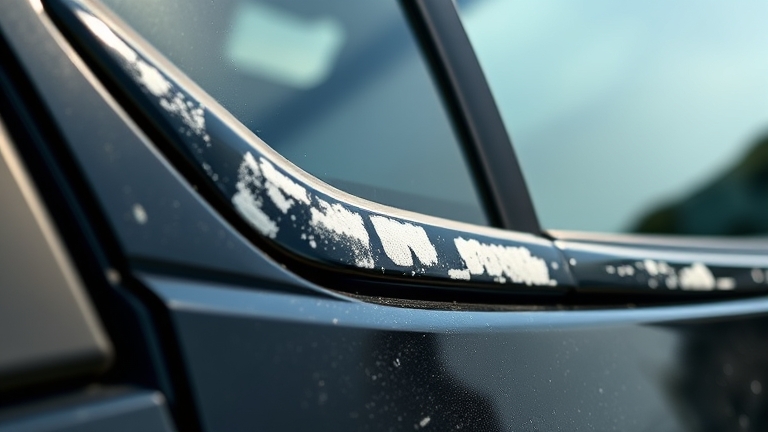 What causes black trim to fade
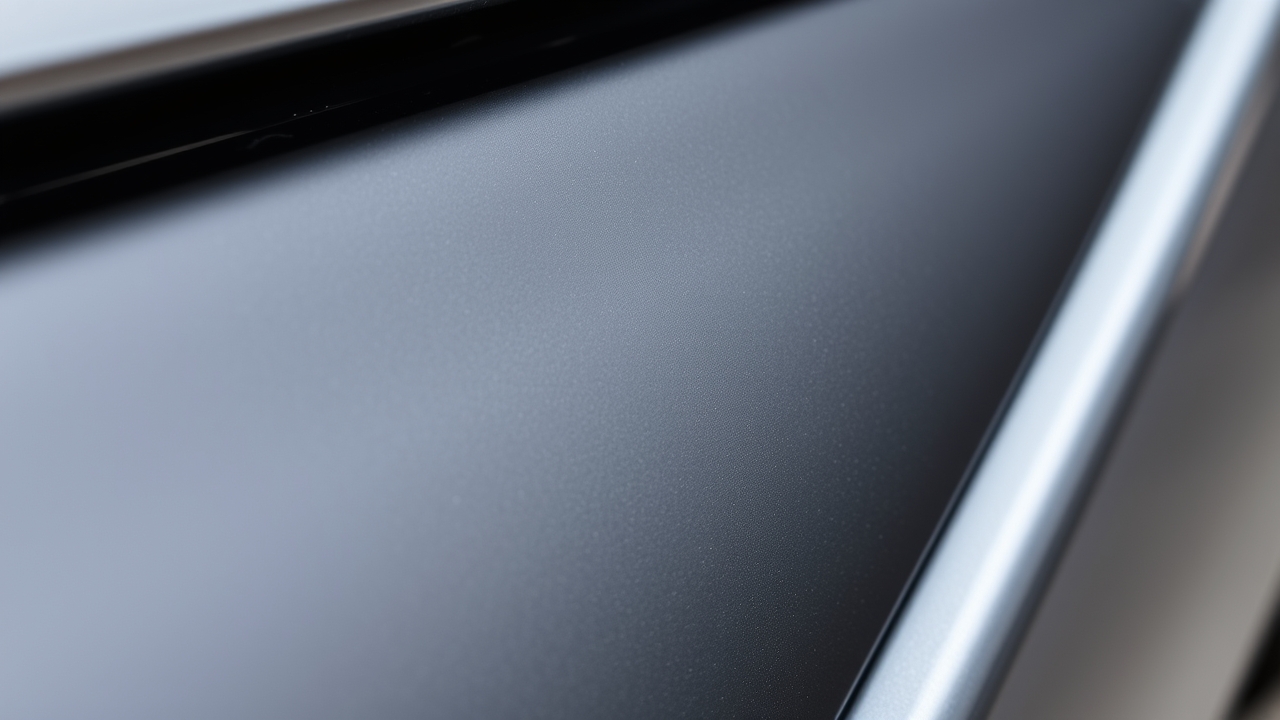
Black trim exposed to the outdoors takes a constant beating from UV rays, rain, wind, dust, and airborne pollutants. UV exposure is the main culprit behind that faded, grayish-white look replacing the original black.
On top of that, road salt and high humidity accelerate plastic degradation, leaving the surface looking dull and stripped of its original shine.
Beyond dirt, tiny surface scratches from dust and debris scatter light across the plastic, making it look even hazier and more washed out.
Prepping Before You Restore Faded Black Trim
Getting the best results from a black trim restoration starts with proper prep.
Tools and materials you’ll need:
- NOMA 250 (textured plastic restorer spray)
- A clean microfiber cloth
- A soft brush or soft-bristled brush for pre-cleaning dust
- Clean water (filtered or distilled)
- Protective gloves (if you have sensitive skin)
Safety note: NOMA 250 can cause skin irritation in some cases — wash your hands with clean water after use.
Pick the right time:
Choose mild weather (early morning or evening), and avoid direct sun or rain.
The goal is giving the product enough contact time with the surface without drying out too fast or getting washed away by rain.
The ideal window is 30–45 minutes after spraying, which is how long it takes the product to bond with the plastic and start working.
How to Use NOMA 250 to Restore Faded Black Trim
Using NOMA 250 to restore faded black trim takes a bit of care to get the best-looking results.
Step 1: Clean the plastic surface
Wash the area you’re restoring with clean water and a soft brush to remove dust, grit, and grime.
Pay close attention to tight gaps and corners on the dashboard or door trim, where dust tends to build up.
After washing, let it dry completely (about 10–15 minutes).
If the surface is still damp, the product won’t bond as well, which wastes product.
Step 2: Shake the NOMA 250 bottle
Shake the bottle for 15–20 seconds to fully mix the formula.
This makes sure the active ingredients are evenly distributed before you spray.
Skipping this step can result in an uneven coating on the surface.
Step 3: Spray the product onto the surface
Spray NOMA 250 from about 6–8 inches (15–20 cm) away from the plastic surface, moving evenly left to right or top to bottom.
On your first pass, just apply a thin layer to get the product bonding with the surface.
Don’t oversaturate any one spot — excess product will run and drip, wasting product and creating a mess.
Step 4: Let it air-dry
After spraying, let the product air-dry naturally for 20–30 minutes.
Avoid touching, wiping, or rinsing it during this time.
If you want more shine, you can apply a second coat once the first layer has dried.
Step 5: Check your results and touch up as needed
Once dry, check whether the trim has returned to its natural black color.
If some spots are still faded, apply another coat or two until you’re happy with the color.
Leave at least 15 minutes between each coat so the product can fully dry.
Comparing Black Trim Restoration Methods
| Method | Cost | Time | Durability | Ease of Use |
|---|---|---|---|---|
| NOMA 250 (DIY spray at home) | Cheap (one bottle, multiple uses) | 45 min | 3–6 months | Very easy |
| Detail shop polish & recoat | Expensive ($12–25 per visit) | 2–3 hrs | 2–4 months | Needs a pro |
| Motor oil (a common DIY workaround) | Very cheap | 30 min | 1 month | Easy but messy |
| Full repaint (for severe cases) | Very expensive ($200–400) | 1–2 days | Long-term | Needs a pro |
Looking at the comparison, NOMA 250 offers the best cost-to-results ratio for DIY car owners. Check out NOMA’s other exterior care products to build out a complete maintenance routine.
Common Mistakes When Restoring Faded Black Trim
There are a few common mistakes people make when using NOMA 250 or similar products.
Mistake 1: Skipping the surface cleaning step
If the plastic still has dust or grime on it, the product bonds to that layer of dirt instead of the plastic itself.
The result is uneven shine and color that doesn’t last.
Mistake 2: Spraying too many coats back-to-back
Applying multiple coats without letting each one dry causes the product to run, streak, and go to waste.
Leave 15 minutes between coats to let the product start setting.
Mistake 3: Working in bad weather conditions
Spraying in direct sunlight or right before rain causes the product to dry too fast or get washed away.
Pick a mild, lightly overcast day, or work early in the morning before the sun gets strong.
Mistake 4: Not shaking the bottle enough
If you don’t shake it thoroughly, the first coat that comes out will be thin and won’t deliver the full effect.
Shake for at least 15–20 seconds before every use.
What to Expect After Restoring Faded Black Trim
Here’s what you can realistically expect after using NOMA 250 to restore faded black trim.
Right after it dries (30–45 minutes):
The plastic will have a shine and black color that’s close to its original look. Faded patches will fade away or disappear entirely.
If any faded spots remain, a second coat will improve things further.
How long results last:
Results typically hold up for 3–6 months, depending on conditions (sun and rain exposure, how often you wash the car).
During this window, the trim maintains good shine and even color.
After 3–6 months:
The plastic will gradually start to fade again. At that point, you can reapply NOMA 250 to refresh the look.
Each bottle of NOMA 250 covers multiple applications, so the long-term cost stays low.
Frequently Asked Questions About Restoring Faded Black Trim
How long does black trim restoration with NOMA 250 last?
Trim restored with NOMA 250 holds its results for 3–6 months. After that, you can simply reapply. How long it lasts depends on weather, wash frequency, and how the car is used. Check out our full at-home car maintenance guide for more on a regular care routine.
What plastic parts can I use NOMA 250 on?
NOMA 250 is safe to use on most black plastic parts like dashboards, door panels, window trim, side moldings, and fuel caps. Avoid spraying near sensors, lights, or glass surfaces. If you want to cover your whole exterior, check out the rest of NOMA’s product lineup.
Do I need to wash the car before spraying NOMA 250?
Yes — washing and drying the plastic surface beforehand is a key step. It removes dust and grime, helps the product bond better, and delivers better results. Skipping this step reduces how effective the restoration will be.
Is NOMA 250 safe to use on a new car?
Yes, NOMA 250 can be used on a new car to help maintain the original shine and color of its black trim. You don’t have to wait until it fades — regular protective treatment extends the plastic’s lifespan.
Conclusion
Restoring faded black trim no longer requires a trip to the detail shop. With NOMA 250, car owners can restore faded black trim themselves at home, saving both time and money.
The simple process — wash, spray, let it dry — can be done in about an hour, with results you can see right away. It’s a safe, economical product (one bottle covers many uses), true to NOMA’s philosophy of “American-standard car care — something anyone can do at home.”
Give NOMA 250 a try to see the rest of NOMA’s DIY car care lineup and level up your car care skills.
References
- Automotive industry maintenance reports