

Restoring Faded Black Trim with NOMA 250 — A Detailed 2026 Guide

Restoring Faded Black Trim with NOMA 250 — A Detailed 2026 Guide
Black plastic trim (also called textured plastic) on parts like the dashboard, door panels, window trim, and side moldings is especially prone to fading, which can really hurt your car’s overall look. According to automotive industry reports, nearly 70% of car owners don’t know how to restore faded black trim themselves, so they end up paying a detail shop instead.
NOMA 250 is a dedicated spray for restoring faded black and textured plastic trim, bringing back natural color and shine without needing a professional service. This guide walks through every step to get the best results.
What Causes Black Trim to Fade
Before restoring faded black trim, it helps to understand what’s actually causing it.
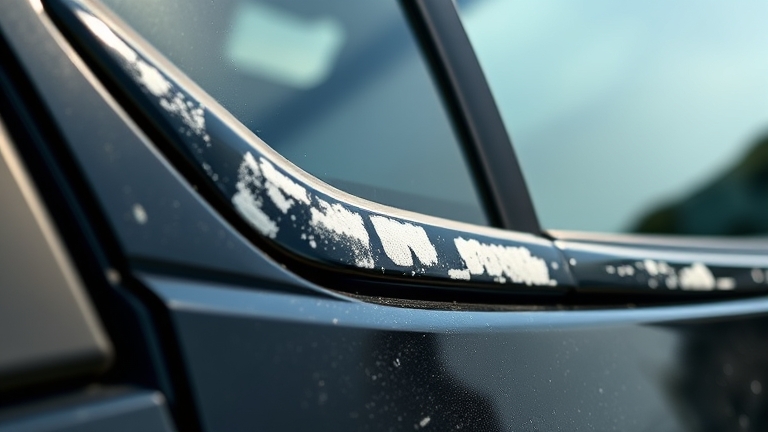 What causes black trim to fade
Black trim exposed to the outdoors takes a constant beating from UV rays, rain, wind, dust, and airborne pollutants. UV exposure is the main culprit behind that faded, grayish-white look replacing the original black.
On top of that, road salt and high humidity accelerate plastic degradation, leaving the surface looking dull and stripped of its original shine.
Beyond dirt, tiny surface scratches from dust and debris scatter light across the plastic, making it look even hazier and more washed out.
Prepping Before You Restore Faded Black Trim
Getting the best results from a black trim restoration starts with proper prep.
Tools and materials you’ll need:
- NOMA 250 (textured plastic restorer spray)
- A clean microfiber cloth
- A soft brush or soft-bristled brush for pre-cleaning dust
- Clean water (filtered or distilled)
- Protective gloves (if you have sensitive skin)
Safety note: NOMA 250 can cause skin irritation in some cases — wash your hands with clean water after use.
Pick the right time:
Choose mild weather (early morning or evening), and avoid direct sun or rain.
The goal is giving the product enough contact time with the surface without drying out too fast or getting washed away by rain.
The ideal window is 30–45 minutes after spraying, which is how long it takes the product to bond with the plastic and start working.
How to Use NOMA 250 to Restore Faded Black Trim
Using NOMA 250 to restore faded black trim takes a bit of care to get the best-looking results.
Step 1: Clean the plastic surface
Wash the area you’re restoring with clean water and a soft brush to remove dust, grit, and grime.
Pay close attention to tight gaps and corners on the dashboard or door trim, where dust tends to build up.
After washing, let it dry completely (about 10–15 minutes).
If the surface is still damp, the product won’t bond as well, which wastes product.
Step 2: Shake the NOMA 250 bottle
Shake the bottle for 15–20 seconds to fully mix the formula.
This makes sure the active ingredients are evenly distributed before you spray.
Skipping this step can result in an uneven coating on the surface.
Step 3: Spray the product onto the surface
Spray NOMA 250 from about 6–8 inches (15–20 cm) away from the plastic surface, moving evenly left to right or top to bottom.
On your first pass, just apply a thin layer to get the product bonding with the surface.
Don’t oversaturate any one spot — excess product will run and drip, wasting product and creating a mess.
Step 4: Let it air-dry
After spraying, let the product air-dry naturally for 20–30 minutes.
Avoid touching, wiping, or rinsing it during this time.
If you want more shine, you can apply a second coat once the first layer has dried.
Step 5: Check your results and touch up as needed
Once dry, check whether the trim has returned to its natural black color.
If some spots are still faded, apply another coat or two until you’re happy with the color.
Leave at least 15 minutes between each coat so the product can fully dry.
Comparing Black Trim Restoration Methods
| Method | Cost | Time | Durability | Ease of Use |
|---|---|---|---|---|
| NOMA 250 (DIY spray at home) | Cheap (one bottle, multiple uses) | 45 min | 3–6 months | Very easy |
| Detail shop polish & recoat | Expensive ($12–25 per visit) | 2–3 hrs | 2–4 months | Needs a pro |
| Motor oil (a common DIY workaround) | Very cheap | 30 min | 1 month | Easy but messy |
| Full repaint (for severe cases) | Very expensive ($200–400) | 1–2 days | Long-term | Needs a pro |
Looking at the comparison, NOMA 250 offers the best cost-to-results ratio for DIY car owners. Check out NOMA’s other exterior care products to build out a complete maintenance routine.
Common Mistakes When Restoring Faded Black Trim
There are a few common mistakes people make when using NOMA 250 or similar products.
Mistake 1: Skipping the surface cleaning step
If the plastic still has dust or grime on it, the product bonds to that layer of dirt instead of the plastic itself.
The result is uneven shine and color that doesn’t last.
Mistake 2: Spraying too many coats back-to-back
Applying multiple coats without letting each one dry causes the product to run, streak, and go to waste.
Leave 15 minutes between coats to let the product start setting.
Mistake 3: Working in bad weather conditions
Spraying in direct sunlight or right before rain causes the product to dry too fast or get washed away.
Pick a mild, lightly overcast day, or work early in the morning before the sun gets strong.
Mistake 4: Not shaking the bottle enough
If you don’t shake it thoroughly, the first coat that comes out will be thin and won’t deliver the full effect.
Shake for at least 15–20 seconds before every use.
What to Expect After Restoring Faded Black Trim
Here’s what you can realistically expect after using NOMA 250 to restore faded black trim.
Right after it dries (30–45 minutes):
The plastic will have a shine and black color that’s close to its original look. Faded patches will fade away or disappear entirely.
If any faded spots remain, a second coat will improve things further.
How long results last:
Results typically hold up for 3–6 months, depending on conditions (sun and rain exposure, how often you wash the car).
During this window, the trim maintains good shine and even color.
After 3–6 months:
The plastic will gradually start to fade again. At that point, you can reapply NOMA 250 to refresh the look.
Each bottle of NOMA 250 covers multiple applications, so the long-term cost stays low.
Frequently Asked Questions About Restoring Faded Black Trim
How long does black trim restoration with NOMA 250 last?
Trim restored with NOMA 250 holds its results for 3–6 months. After that, you can simply reapply. How long it lasts depends on weather, wash frequency, and how the car is used. Check out our full at-home car maintenance guide for more on a regular care routine.
What plastic parts can I use NOMA 250 on?
NOMA 250 is safe to use on most black plastic parts like dashboards, door panels, window trim, side moldings, and fuel caps. Avoid spraying near sensors, lights, or glass surfaces. If you want to cover your whole exterior, check out the rest of NOMA’s product lineup.
Do I need to wash the car before spraying NOMA 250?
Yes — washing and drying the plastic surface beforehand is a key step. It removes dust and grime, helps the product bond better, and delivers better results. Skipping this step reduces how effective the restoration will be.
Is NOMA 250 safe to use on a new car?
Yes, NOMA 250 can be used on a new car to help maintain the original shine and color of its black trim. You don’t have to wait until it fades — regular protective treatment extends the plastic’s lifespan.
Conclusion
Restoring faded black trim no longer requires a trip to the detail shop. With NOMA 250, car owners can restore faded black trim themselves at home, saving both time and money.
The simple process — wash, spray, let it dry — can be done in about an hour, with results you can see right away. It’s a safe, economical product (one bottle covers many uses), true to NOMA’s philosophy of “American-standard car care — something anyone can do at home.”
Give NOMA 250 a try to see the rest of NOMA’s DIY car care lineup and level up your car care skills.
References
- Automotive industry maintenance reports
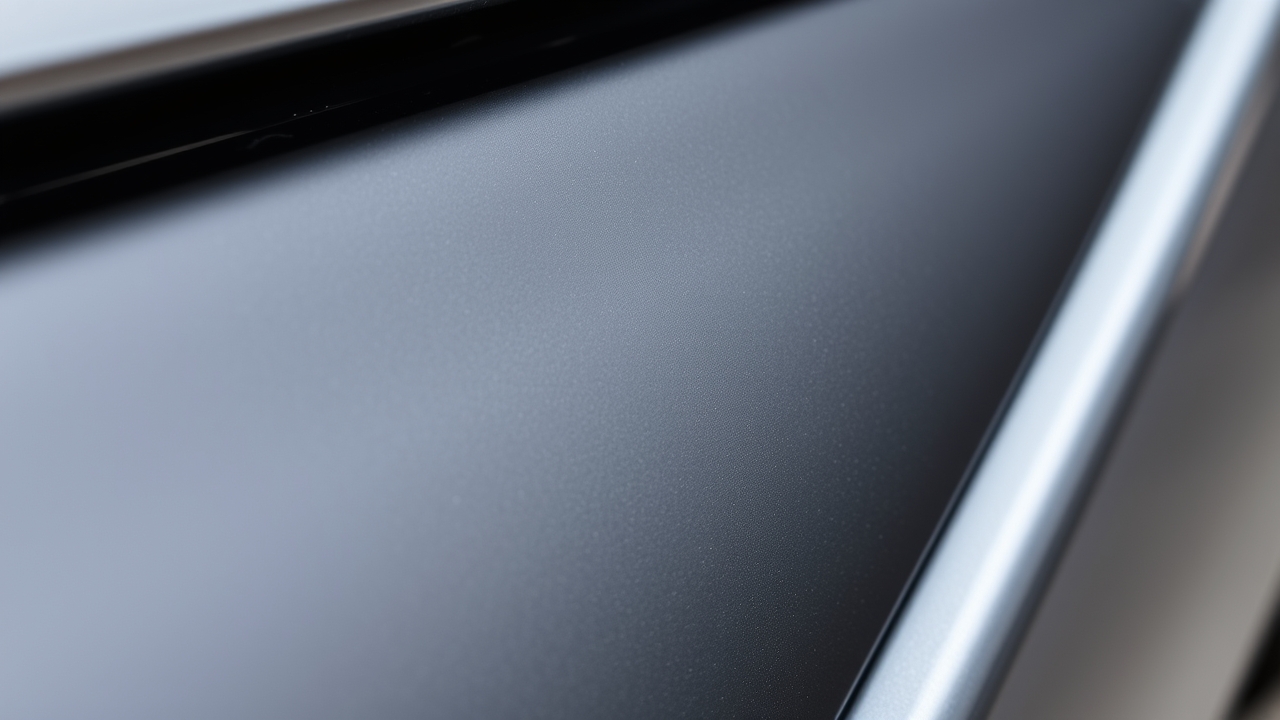
Faded Black Trim on Cars: Causes, Prevention & the NOMA 250 Fix
Faded Black Trim on Cars: Why It Happens and How to Fix It
Black trim on your car (dashboard, side molding, door trim, air vents) is one of the most visible parts of any vehicle — and also one of the most prone to fading. Instead of staying deep black and glossy, after a few months it turns a dull, faded gray that hurts the car’s overall look. Per detailing industry material research, polluted environments combined with UV exposure are the main drivers behind polymer aging on vehicles. This article digs into the causes, prevention tips, and effective solutions for restoring faded black trim — especially using NOMA 250 to refresh this trim at home.
Why Does Black Trim on Cars Fade?
Faded black trim is a natural aging process for polymer materials. When your car is new, the plastic looks glossy and rich, but it gradually fades over time.
 Why Does Black Trim on Cars Fade?
UV rays are the main culprit. Sunlight’s UV-A and UV-B rays penetrate the plastic’s surface and break down its molecular structure. The outer layer gradually loses its natural binding agents, leaving the surface looking dull and gray.
High humidity speeds up this process too. In humid climates, cars left outdoors absorb moisture into wood and plastic trim. Water works its way into tiny pores, causing the plastic to swell, develop hairline cracks, and turn rough to the touch.
Dirt and chemical exposure play a role as well. Road dust, exhaust residue, and acid rain (in some industrial areas) build up on the surface. These particles don’t just dull the plastic — they cause pitting and strip away shine.
Environmental Factors Affecting Black Trim
Black trim doesn’t fade from just one cause. It’s a combination of several factors working together.
UV exposure — the biggest factor: Every day, the dashboard and exterior side trim take in 5–8 hours of direct sunlight. Over time, this weakens the plastic’s molecular structure. There’s no avoiding it when a car is parked outdoors.
High heat: In summer, interior temperatures can climb to 140–160°F. The plastic softens, its strength drops, and oxidation speeds up. Repeated cycles of this leave the plastic brittle and faded.
Moisture and rain: Rain and high ambient humidity soak deep into the plastic. Water triggers chemical reactions that cause swelling followed by drying out. Once dry, the surface turns rough and unevenly shiny instead of smooth.
Dust, acid rain, and road salt: Near the coast or along highways, salt and vehicle exhaust residue accumulate on the surface. These substances slowly corrode the plastic, causing pitting and graying.
Exterior vs. Interior Black Trim: A Comparison
| Factor | Exterior Trim (side molding, door trim) | Interior Trim (dashboard, handles) | Impact on Fading |
|---|---|---|---|
| Direct UV exposure | High (8 hrs/day) | Very low (filtered through glass) | Much stronger outside |
| Temperature | 140–160°F | 104–122°F | Exterior ages 2–3x faster |
| Moisture | High (rain, morning dew) | Moderate (interior condensation) | Exterior takes direct rain exposure |
| Dirt (dust, acid) | Very high | Low (interior dust) | Exterior grays faster |
| Initial lifespan | 18–24 months | 24–36 months | Exterior needs restoration sooner |
How to Fix Faded Black Trim
Prevention beats cure. Here are practical steps any DIY car owner can start using today.
Park indoors or under cover: This is the most effective method. If you have a garage, use it. If not, a portable carport or car cover works too. Covering the car blocks up to 80% of UV exposure and shields it from rain.
Use a UV-protective coating: Some specialty coatings include a UV-blocking layer that shields against sunlight. That said, this approach works best on newer cars, costs more, and needs periodic reapplication.
Wipe down dirt regularly: Wipe exterior trim weekly with warm water and a soft cloth.
Apply a conditioning oil regularly: Every two weeks, spray a plastic conditioning oil onto the surface. This layer doesn’t just keep the plastic supple — it also creates a temporary shield against sunlight. It won’t block UV completely, but it noticeably slows down the aging process.
Avoid hot water on plastic trim: When washing your car, avoid spraying hot water directly onto the dashboard or door trim. Hot water triggers plastic expansion, making it more prone to cracking and faster fading.
The Fix: Restoring Faded Black Trim with NOMA 250
Once trim has already faded, prevention alone won’t cut it. Restoration is the only real fix. NOMA 250 is a dedicated product built to restore both the color and shine of faded black trim.
What is NOMA 250? It’s a black trim restorer formulated to clean, refresh, and protect the plastic surfaces on your car (dashboard, side molding, door trim, handles). It uses a proprietary detailing-grade formula that restores plastic’s natural black color in a single application.
How to use NOMA 250:
- Step 1: Clean the surface. Wipe away dust and dirt with a damp cloth. Let it dry completely (about 5 minutes).
- Step 2: Spray NOMA 250. Apply the product evenly over the trim you’re restoring. You don’t need much — 1–2 spray passes is plenty.
- Step 3: Buff with a clean cloth. Using a clean microfiber cloth, buff gently in one direction. The surface will gradually regain its shine.
- Step 4: Let it air-dry. After 2–3 minutes, the plastic will return to its original deep black shine. Avoid getting it wet for at least 10 minutes so the protective layer can fully bond.
Results: After just one application, faded black trim returns to a deep, glossy black — like it just rolled out of the showroom. Results last 3–4 weeks if the car is parked outdoors, longer if kept in a garage.
Safety: NOMA 250 won’t irritate skin. That said, if it stays on your hands for a while, wash them with soap and cool water after use.
Comparison Table: Black Trim Restoration Methods
| Method | Cost | Time | Instant Shine | Durability | DIY-Friendly |
|---|---|---|---|---|---|
| Professional detail shop | High ($8–20) | 30–60 minutes | Very high | 1–2 months | No (shop visit required) |
| NOMA 250 at home | Low ($2–4) | 5–10 minutes | High | 3–4 weeks | ✓ Ideal |
| Conditioning oil | Low | 3–5 minutes | Moderate | 2 weeks | ✓ Good fit |
| Do nothing, let it keep aging | None | N/A | None | 0 (stays faded) | No |
| Full repaint at a shop | Very high ($40–80) | 1–2 days | Very high | 6–12 months | No (shop visit required) |
FAQ: Faded Black Trim on Cars
Can faded black trim be fully restored?
Yes, though it depends on severity. For moderate fading (3–6 months old), NOMA 250 restores 90–95% of the original shine. For heavily faded trim (over a year), expect 70–80% restoration. For cracked or peeling plastic, you’ll need a shop for a full repaint.
How often should you use NOMA 250?
If the car is parked outdoors, use it once a month to maintain shine. In a garage, every 2–3 months is enough. Avoid using it more than once or twice a week, since too much product buildup can leave the surface looking greasy.
Do you need a professional to restore black trim?
Not at all. The NOMA 250 process is simple: wipe → spray → buff → let dry. Any car owner can do this at home in about 10 minutes with no risk of mistakes. Check out our detailed care guides at NOMA for more tips.
Does NOMA 250 work on interior black trim (dashboard, handles)?
Yes. NOMA 250 works on any textured black plastic surface, whether it’s on the exterior or interior of the car. That said, if the interior surface is very dusty, vacuum and wipe it down first before applying.
Is NOMA 250 safe to use on other plastic parts (vents, speakers, antenna)?
Yes, NOMA 250 is safe on most textured black plastic. That said, avoid spraying it on glossy surfaces (like painted panels or glass), since the product isn’t designed for those surfaces.
Conclusion: Faded Black Trim Isn’t the End of the World
Faded black trim is a natural result of UV exposure, high humidity, and accumulated dirt. That said, with a few simple prevention habits (parking indoors, regular wipe-downs, periodic conditioning oil) and a fast restoration solution (NOMA 250), you can keep your car’s black trim looking glossy without ever setting foot in a shop.
NOMA 250 black trim restorer proves that American-style car care can be done right at home. For just a few dollars and 10 minutes of your time, you can restore that like-new shine — saving both time and money compared to a shop visit. Give it a try and see the difference for yourself!
Sources
- Detailing industry material research

NOMA 250 vs. 3M, Liqui Moly, Sonax: The Best Black Trim Restorer
NOMA 250 vs. 3M, Liqui Moly, Sonax: The Best Black Trim Restorer
Faded black plastic trim (front and rear bumpers, hood accents, wiper arms) tends to oxidize and turn dull after just a few months in the sun. That’s why black trim restoration has become an essential maintenance task for every DIY car owner.
There’s no shortage of black trim restorers on the market today, each with different quality and pricing. NOMA 250 is one of the more popular picks, but it’s worth comparing it against other well-known brands like 3M, Liqui Moly, and Sonax to find the best fit for your car.
This article breaks down black trim restorers with a detailed comparison table, pros and cons, and advice from professional detailers.
What Is Black Trim Restoration?
Black trim restoration (also called plastic conditioning or plastic coating) uses purpose-built products to brighten, refresh, and protect the black plastic parts on your car. That includes front and rear bumpers, window trim, hood accents, side mirrors, and other plastic components.
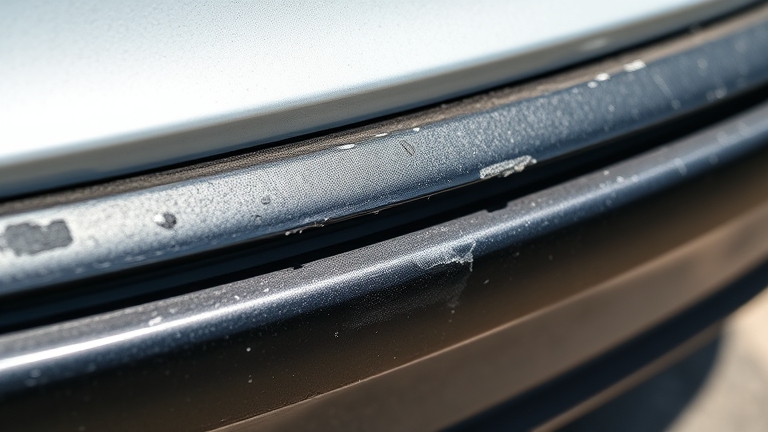 What Is Black Trim Restoration?
According to the Professional Detailing and Car Care Association, restoring black trim on a regular basis doesn’t just make a car look cleaner — it also extends the life of these parts by building a protective barrier against UV rays and environmental damage.
There are two categories of black trim restorer: short-term products (a strong initial color change that only lasts a few weeks) and long-term products (holding up for 2-4 months, suited to owners who want less frequent upkeep).
Detailed Comparison: NOMA 250 vs. 3M vs. Liqui Moly vs. Sonax
| Criteria | NOMA 250 | 3M Trim Restorer | Liqui Moly Plastic Care | Sonax Plastic Care |
|---|---|---|---|---|
| List price | $4-6 | $8-10 | $7-9 | $8-10 |
| Bottle size | 1 fl oz (30ml) | 10.5 fl oz (312ml) | 8.5 fl oz (250ml) | 10.1 fl oz (300ml) |
| Dry time | 10-15 min | 15-20 min | 10-15 min | 15-20 min |
| Blackening effect | Glossy, natural color | Very glossy, deep color | Light gloss | Even gloss |
| Durability | 8-12 weeks | 6-10 weeks | 6-8 weeks | 8-12 weeks |
| Ease of use | Very easy (spray-on) | Easy (applicator pad) | Moderate (wipe-on) | Easy (spray-on) |
| Slip risk | Minimal (brake/tire safe) | None | None | Minimal |
| Cost per ml | $0.13-0.16 | $0.14-0.17 | $0.16-0.19 | $0.14-0.17 |
| US availability | Nationwide (noma.vn) | Major retailers | Major retailers | Major retailers |
Comparison data based on a retail price survey and user feedback from car-care forums, Q4 2024.
Pros and Cons of Each Black Trim Restorer
NOMA 250: American-Standard Black Trim Restoration
Pros:
-
- The most competitively priced product in the group ($4-6).
-
- Spray-on design, no extra tools needed, saves time.
-
- The fastest dry time (10-15 minutes) — you can drive again shortly after.
-
- Long durability (8-12 weeks) relative to price, ideal for maintenance every 2-3 months.
-
- Doesn’t make brake or tire surfaces slippery, safe for ABS braking systems.
-
- Formulated to American detailing standards, giving black trim a natural look rather than an overly glossy one.
Check out our full guide to at-home car care to learn how to pair NOMA 250 with other products.
Cons:
-
- Not as glossy as 3M’s finish (NOMA focuses on long-term protection rather than maximum shine).
-
- Less common in traditional retail stores — you’ll need to order it online from noma.vn.
3M Trim Restorer: Maximum Shine
Pros:
-
- Produces a very glossy, deep black finish, impressive right from the first use.
-
- Widely supported by professional shops and garages.
-
- Formulated by the well-known 3M brand (USA).
Cons:
-
- The most expensive option in the group ($8-10).
-
- Longer dry time (15-20 minutes) — you’ll need to wait before driving.
-
- Results only last 6-10 weeks before the trim starts fading again.
-
- Needs an applicator pad or brush for even coverage — more involved than a direct spray.
-
- Can leave surfaces slightly slick (not a major issue, but worth care around ABS brakes).
Liqui Moly Plastic Care: A Balance of Price and Performance
Pros:
-
- Reasonably priced ($7-9), easy to access.
-
- A natural blackening effect, not overly glossy.
-
- Minimal risk of a slippery surface.
Cons:
-
- The shortest durability of the group (6-8 weeks) — you’ll need to maintain it more often.
-
- Less shine than 3M — if you want a glossy black finish, this may disappoint.
-
- Requires wiping with a soft brush or pad for even coverage — more effort involved.
Sonax Plastic Care: German Quality, Higher Price
Pros:
-
- Long durability (8-12 weeks), on par with NOMA but at a higher price.
-
- A stable German formula that won’t damage plastic.
-
- Convenient spray-on design.
Cons:
-
- Higher price ($8-10), only worth it if you specifically want a European brand.
-
- Shine quality is just average, no real advantage over NOMA 250.
-
- Harder to find in the US, mostly stocked at high-end detail shops.
Conclusion: NOMA 250 Is the Best Choice for DIY Black Trim Restoration
If you take care of your car at home and want strong results at a reasonable price, NOMA 250 is worth trying. It offers the best overall balance of:
-
- Price: The cheapest of the four products compared ($0.13-0.16 per ml).
-
- Durability: Long-lasting at 8-12 weeks, ideal for maintenance every 2-3 months.
-
- Ease of use: Direct spray application, no brush or extra tools needed.
-
- Safety: Won’t make brakes or tires slippery, safe for any braking system.
-
- Quality: An American-standard formula with full GHS-compliant safety documentation.
That said, if maximum shine is your top priority and price isn’t a concern, 3M Trim Restorer or Sonax are also solid picks. Liqui Moly makes sense if you prefer a more natural finish and don’t mind maintaining it monthly.
You can buy NOMA 250 black trim restorer directly from the NOMA homepage, complete with full product details, how-to videos, and customer support. Give it a try and compare the results against other brands for yourself.
Frequently Asked Questions
How often does black trim restoration need to be redone?
It depends on the product and usage conditions. With NOMA 250, results last about 8-12 weeks. If your car sees a lot of rain and strong sun, maintain it every 2 months. If it’s garage-kept, you can stretch that to every 3 months. For more detail, check our seasonal paint and plastic maintenance guide.
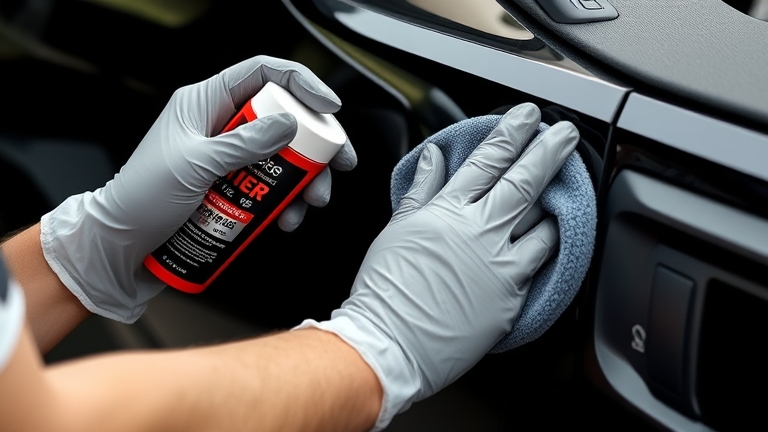 Frequently Asked Questions
Should I pair NOMA 250 with a paint protection product?
Yes. Black trim and paint each need their own type of protection. After restoring black trim with NOMA 250, adding a paint protection product helps guard your car’s whole exterior against UV rays, acid rain, and dust — keeping it looking newer, longer.
Are black trim restorers harmful to skin?
In general, modern black trim restorers are tested and certified safe under GHS standards. Still, wearing gloves during application is recommended as a precaution. NOMA 250 has a publicly available SDS (safety data sheet), so you can check the full ingredient list if you have sensitivities.
Can I apply NOMA 250 in the rain, or should I wait for a sunny day?
Wait until the car is completely dry before applying. Spraying it on in the rain, or on a still-damp surface, means the product won’t dry evenly or bond well. Ideally, pick a dry, sunny day, with temperatures not too extreme — above 95°F (35°C) can cause the product to dry too fast.
Is NOMA 250 cheaper than having it done at a professional garage?
Yes. Having a professional shop do it for you costs significantly more — typically $20-40 depending on the shop. Buying the product and doing it yourself costs only $4-6 per application, which is far more economical. Plus, learning to do it yourself pays off over time.
Is NOMA 250 sold in traditional retail stores, or only online?
Currently, NOMA 250 is mainly sold through noma.vn (online). You may also find it at select professional detailing shops that carry NOMA products. For the most convenient option, buy directly from the NOMA homepage for guaranteed authenticity, competitive pricing, and dedicated customer support.
References
- Professional Detailing and Car Care Association
Black Trim Restoration: NOMA 250 vs Liqui Moly — 2026 Comparison
Restoring Black Trim on Your Car: NOMA 250 vs Liqui Moly — Detailed Comparison
Black trim on your car — front and rear bumpers, window trim, rocker panels — tends to fade and lose its shine after just a few months on the road. Per detailing industry material research, the main culprits are UV rays, dust, acidic rainwater, and other environmental chemical agents. To bring black trim back to its original look, two standout products today are NOMA 250 (an American-founded brand) and Liqui Moly (Germany). This article breaks down both options in detail to help you restore your car’s black trim the right way.
NOMA 250 vs Liqui Moly: Two Different Approaches
When it comes to restoring black trim, these two brands take completely different approaches. NOMA 250 is formulated to American standards with a neutral pH, letting it restore black trim gently without causing damage. Liqui Moly, on the other hand, uses a fast-evaporating silicone-oil formula that builds shine quickly but may not last as long as other products.
This difference directly affects the results and lifespan of the trim’s protective coating. NOMA 250 is built for long-lasting black trim restoration, while Liqui Moly prioritizes fast drying and instant shine. If you like immediate results, Liqui Moly might be the pick. But if you want long-term performance and American-style car care, NOMA 250 delivers better durability.
You can also check out our full paint care guide to better understand the complete detailing process.
Ingredients and How They Work
Ingredients determine the effectiveness and safety of any black trim restorer. NOMA 250 contains lightweight polymers and select natural oils, with a neutral pH that won’t leave salt residue or white streaks on plastic. This formula is designed to penetrate deep into the plastic’s micro-pores, restoring rich color from within.
 Ingredients and How They Work
Liqui Moly instead uses a silicone and mineral oil blend, creating a glossy surface coating quickly. This method works well short-term but tends to wear off after 2–4 weeks, especially after washing the car or exposure to rain.
That’s why choosing NOMA 250 for black trim restoration gives you longer-lasting results. Here’s a clear comparison of how each product works:
-
\t
- NOMA 250: Restores from within → Lasts 4–6 months per application
- Liqui Moly: Surface coating → Lasts 2–4 weeks, needs frequent reapplication
\t
Comparison Table: NOMA 250 vs Liqui Moly
| Criteria | NOMA 250 | Liqui Moly | Verdict |
|---|---|---|---|
| Ingredients | Polymers + natural oils, neutral pH | Silicone + mineral oil | NOMA is gentler |
| Durability | 4–6 months per application | 2–4 weeks | NOMA wins on durability |
| Dry Time | 15–20 minutes | 5–10 minutes | Liqui Moly dries faster |
| Shine Level | Natural, matte-satin | High gloss instantly | Comes down to personal taste |
| UV Resistance | Good, contains antioxidants | Average | NOMA performs better |
| Price (approx.) | $7–9 / bottle | $9–13 / bottle | Varies by retailer |
| Effect on Faded Trim | Noticeable restoration, color returns | Temporary shine, doesn’t restore original color | NOMA fixes the root issue |
| Ease of Use | Very easy, no special skill needed | Very easy | Tie |
| Safety Notes | Wash hands after use | Wash hands after use | Tie |
Which One Should You Choose?
Picking the right black trim restorer comes down to your specific needs:
 Comparison Table: NOMA 250 vs Liqui Moly
Choose NOMA 250 if:
-
\t
- You want to restore faded black trim once and have it last 4–6 months
- You like American-style car care, DIY at home without a trip to the shop
- You’d rather have lasting results than instant shine
- Your car has several black trim pieces that need restoring (bumpers, moldings, window trim)
\t
\t
\t
Choose Liqui Moly if:
-
\t
- You need instant shine for an event or an important trip
- You don’t mind reapplying the product every 2–3 weeks
- You want maximum, high-gloss shine
\t
\t
Per general consumer product safety guidelines, both products are properly imported and meet applicable regulations. The main differences come down to effectiveness and how long the results last.
Real-World Results: What to Expect
When using NOMA 250 to restore black trim, car owners typically see:
-
\t
- Trim color turns deep and rich again after just one application
- A natural shine, not an “artificial” gloss
- Fade resistance that lasts 4–6 months
- No white streaks once it dries
\t
\t
\t
With Liqui Moly:
-
\t
- Shine appears within minutes
- Needs even application to avoid streaking
- Shorter lifespan, needs reapplication every 2–4 weeks
- Doesn’t restore the plastic’s original condition
\t
\t
\t
So if you’re after an effective black trim restoration solution, NOMA 250 offers the better cost-to-benefit ratio over the long run.
FAQ: Frequently Asked Questions
How often do you need to restore black trim?
With NOMA 250, you can care for your trim every 4–6 months depending on weather and how much the car is used. If your car sits outside long-term or gets washed frequently with a pressure washer, that cycle can shrink to every 3 months. Liqui Moly needs reapplication every 2–4 weeks, so the long-term cost and effort add up faster.
 FAQ: Frequently Asked Questions
Is NOMA 250 safe on skin?
NOMA 250 has a neutral pH and is designed for safe use. Even so, we recommend wearing gloves during application to avoid skin irritation, and washing your hands thoroughly afterward. If the product gets on your skin, rinse immediately with water.
Is Liqui Moly really better than NOMA?
“Better” depends on what you’re optimizing for. Liqui Moly dries fast and delivers high gloss, but NOMA 250 lasts longer. If long-term value matters most, NOMA 250 wins. If you just need instant shine, Liqui Moly is the better fit.
Is restoring black trim at home hard to do?
Not at all. Here’s all it takes:
1. Wash the plastic surface with water and a soft cloth
2. Dry completely
3. Spray NOMA 250 evenly over the surface (or apply with a soft cloth)
4. Let it sit for 15–20 minutes to dry
5. Wipe gently with a clean cloth if needed
No special skills required. Any car owner can do this at home.
Why does black trim fade in the first place?
Faded trim is the result of UV exposure, weather, dust, and chemical contact. The plastic’s surface oxidizes and loses color over time. Restoring black trim with a dedicated product brings back that rich color and adds a layer of protection against these environmental factors.
Conclusion: Choosing the Right Black Trim Restorer
Both NOMA 250 and Liqui Moly are quality products, but each has its own strengths. If you’re looking for a black trim restoration solution that lasts, saves money long-term, and is easy to use at home, NOMA 250 is the smarter pick. It doesn’t just restore color — it protects the plastic for the long haul.
On the other hand, if you need fast shine for a special occasion, Liqui Moly can get the job done. But at a similar price point and with the need for constant reapplication, you’ll end up spending more over time.
Start American-style car care with NOMA at home today. Restoring black trim has never been this easy!
5 Steps to Long-Lasting Black Trim Restoration with NOMA 250
5 Steps to Long-Lasting Black Trim Restoration with NOMA 250
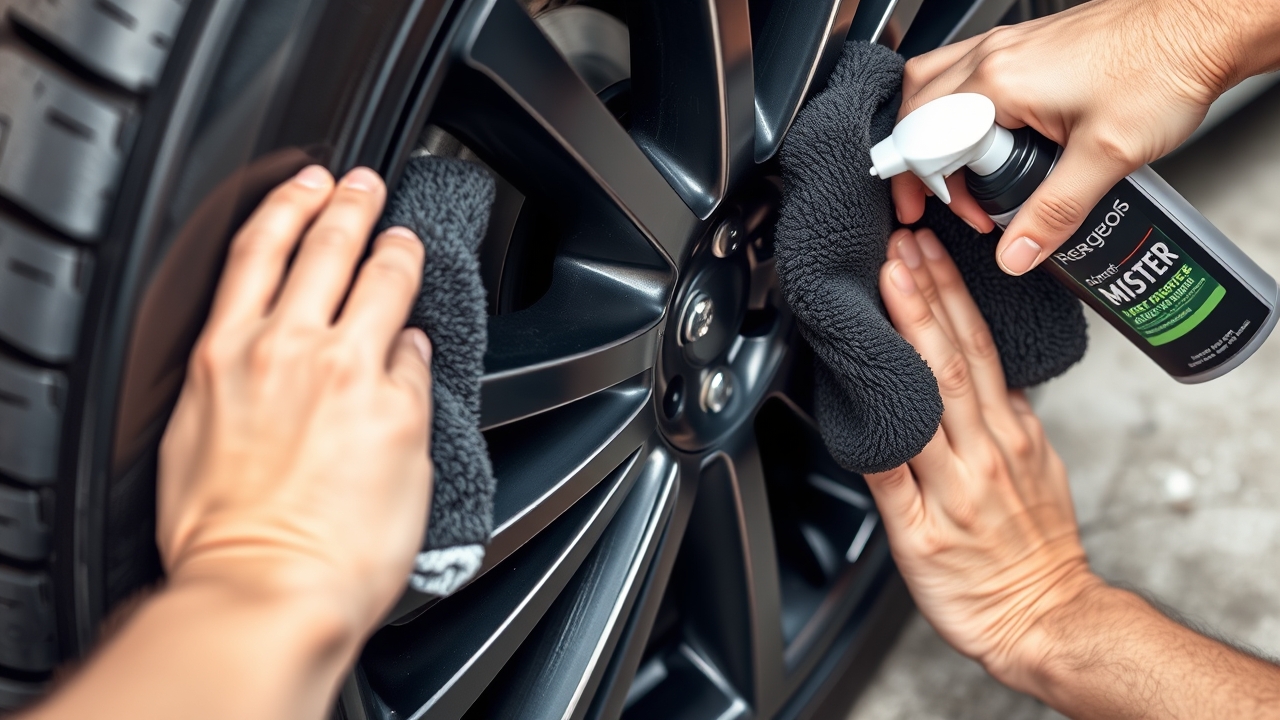
Black plastic on tires, body trim, or interior parts tends to fade and look worn after just a few months of everyday use. DIY car-care products are earning more trust from owners every year, and restoring black trim isn’t hard once you follow the right process with the right product. NOMA 250 is formulated to restore deep, rich color to textured and faded black plastic, with results that last longer than a quick wipe-on shine. This article walks through the 5-step expert process for black trim restoration, from prep work to the final protective step.
Step 1: Prep Your Work Area and Assess the Plastic’s Condition
Before diving into black trim restoration, spend 10-15 minutes prepping. Work in a shaded or covered area — avoid direct, harsh sunlight, since you don’t want the product drying too fast. You’ll need:
- 3-4 clean, lint-free microfiber towels
- Cool water or a mild cleaning solution
- NOMA 250 and an applicator pad
- Protective gloves (NOMA 250 contains conditioning agents, so gloves keep your hands clean)
Assess the current condition of the plastic: is it just faded, chalky, or coated in surface dust? If it’s only surface grime, a simple wipe-down may show a visible improvement on its own. If the plastic is genuinely faded or has lost its color, the restoration step will bring back that deep, rich black.
Step 2: Deep-Clean the Plastic Before Restoring
Cleaning is the foundation of effective black trim restoration. Dust, residue from old products, or everyday grime will get in the way of proper color restoration if you don’t clean thoroughly first — that’s why this step can’t be skipped. Use clean water and a soft cloth to wipe the plastic surface down thoroughly.
Step 3: Measure the Right Amount of NOMA 250 and Apply Evenly
NOMA 250 is designed to go on in a thin coat that’s still enough to fully restore color. Estimate how much product you need based on the surface area:
- All four tires: 0.5-0.7 fl oz (15-20 ml) per tire (roughly half a capful)
- Body trim, mirrors: 0.3-0.5 fl oz (10-15 ml) depending on the area
- Dashboard or interior trim: a small amount, 0.2-0.3 fl oz (5-10 ml)
Where and how you spray matters for even black trim restoration. Spray from top to bottom, holding the bottle 6-8 inches (15-20cm) away, and move your hand slowly and steadily to build a thin, even coat. Avoid spraying too much product in one spot — it’ll leave dark, uneven patches.
If you’re not confident with the spray, use NOMA 250’s applicator pad to apply it by hand instead — this gives you better control, especially on small or detailed parts.
Step 4: Let It Air-Dry and Check Your Results
After applying, let it sit for 5-10 minutes so NOMA 250 can absorb and partially dry. Drying time varies with temperature and humidity. Avoid driving or letting dust settle on the plastic during this window.
Check your results: the tires or trim should look deep black and glossy. Most of the time, color is fully restored after just one application. If it still looks like it needs more depth, you can apply a second light coat after 15 minutes, but one application is usually enough.
According to car-care community forums, users typically see clear results after the first application, with the effect lasting 2-4 weeks under normal maintenance conditions.
Step 5: Protect the Results with Ongoing Maintenance
Black trim restoration will gradually fade without a follow-up protection routine — this is what actually determines how long the results last. After NOMA 250 has fully dried (30-60 minutes), you should:
- Avoid strong wind, rain, or harsh direct sun for the first 24 hours so the protective layer can set
- Wipe gently with a soft cloth weekly to remove surface dust
- After 2-3 weeks, if you notice any fading, reapply NOMA 250 to maintain the protection
Frequently Asked Questions About Black Trim Restoration
How long does black trim restoration actually last?
Results from NOMA 250 typically last 2-4 weeks depending on conditions (sun exposure, humidity, how often you wash your car). With good upkeep — gentle wiping, avoiding constant direct sun — results can last up to 6 weeks. That’s exactly why Step 5 (ongoing protection) matters so much for keeping that deep color around.
Can I use NOMA 250 on both tires and body plastic?
Yes. NOMA 250 is built for all types of textured plastic (tires, bumper trim, weatherstripping, dashboard). Just be sure to clean each part separately beforehand, and spray carefully to avoid overspray onto paint or other surfaces.
How soon can I drive after applying NOMA 250?
Give it 30-60 minutes to dry and set before driving. If you’re in a hurry, you can drive slowly after 15-20 minutes, avoiding high speeds that kick up dust and wind.
Why does black trim still fade quickly even after restoration?
Trim fades quickly for two reasons: (1) no protective follow-up after restoring it, and (2) frequent exposure to harsh sun or strong wind. The fix is regular maintenance (reapply every 2-3 weeks) and parking out of direct sunlight when you can.
Is NOMA 250 safe on all types of plastic?
NOMA 250 is designed for textured (matte) and faded plastic. Avoid spraying it on glossy or sensor-based components (sensors, cameras) to prevent damage. If it gets on paint, wipe it off right away with a soft cloth and water.
What if I apply too much NOMA 250 — is there a fix?
If you’ve applied too much (leaving dark, uneven patches), the only fix is to wipe it clean with a soft cloth, let it dry, then reapply from scratch using a moderate amount. Or wait about a week for it to fade naturally, then reapply.
Conclusion: Black Trim Restoration Is a Basic Skill Every Car Owner Should Know
Black trim restoration isn’t difficult or expensive once you understand these 5 steps. From prep, to cleaning, to even application, to drying, to ongoing protection — every step serves a clear purpose. NOMA 250 is the ideal choice because it’s formulated to American car-care standards, delivers fast results, and is easy to reapply whenever you need it. You don’t have to wait for a trip to the detail shop or spend a lot of money to get glossy black tires and trim — just 30 minutes, a bottle of NOMA 250, and your own two hands. Start today, and keep it up regularly to keep your car looking like new.
Related Reading
- How to use NOMA 692 for interior leather cleaning
Black Trim Restoration: NOMA 250 vs. 4 Top Rivals
Black Trim Restoration: NOMA 250 vs. 4 Top Rivals
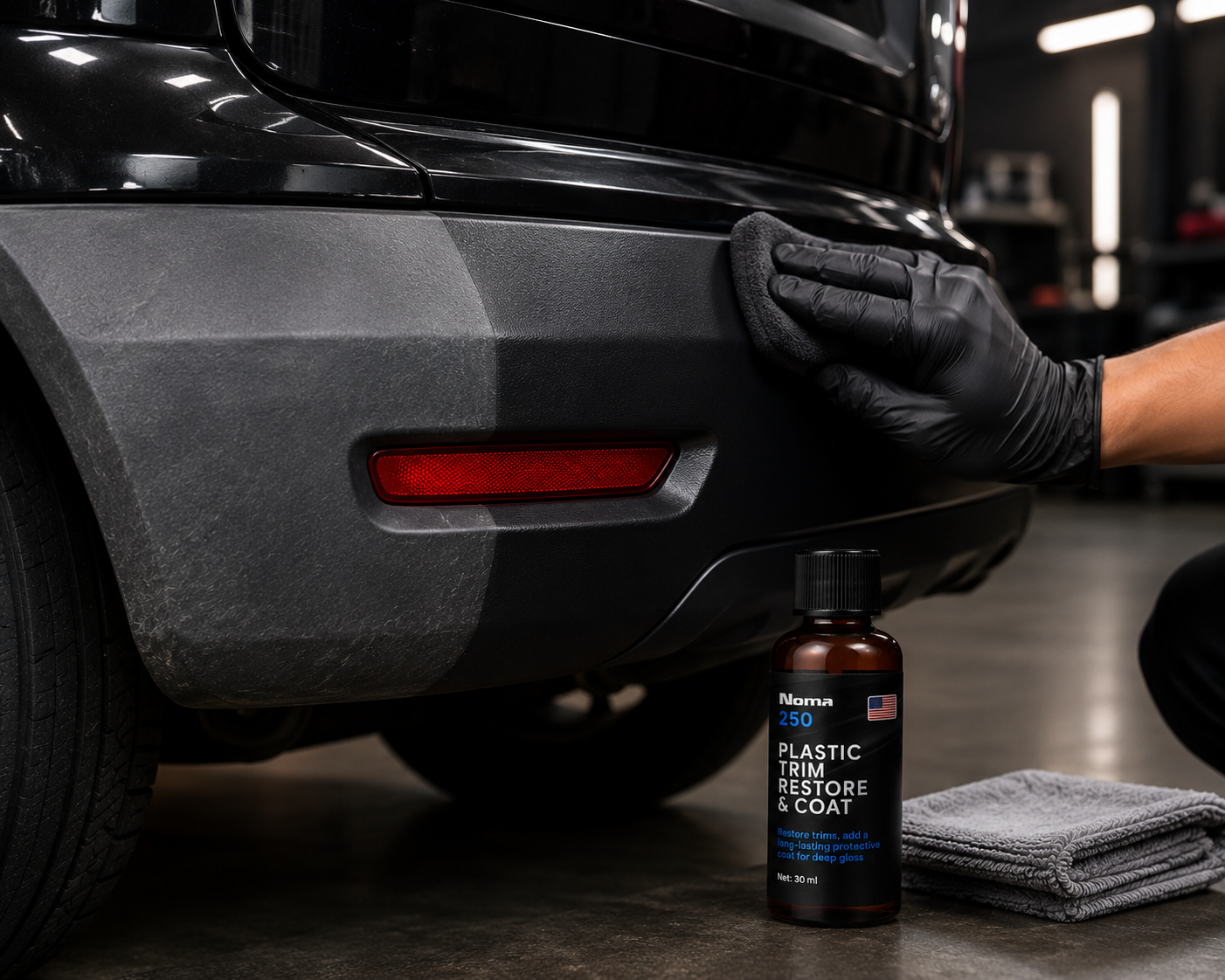
Textured black trim — window trims, door moldings, roof rails, spoilers — tends to fade and turn a chalky gray over time. According to international detailing experts, restoring black trim the right way can add 2-3 years to its lifespan. NOMA 250 is a textured-plastic restorer built to bring back that natural color without a trip to the shop.
This article breaks down black trim restoration against four leading rival products, so you can make the right call for your car.
What Is Black Trim Restoration, and Why Does It Matter?
Textured plastic trim takes a constant beating from sun, rain, dust, and UV rays. Over time it loses moisture and oxidizes, which is what causes that dull, chalky fade — and exactly why black trim restoration has become a must-do maintenance step.
Black trim restorers work by adding a protective layer and boosting surface gloss. It’s a job any DIY car owner can handle at home — no special skills required.
Trim that typically needs restoring includes door moldings, window frames, exterior trim pieces, side steps, and rear spoilers.
Detailed Comparison: NOMA 250 vs. the Competition
| Criteria | NOMA 250 | Meguiar’s G190 | Sonax NanoPro | 3M Perfect-It | Chemical Guys VRP |
|---|---|---|---|---|---|
| Key ingredients | Purpose-built trim restorer | Oils and polymers | Nano-composite | Polymer blend | Tung oil base |
| Dry time | 5-10 min | 10-15 min | 8-12 min | 15-20 min | 10-15 min |
| Durability (weeks) | 4-6 weeks | 4-8 weeks | 6-10 weeks | 3-5 weeks | 4-6 weeks |
| Value rating | ⭐⭐⭐⭐⭐ | ⭐⭐⭐⭐ | ⭐⭐⭐ | ⭐⭐⭐⭐ | ⭐⭐⭐⭐ |
| DIY-friendly | ✓ Very easy | ✓ Easy | ✓ Easy | ~ Needs technique | ✓ Easy |
| Gloss build-up | ✓ Builds after 2-3 uses | ✓ Instant on first use | ✓ High from first use | ~ Moderate | ✓ High |
| Skin safety | ✓ Wash hands after use | ~ Rinse thoroughly | ✓ Safe | ✓ Safe | ✓ Safe |
The table above shows NOMA 250 standing out on price and DIY ease of use. Meguiar’s G190 and Sonax last longer, but cost more. 3M Perfect-It needs a more careful, even application technique.
Real-World Scenarios: Which Product Fits You?
Scenario 1: Regular Upkeep on a Budget
If you wash your car every two weeks and want to keep black trim looking fresh without breaking the bank, NOMA 250 is the smart pick. It costs 30-40% less than rival products, is easy to apply, and shows visible results after the very first coat.
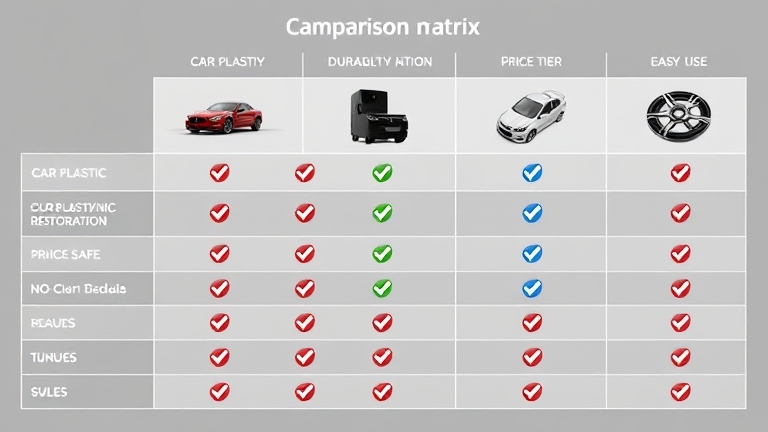 Detailed Comparison: NOMA 250 vs. the Competition
 Detailed Comparison: NOMA 250 vs. the Competition
The trade-off: at 4-6 weeks of durability, you’ll need to reapply more often. But given the low cost, that’s hardly a drawback.
Scenario 2: You Want Longer-Lasting Durability and Don’t Mind Paying More
Meguiar’s G190 or Sonax NanoPro are the better fit if you’d rather restore your trim less often (every 2-3 months). Sonax can last up to 10 weeks.
The trade-off: higher upfront cost. But calculated as a monthly cost, it can even out.
Scenario 3: Detail Shops and Garages Needing a Professional-Grade Product
Shop owners and detailers should consider Sonax NanoPro or Meguiar’s G190, since customers expect — and will pay for — longer-lasting results. NOMA 250 still works well for at-home detailing services.
How to Apply Black Trim Restorer the Right Way
Whichever product you choose, the application process follows the same basic steps:
- Step 1: Wash the plastic trim thoroughly with soap and water, then dry completely.
- Step 2: Shake the product (NOMA 250, for example) well for 30 seconds.
- Step 3: Spray or wipe an even coat onto the surface and let it soak in for 2-5 minutes.
- Step 4: Gently buff with a soft cloth, or let it air-dry.
- Step 5: Repeat 2-3 times over 1-2 weeks to build up gloss.
It’s a simple job, but check the manufacturer’s detailed instructions first to avoid over-applying or uneven coverage.
Common Mistakes When Restoring Trim
Mistake 1: Applying one thick coat instead of several thin ones. Result: a cloudy, dust-attracting finish.
Mistake 2: Skipping the dry-down before applying. Leftover moisture keeps the product from bonding evenly.
Mistake 3: Using the wrong product for the plastic type (like a leather product on textured trim). Result: poor performance.
Mistake 4: Skipping gloves. Some black trim restorers contain ingredients that can irritate skin.
What Affects Restoration Results
How well a restoration turns out depends on more than just the product:
- Starting condition of the trim: Deeply faded plastic needs 3-4 coats; trim in decent shape only needs 1-2.
- Weather conditions: Apply on a dry day between 59-77°F (15-25°C) for even drying.
- Type of plastic: Softer plastic (door moldings) absorbs product more readily than rigid plastic (mirror housings).
- Ongoing care: Regular washing helps the results last longer.
Pricing and Where to Buy Black Trim Restorer
Prices for black trim restorers vary:
- NOMA 250: ~$4-6 (7-12 oz bottle) — the most affordable option in this group.
- Meguiar’s G190: ~$10-14 — a long-established, trusted brand.
- Sonax NanoPro: ~$12-18 — nano technology, longer durability.
- 3M Perfect-It: ~$11-15 — a name trusted across the industry.
- Chemical Guys VRP: ~$8-12 — affordable and widely available online.
Where to buy: auto shops, detailing specialists, and major online marketplaces (Amazon, eBay, Walmart). Stick with authorized sellers with real customer reviews.
Frequently Asked Questions
Q1: Is black trim restoration really necessary, or is it just marketing?
A1: It’s genuinely necessary — fading and chalky discoloration are a natural process for automotive plastic. Restoring trim properly can extend surface life by 2-3 years and helps you avoid a full trim replacement (which costs far more). Professional detailing centers routinely recommend it as part of a regular maintenance plan.
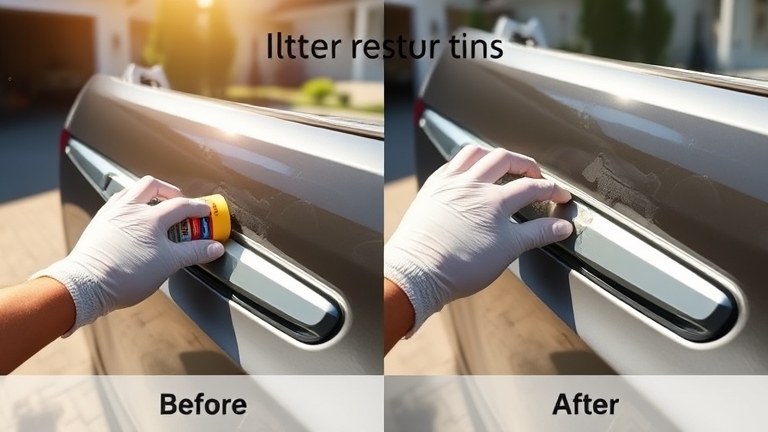 Frequently Asked Questions
Q2: Is NOMA 250 safe on your hands? Do I need gloves?
A2: Wearing gloves while applying NOMA 250 and washing your hands afterward is recommended to avoid skin irritation. If it gets in your eyes, rinse immediately with clean water.
Q3: Can I use NOMA 250 on interior plastic trim (dashboard, doors)?
A3: NOMA 250 is formulated specifically for exterior plastic trim. If you want to try it on interior trim, test a small, hidden area first.
Q4: How often does black trim restorer need to be reapplied?
A4: It depends on the product and how the car is used. NOMA 250 typically lasts 4-6 weeks, Sonax lasts longer (6-10 weeks). Reapply once you notice the trim losing its shine or starting to fade again.
Q5: Should I use multiple trim restorer products together?
A5: Not recommended. Each product has a different formula, and mixing them can reduce effectiveness or cause a chemical reaction. Pick one product and use it up before switching to another if you want to compare results.
Q6: Does black trim restoration work on every type of vehicle?
A6: Yes, as long as the trim is standard plastic (ABS, PVC). That said, on older vehicles (10+ years) with deeply cracked or damaged trim, restoration is only a temporary fix — full trim replacement is the more effective long-term solution.
Conclusion: Getting Black Trim Restoration Right
Restoring black trim is a small but important step in protecting your car’s overall appearance and value. The comparison above shows NOMA 250 as the best all-around DIY pick, thanks to its competitive price, ease of use, and clearly visible results.
If long-lasting durability is your priority and you’re willing to spend more, Sonax NanoPro or Meguiar’s G190 are worthwhile upgrades. Whichever product you choose, stick to the proper process: clean thoroughly first, apply thin coats, and keep up with regular maintenance.
Start restoring your trim today — you’ll notice the difference after the very first application.
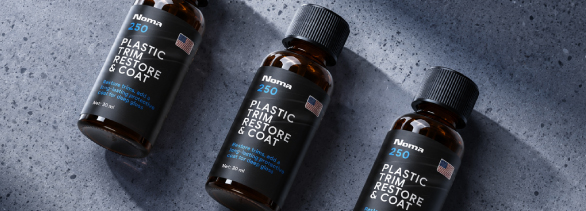
Restore Black Plastic Trim on Your Car with NOMA 250: 5 Easy Steps

Restore Black Plastic Trim on Your Car with NOMA 250: 5 Easy Steps
Faded black plastic trim is a problem almost every car owner runs into eventually. The black plastic on door handles, side mirrors, spoilers, and headlight housings gradually turns gray and chalky, robbing your car of that showroom look. Instead of paying a detail shop, you can restore your car’s black plastic trim at home with NOMA 250 — a US-formulated car care product built on a pH-neutral formula that’s completely safe for you and every trim piece it touches.
This guide walks you through exactly how to use NOMA 250 to restore faded black plastic trim, getting your car looking new again in just 30-45 minutes of simple work.
Why does black plastic trim fade in the first place?
The black plastic on your car isn’t paint or a decal — it’s a synthetic rubber-like material that’s durable, but still vulnerable to the elements.
 Why does black plastic trim fade in the first place?
Moisture, UV rays, road grime, and high humidity are the main culprits behind that dull, chalky look — they strip the trim of its natural sheen over time.
According to road transport authority data, millions of vehicles go without proper maintenance every year, which only accelerates this kind of wear.
The fading tends to happen faster in humid, coastal, or tropical climates. That means a little proactive care goes a long way toward keeping your car looking sharp.
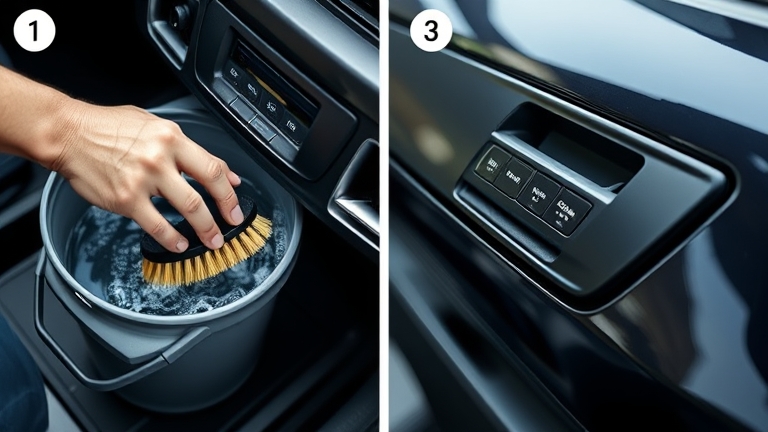
Prep the plastic surface before restoring it
Proper prep is the real key to a great result. If the surface isn’t clean, the product can’t bond properly and your results will suffer.
 Prep the plastic surface before restoring it
Simple prep routine:
- Wash the black plastic trim with clean, cool water and a pH-neutral cleaner. Avoid hot water — it can warp the plastic.
- Dry it off with a soft, lint-free towel. Don’t leave it damp — leftover moisture will interfere with the restoration process.
- Check the surface for any deep scratches. If you find some, treat those separately before applying NOMA 250.
- Work in a well-ventilated spot, out of direct sunlight.
Note: Never clean black plastic trim with strong acids or harsh solvents — they can strip away the material’s natural protective layer.
Applying NOMA 250 to restore the trim
NOMA 250 is purpose-built for restoring faded black plastic trim. Its pH-neutral formula won’t harm your paint or the rubber trim itself, so you get real results without the risk.
How to apply NOMA 250:
- Shake the bottle well before use so the formula is fully mixed.
- Pour a small amount (roughly a capful) into a cup or dish for easy access.
- Use a soft brush or a foam applicator to spread NOMA 250 over the plastic surface.
- Apply an even, thin coat — you’re going for light coverage, not a thick, gloopy layer.
- Let it sit for 3-5 minutes so the product can soak in and bring back the shine.
This whole process moves fast, saving you time compared to other restoration methods.
Buffing and finishing the surface
Once the product has had time to work, the next step is buffing it off to reveal that rich, glossy black finish underneath.
How to buff it properly:
- Use a soft cotton towel or a microfiber cloth and wipe gently.
- Wipe from top to bottom to avoid unnecessary rubbing on the surface.
- Keep wiping until there’s no leftover moisture or greasy residue.
- If the first pass doesn’t get it fully clean, go over it a second time with a dry towel.
The end result is a rich, glossy black finish that looks better than it has in a long time — often better than the original condition.
Regular maintenance to keep the results looking good
Restoring black plastic trim isn’t a one-and-done job — it’s an ongoing maintenance routine. To keep that fresh look for the long haul, you’ll want to stay on top of it.
Recommended maintenance schedule:
| Timeframe | Frequency | What to do |
|---|---|---|
| Every 1-2 months | 1x | Light wash + dry |
| Every 3-4 months | 1x | Full restore with NOMA 250 |
| Every 6 months | 1x | Inspect all black plastic trim on the car |
| Once a year | 1x | Deep restoration if needed |
If you live somewhere humid, it’s worth shortening these intervals a bit to keep the trim consistently protected.
How does NOMA 250 stack up against other products on the market?
There are plenty of options out there for restoring black plastic trim, but not all of them deliver on quality and safety.
| Criteria | NOMA 250 | Generic products | Manual paint touch-up |
|---|---|---|---|
| Safe, pH-neutral formula | ✓ | Often strong acid or base | Can be harmful |
| Restoration quality | High | Average | High, but slow to apply |
| Application time | 30-45 minutes | 1-2 hours | 4-6 hours |
| How long results last | 3-4 months | 1-2 months | 6-8 months |
| DIY-friendly | Easy | Difficult | Very difficult |
| Price | Affordable | Cheap | Expensive |
| Where it’s made | USA | Varies | N/A (manual work) |
As the table shows, NOMA 250 hits the sweet spot between effectiveness, safety, and ease of use. That’s exactly why so many car owners rely on it.
Common mistakes when restoring black plastic trim
Mistake 1: Skipping proper surface prep
If the plastic still has dirt or grease on it, the product won’t bond well and your results will fall short. Always wash the surface thoroughly before applying anything.
Mistake 2: Applying too much product at once
A thick coat doesn’t mean better results. In fact, using too much product can leave the surface greasy, hard to wipe clean, and it just wastes product.
Mistake 3: Working in direct sunlight
Heat causes the product to evaporate too quickly, cutting down on its effectiveness. Always work in a shaded, well-ventilated area — never in direct sun.
Mistake 4: Not letting the product sit long enough
Don’t rush to wipe it off. Letting NOMA 250 sit for 3-5 minutes gives you the best possible results. Check out our other car care guides for more DIY maintenance tips.
Frequently asked questions about restoring black plastic trim
Q1: Is NOMA 250 safe on skin?
Yes, NOMA 250 is formulated with a pH-neutral base that’s completely safe to handle. That said, it’s still good practice to wash your hands after use.
Q2: How long do the results last?
It depends on your follow-up care. With regular washing and maintenance, results typically last 3-4 months. With extra care, you can stretch that to 5-6 months.
Q3: Can I use NOMA 250 on any type of black plastic?
NOMA 250 is specifically formulated for the black rubber-like trim found on cars. Avoid using it on other materials it hasn’t been tested for.
Q4: Does NOMA 250 have a strong smell?
No, it has a mild scent that shouldn’t bother most people. Still, working in a well-ventilated area will make the experience more comfortable.
Q5: How much trim can one bottle of NOMA 250 cover?
A standard bottle can treat all the black plastic trim on an entire car 3-5 times over, depending on how much surface area you’re covering.
Q6: Can I use NOMA 250 on a new car?
Absolutely — it works great as a protective, shine-maintaining treatment for trim that hasn’t faded yet.
Q7: Can I combine NOMA 250 with other products?
Only apply NOMA 250 to a clean surface, and avoid mixing it with other products to prevent any unexpected reactions.
Q8: Are there discounts for buying multiple bottles of NOMA 250?
Check the official NOMA website for current promotions.
The bottom line
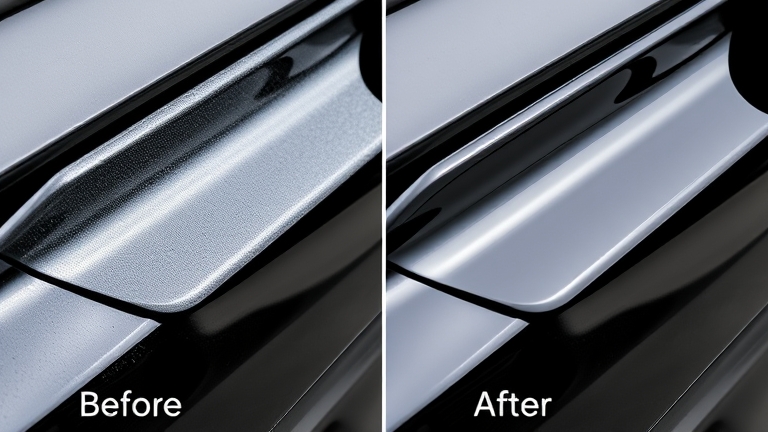
Restoring black plastic trim doesn’t have to be complicated or expensive if you’re using the right product. NOMA 250 is the ideal solution — made in the USA, safe on a pH-neutral formula, and simple enough to use right at home.
 The bottom line
Just 5 steps — prep the surface, apply the product, let it work, buff it dry, and keep up with regular maintenance — and you can keep your car looking showroom-fresh without ever setting foot in a detail shop. Try NOMA 250 today and see the difference for yourself.
References
- Road transport authority maintenance data