
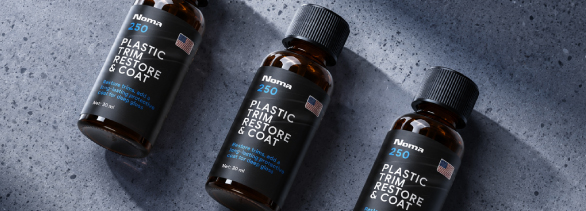

NOMA 250 vs. 3M, Liqui Moly, Sonax: The Best Black Trim Restorer


NOMA 250 vs. 3M, Liqui Moly, Sonax: The Best Black Trim Restorer
Faded black plastic trim (front and rear bumpers, hood accents, wiper arms) tends to oxidize and turn dull after just a few months in the sun. That’s why black trim restoration has become an essential maintenance task for every DIY car owner.
Mục lục
There’s no shortage of black trim restorers on the market today, each with different quality and pricing. NOMA 250 is one of the more popular picks, but it’s worth comparing it against other well-known brands like 3M, Liqui Moly, and Sonax to find the best fit for your car.
This article breaks down black trim restorers with a detailed comparison table, pros and cons, and advice from professional detailers.
What Is Black Trim Restoration?
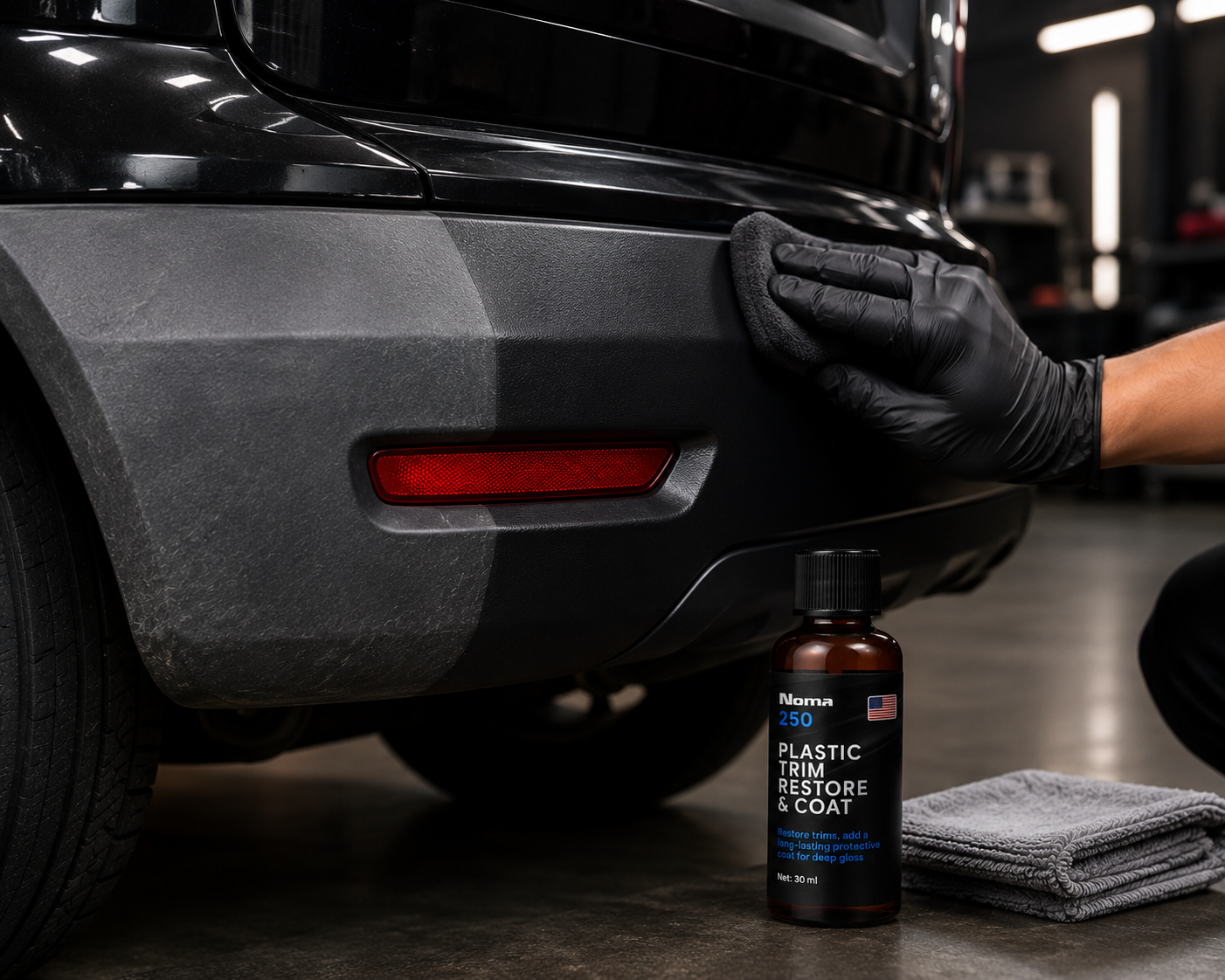
Black trim restoration (also called plastic conditioning or plastic coating) uses purpose-built products to brighten, refresh, and protect the black plastic parts on your car. That includes front and rear bumpers, window trim, hood accents, side mirrors, and other plastic components.
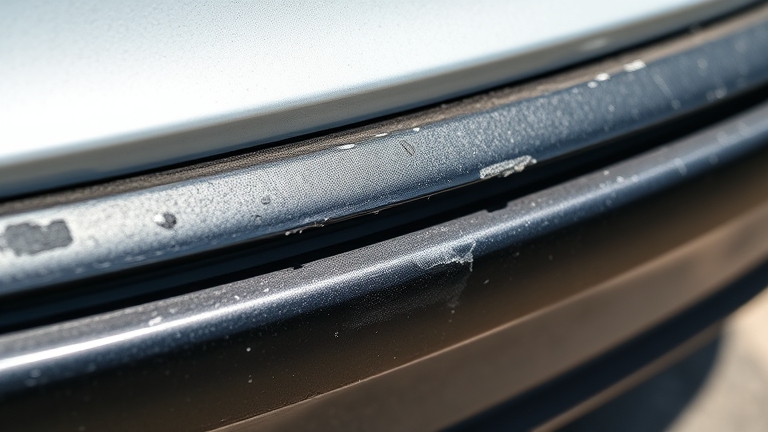 What Is Black Trim Restoration?
According to the Professional Detailing and Car Care Association, restoring black trim on a regular basis doesn’t just make a car look cleaner — it also extends the life of these parts by building a protective barrier against UV rays and environmental damage.
There are two categories of black trim restorer: short-term products (a strong initial color change that only lasts a few weeks) and long-term products (holding up for 2-4 months, suited to owners who want less frequent upkeep).
Detailed Comparison: NOMA 250 vs. 3M vs. Liqui Moly vs. Sonax
| Criteria | NOMA 250 | 3M Trim Restorer | Liqui Moly Plastic Care | Sonax Plastic Care |
|---|---|---|---|---|
| List price | $4-6 | $8-10 | $7-9 | $8-10 |
| Bottle size | 1 fl oz (30ml) | 10.5 fl oz (312ml) | 8.5 fl oz (250ml) | 10.1 fl oz (300ml) |
| Dry time | 10-15 min | 15-20 min | 10-15 min | 15-20 min |
| Blackening effect | Glossy, natural color | Very glossy, deep color | Light gloss | Even gloss |
| Durability | 8-12 weeks | 6-10 weeks | 6-8 weeks | 8-12 weeks |
| Ease of use | Very easy (spray-on) | Easy (applicator pad) | Moderate (wipe-on) | Easy (spray-on) |
| Slip risk | Minimal (brake/tire safe) | None | None | Minimal |
| Cost per ml | $0.13-0.16 | $0.14-0.17 | $0.16-0.19 | $0.14-0.17 |
| US availability | Nationwide (noma.vn) | Major retailers | Major retailers | Major retailers |
Comparison data based on a retail price survey and user feedback from car-care forums, Q4 2024.
Pros and Cons of Each Black Trim Restorer
NOMA 250: American-Standard Black Trim Restoration
Pros:
-
- The most competitively priced product in the group ($4-6).
-
- Spray-on design, no extra tools needed, saves time.
-
- The fastest dry time (10-15 minutes) — you can drive again shortly after.
-
- Long durability (8-12 weeks) relative to price, ideal for maintenance every 2-3 months.
-
- Doesn’t make brake or tire surfaces slippery, safe for ABS braking systems.
-
- Formulated to American detailing standards, giving black trim a natural look rather than an overly glossy one.
Check out our full guide to at-home car care to learn how to pair NOMA 250 with other products.
Cons:
-
- Not as glossy as 3M’s finish (NOMA focuses on long-term protection rather than maximum shine).
-
- Less common in traditional retail stores — you’ll need to order it online from noma.vn.
3M Trim Restorer: Maximum Shine
Pros:
-
- Produces a very glossy, deep black finish, impressive right from the first use.
-
- Widely supported by professional shops and garages.
-
- Formulated by the well-known 3M brand (USA).
Cons:
-
- The most expensive option in the group ($8-10).
-
- Longer dry time (15-20 minutes) — you’ll need to wait before driving.
-
- Results only last 6-10 weeks before the trim starts fading again.
-
- Needs an applicator pad or brush for even coverage — more involved than a direct spray.
-
- Can leave surfaces slightly slick (not a major issue, but worth care around ABS brakes).
Liqui Moly Plastic Care: A Balance of Price and Performance
Pros:
-
- Reasonably priced ($7-9), easy to access.
-
- A natural blackening effect, not overly glossy.
-
- Minimal risk of a slippery surface.
Cons:
-
- The shortest durability of the group (6-8 weeks) — you’ll need to maintain it more often.
-
- Less shine than 3M — if you want a glossy black finish, this may disappoint.
-
- Requires wiping with a soft brush or pad for even coverage — more effort involved.
Sonax Plastic Care: German Quality, Higher Price
Pros:
-
- Long durability (8-12 weeks), on par with NOMA but at a higher price.
-
- A stable German formula that won’t damage plastic.
-
- Convenient spray-on design.
Cons:
-
- Higher price ($8-10), only worth it if you specifically want a European brand.
-
- Shine quality is just average, no real advantage over NOMA 250.
-
- Harder to find in the US, mostly stocked at high-end detail shops.
Conclusion: NOMA 250 Is the Best Choice for DIY Black Trim Restoration
If you take care of your car at home and want strong results at a reasonable price, NOMA 250 is worth trying. It offers the best overall balance of:
-
- Price: The cheapest of the four products compared ($0.13-0.16 per ml).
-
- Durability: Long-lasting at 8-12 weeks, ideal for maintenance every 2-3 months.
-
- Ease of use: Direct spray application, no brush or extra tools needed.
-
- Safety: Won’t make brakes or tires slippery, safe for any braking system.
-
- Quality: An American-standard formula with full GHS-compliant safety documentation.
That said, if maximum shine is your top priority and price isn’t a concern, 3M Trim Restorer or Sonax are also solid picks. Liqui Moly makes sense if you prefer a more natural finish and don’t mind maintaining it monthly.
You can buy NOMA 250 black trim restorer directly from the NOMA homepage, complete with full product details, how-to videos, and customer support. Give it a try and compare the results against other brands for yourself.
Frequently Asked Questions
How often does black trim restoration need to be redone?
It depends on the product and usage conditions. With NOMA 250, results last about 8-12 weeks. If your car sees a lot of rain and strong sun, maintain it every 2 months. If it’s garage-kept, you can stretch that to every 3 months. For more detail, check our seasonal paint and plastic maintenance guide.
 Frequently Asked Questions
Should I pair NOMA 250 with a paint protection product?
Yes. Black trim and paint each need their own type of protection. After restoring black trim with NOMA 250, adding a paint protection product helps guard your car’s whole exterior against UV rays, acid rain, and dust — keeping it looking newer, longer.
Are black trim restorers harmful to skin?
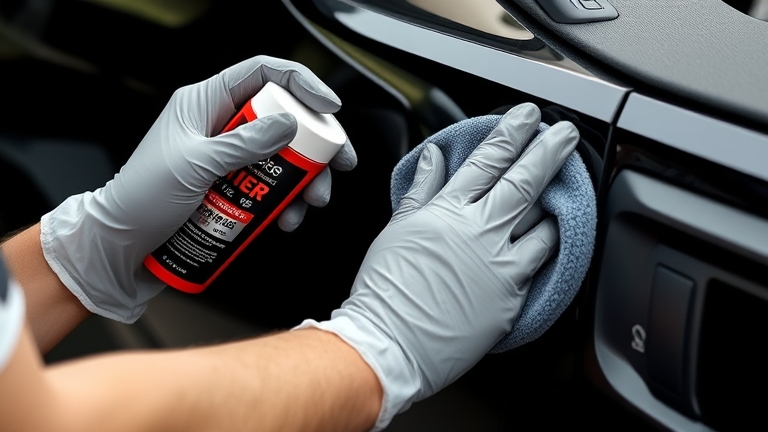
In general, modern black trim restorers are tested and certified safe under GHS standards. Still, wearing gloves during application is recommended as a precaution. NOMA 250 has a publicly available SDS (safety data sheet), so you can check the full ingredient list if you have sensitivities.
Can I apply NOMA 250 in the rain, or should I wait for a sunny day?
Wait until the car is completely dry before applying. Spraying it on in the rain, or on a still-damp surface, means the product won’t dry evenly or bond well. Ideally, pick a dry, sunny day, with temperatures not too extreme — above 95°F (35°C) can cause the product to dry too fast.
Is NOMA 250 cheaper than having it done at a professional garage?
Yes. Having a professional shop do it for you costs significantly more — typically $20-40 depending on the shop. Buying the product and doing it yourself costs only $4-6 per application, which is far more economical. Plus, learning to do it yourself pays off over time.
Is NOMA 250 sold in traditional retail stores, or only online?
Currently, NOMA 250 is mainly sold through noma.vn (online). You may also find it at select professional detailing shops that carry NOMA products. For the most convenient option, buy directly from the NOMA homepage for guaranteed authenticity, competitive pricing, and dedicated customer support.
References
- Professional Detailing and Car Care Association