




What to prepare before a long road trip is always the deciding factor between a smooth, safe journey and one full of headaches. Being fully prepared doesn’t just help you avoid unexpected risks and breakdowns — it also gives you and your travel companions real peace of mind. Let’s walk through it together with Noma in the article below.
Mục lục
1. What to Prepare Before a Long Road Trip
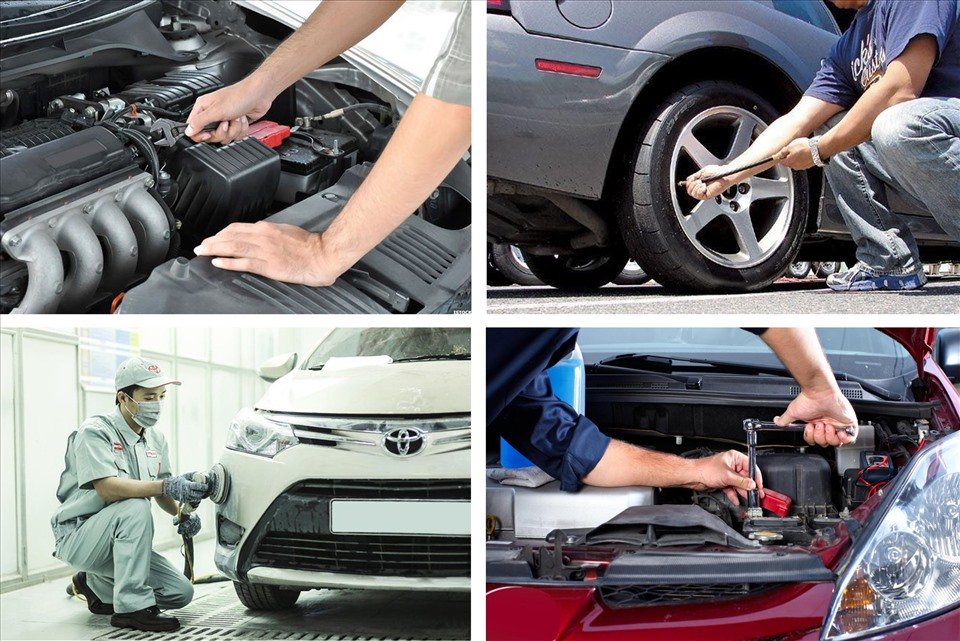
A successful road trip comes down to two things: a car that’s in top running condition, and a driver who’s prepared. Skipping basic checks can lead to trouble you didn’t see coming, turning what should be a fun getaway into an exhausting ordeal. To help you enjoy a safe, stress-free trip, the experts at Noma have put together a detailed checklist covering exactly what to prepare before hitting the road for a long drive.
2. Part 1: Your Car’s Condition — The Make-or-Break Factor for Any Trip
This is the most important part of your prep, and it’s never something to take lightly. Check your car at least 2-3 days before departure so you have enough time to fix any issues you find.
2.1. Tires
Tires are the only part of your car that actually touches the road — and they’re also behind many dangerous breakdowns.
- Check tire pressure: Inflate all tires, including the spare, to the manufacturer’s recommended pressure (usually listed on a sticker on the driver’s side door jamb). Both underinflated and overinflated tires are dangerous and waste fuel.
- Check tread wear: Look at the tread wear indicators in the grooves. If the tread has worn down flush with these markers, it’s time for new tires.
- Inspect the tire surface: Look for cracks, bulges, or any foreign objects lodged in the tire.
2.2. Brakes
- Check brake fluid: Open the hood and check the brake fluid level in the reservoir. If it’s below the “MIN” line, top it off and check for leaks.
- Feel how the brakes respond: During a test drive, pay attention to how the brakes engage — listen for squealing and feel for any vibration in the pedal. If you notice either, take the car to a shop to have the brake pads and rotors inspected.
2.3. Fluids Under the Hood
- Engine oil: Pull the dipstick, wipe it clean, reinsert it, then pull it out again to check the level. It should sit between the “MIN” and “MAX” marks.
- Coolant: Check the level in the overflow reservoir. Never open the main radiator cap while the engine is still hot.
- Windshield washer fluid: Keep the reservoir topped off so you always have a clear view of the road.
2.4. Electrical and Lighting Systems
- Battery: Check the terminals for corrosion or looseness. If your battery is more than 2-3 years old, have it tested at a shop with proper diagnostic equipment.
- Lights: Have someone stand outside the car and check every light: headlights (low and high beam), taillights, brake lights, turn signals, and fog lights.
2.5. Other Essentials
- Wiper blades: Check for hardened or worn rubber. If the wipers streak or leave water marks, replace them right away.
- Air conditioning: Turn it on and make sure it’s cooling properly.
Expert tip: If you’re not confident doing this yourself, or if your car is due for routine maintenance anyway, your best bet is to bring it to a trusted shop like Noma. We offer a [comprehensive pre-road-trip inspection] package, so every part of your car gets a thorough check from professional technicians.
3. Part 2: Essential Items for Your Trip
Once your car is in top shape, it’s time to pack the essentials.
3.1. Personal ID and Vehicle Documents
- Vehicle registration, inspection certificate, and mandatory liability insurance.
- Driver’s license and ID/passport.
- Double-check that your inspection and insurance are still valid before you leave.
3.2. Emergency Repair Kit
- Tire-change tools: A jack and lug wrench. Make sure you know exactly where they’re stored in your car.
- Mini air compressor: An incredibly handy tool to have on hand.
- Jumper cables: In case your battery dies.
- Flashlight: Essential if you run into trouble after dark.
3.3. Driving Aids
- A fully charged smartphone.
- Portable battery pack and charging cable for the car.
- Phone mount.
- Dash cam (make sure the memory card has enough free space).
3.4. Driver Health and Alertness
- Get a full night’s sleep before you set off.
- Pack some snacks, water, and gum to help you stay alert.
- Plan your route and rest stops in advance.
Final Thoughts
Answering the question of what to prepare before a long road trip with a thorough checklist is simply what a responsible driver does. Careful preparation is never wasted effort — it’s the key to a safe, enjoyable trip free of unpleasant surprises. By taking a little time to check your car’s condition and pack the right essentials, you’re giving yourself and your loved ones real peace of mind.
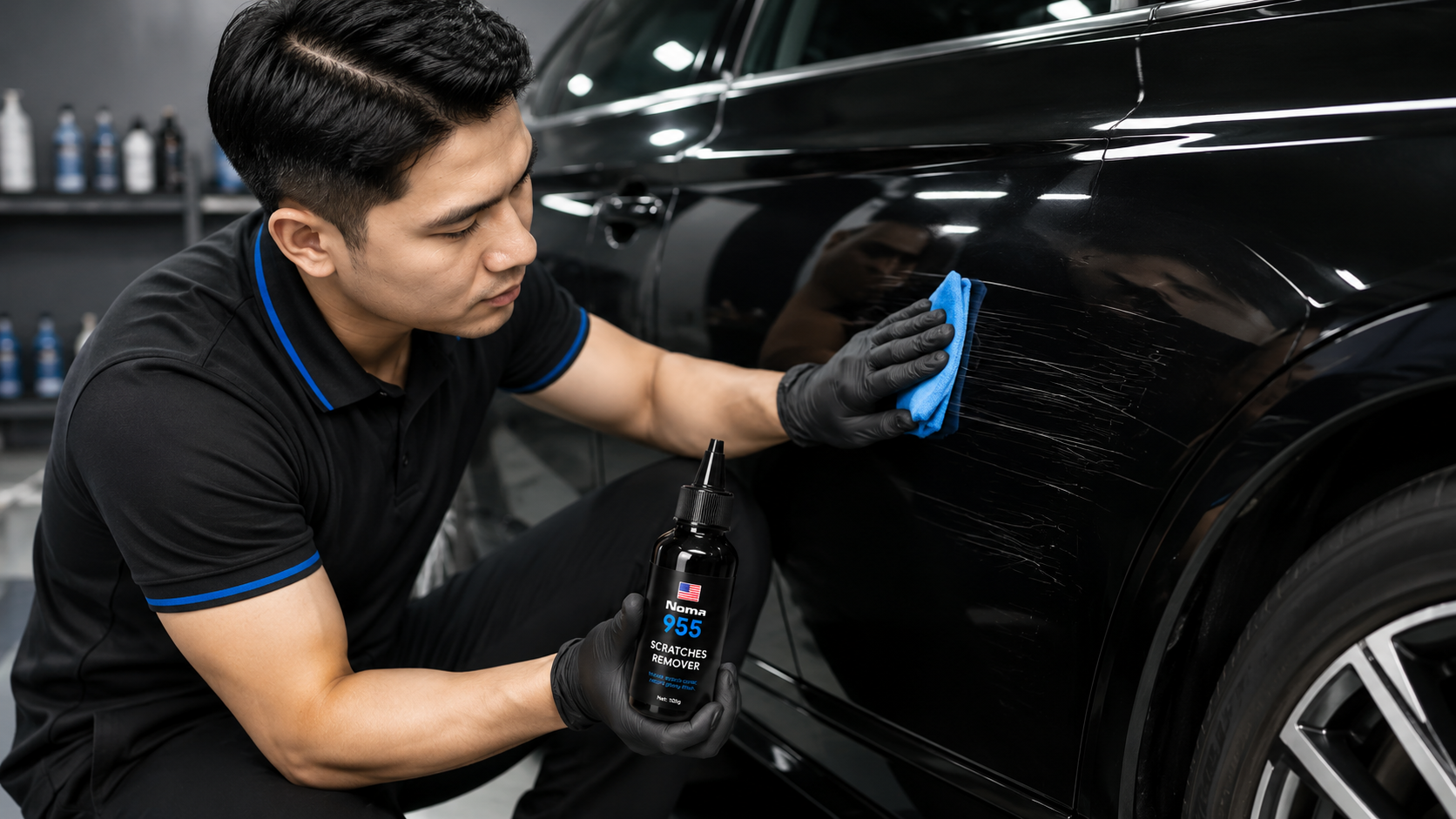
Removing Car Paint Scratches at Home with NOMA 955 – A Detailed Step-by-Step Guide
Removing paint scratches doesn’t always mean a trip to the shop. With NOMA 955, a dedicated scratch-removal product, you can fix small scratches at home in just minutes. This guide walks through the full process from prep to finish, so you can get results like a pro.
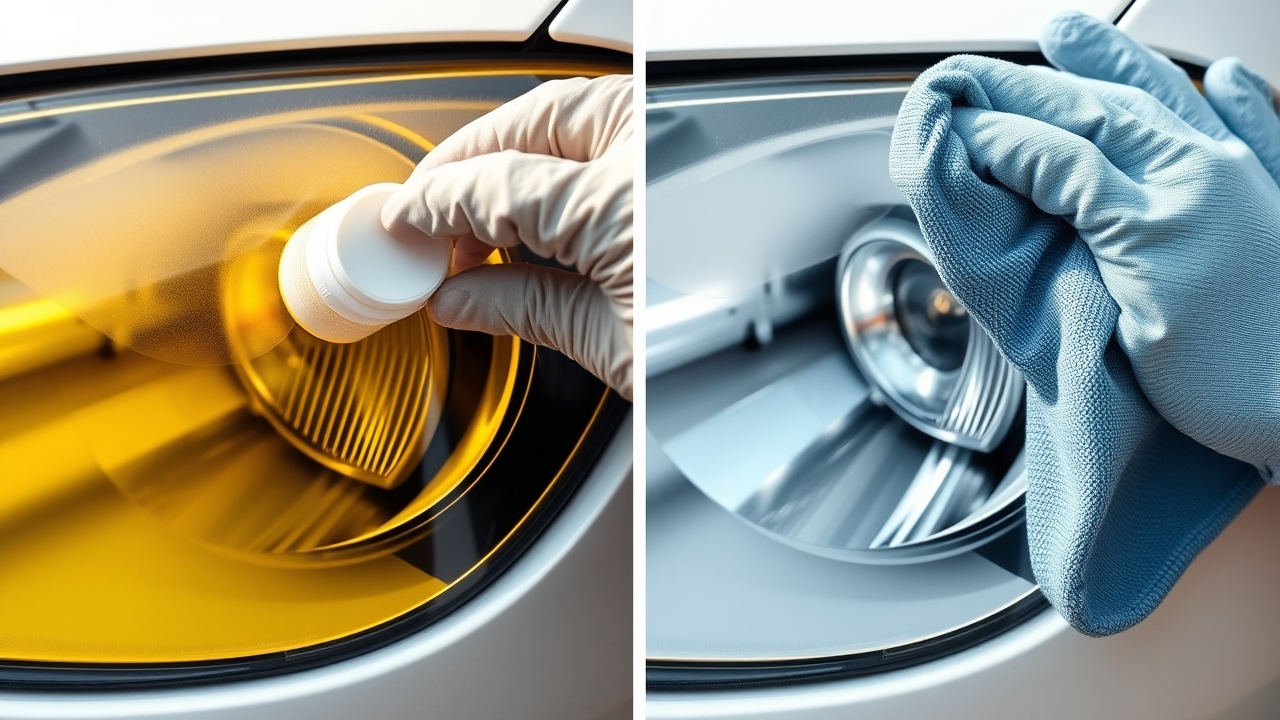
NOMA 620 – Effective At-Home Restoration for Yellowed Headlights in 2026
Yellowed headlights are a common problem that affects driving safety. This guide walks step by step through using NOMA 620 to restore yellowed, hazy headlights, with a comparison against other DIY methods and long-term maintenance tips.
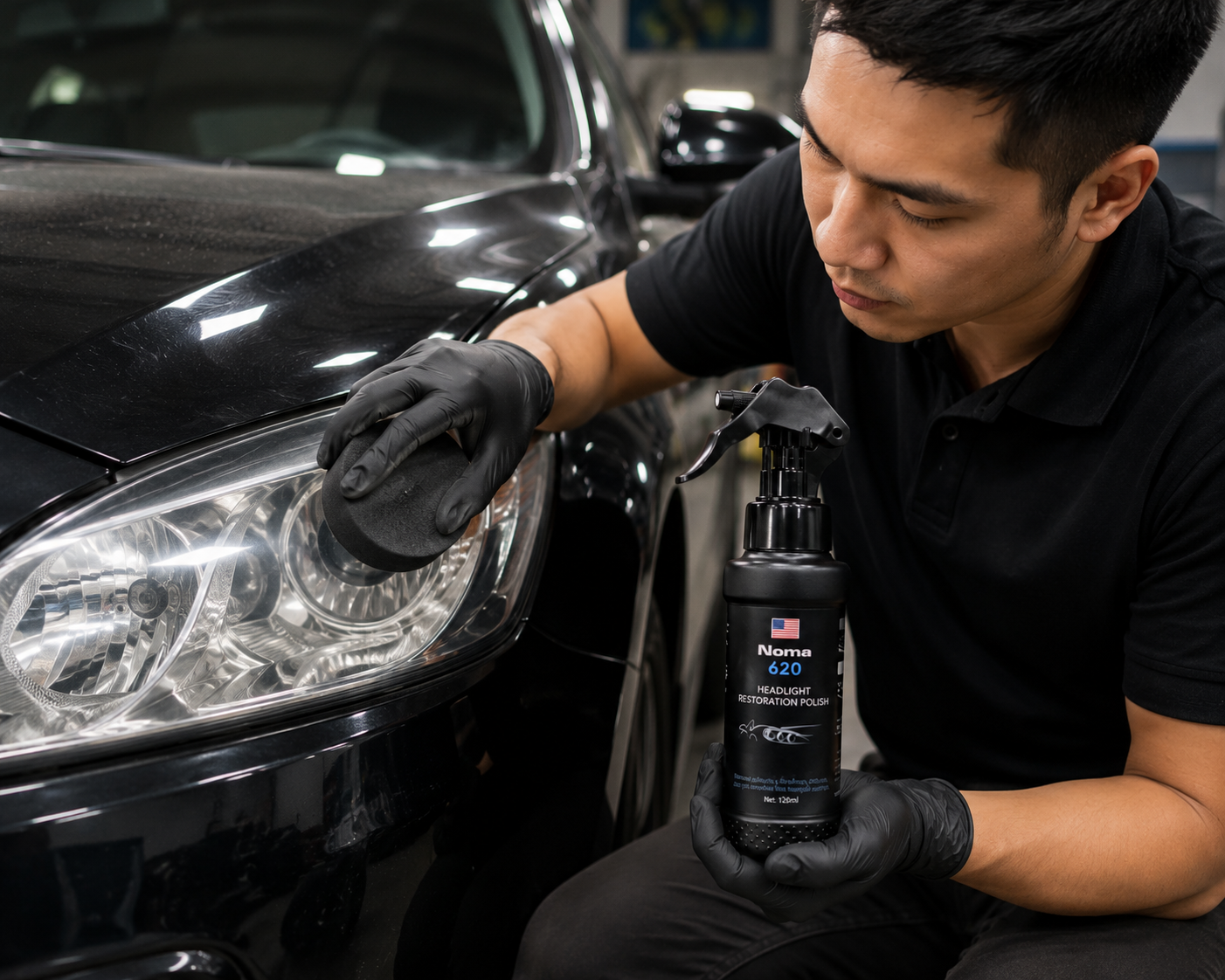
Removing Headlight Yellowing at Home — A Detailed Step-by-Step Guide
Yellowed, hazy headlights are a common issue on older cars. This guide walks through removing headlight yellowing at home in just 30 minutes — safe, effective, and far more affordable than a shop visit. A great option for any car owner who likes to handle their own car care.
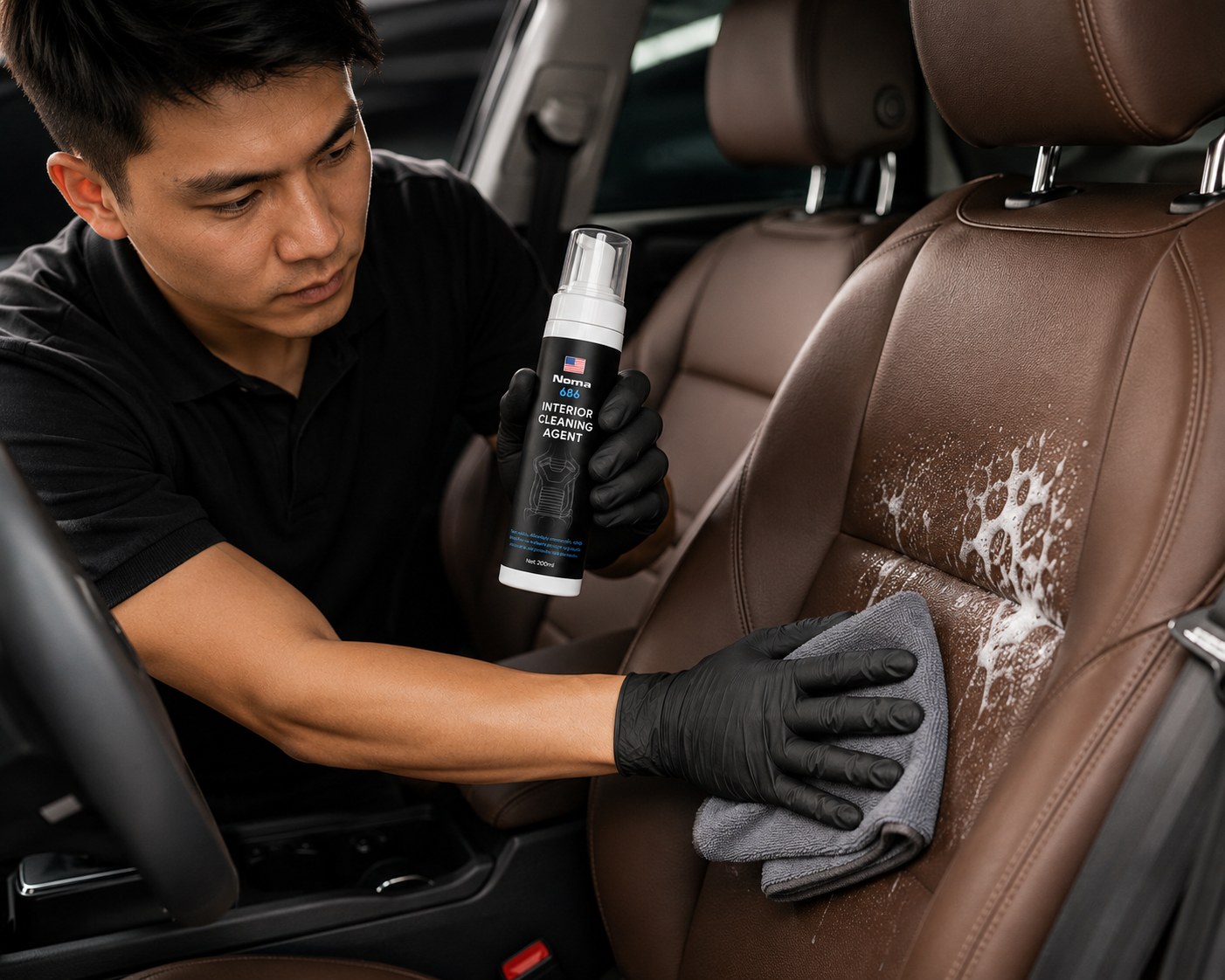
Professional Leather Car Seat Cleaning — A Step-by-Step Process
Cleaning your leather car seats the right way doesn’t just keep your interior looking sharp — it extends the life of the leather. This guide walks through the professional process: prep, cleaning, conditioning, and ongoing maintenance with NOMA 686, a dedicated leather cleaning & conditioning kit built to professional detailing standards.