




Long road trips can be a blast — especially those holiday drives home or spring getaways during Tet. The tips below will help you take on a long haul with confidence.
Mục lục
Driving the family back to your hometown, or taking on the role of “captain” for a holiday road trip, can feel a little nerve-wracking, especially if you don’t have much experience with long-distance driving.
On top of that, staring at the road for hours on end, packing kids and a mountain of luggage into the car, and dealing with heavy traffic and jams all add to the stress and fatigue. That’s why every trip needs solid preparation, so the fun doesn’t get derailed by an unexpected hiccup.
The long-distance driving tips below apply whether you’re driving the family home or heading out for a spring road trip over the Tet holiday.

1. Plan ahead and build a suitable itinerary
Every holiday stretches on for several days, so this is exactly the time to map out a concrete plan for your trip, and to get organized on packing the essentials and making sure your car is road-ready.
Building a solid travel itinerary matters a lot for families with young kids. Pack a bit of extra cash, some medicine, and snacks for the road to keep everyone healthy and comfortable along the way.
2. Trade off driving to avoid fatigue
Sitting behind the wheel for hours on end easily leads to drowsiness and exhaustion. Long-distance driving demands not just solid driving skills but also sharp, quick thinking to handle whatever comes up on the road.
So don’t push yourself to grind through the whole trip solo. Hand the wheel over to another passenger for a while. Plenty of people plan carpools with coworkers or people from the same hometown heading the same direction, splitting driving duties so everyone gets a chance to rest — and to enjoy some time behind the wheel too.
3. Schedule rest stops along the way, and avoid stopping in isolated spots
Sitting in a car for hours easily brings on fatigue, drowsiness, and stress. Plan reasonable breaks along the route so everyone’s body can recover, and so passengers have a chance to take care of personal needs.
Stopping to rest and take in the scenery also lifts everyone’s spirits and adds to the fun. How often you stop really depends on how everyone’s feeling, but as a general rule of thumb, plan a break roughly every 25-30 miles (40-50 km).
If your car shows any signs of trouble, head to a populated area where you can get help quickly. If your car breaks down unexpectedly somewhere isolated, stay inside with the doors locked, call for roadside assistance, and stay alert in case you run into anyone suspicious.
4. Bring along a good attitude
Before hitting the road, make sure you and everyone else in the car get enough rest — don’t stay up late, and don’t overeat beforehand. It also helps to pack some gum, energy drinks, or tea for the road to keep your mind sharp.
It’s also worth giving the car a once-over before you go — ideally, get it serviced before the holiday starts, since this is when cars see the heaviest use while repair shops are often closed. A thorough pre-trip check goes a long way toward avoiding surprises on the road.
According to people with plenty of long-distance driving experience, a cheerful, upbeat, happy vibe in the car makes a huge difference in how smoothly a trip goes. Passengers shouldn’t just doze off and forget about the driver — a quiet, sluggish mood can make the person behind the wheel feel weighed down and tired too. So keep the conversation going and be ready to help each other out along the way — it makes the miles fly by.
5. Follow traffic laws and respect local customs
Sticking to traffic laws will keep your trip running smoothly and help you steer clear of bad luck like accidents, collisions, or traffic fines. And for an even smoother trip, take some time to learn about the customs of the area you’re heading to — checking out local Facebook groups for tips is a great way to blend in more easily with the people and places you’ll encounter.
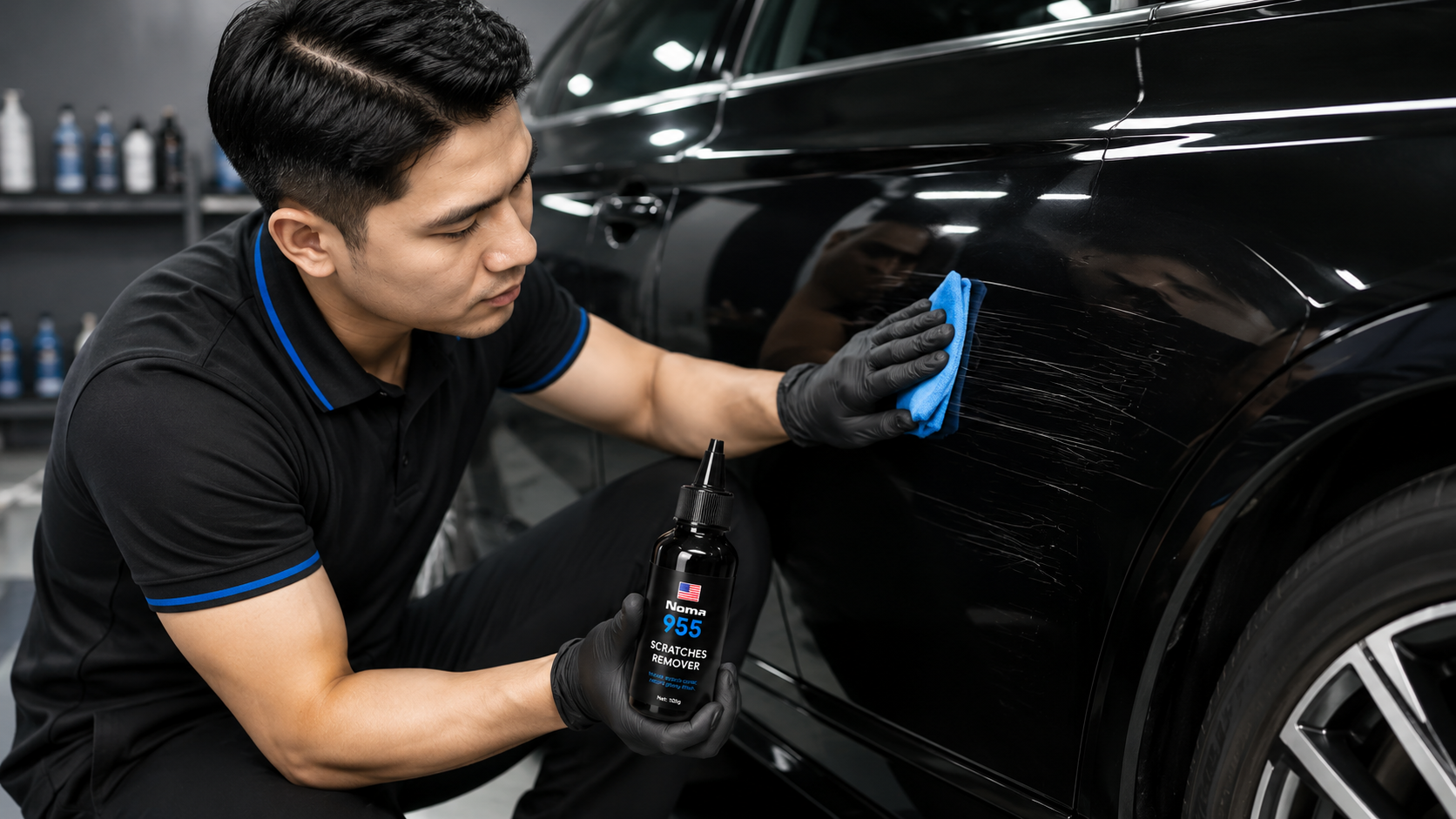
Removing Car Paint Scratches at Home with NOMA 955 – A Detailed Step-by-Step Guide
Removing paint scratches doesn’t always mean a trip to the shop. With NOMA 955, a dedicated scratch-removal product, you can fix small scratches at home in just minutes. This guide walks through the full process from prep to finish, so you can get results like a pro.
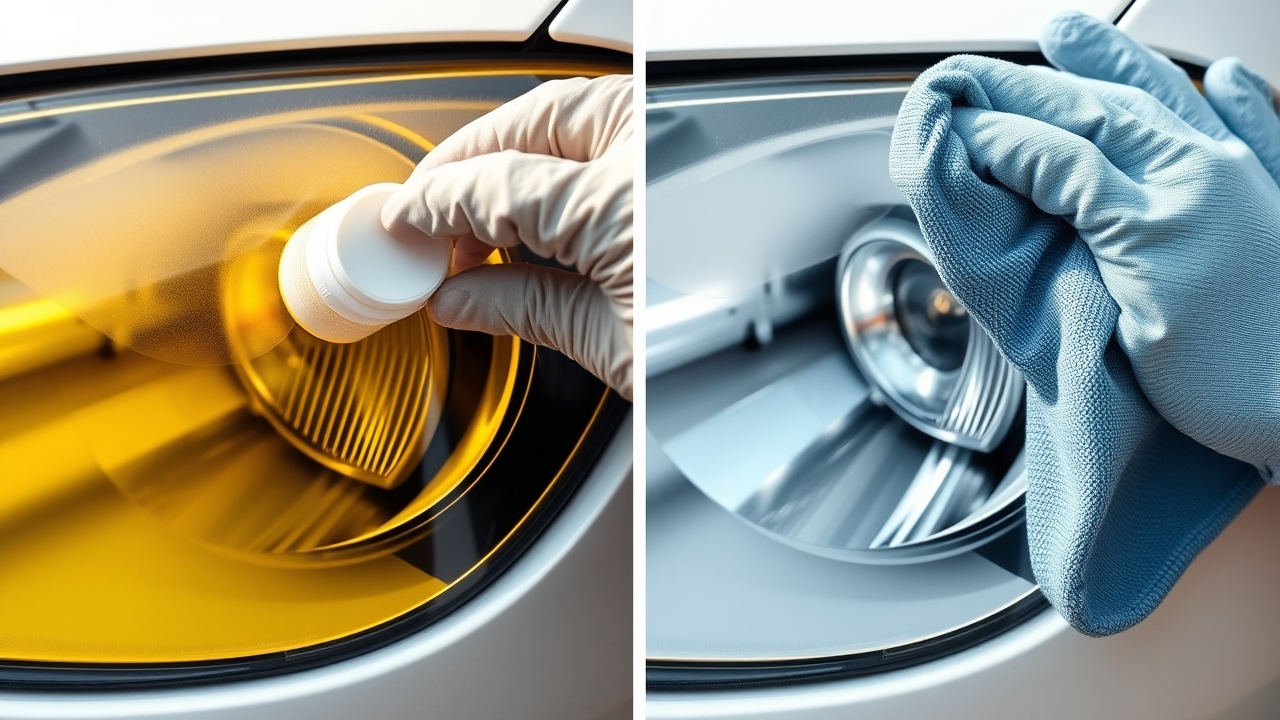
NOMA 620 – Effective At-Home Restoration for Yellowed Headlights in 2026
Yellowed headlights are a common problem that affects driving safety. This guide walks step by step through using NOMA 620 to restore yellowed, hazy headlights, with a comparison against other DIY methods and long-term maintenance tips.
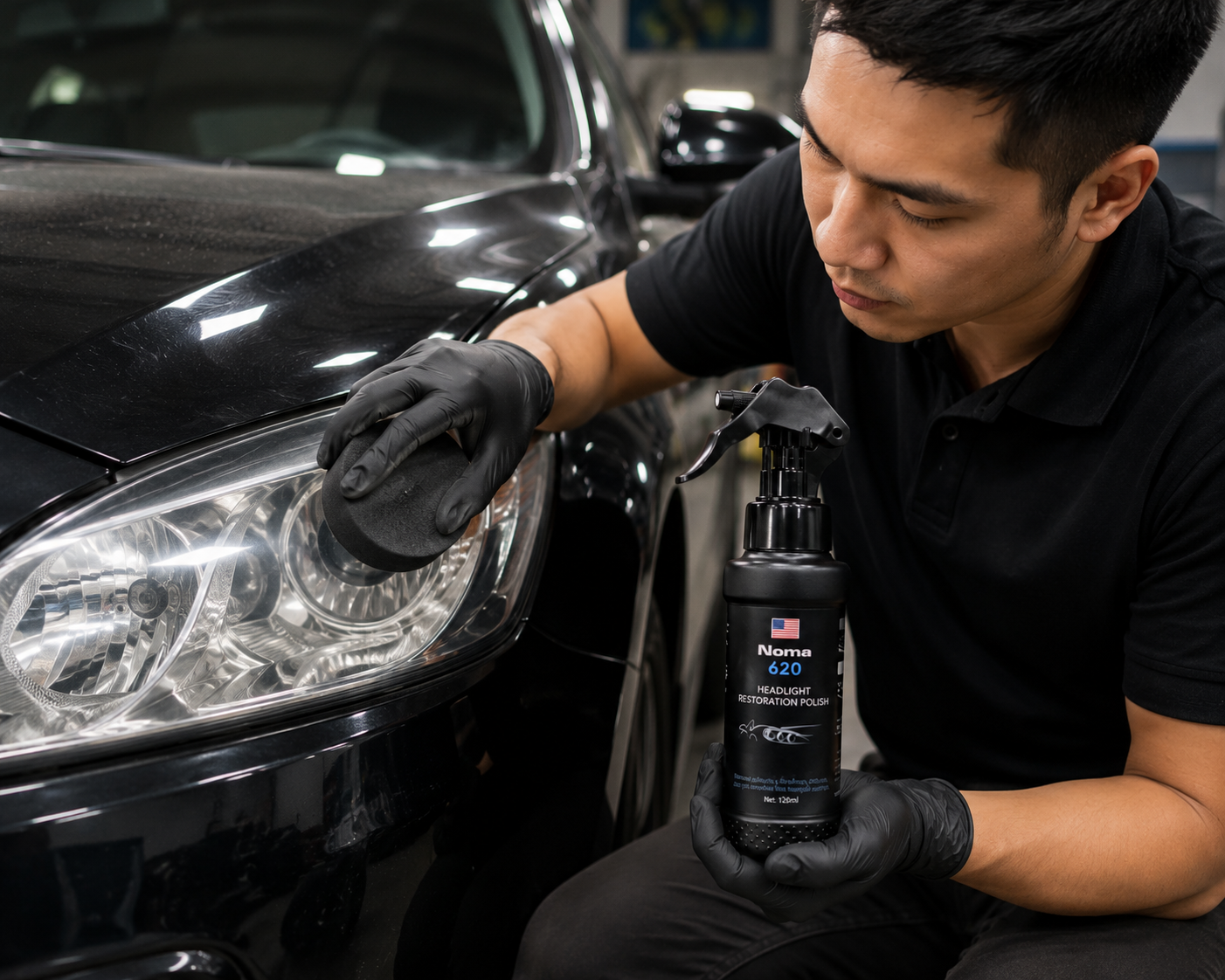
Removing Headlight Yellowing at Home — A Detailed Step-by-Step Guide
Yellowed, hazy headlights are a common issue on older cars. This guide walks through removing headlight yellowing at home in just 30 minutes — safe, effective, and far more affordable than a shop visit. A great option for any car owner who likes to handle their own car care.
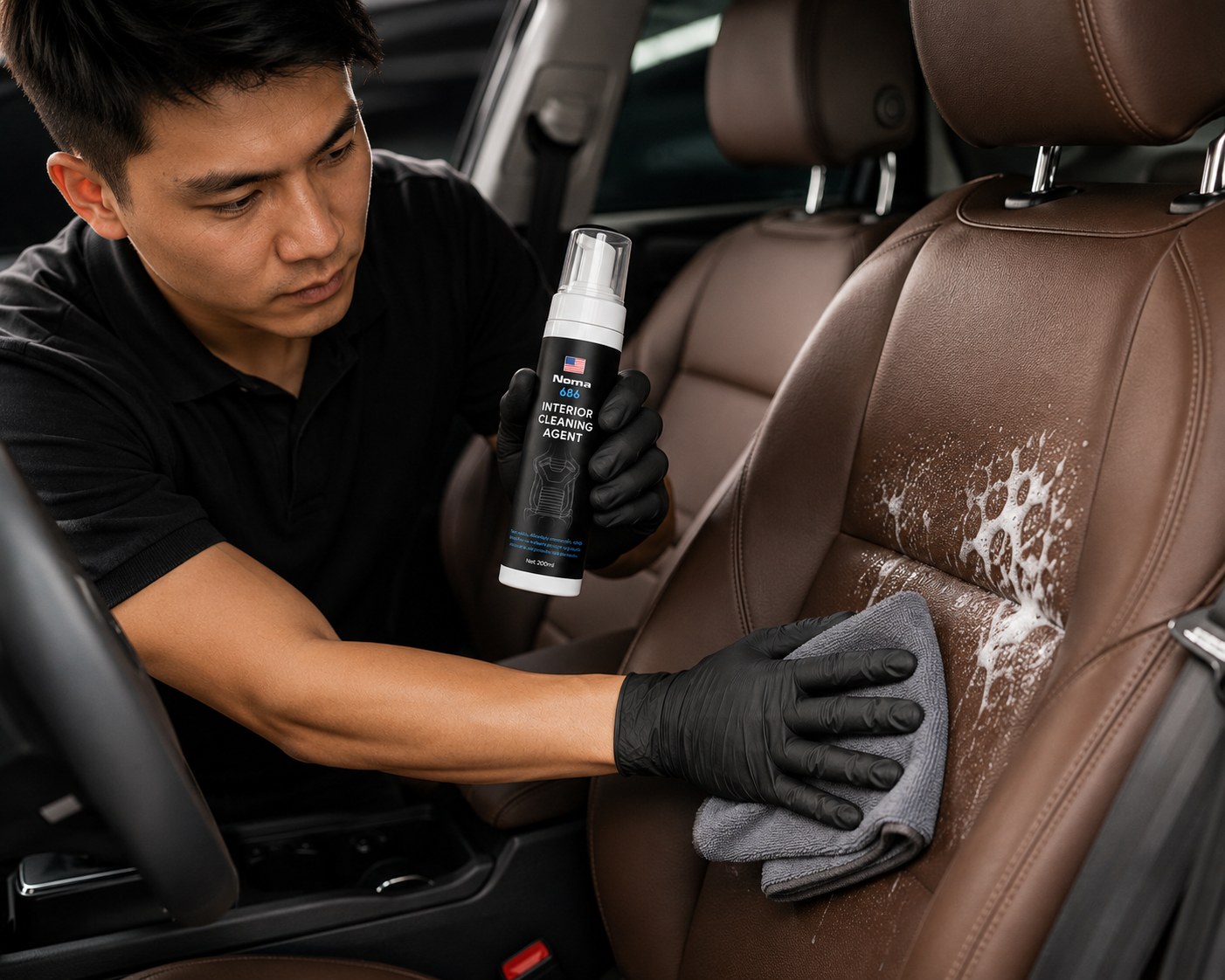
Professional Leather Car Seat Cleaning — A Step-by-Step Process
Cleaning your leather car seats the right way doesn’t just keep your interior looking sharp — it extends the life of the leather. This guide walks through the professional process: prep, cleaning, conditioning, and ongoing maintenance with NOMA 686, a dedicated leather cleaning & conditioning kit built to professional detailing standards.