




Safe driving habits matter for every driver, but they’re especially crucial if you’re new behind the wheel. To help you start your driving journey with confidence and safety, let’s go through 13+ golden rules every new driver should know for their beloved ride.
Mục lục
1. Right foot only: gas or brake, never both
This rule helps drivers react quickly and correctly in urgent situations. Use only your right foot for both the gas and brake pedals, and keep your left foot off to the side (this applies to automatic-transmission cars). It’s a simple habit that prevents mixing up your feet and keeps you in control no matter what happens on the road.
2. The 3-second rule
The 3-second rule helps you keep a safe following distance between vehicles, especially near traffic lights.
When you see a green light with about 3 seconds left, start preparing to stop so you don’t have to slam the brakes and startle the cars behind you. On the flip side, when a red light has about 3 seconds left before turning green, get your foot ready to ease onto the gas gently so the car moves off smoothly, avoiding a sudden jump that could endanger the car ahead. That’s safe driving in action!

3. Follow another car through flooded roads
When you hit a flooded stretch of road, don’t rush ahead — instead, follow behind another vehicle and watch how it handles the water. Watching the car in front lets you gauge how deep the water actually is and whether it’s safe to cross.
Here’s how to recognize the situation and handle driving through unavoidable flooded roads safely:
- How to tell it’s safe: Water reaching up to roughly the halfway point of your wheel (about 8–10 inches / 20–25 cm) is generally safe
- What to do:
- Drive slowly to avoid creating a bow wave — a wave can push water higher than the axle and into the engine’s air intake
- Turn off the AC so the engine doesn’t have to carry that extra load
- Once you’re clear of the water, pull over somewhere safe and check whether debris got caught in the radiator fan up front, or whether your license plate came loose
- If you were in the water a long time, it can affect your brake pads and reduce braking performance. Drive slowly and tap the brakes repeatedly afterward to dry them out
If the car ahead makes it through safely, you can follow with more confidence. On the other hand, if it struggles or has to turn back, consider doing the same or finding another route. Careful observation is what keeps you — and everyone else on the road — safe.

4. Animals on the road: aim for the head or the tail, depending on the animal
Suddenly encountering animals on the road isn’t rare, especially in rural areas. To handle it safely, remember this old driver’s trick: ease off the brakes to slow down, make sure there’s no one beside or behind you, and avoid any sudden swerve. It’s a small tip worth remembering.
For example, if you suddenly come across a pack of dogs, steer toward their heads — dogs tend to turn and bolt away as a car approaches. Cattle, on the other hand, tend to bolt straight ahead when startled or spooked by a loud noise, so steer toward their tails instead.
5. Build momentum before upshifting, rev-match before downshifting
Shifting gears the right way keeps you safe, saves fuel, and protects your engine from damage. Knowing how and when to shift up or down is a fundamental skill every driver needs.
When shifting up, build enough speed first so the car reaches the right RPM range for a smooth, efficient shift. This avoids “lugging” the engine — forcing it to work too hard, which strains the motor and can even stall the car mid-drive.
When shifting down, ease off the gas first to slow down and keep engine speed steady, which makes engaging a lower gear smooth instead of jarring. Right before you downshift, blip the throttle quickly to rev-match.
Note: this technique only applies to manual-transmission (MT) cars — automatic transmissions (AT) already calculate the right shift points for you.
6. Don’t drink and drive
Studies show that even a small amount of alcohol impairs your ability to drive safely. Drinking and driving isn’t just illegal — it’s a leading cause of serious traffic accidents. Alcohol dulls judgment and slows reaction time, sharply raising the risk of a crash.
If you drove to a place where you end up drinking, choose a different way home instead:
- Call a taxi or ride-hailing service
- Ask a friend or family member to pick you up
- Walk if you can, or take public transit

7. Control your speed and keep a safe following distance
According to Vietnam’s Ministry of Transport, over 80% of traffic accidents stem from speeding or a driver losing control of their speed. As speed increases, your ability to stop in time before an obstacle drops, and the force of any impact grows — making the outcome of a crash far more severe.
Watch the distance markers on the highway to help judge how far you are from the car ahead. Likewise, when stopped behind another vehicle in traffic or at a red light, leave enough space that you can still see its license plate and a bit of pavement beneath it — that’s the safe following gap.
Driving at a reasonable speed helps you maintain a safe gap from the car ahead and gives you enough time to react when needed, avoiding sudden collisions. If the car in front stops abruptly or slows down, you’ll have enough distance to stop safely instead of triggering a chain-reaction pileup.
8. Always wear your seatbelt
A seatbelt keeps your body anchored in your seat, sharply reducing the risk of serious injury in a crash. When a collision happens, the impact throws you forward with tremendous force, and the seatbelt is what absorbs that force and protects your head, neck, and spine. That’s why drivers and passengers should never buckle up the wrong way — like looping it over yourself after the fact, or skipping it out of overconfidence — since that defeats the whole purpose of keeping you secured in the seat during a crash.
9. Stay alert and keep your eyes on the road
Quick judgment and fast reactions to unexpected situations are what keep you safe on the road. Keep in mind: the emptier the road, the more likely everyone gets a little too relaxed. For instance, motorbike riders tend to speed up and drive more recklessly right before rain starts, and long stretches of highway can easily make a driver lose focus and get drowsy.
Just a few seconds of lost focus can lead to serious consequences — injury, even death. To avoid this, stay especially alert at intersections and roundabouts, near residential areas and schools, on curves and blind spots, and in bad weather, as well as on long, empty roads with little traffic. Also keep checking your mirrors continuously to monitor what’s happening behind you and cover your blind spots.
10. Signal before changing lanes
Signal early before you change direction so vehicles behind you can react and know what you intend to do — that’s what makes traffic flow smoothly and safely. Using your turn signal correctly doesn’t just prevent needless accidents; it shows respect and responsibility toward everyone else on the road.
11. Speed up to merge into a new lane
Change lanes one at a time — crossing two lanes at once is essentially driving diagonally across traffic, which is extremely dangerous for the cars behind you. When merging into a new lane, speeding up safely and appropriately is important. Once you’ve checked your surroundings and confirmed it’s clear, accelerate to merge in quickly — this minimizes the time you spend straddling your current lane and reduces the risk of blocking other drivers.
12. Check your mirrors and blind spots
Your mirrors and blind spots are essential to getting a full, accurate picture of what’s happening around your car. Regularly checking your mirrors and knowing exactly where your blind spots are will lower your accident risk and help build a safer driving environment for everyone.
13. Never use your phone while driving
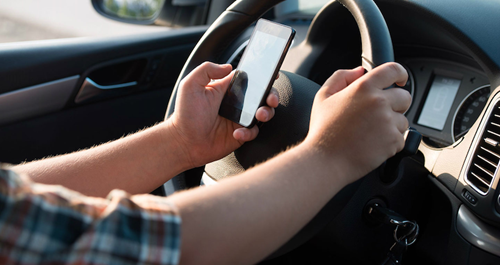
Countless accidents have happened because a driver was on their phone. It’s a dangerous habit with serious consequences — for your health and beyond. Keep your full attention on driving and on what’s happening around you to keep yourself and everyone else safe. Small, simple habits like these are what keep our roads safe for everyone.
14. Get regular checkups for your car
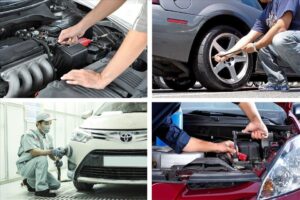
Schedule regular maintenance checks at a certified service center to keep your car in top shape. This lets you catch and fix small issues before they turn into big, expensive problems — and it makes for safer driving overall. Routine checkups reduce the risk of unexpected breakdowns and save you money on maintenance in the long run.
A basic checkup should cover engine oil, tires, brakes, the electrical system, and the cooling system. Sticking to a regular maintenance schedule keeps your car in top condition, boosts safety, and saves you money over time.
That wraps up our full rundown of safe driving tips for new drivers — hopefully this helps you get a solid handle on the rules of the road and drive with confidence. Always stay alert behind the wheel, buckle up, keep your speed in check, and stay calm when handling the unexpected — overconfidence is the one thing you can’t afford while driving!
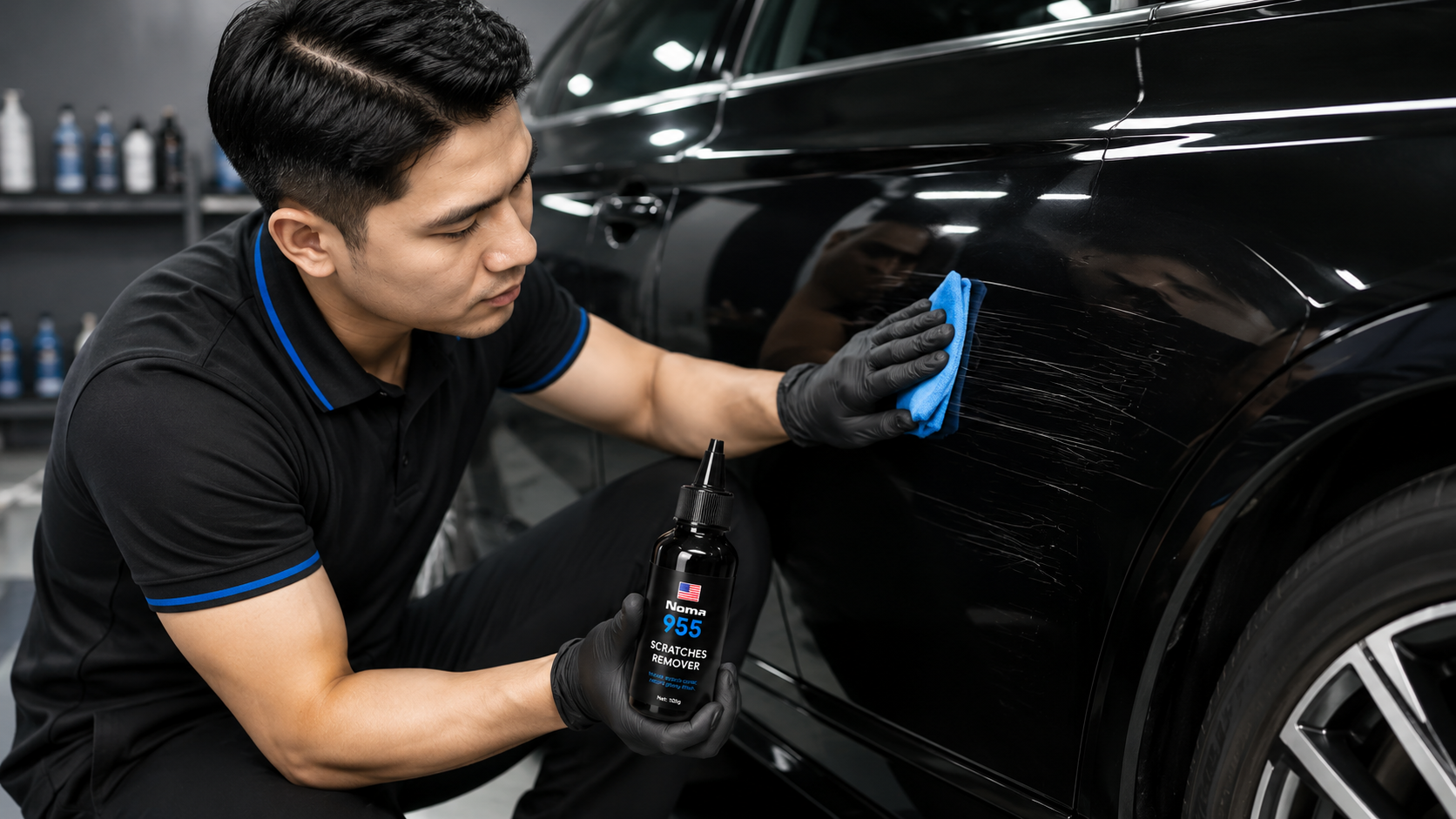
Removing Car Paint Scratches at Home with NOMA 955 – A Detailed Step-by-Step Guide
Removing paint scratches doesn’t always mean a trip to the shop. With NOMA 955, a dedicated scratch-removal product, you can fix small scratches at home in just minutes. This guide walks through the full process from prep to finish, so you can get results like a pro.
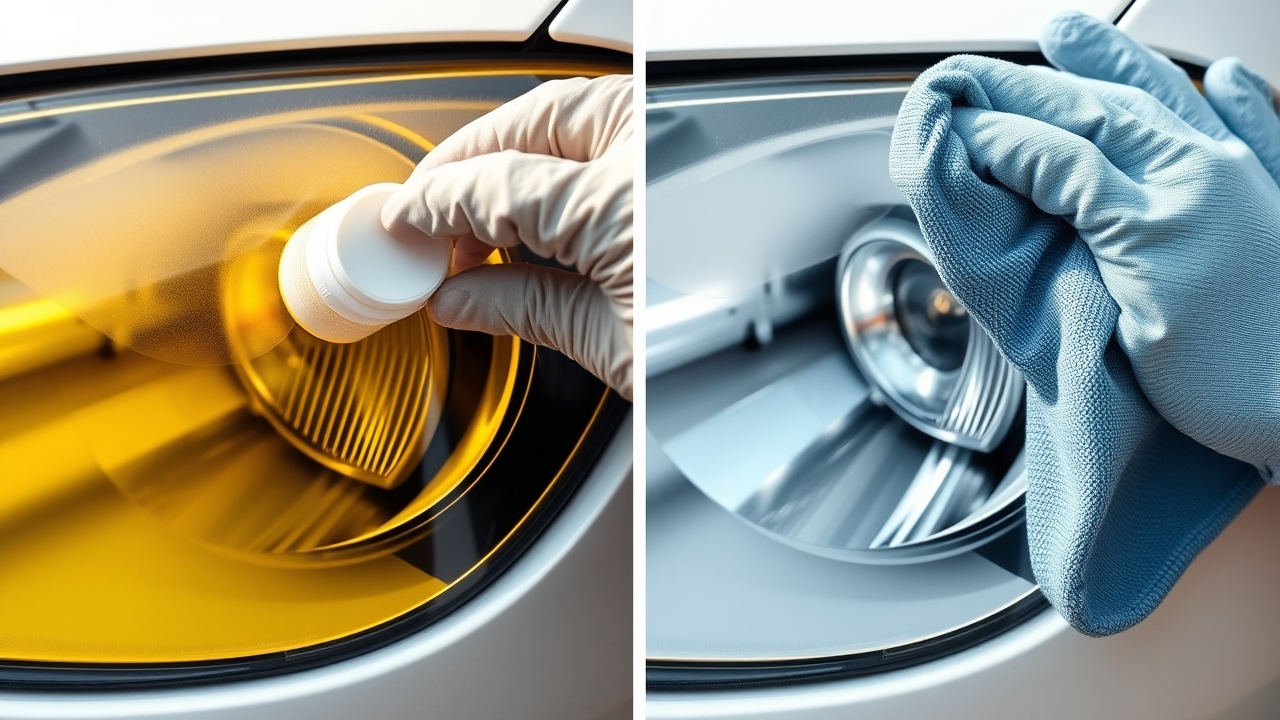
NOMA 620 – Effective At-Home Restoration for Yellowed Headlights in 2026
Yellowed headlights are a common problem that affects driving safety. This guide walks step by step through using NOMA 620 to restore yellowed, hazy headlights, with a comparison against other DIY methods and long-term maintenance tips.
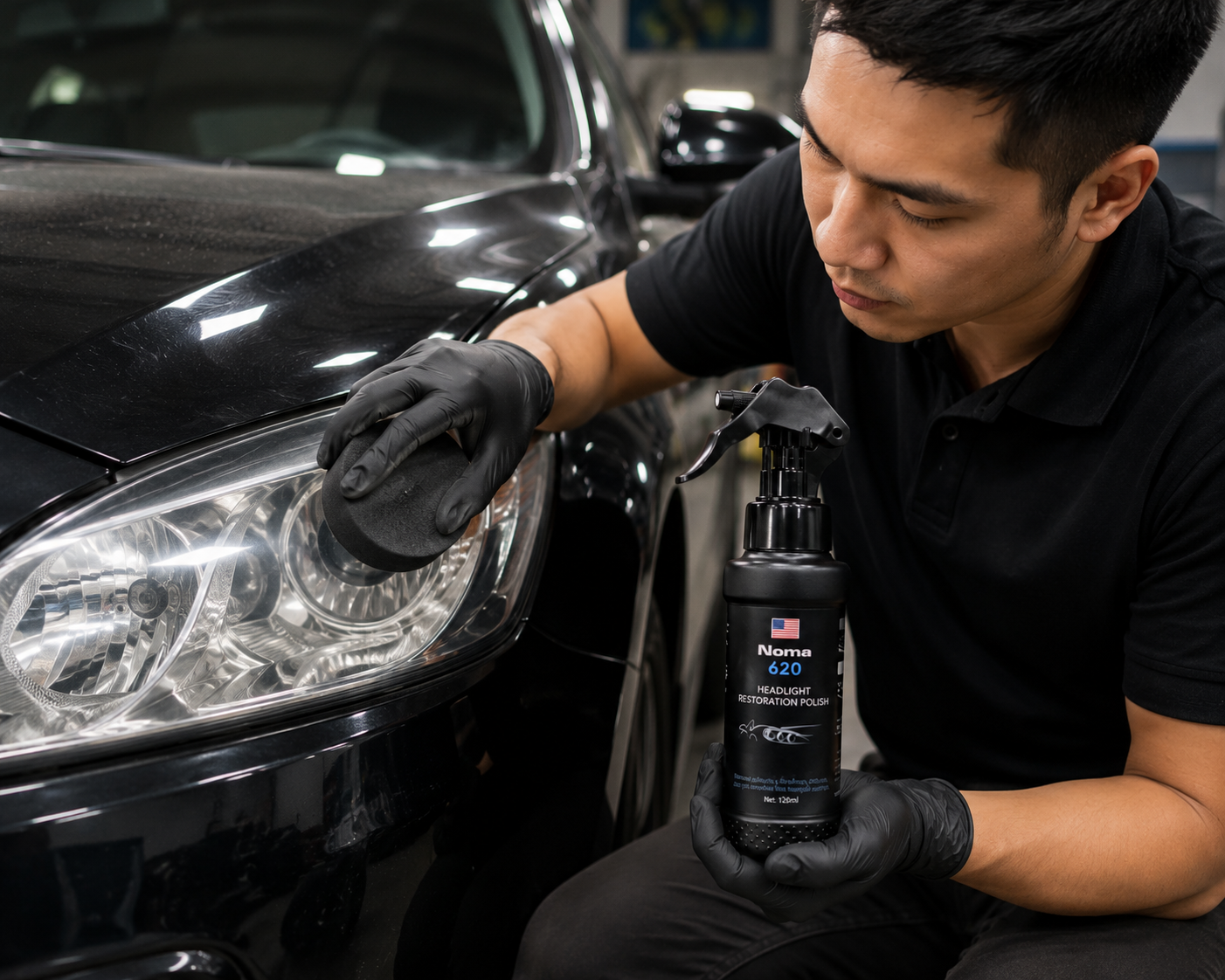
Removing Headlight Yellowing at Home — A Detailed Step-by-Step Guide
Yellowed, hazy headlights are a common issue on older cars. This guide walks through removing headlight yellowing at home in just 30 minutes — safe, effective, and far more affordable than a shop visit. A great option for any car owner who likes to handle their own car care.
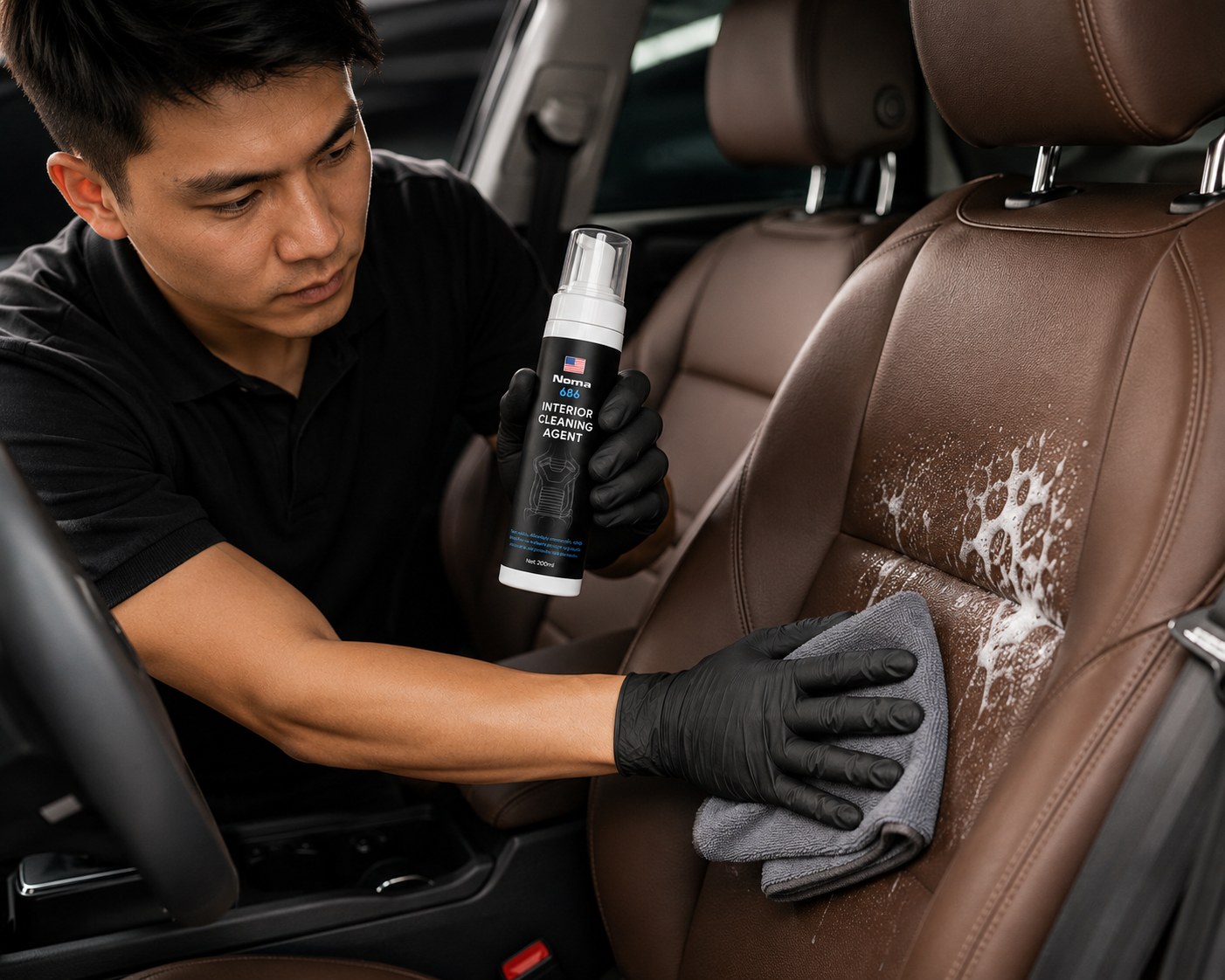
Professional Leather Car Seat Cleaning — A Step-by-Step Process
Cleaning your leather car seats the right way doesn’t just keep your interior looking sharp — it extends the life of the leather. This guide walks through the professional process: prep, cleaning, conditioning, and ongoing maintenance with NOMA 686, a dedicated leather cleaning & conditioning kit built to professional detailing standards.