


Water-Repellent Glass Coating for Cars: A 5-Step Expert Guide with NOMA 922

Water-Repellent Glass Coating for Cars: A 5-Step Guide to Doing It Right with NOMA 922
A water-repellent glass coating doesn’t just leave your windshield glossy — it also shields the surface from environmental wear. More and more car owners are turning to glass coatings instead of manually wiping down their windshield every day. According to car care experts, nano-coated glass typically holds up for 3–6 months depending on usage conditions. NOMA 922 is a nano water-repellent glass coating built specifically for hot, humid climates, making it easy to handle car care yourself at home without a trip to a specialty shop.
Mục lục
This article walks through applying a water-repellent glass coating step by step, from prep to maintenance, so you can get results that match what the pros deliver.
Why Does a Water-Repellent Glass Coating on Your Car Matter?
A water-repellent glass coating isn’t just cosmetic — it’s a real defense against elements that damage glass over time.
Your car’s glass faces daily exposure to rain, dust, UV rays, and airborne pollutants. Left unprotected, these factors build up over time, leading to stains, hazy visibility, and dulled shine. Per safety research, how clean and clear your car’s glass is has a direct impact on driving safety.
A water-repellent glass coating creates an ultra-thin protective layer on the glass surface that:
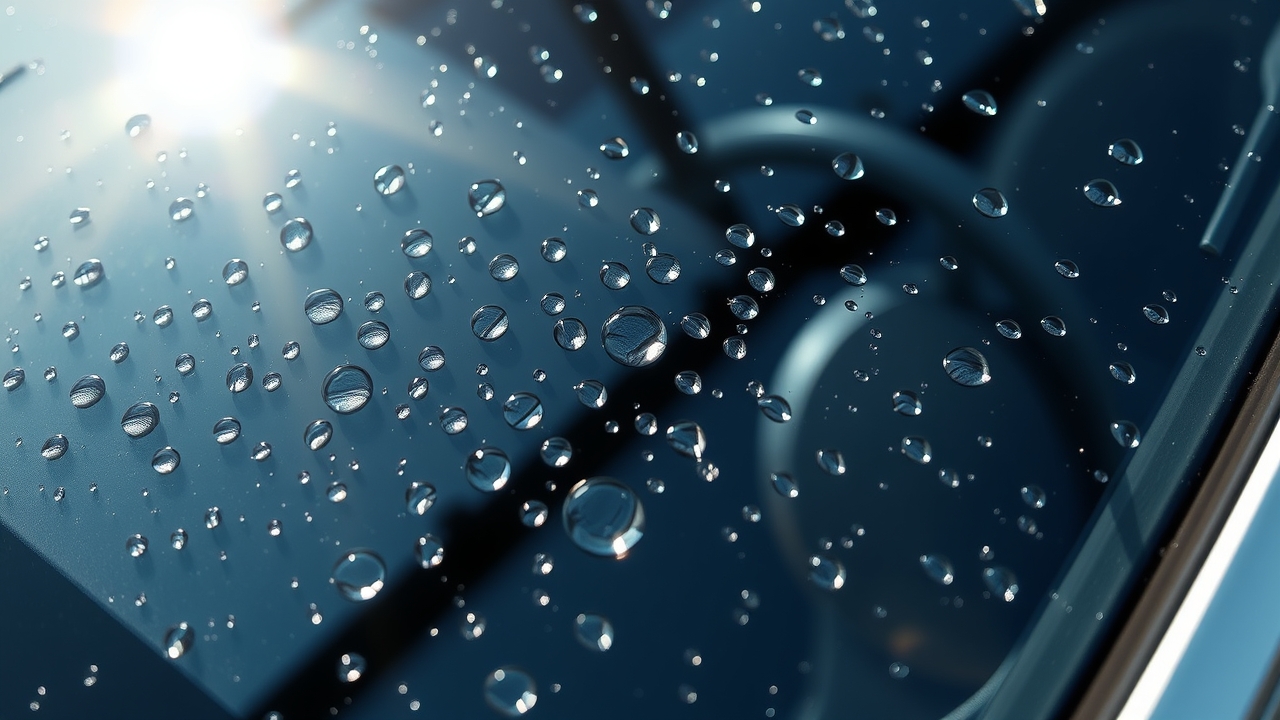
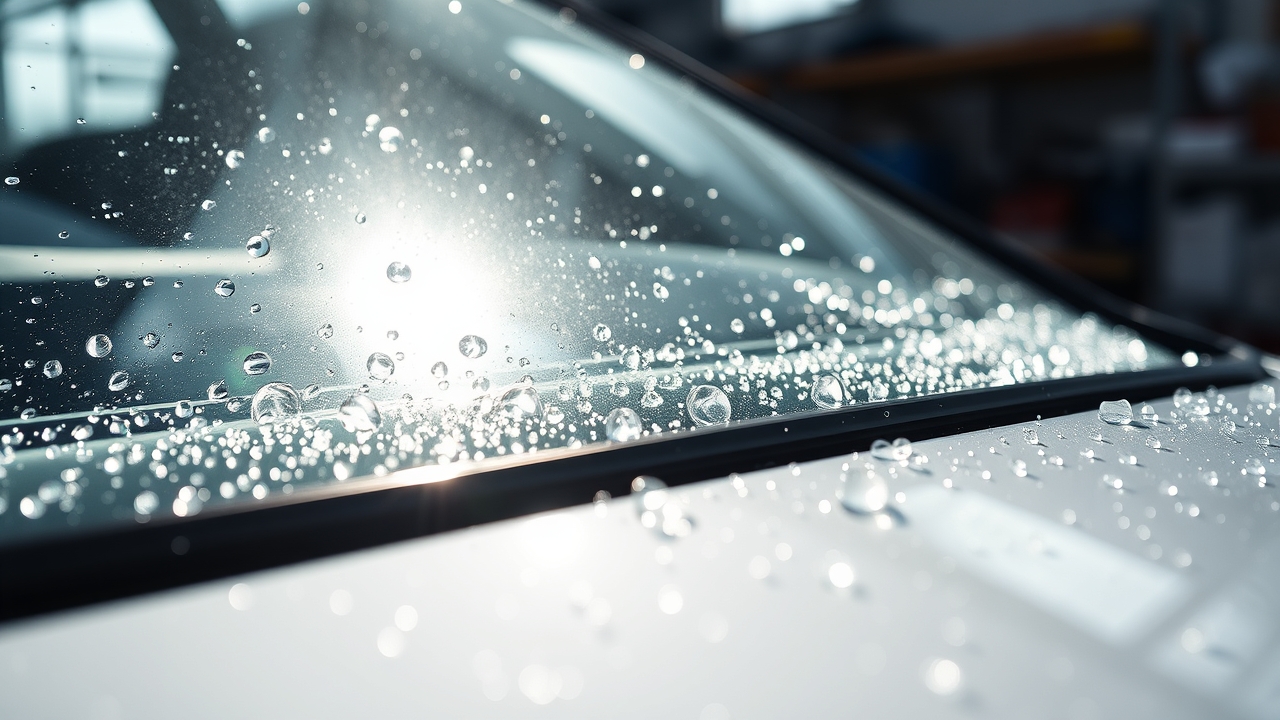
• Lets water roll off on its own without leaving spots or water marks
• Keeps dust, road salt, and grime from sticking to the surface
• Cuts down on wiping needed for cleaning — saving time while protecting the surface
• Adds shine and gives glass a more polished, professional look
That makes a water-repellent glass coating a smart choice for anyone who wants to take a proactive approach to car care.
Surface Prep: The Critical Step Before Applying a Water-Repellent Glass Coating
A completely clean glass surface is what determines whether your water-repellent glass coating succeeds. Skip this step, and the product won’t bond properly, and its protective effect will drop significantly.
Step 1: Wash the glass thoroughly
Wash every glass surface with car soap or a dedicated glass cleaner and clean water. Use a snow foam pre-wash for a deeper clean. Check out our interior cleaning guide to better understand the full prep process.
Avoid leaving dirt, road salt, or oily residue on the glass surface.
Step 2: Remove stains and clean the glass
If the glass has yellowing or a water film that soap alone won’t remove, you’ll need a dedicated glass stain remover. NOMA 911 is an effective option for removing stains and oily film from glass before coating.
Wipe the surface with a clean cloth to make sure there’s no leftover residue after stain removal.
Step 3: Dry the glass completely
Use a clean, lint-free microfiber cloth to wipe the glass until it’s completely dry. Any leftover water will interfere with how well the nano coating bonds.
This prep stage can take 20–30 minutes depending on the size of your glass, but it’s a worthwhile investment for the best possible results.
Applying a Water-Repellent Glass Coating with NOMA 922: Step by Step
Once the glass surface is clean and completely dry, you’re ready to begin applying the water-repellent coating. NOMA 922 is a nano water-repellent glass coating designed for DIY application at home, no professional skill required.
Step 4: Spray NOMA 922 onto the glass surface
Gently shake the NOMA 922 bottle 10–15 times to mix the formula evenly. Spray a moderate amount onto the glass surface — there’s no need to overdo it, since a thin layer works best.
Hold the bottle about 8–12 inches from the glass surface. Cover the entire glass surface, paying extra attention to corners where water tends to pool.
Step 5: Wipe evenly and set the coating
Using a clean microfiber cloth, wipe slowly in one direction (top to bottom or left to right) until the water-repellent coating is spread evenly across the whole surface. Don’t wipe too hard, or you risk removing the nano layer before it has time to bond.
The glass surface will start to shine as you wipe. That’s a good sign the product is spreading evenly.
Cure Time and Checking Your Results
How long NOMA 922 takes to cure plays a big role in getting the best results. Once you’re done wiping, give the car some downtime.
Initial cure time: 2–3 hours
Avoid driving or letting rain hit the glass during the first 2–3 hours. The nano layer is still bonding to the glass surface.
Full effectiveness: 24 hours
For maximum water-repellent performance, let the car sit for 24 hours before driving in the rain. That said, after 2–3 hours, you can drive normally for anything that doesn’t involve water contact.
Test it: The water-repellency check
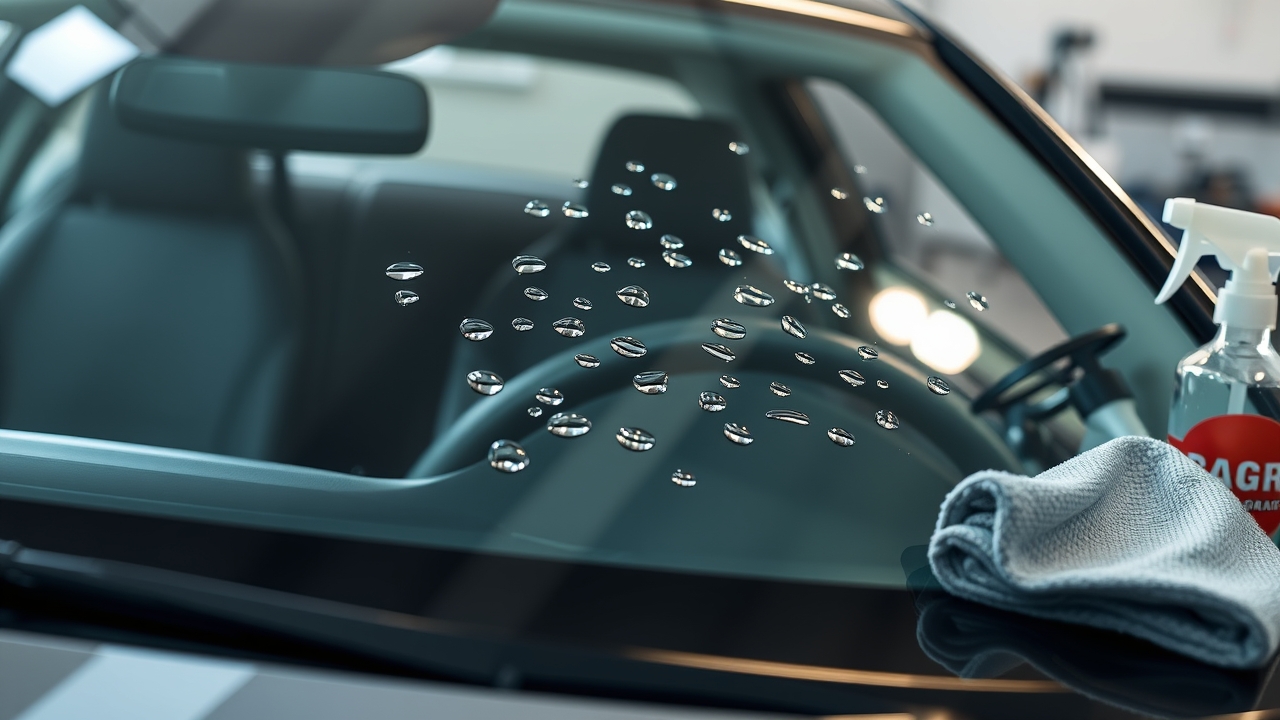
Once dry, drop a bit of water onto the glass surface. It should form small, round beads that roll off easily instead of spreading into a thin sheet — that’s confirmation your water-repellent coating is working properly.
Comparison Table: NOMA 922 vs. Other Common Glass Coatings
| Criteria | NOMA 922 | Standard Coating | Other Premium Coatings |
|---|---|---|---|
| Cure Time | 2–3 hrs (initial), 24 hrs (full) | 4–6 hrs | 6–12 hrs |
| Protection | Water repellency for 3–6 months | 2–4 months | 4–8 months |
| Ease of Application | ✓ Very easy, DIY-friendly | ✓ Easy | – Needs skill |
| Price | Reasonable | Lower | Higher |
| DIY-Friendly | ✓ Ideal | Unpredictable results | Not recommended |
As the table shows, NOMA 922 strikes a solid balance between performance, cure time, and how easy it is to apply at home.
Long-Term Maintenance: Keeping Your Glass Coating Effective
A water-repellent glass coating naturally wears down over time from rain, road salt, UV exposure, and regular car washing. To keep it performing well long-term, smart maintenance matters.
Wash regularly, but gently
Wash the glass every 1–2 weeks with clean water and a mild soap. Avoid high-pressure washing, since it can wear down the nano layer faster.
Avoid harsh contaminants
If road salt or de-icing chemicals get on the glass, wash them off within 24 hours. These substances can corrode the coating if left too long.
Reapply periodically
Once you notice water-repellency starting to fade (water spreading out instead of forming round beads), it’s time to reapply NOMA 922. Generally, reapplying every 3–6 months is a good rule of thumb.
You can also use NOMA 310 (anti-fog spray) for extra protection on side windows and mirrors.
Common Mistakes When Applying a Water-Repellent Glass Coating (and How to Fix Them)
Mistake 1: Skipping proper glass prep
If the glass still has oil, dust, or stains on it, the product won’t bond well. The result is reduced effectiveness or uneven white spots and streaks.
Fix: Always start with a thorough wash, use a stain remover if needed, and dry completely before applying.
Mistake 2: Applying too much product
A water-repellent glass coating should go on thin and even. Overapplying creates oily streaks, uneven spots, and takes longer to cure.
Fix: Apply just enough — a small, evenly spread amount works best. Multiple thin layers beat one thick layer.
Mistake 3: Not allowing enough cure time
Driving or letting rain hit the glass before the product has fully cured undoes all your prep work.
Fix: Respect the minimum 2–3 hour cure time, and ideally wait a full 24 hours for the best results.
FAQ: Water-Repellent Glass Coating for Cars
Is NOMA 922 safe to use on all types of car glass?
Yes, NOMA 922 is designed to be safe on all types of automotive glass, including windshields, side windows, rear glass, and mirrors. That said, if your glass has a special coating (like an electronic tint film), check the manufacturer’s instructions before applying.
How often does a water-repellent glass coating need to be reapplied?
It depends on weather conditions and how often you wash your car. In hot, humid climates, reapply NOMA 922 every 3–4 months. For lighter use, you can stretch that to 5–6 months. The water-repellency test helps you know when it’s time to reapply.
Can you apply NOMA 922 over glass that already has yellowing?
Not recommended. First, use NOMA 911 (glass stain and film remover) to fully clean off the yellowing. Then apply NOMA 922. If you skip the stain removal step, the coating will bond to the stain instead of the glass and peel off quickly.
Does a water-repellent glass coating affect glass clarity?
No, NOMA 922 doesn’t affect glass clarity. In fact, it makes glass look glossier and lets water roll off automatically, actually helping maintain better clarity than uncoated glass.
Can you apply a water-repellent glass coating during rainy season?
It’s best applied during dry weather. That said, if needed, you can apply it during rainy season as long as the glass is completely dry when you apply it. Just make sure rain doesn’t hit the glass for 2–3 hours afterward. Picking a day with no rain in the forecast is your safest bet.
Conclusion: A Water-Repellent Glass Coating Is a Smart Investment for DIY Car Owners
Applying a water-repellent glass coating with NOMA 922 is a simple process that pays off long-term. By following the 5 steps in this guide — from surface prep, to application, to ongoing maintenance — you can keep your car’s glass glossy and water-repellent, just like the day you applied it.
Car owners who handle their own care often find that a water-repellent glass coating doesn’t just save on shop costs — it also gives you full control over the quality of your car’s maintenance. NOMA 922 is built specifically for hot, humid climates and everyday driving habits, helping you achieve professional-level results without any special skills.
Start with a small test application to get familiar with the process, then move on to coating your entire car’s glass. You’ll be surprised at the difference a water-repellent glass coating makes in your everyday driving experience.
Related Reading
- Interior cleaning guide