
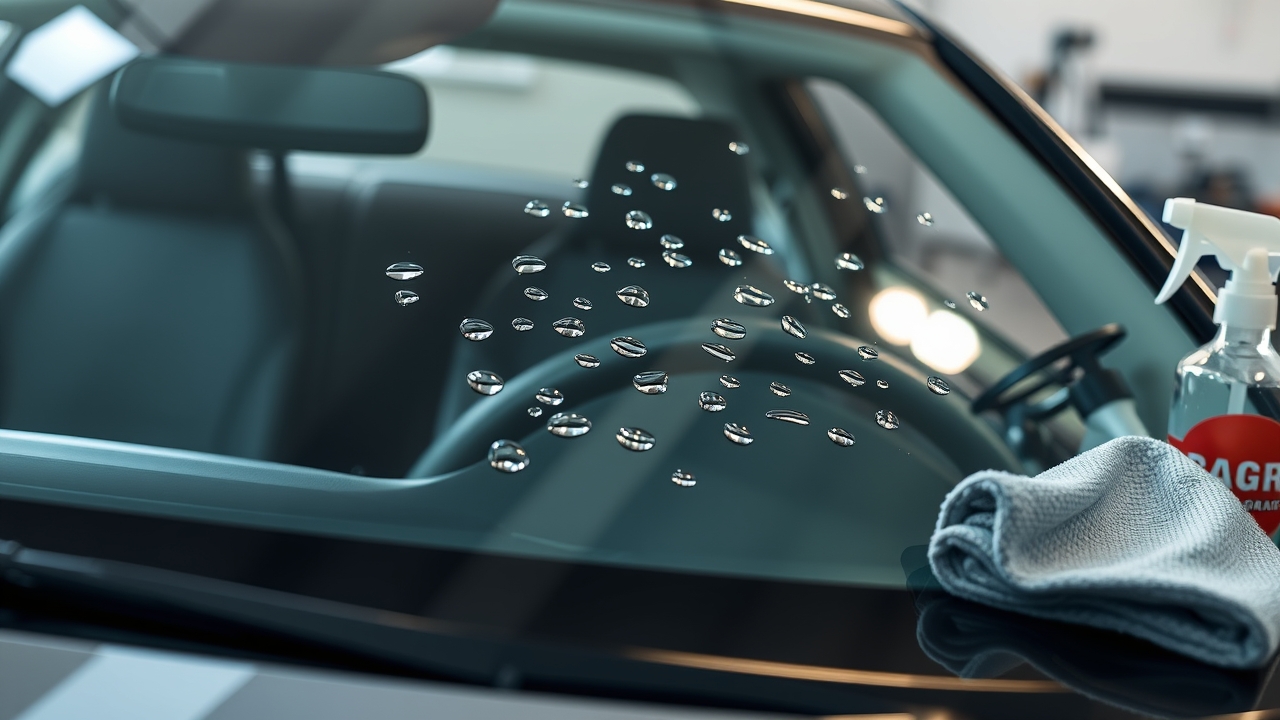
Water-Repellent Glass Coating for Cars: A 5-Step Expert Guide with NOMA 922

Water-Repellent Glass Coating for Cars: A 5-Step Guide to Doing It Right with NOMA 922
A water-repellent glass coating doesn’t just leave your windshield glossy — it also shields the surface from environmental wear. More and more car owners are turning to glass coatings instead of manually wiping down their windshield every day. According to car care experts, nano-coated glass typically holds up for 3–6 months depending on usage conditions. NOMA 922 is a nano water-repellent glass coating built specifically for hot, humid climates, making it easy to handle car care yourself at home without a trip to a specialty shop.
This article walks through applying a water-repellent glass coating step by step, from prep to maintenance, so you can get results that match what the pros deliver.
Why Does a Water-Repellent Glass Coating on Your Car Matter?
A water-repellent glass coating isn’t just cosmetic — it’s a real defense against elements that damage glass over time.
Your car’s glass faces daily exposure to rain, dust, UV rays, and airborne pollutants. Left unprotected, these factors build up over time, leading to stains, hazy visibility, and dulled shine. Per safety research, how clean and clear your car’s glass is has a direct impact on driving safety.
A water-repellent glass coating creates an ultra-thin protective layer on the glass surface that:
• Lets water roll off on its own without leaving spots or water marks
• Keeps dust, road salt, and grime from sticking to the surface
• Cuts down on wiping needed for cleaning — saving time while protecting the surface
• Adds shine and gives glass a more polished, professional look
That makes a water-repellent glass coating a smart choice for anyone who wants to take a proactive approach to car care.
Surface Prep: The Critical Step Before Applying a Water-Repellent Glass Coating
A completely clean glass surface is what determines whether your water-repellent glass coating succeeds. Skip this step, and the product won’t bond properly, and its protective effect will drop significantly.
Step 1: Wash the glass thoroughly
Wash every glass surface with car soap or a dedicated glass cleaner and clean water. Use a snow foam pre-wash for a deeper clean. Check out our interior cleaning guide to better understand the full prep process.
Avoid leaving dirt, road salt, or oily residue on the glass surface.
Step 2: Remove stains and clean the glass
If the glass has yellowing or a water film that soap alone won’t remove, you’ll need a dedicated glass stain remover. NOMA 911 is an effective option for removing stains and oily film from glass before coating.
Wipe the surface with a clean cloth to make sure there’s no leftover residue after stain removal.
Step 3: Dry the glass completely
Use a clean, lint-free microfiber cloth to wipe the glass until it’s completely dry. Any leftover water will interfere with how well the nano coating bonds.
This prep stage can take 20–30 minutes depending on the size of your glass, but it’s a worthwhile investment for the best possible results.
Applying a Water-Repellent Glass Coating with NOMA 922: Step by Step
Once the glass surface is clean and completely dry, you’re ready to begin applying the water-repellent coating. NOMA 922 is a nano water-repellent glass coating designed for DIY application at home, no professional skill required.
Step 4: Spray NOMA 922 onto the glass surface
Gently shake the NOMA 922 bottle 10–15 times to mix the formula evenly. Spray a moderate amount onto the glass surface — there’s no need to overdo it, since a thin layer works best.
Hold the bottle about 8–12 inches from the glass surface. Cover the entire glass surface, paying extra attention to corners where water tends to pool.
Step 5: Wipe evenly and set the coating
Using a clean microfiber cloth, wipe slowly in one direction (top to bottom or left to right) until the water-repellent coating is spread evenly across the whole surface. Don’t wipe too hard, or you risk removing the nano layer before it has time to bond.
The glass surface will start to shine as you wipe. That’s a good sign the product is spreading evenly.
Cure Time and Checking Your Results
How long NOMA 922 takes to cure plays a big role in getting the best results. Once you’re done wiping, give the car some downtime.
Initial cure time: 2–3 hours
Avoid driving or letting rain hit the glass during the first 2–3 hours. The nano layer is still bonding to the glass surface.
Full effectiveness: 24 hours
For maximum water-repellent performance, let the car sit for 24 hours before driving in the rain. That said, after 2–3 hours, you can drive normally for anything that doesn’t involve water contact.
Test it: The water-repellency check
Once dry, drop a bit of water onto the glass surface. It should form small, round beads that roll off easily instead of spreading into a thin sheet — that’s confirmation your water-repellent coating is working properly.
Comparison Table: NOMA 922 vs. Other Common Glass Coatings
| Criteria | NOMA 922 | Standard Coating | Other Premium Coatings |
|---|---|---|---|
| Cure Time | 2–3 hrs (initial), 24 hrs (full) | 4–6 hrs | 6–12 hrs |
| Protection | Water repellency for 3–6 months | 2–4 months | 4–8 months |
| Ease of Application | ✓ Very easy, DIY-friendly | ✓ Easy | – Needs skill |
| Price | Reasonable | Lower | Higher |
| DIY-Friendly | ✓ Ideal | Unpredictable results | Not recommended |
As the table shows, NOMA 922 strikes a solid balance between performance, cure time, and how easy it is to apply at home.
Long-Term Maintenance: Keeping Your Glass Coating Effective
A water-repellent glass coating naturally wears down over time from rain, road salt, UV exposure, and regular car washing. To keep it performing well long-term, smart maintenance matters.
Wash regularly, but gently
Wash the glass every 1–2 weeks with clean water and a mild soap. Avoid high-pressure washing, since it can wear down the nano layer faster.
Avoid harsh contaminants
If road salt or de-icing chemicals get on the glass, wash them off within 24 hours. These substances can corrode the coating if left too long.
Reapply periodically
Once you notice water-repellency starting to fade (water spreading out instead of forming round beads), it’s time to reapply NOMA 922. Generally, reapplying every 3–6 months is a good rule of thumb.
You can also use NOMA 310 (anti-fog spray) for extra protection on side windows and mirrors.
Common Mistakes When Applying a Water-Repellent Glass Coating (and How to Fix Them)
Mistake 1: Skipping proper glass prep
If the glass still has oil, dust, or stains on it, the product won’t bond well. The result is reduced effectiveness or uneven white spots and streaks.
Fix: Always start with a thorough wash, use a stain remover if needed, and dry completely before applying.
Mistake 2: Applying too much product
A water-repellent glass coating should go on thin and even. Overapplying creates oily streaks, uneven spots, and takes longer to cure.
Fix: Apply just enough — a small, evenly spread amount works best. Multiple thin layers beat one thick layer.
Mistake 3: Not allowing enough cure time
Driving or letting rain hit the glass before the product has fully cured undoes all your prep work.
Fix: Respect the minimum 2–3 hour cure time, and ideally wait a full 24 hours for the best results.
FAQ: Water-Repellent Glass Coating for Cars
Is NOMA 922 safe to use on all types of car glass?
Yes, NOMA 922 is designed to be safe on all types of automotive glass, including windshields, side windows, rear glass, and mirrors. That said, if your glass has a special coating (like an electronic tint film), check the manufacturer’s instructions before applying.
How often does a water-repellent glass coating need to be reapplied?
It depends on weather conditions and how often you wash your car. In hot, humid climates, reapply NOMA 922 every 3–4 months. For lighter use, you can stretch that to 5–6 months. The water-repellency test helps you know when it’s time to reapply.
Can you apply NOMA 922 over glass that already has yellowing?
Not recommended. First, use NOMA 911 (glass stain and film remover) to fully clean off the yellowing. Then apply NOMA 922. If you skip the stain removal step, the coating will bond to the stain instead of the glass and peel off quickly.
Does a water-repellent glass coating affect glass clarity?
No, NOMA 922 doesn’t affect glass clarity. In fact, it makes glass look glossier and lets water roll off automatically, actually helping maintain better clarity than uncoated glass.
Can you apply a water-repellent glass coating during rainy season?
It’s best applied during dry weather. That said, if needed, you can apply it during rainy season as long as the glass is completely dry when you apply it. Just make sure rain doesn’t hit the glass for 2–3 hours afterward. Picking a day with no rain in the forecast is your safest bet.
Conclusion: A Water-Repellent Glass Coating Is a Smart Investment for DIY Car Owners
Applying a water-repellent glass coating with NOMA 922 is a simple process that pays off long-term. By following the 5 steps in this guide — from surface prep, to application, to ongoing maintenance — you can keep your car’s glass glossy and water-repellent, just like the day you applied it.
Car owners who handle their own care often find that a water-repellent glass coating doesn’t just save on shop costs — it also gives you full control over the quality of your car’s maintenance. NOMA 922 is built specifically for hot, humid climates and everyday driving habits, helping you achieve professional-level results without any special skills.
Start with a small test application to get familiar with the process, then move on to coating your entire car’s glass. You’ll be surprised at the difference a water-repellent glass coating makes in your everyday driving experience.
Related Reading
- Interior cleaning guide
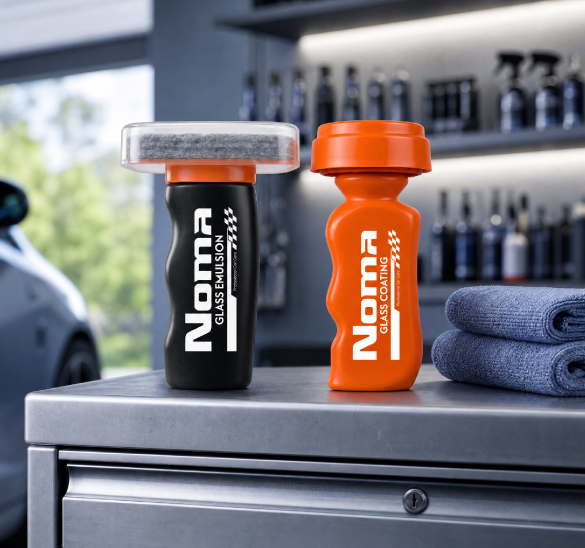
Car Glass Stains: Why You Need a Specialized Product Instead of Regular Glass Cleaner

Car Glass Stains: Why You Need a Specialized Product Instead of Regular Glass Cleaner
Water stains on car glass are a problem nearly every car owner deals with. According to environmental researchers, acid rain and airborne mineral dust are the main culprits behind hazy, stained windshields. The problem is, wiping it down with plain water or dish soap rarely solves it for good.
Specialized products like NOMA 911 are formulated to remove car glass stains effectively while still protecting the surface. This article breaks down how water stains actually form, why regular glass cleaner falls short, and why a pH-neutral formula is the key to restoring true clarity to your windshield.
What’s really causing your car glass to stain?
Not everything on your windshield is just dust or water droplets. Car glass staining comes from a handful of overlapping causes that most car owners never think about.
Acid rain and mineral deposits: Research on urban air quality shows that rainfall in major cities often carries mild acidity (pH 4.5-5.5) from vehicle emissions and industrial pollution. When that rainwater evaporates off your glass without being wiped away, dissolved minerals like calcium, magnesium, and silicates get left behind and harden onto the surface.
UV rays trigger oxidation: Sunlight doesn’t just heat up your car — it also drives oxidation reactions on the glass surface. Organic residue from rainwater bonds with those mineral deposits, forming a stubborn, yellowish film that clings to the glass.
Organic debris from the environment: Pollen, road grime, and fine dust particles mix into raindrops as they fall. Once the water evaporates, those particles bond to the glass and form a film that’s hard to wipe away.
Why regular glass cleaner doesn’t solve car glass staining
Everyone’s got dish soap and water at home. But that’s not the answer for removing stains from car glass.
Soap’s pH is too high: Most dish soaps sit around pH 8-10 (alkaline), while the stains on your glass are a buildup of acidic compounds from acid rain. Alkaline cleaners don’t neutralize acid effectively — they just loosen the surface film without actually breaking down the mineral deposits.
Plain water lacks the right cleaning agents: Water can rinse away loose dust, but it can’t break the chemical bond between minerals and glass. Hard water stains will still be there after you wipe.
Scrubbing without actually removing anything: Wiping repeatedly with soap and water just moves dust particles around the glass, which can scratch the surface while the underlying stain compounds stay put. Car owners often notice the glass feels rougher afterward, not cleaner.
pH-neutral technology: The science-backed fix for car glass stains
Removing car glass stains calls for a different approach — not harsh alkaline cleaners, not abrasive soap, but a pH-neutral solution (close to 7) paired with specialized cleaning agents.
NOMA 911 is built on American technology with a pH-neutral formula that neutralizes the acidic compounds in glass stains without damaging the protective inorganic layer on your windshield. It contains engineered surfactants that lift mineral deposits cleanly off the glass surface without any abrasive scrubbing.
Why pH-neutral matters for safety: Car glass is coated with a protective nano-layer. Strong alkaline solutions (like dish soap) gradually wear that layer down over time. A pH-neutral formula removes stains effectively without attacking that protective coating, extending the life of your glass.
It also fights off moisture: NOMA 911 doesn’t just remove stains — it leaves behind a water-repellent coating. When you’re driving in the rain, water beads up and rolls off instead of sticking, giving you clearer visibility and slowing down how fast new stains form.
Comparison: NOMA 911 vs. regular glass cleaner and other options
| Criteria | NOMA 911 | Regular glass cleaner | Soap + water | Alcohol/industrial cleaner |
|---|---|---|---|---|
| pH technology | Neutral (6.5-7.5) | Neutral, but not stain-removing | Too alkaline (8-10) | Too acidic or too alkaline |
| Stain removal effectiveness | ✓ High — lifts mineral deposits | ✗ Low — surface-level only | △ Moderate — loosens film only | ~ Can remove stains but harms glass |
| Glass protection | ✓ Leaves a protective coating | — None | ✗ Gradually damages protective layer | ✗ Can cause haze/scratches |
| Restores clarity | ✓ High — effective in one pass | △ Needs multiple passes | △ Needs 2-3 passes | ~ Requires care to avoid scratches |
| Safe to use | ✓ Very safe — pH-neutral | ✓ Safe | ~ Somewhat harsh odor | ✗ Strong chemical odor, can irritate |
| Easy to use at home | ✓ Simple — spray and wipe | ✓ Simple | ✓ Simple | △ Requires skill, easy to scratch glass |
| Average cost | △ Higher upfront, lasts longer | ✓ Cheap but less effective | ✓ Cheap | △ Moderate but risky |
As the table shows, NOMA 911 strikes the right balance between stain removal, glass protection, user safety, and ease of use at home. That’s why car owners serious about interior/exterior detailing tend to reach for a specialized product instead of a quick fix.
How to use NOMA 911 to remove car glass stains effectively
Removing car glass stains isn’t just a matter of spray and wipe. For the best results and long-term glass protection, follow these steps.
Step 1: Prep a clean glass surface: Rinse the glass with clean water to remove loose dust first. This step matters — wiping directly over loose dust can scratch the surface.
Step 2: Spray NOMA 911 evenly across the glass: You don’t need much — a thin, even layer is enough. Let the product sit for 30-60 seconds (check the label for exact timing).
Step 3: Wipe gently with a dedicated cloth: Use a soft microfiber towel (not a rough cloth) and wipe in one direction. Avoid circular motions, which can leave streaks.
Step 4: Check and repeat if needed: If stains remain, repeat steps 2-3 until the glass is clear and glossy.
Beyond NOMA 911, you can pair it with other glass care products for even better restoration results. Check out our exterior detailing guide for a full breakdown of the care process.
FAQ: Common questions about car glass stains
How do I know if my car’s glass is actually stained, or just dusty?
If wiping with water and a soft cloth doesn’t clear it up, that’s a sign of staining. Stains feel rough to the touch, while dust is just fine particles sitting on the surface. Dust wipes away with a light rinse, but stains need a specialized product.
Is NOMA 911 safe for my skin if it gets on my hands?
Yes. NOMA 911 is pH-neutral and built on American technology, making it completely safe for skin contact. If it gets on your hands, just rinse with water — no harsh or irritating chemicals involved.
Do I need to use NOMA 911 weekly, or only when stains show up?
It depends on your local weather and environment. If you live in a city with acid rain and heavy dust, use it once every 1-2 weeks. In cleaner areas, once a month is plenty. NOMA 911 is safe for frequent use, so there’s no downside to using it more often.
Will removing stains strip away the water-repellent coating on my glass?
Actually, the opposite is true. NOMA 911 doesn’t just remove stains — it leaves behind a fresh water-repellent coating every time you use it, so the protective layer gets renewed with each application.
Can I use NOMA 911 on glass that already has a nano-coating?
Yes, and it’s actually the ideal scenario. NOMA 911 works especially well on nano-coated glass because its pH-neutral formula won’t damage the existing coating. In fact, it helps protect and refresh that coating.
If I use NOMA 911 and the glass still looks stained, what’s going on?
The stain may be especially stubborn (built up over a long time) or bonded with another strong substance (like battery acid residue). In that case, let the product sit for 24 hours before wiping again for deeper action, or reach out to us for advice.
Conclusion: Removing car glass stains takes the right technology
Removing car glass stains isn’t as simple as wiping with plain water or soap. Those water stains are the result of acid rain, mineral deposits, UV exposure, and organic debris — all of which need a specialized, pH-neutral solution to handle effectively.
NOMA 911 is built on American technology with a pH-neutral formula that removes stains, protects the glass, and leaves behind a water-repellent coating. With a simple at-home process, you can take care of your car’s exterior safely and effectively.
If you’re looking for a lasting fix for car glass stains, a specialized product is a smarter choice than a temporary workaround. Try NOMA 911 and feel the difference — clearer glass, better visibility, and a longer lifespan for your windshield.