
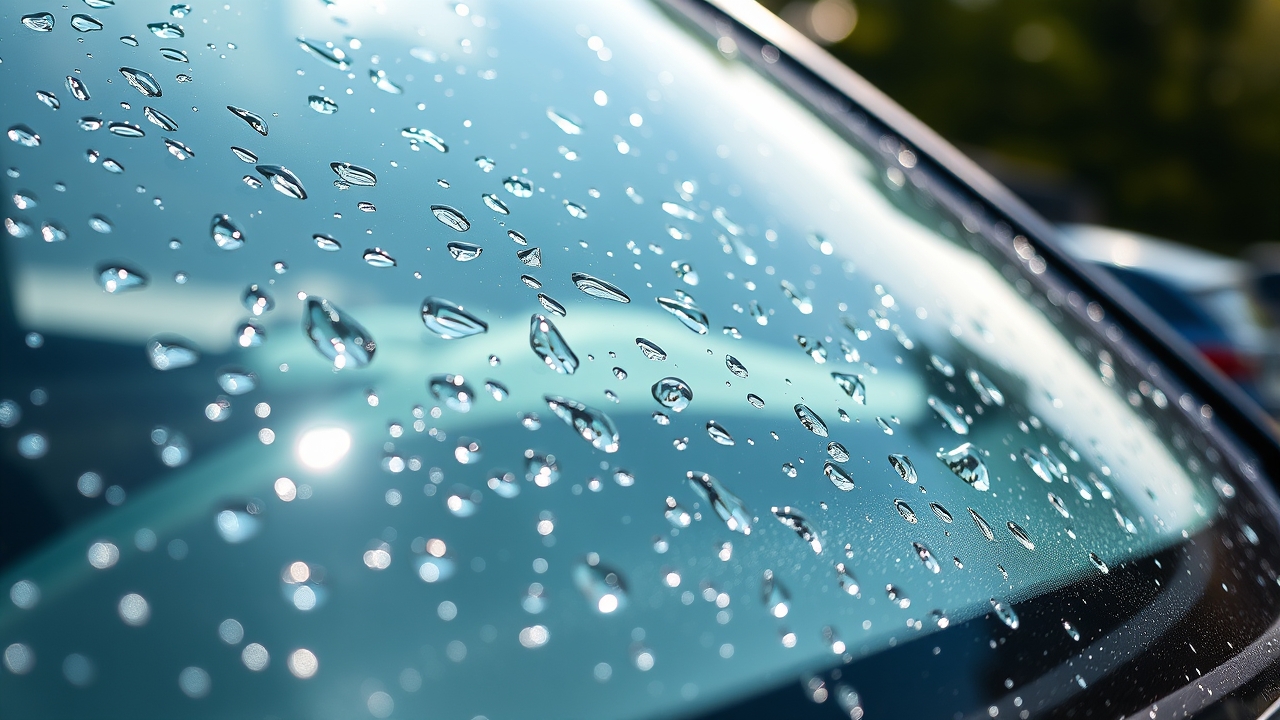
5 Effective Water-Repellent Car Glass Coatings: NOMA 911 for Hazy Glass

5 Most Effective Car Glass Water-Repellent Coatings of 2025
A water-repellent glass coating is an exterior car care product no owner should skip. Clean glass, free of water spots or fogging, doesn’t just make your car look better — it also improves driving safety, especially in Vietnam’s humid weather conditions.
According to a report from Vietnam’s Directorate for Roads, properly cleaning your car’s glass improves visibility and reduces accident risk from obstructed vision by 15-20%. Today, NOMA walks you through the top 5 water-repellent glass coatings, with NOMA 911 highlighted as the go-to pick for yellowed or hazy glass.
Choosing the right product for your car’s current glass condition matters a lot. Each coating type has its own strengths suited to different needs.
Water-Repellent Glass Coating for Everyday Glass — NOMA 911
NOMA 911 is a haze-removing water-repellent glass coating specially designed for cars whose glass has turned yellow or hazy over time. NOMA 911’s US manufacturing technology strips away the yellowed, hazy film, restoring the glass’s original clarity.
After removing the haze, NOMA 911 leaves behind an effective water-repellent coating. When driving in the rain, water droplets slide quickly off the glass without leaving streaks or residue.
Key benefits of NOMA 911:
-
- Removes yellow haze and restores glass clarity
-
- Water-repellent coating that reduces fogging on the glass
-
- pH-neutral formula, 100% safe for glass and users
-
- Easy to use at home, no special equipment needed
-
- Results last 2-3 months with proper maintenance
NOMA 911 is the best fit for car owners who want an all-in-one solution that removes haze and repels water in a single product.
Water-Repellent Glass Coating That Prevents Fogging — NOMA 310
If your main issue is glass that fogs up easily and leaves water spots on the surface, NOMA 922 is the ideal choice. This product specifically targets condensation that forms on glass in humid weather or early morning conditions.
NOMA 922’s formula creates a distinctly hydrophobic glass surface. Water droplets separate into small beads and roll off instead of spreading into a thin film that fogs up the glass.
Standout features:
-
- Effectively prevents fogging on windshields, side windows, and rear glass
-
- Water droplets roll off smoothly without leaving spots
-
- Easy to wipe clean when needed
-
- Well suited to humid climates like southern Vietnam
-
- Effectiveness lasts 3-4 months
NOMA 922 is for car owners who only care about anti-fog performance and don’t need haze removal.
The Longest-Lasting Water-Repellent Glass Coating — A Long-Term Solution
There are other water-repellent glass coating products in NOMA’s lineup, like NOMA 911, which — when maintained properly (gentle car washing, no heavy scrubbing) — can last 4-6 months. For best results, check out the complete car glass care guide on the NOMA website.
Longevity doesn’t just depend on the product — it also depends on:
-
- How you wash the car: wash gently, avoid heavy scrubbing
-
- Storage conditions: keep the car in a garage, avoid constant direct sun exposure
-
- Frequency of use: heavily used cars will wear down the coating faster
-
- Regular maintenance: reapply the protective coating every 1-2 months
For car owners who want to save on cost and effort, choosing a high-quality glass coating from the start will reduce how often you need to reapply.
Comparison Table: 5 Types of Water-Repellent Car Glass Coatings
| Criteria | NOMA 911 | NOMA 922 | PREMIUM PRODUCTS |
|---|---|---|---|
| MAIN FUNCTION | HAZE REMOVAL + WATER REPELLENT | ANTI-FOG | PREMIUM COATING |
| BEST FOR GLASS THAT IS | YELLOWED, HAZY | NORMAL CONDITION | HIGH-END |
| HOW LONG RESULTS LAST | 2-3 MONTHS | 3-4 MONTHS | 4-6 MONTHS |
| PH-NEUTRAL (SAFE) | ✓ YES | ✓ YES | VARIES |
| EASY DIY AT HOME | ✓ VERY EASY | ✓ VERY EASY | MODERATE |
| RELATIVE PRICE | REASONABLE | REASONABLE | HIGH |
The comparison table above shows that NOMA 911 strikes a great balance between effectiveness, safety, and price — an especially ideal pick if your glass has turned yellow.
How to Choose the Right Water-Repellent Glass Coating for Your Needs
Choosing a water-repellent car glass coating isn’t a one-size-fits-all decision. You should first assess your glass’s current condition.
If your glass is yellowed or hazy:
Choose NOMA 911 — a product that removes yellow haze, restores glass clarity, and adds a water-repellent coating at the same time.
If your glass is still clear but fogs up easily:
Choose NOMA 922 — specifically designed to tackle fogging, with water droplets rolling off smoothly without leaving marks.
If you’re on a tight budget:
Other basic glass coating products can work as a temporary fix, but NOMA remains the best overall solution for water-repellent car glass coating.
If you want the longest-lasting results:
Focus on proper maintenance rather than relying on the product alone. Check out our tips for long-term car paint maintenance to learn more about the concept of “durable coating” in car care.
Frequently Asked Questions About Water-Repellent Car Glass Coatings
Is water-repellent car glass coating safe for skin and eyes?
Yes, especially products like NOMA 911 and NOMA 922, which are formulated with a pH-neutral, US-technology formula. This ensures that if it accidentally touches skin or splashes into your eyes, it won’t cause harm. For maximum safety, it’s still a good idea to rinse with clean water and avoid deliberately touching the freshly coated glass for the first 10-15 minutes.
Can water-repellent glass coating be applied over an old coating?
This isn’t recommended. Before applying a new coating, you should clean the glass thoroughly with a neutral cleaning solution or water and mild soap. A peeling old coating will prevent the new one from bonding properly. A new coating works best when applied to a clean surface.
Does water-repellent glass coating affect electronic rearview mirrors?
No. NOMA 911 and NOMA 922 only act on the glass surface. The electronic components inside a rearview mirror won’t be affected at all, as long as you don’t let the product seep deep into the gaps.
Do you need to apply water-repellent glass coating in every season?
The biggest benefit comes during the rainy season (May-September in the south, September-April in the north). However, applying it during the dry season is also useful, as it helps protect the glass from dust, UV rays, and other pollutants. It’s recommended to apply it 2-3 times a year to maintain optimal effectiveness.
Does water-repellent glass coating make the glass too slippery?
Many people worry that overly slick glass will be hard to see through clearly or feel strange to clean. In reality, a good coating creates a moderate smoothness — water droplets roll off easily, but the glass still has a slight amount of friction to the touch. NOMA 911 is designed to avoid this “too slippery” issue.
Can water-repellent glass coating be combined with other care products?
Yes. For example, you can use NOMA 911 on the glass, then use NOMA 250 to restore black plastic trim around the window frame or trim. The key is doing things in the right order: clean first, then coat the glass, then move on to other parts of the car.
Conclusion: NOMA 911 Water-Repellent Glass Coating Is the Smart Choice
Water-repellent glass coating is an essential part of any exterior car care routine. Of the 5 products covered here, NOMA 911 stands out most for yellowed or hazy glass thanks to its combination of haze removal and water-repellent coating in a single product.
Advantages of NOMA 911:
-
- Reliable US manufacturing technology
-
- pH-neutral, 100% safe for skin, eyes, and car components
-
- Easy to use at home, fast results after just 2-3 applications
-
- Results last 2-3 months with proper maintenance
-
- Great value for the quality you get
If your car’s glass isn’t giving you trouble yet but you want to stay ahead of it, NOMA 922 is a great alternative. Whichever product you choose, the most important thing is applying it correctly and maintaining it regularly.
Try NOMA 911 today and feel the difference in clarity and driving safety!
References
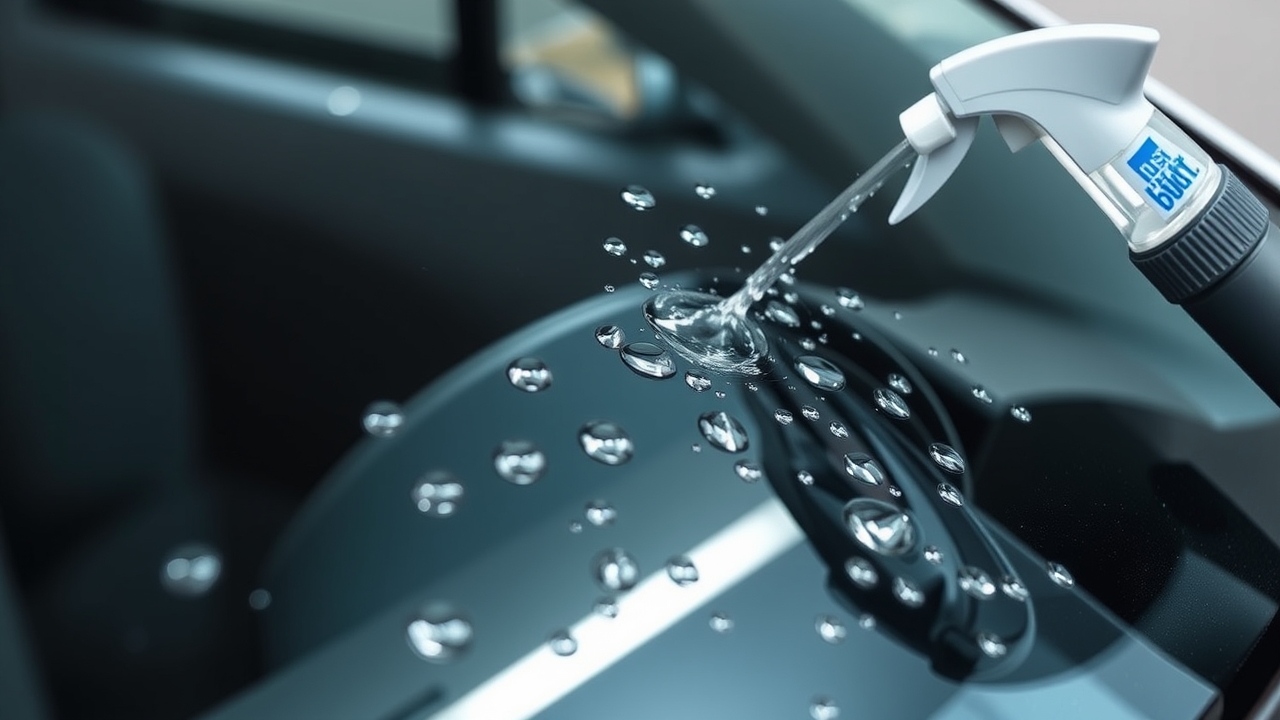
5 Ways to Remove Water Spots from Car Glass: NOMA 911 vs Common Methods 2026
5 Best Ways to Remove Water Spots from Car Glass
Yellowed, hazy glass with dried-on rain spots and hard water stains is a common problem, especially on cars that have been on the road for years or spend a lot of time parked outdoors. According to automotive maintenance experts in Vietnam, removing water spots from car glass is one of the most important exterior maintenance jobs — and one that’s most often overlooked.
This article covers 5 methods for removing water spots from car glass, with clear pros and cons for each, so you can pick the solution that’s right for you. Alongside the DIY approaches, we’ll also take a close look at NOMA 911 — a specialized, American-technology solution built specifically for this job.
Method 1: Remove Water Spots with Distilled Water
Distilled water is the most common, simplest, and most budget-friendly way to remove water spots from car glass. It works by diluting the minerals, lime, and salt deposits stuck to the glass.
How to do it:
-
- Rinse the glass clean with plain cold water first.
-
- Spray or pour distilled water onto the glass.
-
- Dry with a soft microfiber towel.
-
- Repeat 2-3 times if the buildup is heavy.
Pros:
-
- Cheap and easy to find (convenience stores, gas stations).
-
- Completely safe for glass, paint, and skin.
-
- No harsh chemicals involved.
Cons:
-
- Only effective on light staining or freshly dried rain spots.
-
- Old, deep-set stains need multiple treatments.
-
- No long-term protective effect.
Method 2: Remove Water Spots with White Vinegar (Acetic Acid)
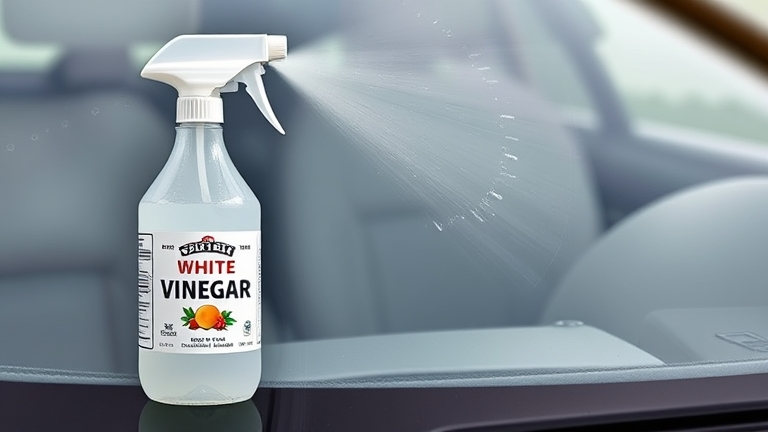 Method 2: Remove water spots from car glass with white vinegar (acetic acid)
White vinegar contains acetic acid, which helps dissolve the mineral layer stuck to the glass. It’s a time-tested home remedy that’s been passed down for years.
How to do it:
-
- Mix white vinegar with distilled water in a 1:1 ratio.
-
- Spray the mixture onto the stained glass.
-
- Let it sit for 10-15 minutes.
-
- Wipe with a soft towel or old rag.
-
- Finish with a final rinse of distilled water.
Pros:
-
- Very cheap (under $0.50 worth of vinegar).
-
- A step stronger than plain distilled water.
-
- Non-toxic to people and pets.
Cons:
-
- The smell is extremely strong and lingers for a while.
-
- Can damage the outer glass coating if left on too long.
-
- Results vary depending on how old the stains are.
Method 3: Use an Off-the-Shelf Commercial Cleaner
Commercial glass cleaners (like bathroom or household glass cleaners) use strong chemicals to strip away stains quickly.
How to do it:
-
- Spray the cleaner onto the glass.
-
- Let it sit for 5-10 minutes depending on how bad the staining is.
-
- Wipe with a cloth or rag.
-
- Rinse thoroughly, multiple times.
Pros:
-
- Fast and highly effective on stubborn stains.
-
- Easy to buy — available at most stores.
-
- Reasonably priced (roughly $1-2).
Cons:
-
- Contains harsh chemicals that can irritate skin and eyes.
-
- Can dull or damage the glass coating.
-
- Strong chemical odor that can make breathing uncomfortable.
-
- Risk of damaging the paint if it drips onto the body.
-
- Not the safest option for at-home use.
Method 4: Remove Water Spots with Mechanical Tools (Abrasive Pads, Polishers)
This method uses physical abrasion to scrub away stubborn stains bonded to the glass.
How to do it:
-
- Use a fine-grit abrasive pad or a soft-bristle brush.
-
- Gently scrub the stained area of the glass.
-
- Or use a polisher on low speed with a soft pad.
-
- Rinse thoroughly with distilled water when finished.
Pros:
-
- Very effective on deep, old stains.
-
- No chemicals needed — completely safe in that regard.
-
- Low cost (just the pad or tool).
Cons:
-
- Risk of scratching the glass if done incorrectly.
-
- Takes a long time and is tiring on the arms.
-
- Not suitable for glass with a hydrophobic coating.
-
- Requires skill and experience.
Method 5: Remove Water Spots with NOMA 911 (Specialized pH-Neutral Solution)
NOMA 911 is a solution built on American technology, designed specifically to tackle water spots on car glass. It combines stain removal and a hydrophobic (water-repelling) coating in a single treatment.
How to use it:
-
- Rinse the glass clean with water first.
-
- Spray NOMA 911 onto the stained glass surface.
-
- Let it sit for 5-10 minutes depending on how set-in the stains are.
-
- Dry with a microfiber towel.
-
- The glass will come out crystal clear with a water-repelling protective layer.
Pros:
-
- pH-neutral formula, 100% safe for glass, paint, and skin.
-
- Fast-acting (5-10 minutes), effective on both light and heavy staining.
-
- Removes stains and adds a hydrophobic layer at the same time, keeping glass clearer for longer.
-
- No harsh odor, environmentally friendly.
-
- Easy to use at home, no special tools required.
-
- Long-lasting benefit: glass resists new staining for several weeks afterward.
Cons:
-
- Pricier than DIY methods (in line with other specialty detailing products).
-
- Should be purchased from a trusted supplier.
Detailed Comparison Table: 5 Methods for Removing Water Spots from Car Glass
| Criteria | Distilled Water | White Vinegar | Commercial Cleaner | Mechanical Tools | NOMA 911 |
|---|---|---|---|---|---|
| Effective on light staining | ✓ | ✓ | ✓✓✓ | ✓✓ | ✓✓✓ |
| Effective on old, deep staining | – | ✓ | ✓✓ | ✓✓✓ | ✓✓✓ |
| Time required | 10-15 min | 15-20 min | 10-15 min | 20-30 min | 10-15 min |
| Cost (USD) | <$0.50 | <$1 | $1-2 | $1.50-4 | $6-10 |
| Overall safety | ✓✓✓ | ✓✓ | – | ✓✓ | ✓✓✓ |
| Risk of damaging glass/paint | Low | Moderate | High | High | Very low |
| Long-term protection | No | No | No | No | ✓ (1-2 weeks) |
| Odor / chemical safety | Odorless | Strong smell | Chemical smell | None | None / light scent |
| Popularity | Very high | High | Moderate | Moderate | Specialty product |
Bottom line: If your priority is maximum safety, strong results, and lasting protection, NOMA 911 is the top choice. If you’re looking for a budget option and don’t mind spending extra time, distilled water or white vinegar are solid fallbacks.
Beyond NOMA 911, you can also check out our detailed glass restoration guide to get a fuller picture of a complete car glass maintenance routine.
Common Mistakes When Removing Water Spots from Car Glass
Car owners often make mistakes that either damage the glass further or make the treatment less effective:
Mistake 1: Using hot water
Hot water can stress the glass, causing it to crack or widening existing hairline cracks. Always use cold or room-temperature water.
Mistake 2: Wiping with a rough, dry rag
A rag or towel that’s too coarse will scratch the glass. A soft microfiber towel or chamois cloth is the correct choice.
Mistake 3: Leaving the cleaner on too long
Strong cleaners left on too long can dull the glass or break down the anti-glare coating. Stick to the recommended dwell time (usually 5-15 minutes).
Mistake 4: Cleaning glass while it’s hot
Glass heated by direct sunlight causes the solution to dry too quickly, leaving white streaks. Work early in the morning, in the evening, or shade the glass from the sun.
Mistake 5: Not rinsing thoroughly afterward
Leftover cleaning solution on the glass forms a hazy film that reduces water-repelling performance and clarity. Always finish with 1-2 rinses of distilled water.
Following the maintenance guidance from reputable auto service centers, doing water spot removal correctly extends the life of your glass and keeps your visibility safe while driving.
How to Protect Your Glass After Removing Water Spots
After you finish removing water spots from car glass with any method, you should follow up with these protective steps:
1. Apply a hydrophobic coating
Specialty solutions like NOMA 911 build a protective layer in automatically. If you used another method, consider applying a separate water-repelling product afterward.
2. Shield the glass from UV rays
Glass can re-yellow due to sun oxidation. Park in the shade when possible or use a windshield sunshade.
3. Clean regularly
Wash the glass once a week with cold water and a soft towel to remove dust and rain residue before it has a chance to bond to the surface.
4. Avoid leaving the car exposed to rain
Acidic rainwater speeds up staining. Park in a garage or under cover whenever you can.
Frequently Asked Questions About Removing Water Spots from Car Glass
How often should you remove water spots from car glass?
Depending on usage and climate, aim to treat the glass once every 2-3 months if the car is frequently parked outdoors. If it’s garaged, once every 6 months is usually enough. Treat sooner if you notice white streaks or yellowing.
Can dish soap be used to remove water spots from glass?
Not recommended. Dish soap contains strong chemicals that can dull the glass or break down protective coatings. Stick to distilled water, diluted vinegar, or products designed specifically for automotive glass.
Is NOMA 911 safe for glass over the long term?
Yes. NOMA 911’s pH-neutral formula is designed to be safe for long-term use, without dulling or thinning the glass. It also builds an anti-oxidation protective layer that helps the glass stay clearer for longer.
Does removing water spots strip the anti-glare coating?
It can, if you use overly harsh chemicals or aggressive mechanical methods. That’s why it’s best to choose pH-neutral products or gentle approaches like diluted distilled water or vinegar.
Should you use toilet bowl cleaner on car glass?
Absolutely not. Toilet bowl cleaner contains strong acids (like hydrochloric acid) that can permanently scratch, thin, or damage the glass. Only use products specifically formulated and rated safe for automotive glass.
How long after removing water spots can the car be driven in the rain?
If you used NOMA 911 or another hydrophobic product, let it dry completely (at least 30 minutes) before exposing it to water or rain, so the protective layer has time to fully cure.
Conclusion: Which Water Spot Removal Method Should You Choose?
Removing water spots from car glass is a key piece of maintenance for keeping your visibility safe and your car looking its best. This article walked through 5 common methods with their specific pros and cons.
 Frequently asked questions about removing water spots from car glass
If you mostly maintain your car at home and want the best results at a reasonable cost, NOMA 911 is the top pick right now. It removes stains effectively, is completely safe (pH-neutral), and builds lasting protection — advantages that DIY methods simply can’t match.
If you’re on a tight budget, distilled water or white vinegar are safe, time-tested options. Just keep in mind they’ll require more repeat treatments and offer no long-term protection.
Explore more American-technology car care products from NOMA to find the right solutions for your car’s complete maintenance needs.
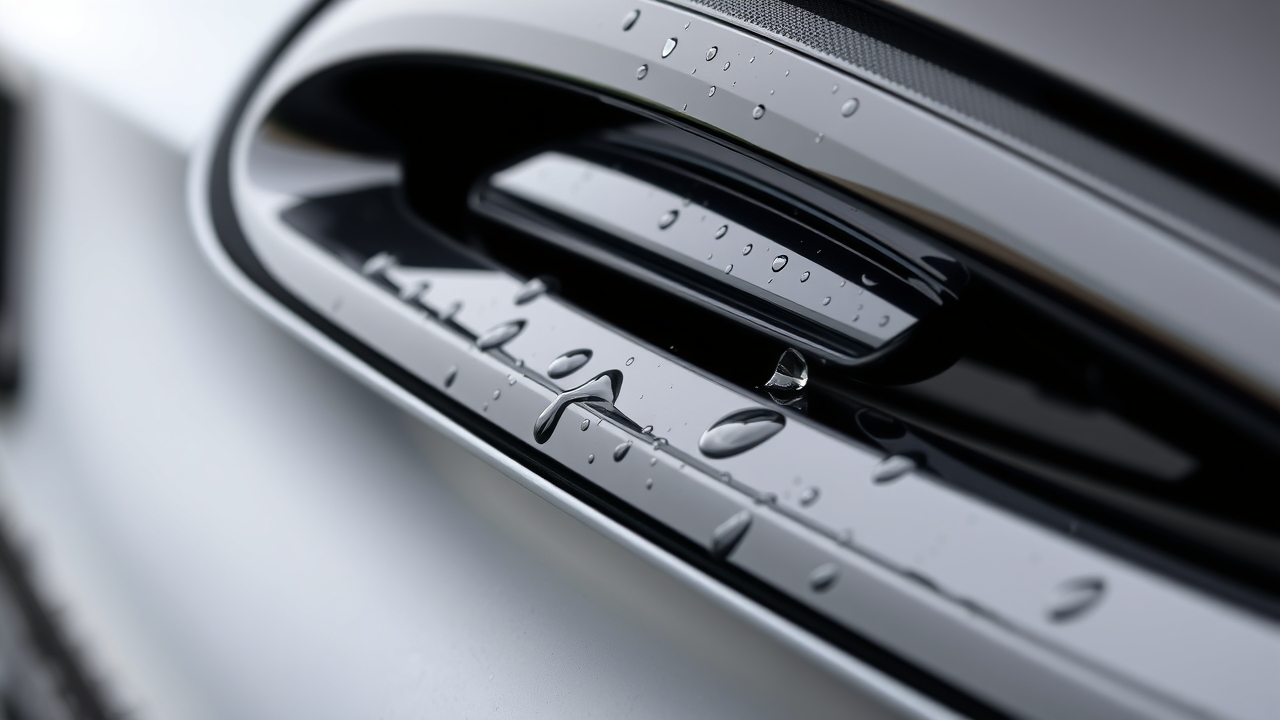
Black Trim Restoration Compared: NOMA vs 3M, Sonax, Liqui Moly (2026)
Restoring Black Trim on Your Car: The Best Choice for At-Home Detailing
Faded, dull black trim — window surrounds, cargo door trim, window moldings — is one of the most common cosmetic issues car owners run into. According to leading auto-detailing experts, this happens due to UV exposure, high humidity, and environmental grime. To restore your car’s black trim effectively, you need a product suited to your local climate.
This article breaks down a detailed comparison of black-trim restoration products from four leading brands: NOMA, 3M, Sonax, and Liqui Moly. We compare them on effectiveness, ingredients, price, durability, and how easy they are to use at home.
What Is Black Trim Restoration, and Why Does It Matter?
Black trim restoration is the process of using specialized products to bring back the color, shine, and durability of the plastic trim pieces on your car. These typically include window surrounds, cargo doors, roof rails, door handles, and other exterior trim pieces.
Black trim fades for a number of reasons. Direct UV exposure from the sun oxidizes the plastic surface. High humidity and acidic rain in tropical climates take a toll on durability. Dirt, grime, and chemical pollutants in the environment also strip away that original look.
Using a quality black-trim restoration product doesn’t just make your car look better — it also protects these components over the long haul.
Comparing 4 Leading Black-Trim Restoration Products
NOMA — American Technology, pH-Neutral Formula
NOMA is a black-trim restoration product built on advanced American technology. Its standout feature is a pH-neutral formula that’s completely safe for both users and the car’s components.
NOMA is easy to use at home thanks to its simple instructions: just spray it onto the black trim, let it sit for 5–10 minutes, then wipe with a clean cloth. Results show up fast — trim is restored in just 1–2 applications.
NOMA‘s durability holds up well in humid, tropical conditions. The protective layer lasts 3–4 weeks with proper care. It’s reasonably priced for a premium American-made product.
Check out our full guide to interior and exterior car care for more tips.
3M — A Well-Known International Brand
3M is a globally recognized brand with a professional-grade line of black-trim restoration products, widely used in professional detailing shops.
3M’s formula contains lubricants and protective additives. It delivers noticeable restoration results with a high shine. That said, the formula isn’t specifically optimized for tropical climates.
Durability is on par with NOMA, at around 3–4 weeks. 3M tends to be pricier than other options due to international distribution costs. It’s moderately easy to use at home — you’ll need a bit of technique to avoid streaking.
Sonax — High-Performance German Engineering
Sonax is a German car-care brand with a strong reputation among car enthusiasts. Sonax’s black-trim restoration product is highly rated for performance.
Sonax’s formula includes organic sulfur compounds that create a very high shine that lasts longer than most competitors. The restoration results are excellent, giving trim a deep, glossy look.
That said, Sonax’s durability is average — around 2–3 weeks. The price is on the higher side, better suited to owners who aren’t watching their budget closely. It’s also a bit trickier to apply, requiring even spray coverage and full drying before contact with water.
Liqui Moly — Professional-Grade Oils and Care Products
Liqui Moly is best known for its premium motor oils, but it also makes a high-quality black-trim restoration solution trusted by professional detailers.
Liqui Moly’s formula includes plastic-renewing agents and UV protectants. It delivers strong restoration results, though it may take 2–3 applications to reach full effect. Durability is quite good, lasting 4–5 weeks under normal conditions.
Liqui Moly is priced at a premium — one of the most expensive options on the market. It’s moderately easy to use at home, best suited for more experienced users. It’s a good fit for owners who want long-lasting durability.
Detailed Comparison Table: Black-Trim Restoration Products
| Criteria | NOMA | 3M | Sonax | Liqui Moly |
|---|---|---|---|---|
| Formula | pH-neutral (USA) | Lubricant blend | Organic sulfur | Plastic-renewing |
| Instant results | ⭐⭐⭐⭐⭐ | ⭐⭐⭐⭐ | ⭐⭐⭐⭐ | ⭐⭐⭐ |
| Durability | 3–4 weeks | 3–4 weeks | 2–3 weeks | 4–5 weeks |
| Easy to use at home | ⭐⭐⭐⭐⭐ | ⭐⭐⭐ | ⭐⭐⭐ | ⭐⭐⭐ |
| Safe for skin | ⭐⭐⭐⭐⭐ | ⭐⭐⭐⭐ | ⭐⭐⭐ | ⭐⭐⭐ |
| Price | Moderate | High | High | Very high |
| Suited to humid/tropical climates | ⭐⭐⭐⭐⭐ | ⭐⭐⭐⭐ | ⭐⭐⭐ | ⭐⭐⭐⭐ |
Which Black-Trim Restoration Product Should You Choose?
If you’re watching your budget
If you’re a DIY-minded owner who wants to keep costs down, NOMA is the ideal choice. It delivers strong results at a reasonable price, making it well-suited for monthly touch-ups.
NOMA is easy to find online through the official NOMA store, with clear usage instructions included. Consider buying 2–3 bottles to keep on hand during the hot summer months.
If you want instant results
If your black trim has faded badly, Sonax or 3M deliver fast, noticeable results. Both products give trim a deep, glossy look after just one application.
Sonax produces a higher shine than 3M but takes more skill to apply well. 3M is easier to use, making it a good pick for first-timers.
If you want long-lasting durability
If you’d rather not maintain your trim too often, Liqui Moly is your best bet. Its protective layer lasts up to 4–5 weeks, cutting maintenance down to roughly once a month.
That said, it’s pricier and may need several applications to reach peak results. It’s a good fit for owners willing to pay more for quality.
If health and safety are your top priority
NOMA’s pH-neutral formula is completely safe for skin and breathing — a major advantage for at-home use in households with kids or older family members.
3M, Sonax, and Liqui Moly all contain stronger chemicals that call for gloves and thorough ventilation.
Frequently Asked Questions About Black Trim Restoration
How often does black trim restoration need to be redone?
It depends on the product and usage conditions. With NOMA, you should reapply every 3–4 weeks. With Liqui Moly, it can last up to 4–5 weeks. During rainy season or with frequent water exposure, you should bump up the frequency to every 2–3 weeks.
Can I restore black trim in the rain?
No. The surface needs to be completely dry for the product to bond properly. If applied in the rain, the product will just wash away, wasting both time and money. Pick a dry day, with the surface dry for at least 2–3 hours since the last rainfall.
Does black trim restoration reduce grip or traction?
It can reduce grip on certain plastic components, like door handles. However, NOMA’s formula is optimized to maintain safe grip levels. After applying, lightly buff the piece with a dry cloth to balance shine and grip.
Should I use black trim restorer or tire gel?
These two product types serve different purposes. Dedicated restoration solutions (like NOMA, 3M, Sonax, and Liqui Moly) are more effective and longer-lasting for trim. Tire gel is only suited for tires, not other plastic trim. Choose a product made specifically for black trim restoration.
Can black trim restorer be used on interior plastic?
It can, but with caution. If used on the dashboard or wiper stalks, it can make surfaces slippery, which is a safety concern. It’s best to reserve black trim restorer for exterior pieces only. For interior surfaces, use a dedicated interior cleaning product instead.
How do I make black trim restoration last longer?
To extend the results, avoid frequent contact with rain or wash water for 24 hours after application. Dry off trim pieces after rain or a car wash. Reapply before the protective layer fully wears off. Use a sunshade when parking to reduce UV exposure.
Do black trim restoration products have a strong smell?
Yes, most products in this category have a distinct scent. NOMA has a milder smell thanks to its pH-neutral formula. 3M, Sonax, and Liqui Moly tend to have stronger odors. Always open your car doors and ventilate the area well while applying.
Final Thoughts and Recommendation
Black trim restoration is an important part of exterior car care. Choosing the right product doesn’t just make your car look better — it also protects trim pieces from environmental damage.
 Final thoughts and recommendation
Based on our detailed analysis, NOMA stands out as the top choice for car owners who like to handle detailing themselves at home. It combines strong performance, a safe pH-neutral formula, a reasonable price, and ease of use.
If budget and safety are your priorities, go with NOMA. If you need instant results and price isn’t a concern, Sonax or 3M are solid picks. If you want the longest-lasting durability and don’t mind paying more, Liqui Moly delivers. Whichever product you choose, stick to a regular maintenance schedule and follow the process correctly for the best results.
Check out NOMA’s complete car care guide to learn more about at-home detailing.
Sources
- Research from leading automotive detailing experts