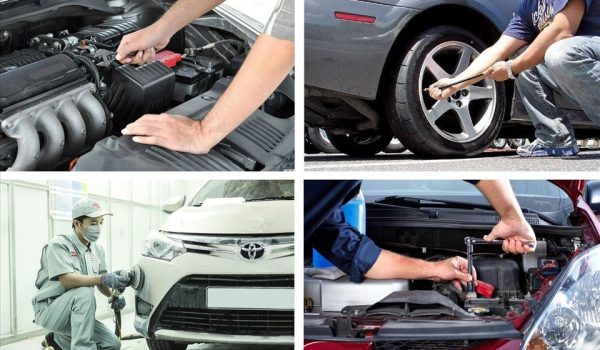






Newsweek recently rounded up expert predictions on where the auto industry is headed, and the picture is one of major change. These shifts could have a direct impact on the auto repair trade here at home in the years ahead. If you’re studying or pursuing a career in automotive repair, this is worth paying attention to. Let’s break down what the experts are forecasting.
Mục lục
1. New car prices are set to climb sharply
New car prices are rising fast, driven by strong demand and climbing production costs.
Demand for new vehicles has stayed strong through 2024–2025, even as inventory remains tight — which means dealers have less reason to discount, and manufacturers get to hold onto healthier margins.
Production costs keep climbing too, from raw materials (lithium batteries, chassis components) to labor and logistics, all of which push sticker prices higher.
The budget end of the market is shrinking: only 20% of total 2023 sales were vehicles under $20,000, while the average new-car price hit $32,000 in 2024 and is expected to keep climbing through 2025.

Auto industry trends for 2025: new vehicle prices are climbing sharply.
New technology is reshaping how cars are priced: EVs, hybrids, AI, self-driving features, and the software-defined vehicle (SDV) model are all pushing up the total cost of ownership — not just the sticker price, but ongoing costs like software subscriptions and feature unlocks.
Consumers should expect higher prices in 2025, especially for EVs and tech-heavy models. If you’re planning to buy, it’s worth thinking carefully about your budget and timing.
2. The vehicle customization market keeps growing
The “Vehicle Customization Market” is basically just what it sounds like: building cars to match what customers actually want. Manufacturers assemble vehicles to spec, then finish and ship them straight to the buyer.
This market is already on a strong growth trajectory and is projected to explode from 2025 onward, reaching an estimated $8.5 billion by 2028.
- Since 2022, demand for personalized vehicles has surged, especially around EVs like the Ford Lightning, GM’s Hummer EV, and other mainstream electric models.
- From 2025 onward, the market will accelerate further thanks to AI, IoT, software-defined vehicles (SDVs), and expanded aftermarket services.
- Customization isn’t just about exterior looks or engine mods anymore — it now covers software upgrades, digital interfaces, and smart services, sparking a whole new wave in the auto industry.
- Partnerships between manufacturers and aftermarket service providers will speed things up further, with more factory-backed customization packages hitting the market.
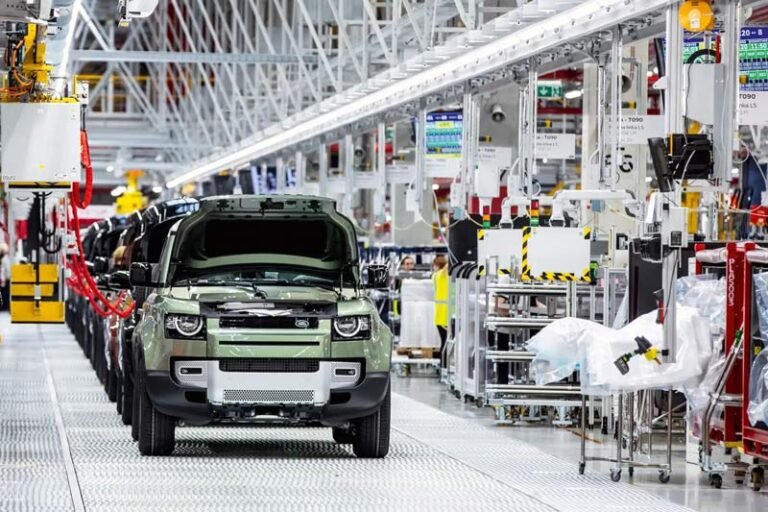
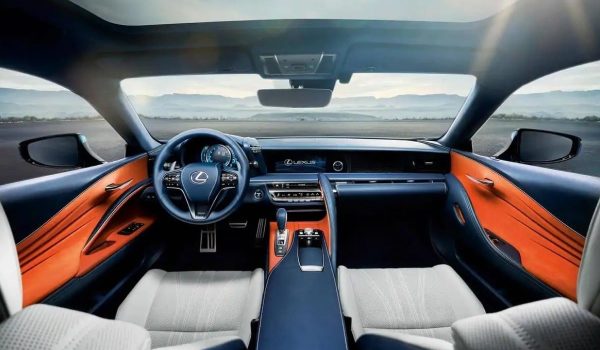
The global vehicle customization market is projected to reach $8.5 billion by 2028.
Entrapeer’s forecast on auto industry growth checks out — but the real boom will hit from 2025 onward, once EV technology, AI, and software-defined vehicles become the new standard.
3. Demand for EVs will keep climbing
From 2025 onward, EV demand will keep accelerating, fueled by global emissions policy, advancing technology, and shifting consumer habits. Automakers are being forced to expand their EV lineups to meet both market demand and tightening emissions standards.
Even though the industry is still wrestling with supply chain headaches, tight inventory, and high production costs, government incentives and ongoing tech improvements are making EVs more appealing than ever.
EV technology keeps maturing too — better performance, smarter software, and over-the-air updates are closing the gap with traditional gas cars. Vietnam’s VinFast, for example, is leading the charge on EV adoption locally, with models like the VF3 poised to reshape the green vehicle market.

Demand for electric vehicles will keep growing in the years ahead.
EVs are no longer a passing trend — they’re becoming the inevitable future of the global auto industry.
4. The hybrid market will grow fast
Starting in 2025, the hybrid market will keep growing worldwide, becoming the go-to choice for consumers thanks to fuel savings, lower emissions, and compatibility with existing infrastructure.

Hybrid sales jumped more than 40% in 2023, hitting 10 million units, and double-digit growth is expected to continue through 2025. In Vietnam, hybrid market share is expanding too — sales doubled in 2023, and hybrids are projected to account for 15–20% of total passenger car sales by 2025.
Major automakers like Toyota, Honda, Hyundai, and Kia are investing heavily in hybrids, giving buyers more options while meeting stricter emissions standards. Even as EVs grow fast, hybrids remain a crucial bridge technology, especially in regions without solid charging infrastructure yet — think Southeast Asia, Latin America, and parts of the US.
You might also like: The Vietnamese Auto Market — From Its Beginnings to Today
5. Sports cars and new sedans will draw less interest
Sports cars and sedans will keep losing ground to SUVs and pickups starting in 2025, which already account for 81% of global sales thanks to their sheer practicality. That said, sedans aren’t disappearing — they’re shifting toward hybrid and electric powertrains, with models like the Toyota Camry Hybrid, Honda Accord Hybrid, and BMW 5 Series still pulling in buyers.

The industry’s overall direction is pushing sports cars to evolve with hybrid and electric tech, as Porsche, Ferrari, Bugatti, and McLaren all focus on high-performance models that are more environmentally friendly. Asia remains a key sedan market, and while sedans and sports cars aren’t the priority they once were, both will stick around thanks to electrification and modern tech.
Even though they’re not top priority anymore, sedans and sports cars will keep their place in the market thanks to electrification and ongoing tech upgrades.
6. Demand for classic sports cars is rising
From 2025 onward, demand for classic sports cars is climbing fast — not just for the collector value, but as a genuinely attractive investment. As modern sports cars get phased out in favor of EVs and hybrids, 1990s–2000s icons like the Ferrari F355, Porsche 911 (996), Honda NSX, and Toyota Supra Mk4 are only getting more expensive as supply shrinks.
Classic car enthusiasts are willing to pay big money for legendary models, and it shows — auctions keep setting new records for names like the Porsche Speedster, Ferrari Dino, and Jaguar E-Type. Younger buyers are fueling the trend too, particularly JDM culture fans and those drawn to classic European sports cars.

Classic sports cars aren’t just a hobby anymore — they’re becoming a genuinely valuable investment, with values only expected to climb over time.
7. Utility vehicles will keep gaining market share
Utility vehicles (SUVs, crossovers, pickups) are steadily replacing sedans as consumer priorities shift toward more space, better performance, and greater versatility. Automakers are scaling back or discontinuing sedans altogether to focus on the utility segment, which delivers better margins and matches where the market is heading.
In Vietnam, SUVs and pickups keep gaining popularity, with new models rolling out from Toyota, Hyundai, Kia, and VinFast. Utility vehicles are expected to keep expanding their market share, becoming the dominant choice in the auto market going forward.

8. Trucks, cars, and SUVs will get more features

Starting in 2025, the semiconductor shortage is no longer the crisis it once was, freeing automakers to add more tech and modern features instead of cutting them. Systems like driver-assist (ADAS), IoT connectivity, augmented reality (AR) displays, and electrification tech will all get baked in more aggressively.
EVs and hybrids will keep evolving too, packed with new tech for a better overall experience. Instead of the feature-cutting we saw between 2020 and 2023, from 2025 onward cars, SUVs, and trucks are getting a full upgrade.
9. Used cars won’t depreciate as fast as before
From 2025 onward, depreciation on used vehicles will slow down, especially for trucks, SUVs, and hybrids, thanks to strong demand and solid fuel economy. Used EVs, on the other hand, will keep depreciating faster, since ongoing battery tech improvements make older models look less appealing by comparison.
While used car prices won’t keep climbing the way they did between 2020 and 2023, they’ll still hold their value better than in the past, thanks to a more stable market and continued strong demand.

We hope this rundown helps you get a feel for where the auto industry is headed. If you’re passionate about cars or curious about automotive training programs, reach out to us using the contact details below for a detailed consultation!
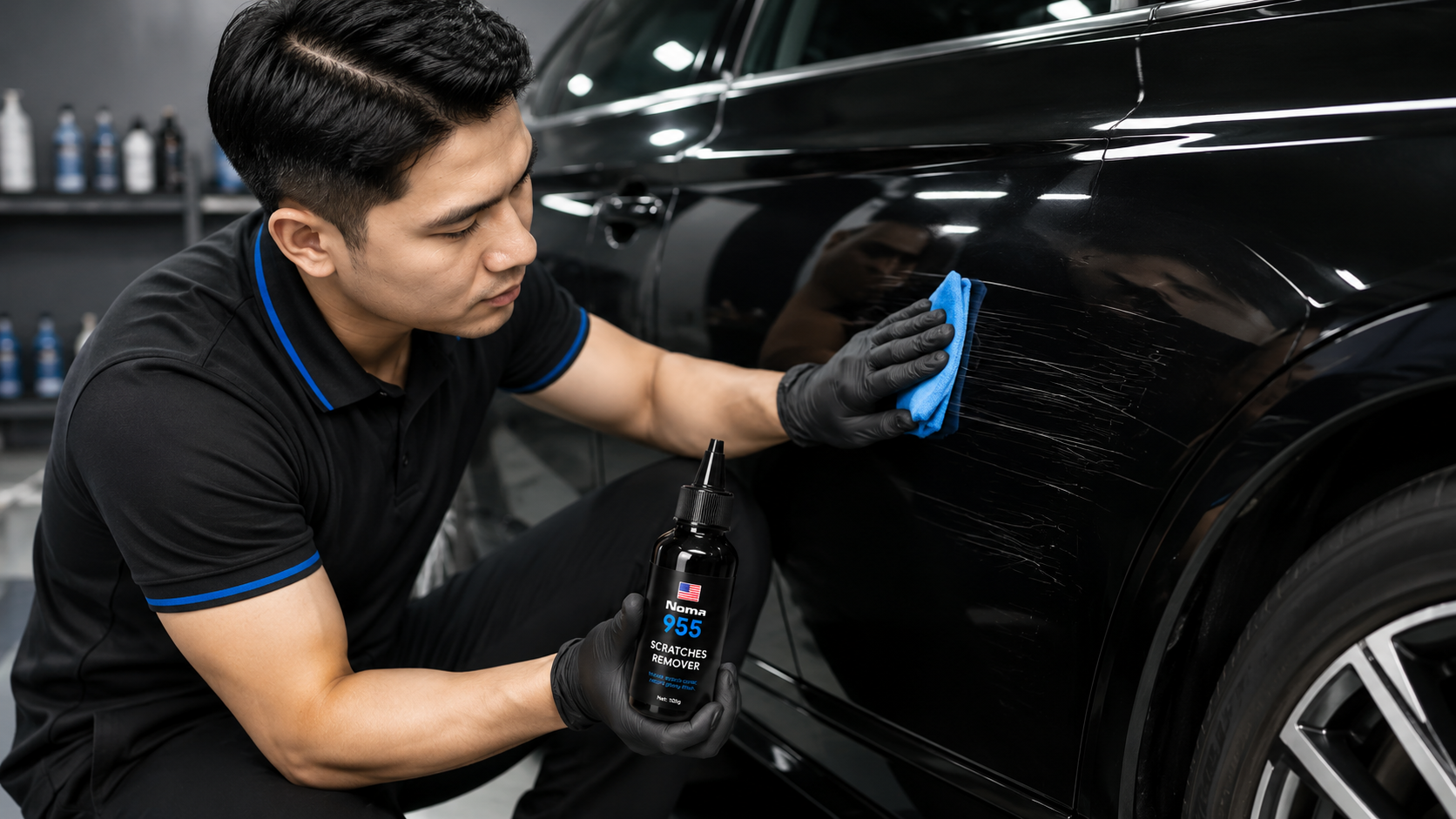
Removing Car Paint Scratches at Home with NOMA 955 – A Detailed Step-by-Step Guide
Removing paint scratches doesn’t always mean a trip to the shop. With NOMA 955, a dedicated scratch-removal product, you can fix small scratches at home in just minutes. This guide walks through the full process from prep to finish, so you can get results like a pro.
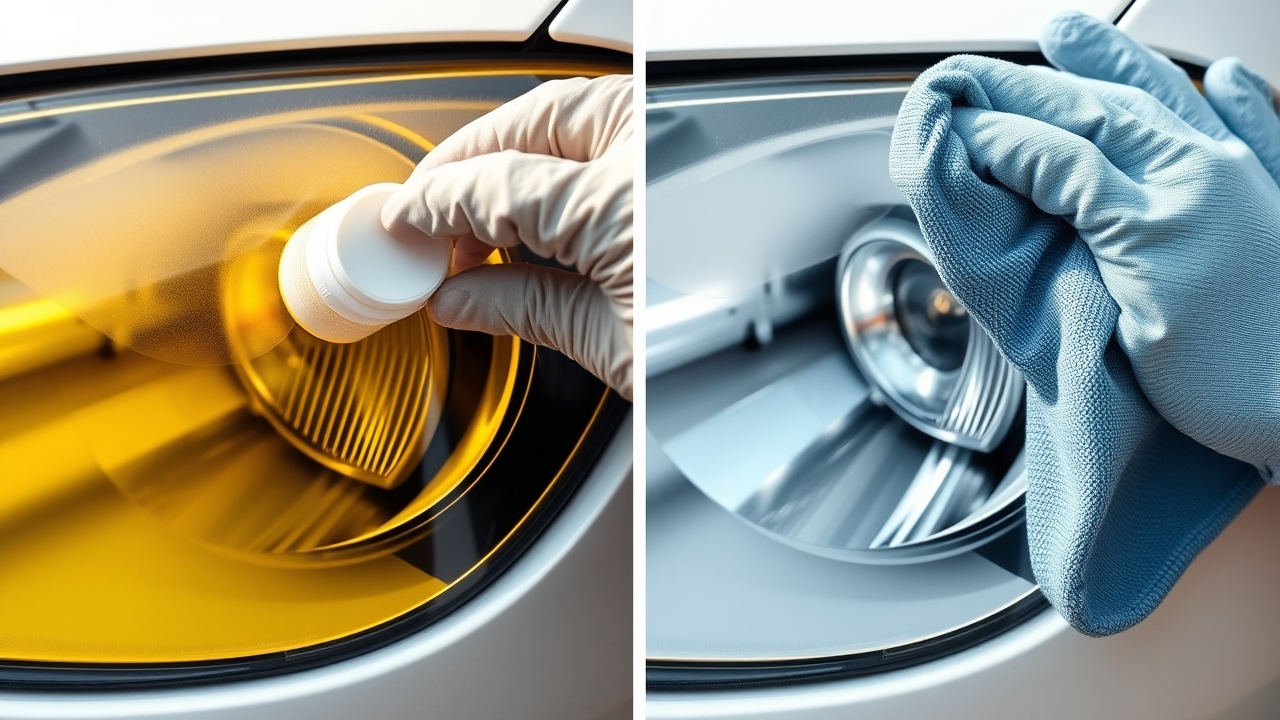
NOMA 620 – Effective At-Home Restoration for Yellowed Headlights in 2026
Yellowed headlights are a common problem that affects driving safety. This guide walks step by step through using NOMA 620 to restore yellowed, hazy headlights, with a comparison against other DIY methods and long-term maintenance tips.
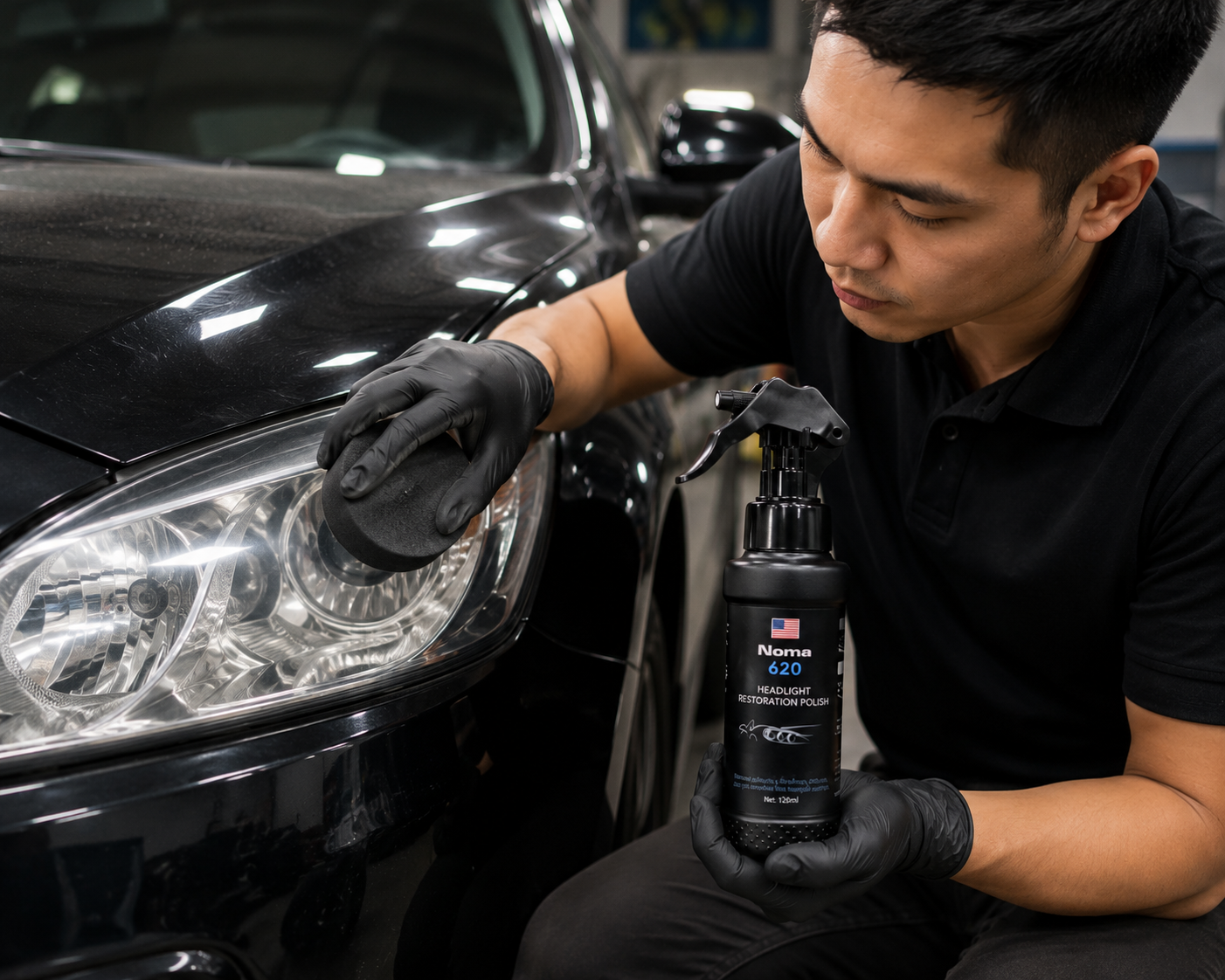
Removing Headlight Yellowing at Home — A Detailed Step-by-Step Guide
Yellowed, hazy headlights are a common issue on older cars. This guide walks through removing headlight yellowing at home in just 30 minutes — safe, effective, and far more affordable than a shop visit. A great option for any car owner who likes to handle their own car care.

Professional Leather Car Seat Cleaning — A Step-by-Step Process
Cleaning your leather car seats the right way doesn’t just keep your interior looking sharp — it extends the life of the leather. This guide walks through the professional process: prep, cleaning, conditioning, and ongoing maintenance with NOMA 686, a dedicated leather cleaning & conditioning kit built to professional detailing standards.