
DIY Car Care at Home the Effective Way in 2026: A Step-by-Step NOMA Guide

DIY Car Care at Home: A Practical Guide with NOMA
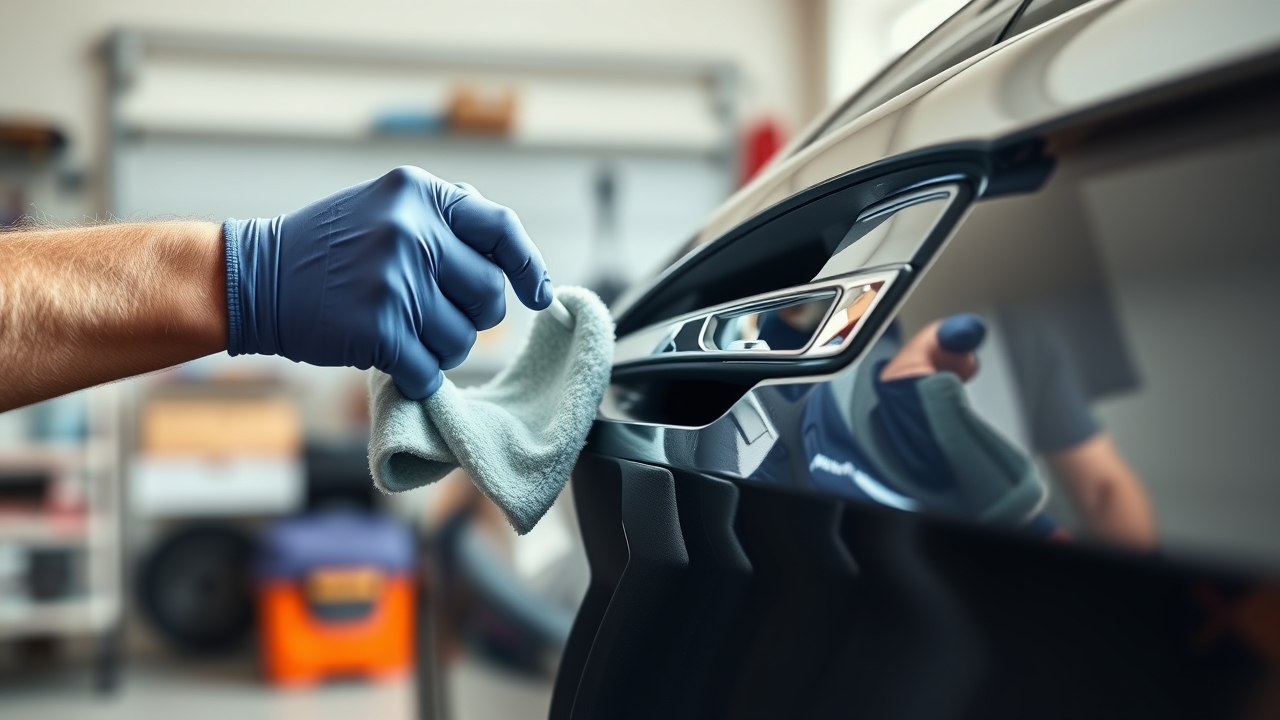
DIY car care at home has become a popular trend among owners who care about maintenance. Instead of paying high shop prices, you can handle jobs like restoring plastic trim, cleaning glass, and brightening headlights yourself, right at home.
According to surveys from Vietnamese car owner communities, around 65% of drivers today want to learn to maintain their own cars to save money and better understand their vehicle. The key is picking the right products — safe, effective, and easy to use, like NOMA’s lineup of solutions.
This guide walks you step-by-step through DIY car care at home using NOMA products, keeping your car clean and long-lasting without a trip to a specialty shop.
DIY Car Care at Home: Why Start Now?
Taking on DIY car care at home brings several clear advantages. First, you save significant money — professional car wash shops in Vietnam typically charge the equivalent of $12-$20 per visit, while a high-quality DIY product costs roughly $8-$16 and lasts for many uses.
Second, you get full control over the quality of the products you use. Safe, pH-neutral solutions like NOMA won’t damage paint, plastic, or glass. You can also inspect your car closely before and after cleaning, catching issues early.
Third, DIY car care at home helps you understand your car’s structure better. You’ll learn how to handle glass mold, peeling plastic trim, or yellowed headlights without relying on anyone else.
Key benefits:
-
- Save 30-50% compared to a shop
-
- pH-neutral products safe for your skin and your car’s surfaces
-
- Fast results — you’ll see a visible difference after 1-2 uses
-
- Flexible scheduling — care for your car on your own time
Getting Ready Before You Start DIY Car Care at Home
Success with DIY car care at home comes down largely to preparation. You don’t need complicated equipment — just a few basic supplies and the right products.
What you’ll need:
-
- Two buckets: one for clean rinse water, one for initial wash water
-
- Microfiber towels or soft cotton cloths (avoid stiff fabric that can scratch paint)
-
- A soft brush or a wool-bristle brush to lift dust
-
- NOMA cleaning products suited to each area (plastic, glass, headlights)
-
- Cool weather or shade for effective cleaning
-
- Eye protection (optional, but recommended)
The first step is choosing the right time and location. Do your DIY car care at home in the late afternoon or early morning, avoiding direct sunlight — sun exposure makes products dry out too fast, reducing their cleaning power.
Weather matters too — don’t clean your car when it’s raining or fully humid outside, since high humidity draws the job out and hurts the results.
Restoring Textured Plastic Trim: A Step-by-Step Guide
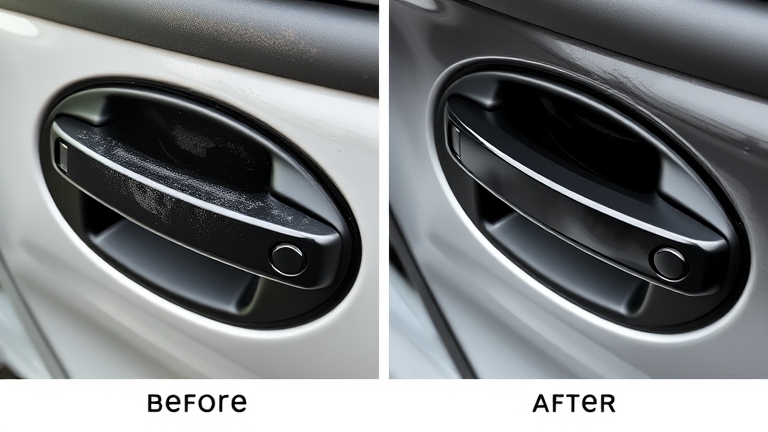
Textured plastic trim on your car (door panels, handles, window trim) loses its shine and turns dull over time. Restoring plastic trim is one of the most common DIY car care tasks people take on at home.
 Restoring Textured Plastic Trim: Step-by-Step
Step 1: Clean the plastic surface
Start with a soft brush or damp microfiber towel to wipe away dust and grime from the plastic surface. Use clean water and a wool-bristle brush to remove stubborn dust. Let it dry completely before moving to the next step.
Step 2: Apply NOMA plastic restorer
Pour a small amount of NOMA plastic restorer onto a microfiber towel or applicator pad. Apply evenly across the plastic surface, working from top to bottom. Don’t overapply — a thin layer is enough, since the pH-neutral formula absorbs into the surface and creates a natural shine without leaving it greasy.
Step 3: Let it dry and buff
After 2-3 minutes, use a separate clean towel to buff and thoroughly wipe the surface. You’ll see the plastic looking glossier and more natural, with color restored to its former richness.
Tip: If the plastic trim is extremely faded, you can repeat this process 2-3 times, spaced a week apart, for full restoration. Check out our guide to caring for your car’s plastic parts for more detail on each type of plastic on your vehicle.
Preventing Fogging and Glass Mold: How to Protect Effectively
Glass mold and fogging are common issues in Vietnam due to high humidity. Doing DIY car care at home to prevent fogging keeps your visibility clear at all times.
Per guidance from Vietnam’s Ministry of Information and Communications on traffic safety, clean glass is a critical factor in ensuring safe driver visibility and reducing accidents caused by poor sightlines.
Anti-fog process:
Step 1: Wash the glass with clean water and a soft microfiber towel. Be sure to clean both sides (interior and exterior) to remove dust and road salt.
Step 2: Dry completely with a clean cotton towel or a dedicated drying towel. Leftover moisture reduces the product’s effectiveness.
Step 3: Apply NOMA’s anti-fog solution from top to bottom, creating a thin, even layer. The pH-neutral formula forms an invisible protective layer that makes moisture and rain bead up and run off instead of clinging to the glass.
Step 4: After 3-5 minutes, buff dry with another clean towel to finish. The anti-fog effect lasts 2-4 weeks depending on conditions.
Ongoing maintenance:
-
- Every 2-3 weeks, check whether the glass is starting to fog up
-
- If the effect fades, repeat the anti-fog process
-
- Avoid leaving the glass exposed to heavy rain for long periods without protection
Restoring Yellowed Headlights: Bringing Back Original Brightness
Yellowed headlights don’t just look bad — they reduce brightness and compromise driving safety. Restoring yellowed headlights is an important DIY car care task at home.
Causes of headlight yellowing:
-
- Constant UV exposure from sunlight
-
- High humidity and rain causing oxidation on the polycarbonate surface
-
- Chemicals from air pollution
Restoration process:
Step 1: Clean the headlight surface with water and a soft brush. Remove dust, grime, and dried rain residue. Dry completely.
Step 2: Apply NOMA headlight restorer to the yellowed surface. The product penetrates the polycarbonate layer and dissolves oxidation, restoring clarity.
Step 3: Let the product work for 5-10 minutes depending on the severity of yellowing. For heavy yellowing, leave it longer or reapply.
Step 4: Wipe clean with a microfiber towel. You’ll see clearer, brighter headlights with improved light output.
Maintaining results:
-
- Reapply every 1-2 months to maintain clarity
-
- Avoid prolonged direct sun exposure on headlights
-
- If possible, apply a UV-protective film to the headlight lenses
Comparing Popular DIY Car Care Products
| Criteria | NOMA | Meguiar’s | Sonax | Chemical Guys |
|---|---|---|---|---|
| pH-neutral formula | ✓ Yes | ✓ Yes | ✓ Yes | ✓ Yes |
| Skin-safe | ✓ Excellent | ✓ High | ✓ High | ⚠ Requires hand washing |
| Easy DIY use | ✓ Very easy | ✓ Easy | ✓ Easy | ⚠ Requires more tools |
| Fast results (1-2 uses) | ✓ Yes | ✓ Yes | ✓ Yes | ⚠ Needs 3-4 uses |
| Reasonable price | ✓ Competitive | ⚠ High | ⚠ High | ⚠ Very high |
| Availability in Vietnam | ✓ Easy | ✓ Easy | ⚠ Hard | ⚠ Hard |
Takeaway: NOMA stands out for excellent safety and fast results, making it a great fit for anyone just starting out with DIY car care at home. See our detailed comparison of car care products to find the best fit for you.
Common Mistakes in DIY Car Care at Home
Many people make mistakes when caring for their car themselves, which reduces effectiveness or can even damage the surface. Here are the mistakes to avoid:
Mistake 1: Using hard water or chlorinated tap water
Hard water, high in minerals, leaves white streaks on glass and paint. Use filtered or distilled water to wash your car. If that’s not available, let tap water sit for 5 minutes so the chlorine can evaporate.
Mistake 2: Applying too much product
DIY car care products like NOMA only need a thin layer. Overapplying leaves surfaces greasy, hard to wipe clean, and wastes product.
Mistake 3: Not letting the product dry fully before buffing
Buffing too soon, before the product has absorbed, reduces its effectiveness. Wait 2-5 minutes depending on the product and weather conditions.
Mistake 4: Using stiff cloth or cloth meant for other purposes
Stiff fabric will scratch paint and plastic. Always use a dedicated microfiber towel or soft cotton cloth.
Mistake 5: Working in overly hot sun or rain
Direct, intense sunlight makes the product dry too fast. Rain washes it off before it can absorb. Choose cool, dry weather.
Frequently Asked Questions About DIY Car Care at Home
Is DIY car care at home safe for my paint?
Yes, as long as you choose a pH-neutral product like NOMA. These products are specifically formulated to clean without damaging your paint or other sensitive surfaces. Avoid products that are too acidic or too alkaline, as they can fade paint or leave white streaks on glass.
How often should you do DIY car care at home?
It depends on how your car is used: if it’s parked outside, care for it every 2 weeks. If it’s garaged, every 3-4 weeks is enough. Glass mold needs attention every 2-3 weeks. After driving through heavy rain or snow, care for it sooner.
Do I need expensive tools for DIY car care at home?
No. You just need the basics: microfiber towels (roughly $8-$12 per set), a bucket, a soft brush, and cleaning products. Total startup cost runs about $32-$40, after which you just repurchase products as needed.
Are NOMA products suitable for all types of cars?
Yes. NOMA is designed to work effectively on all car types — sedans, SUVs, pickups, and minivans. Whether your car is new or old, NOMA’s pH-neutral products are safe and effective.
Can DIY car care at home fully replace professional shop services?
It can replace 80-90% of routine maintenance work. Complex jobs like paint correction, deep scratch repair, or mechanical system repairs should still go to a specialty shop. But cleaning, plastic restoration, anti-fog glass treatment, and headlight brightening — all of that you can do yourself.
Conclusion: Start Your DIY Car Care at Home Today
DIY car care at home isn’t just a way to save money — it’s how you take an active role in protecting and caring for your car. With this detailed guide covering prep, restoring plastic trim, preventing fogging, and brightening headlights, you can handle every one of these jobs at home.
The key to success is choosing the right product — safe, pH-neutral, and fast-acting, like NOMA. NOMA’s American-made formulas help you achieve professional-level results at home without worrying about safety for your skin or your car’s surfaces.
Start with one small task — restoring plastic trim or applying an anti-fog treatment to your glass — to feel the difference for yourself. After a few tries, you’ll be confident handling every DIY car care task at home, and you’ll enjoy a clean, long-lasting car without the expense.
Sources
- Guidance from Vietnam’s Ministry of Information and Communications on traffic safety