
Rainy-Season Car Glass Care: A Complete Process with NOMA 911

Rainy-Season Car Glass Care: A Complete Process with NOMA 911
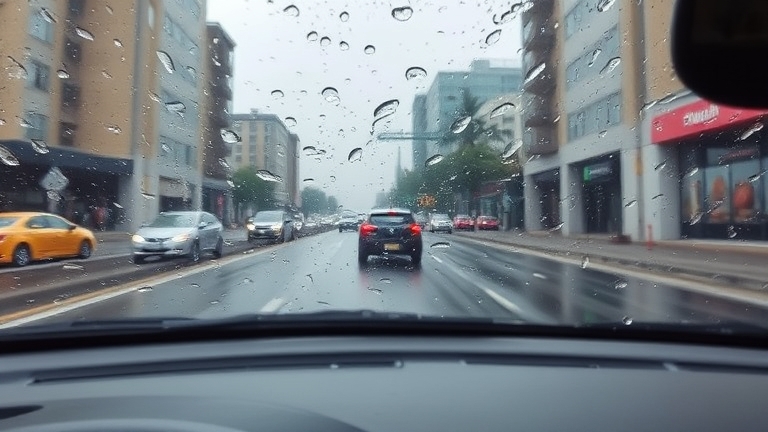
The rainy season doesn’t just make driving harder — it also takes a toll on your car’s glass. Rainwater carries minerals and chemicals from polluted air that leave behind water spots and mold on the glass surface, cutting into visibility and driving safety. According to a report from Vietnam’s Vehicle Registration Department, over 60% of car accidents during the rainy season are linked to poor visibility. To properly protect your car’s glass, you need a complete rainy-season glass care process that includes removing water spots and applying a water-repelling coating. NOMA 911 is a dedicated product that combines both of these technologies, letting you complete the entire rainy-season glass care process in just a few simple steps.
Caring for your car’s glass properly during the rainy season doesn’t just protect your visibility — it also extends the life of your glass and reduces the need for early replacement. This guide walks you through each step so you can do it yourself at home, safely and effectively.
Why Does Rainy-Season Glass Care Matter?
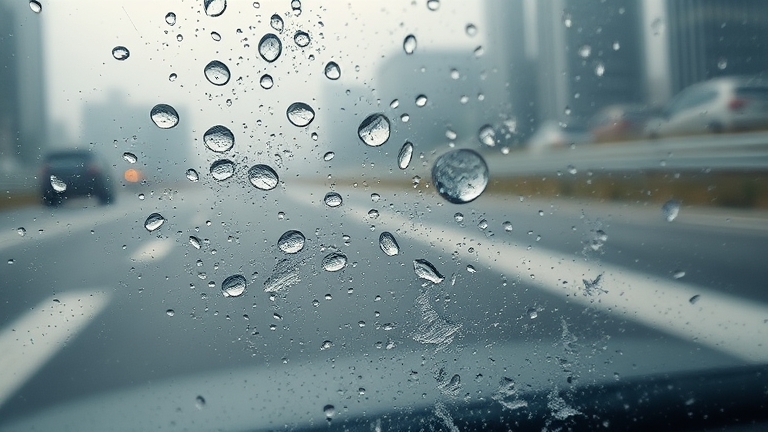
Car glass is in direct contact with the outdoor environment, especially rain. Rainwater isn’t pure H₂O — it carries plenty of impurities: dust, salt, chemicals from exhaust fumes, and heavy metals.
 Why Does Rainy-Season Glass Care Matter?
Left unattended, these substances build up on the glass surface and form gray or white water spots and mold. This buildup doesn’t just look bad — it also:
- Reduces glass clarity, limiting the driver’s visibility
- Makes wipers work poorly (choppy movement, squeaking noises)
- Bonds more tightly to the glass over time, making it harder to remove later
According to a maintenance report from the Vietnam Automobile Repair Association, most drivers skip glass care altogether, leading to a need for earlier glass replacement than normal. Regular care saves you money in the long run.
On top of that, rain beads onto glass more easily without a water-repelling coating. At highway speeds, that rain scatters and mixes with runoff on the glass, hurting focus and increasing danger when the wipers are running.
The Basic Rainy-Season Glass Care Process
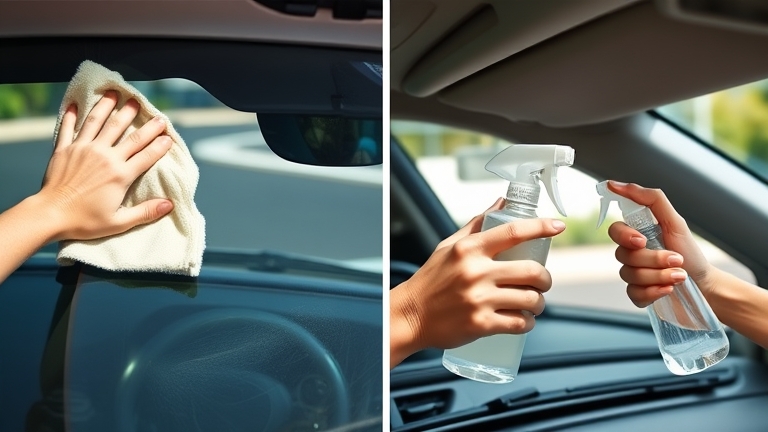
The rainy-season glass care process includes three main steps: initial cleaning, deep stain removal, and applying a water-repelling coating. To simplify things, NOMA 911 combines the stain-removal and water-repelling steps into a single product.
 The Basic Rainy-Season Glass Care Process
Step 1: Initial Glass Cleaning
First, wash the glass with clean water or a mild car wash solution. Use a soft towel (microfiber or clean cotton) to wipe gently, avoiding hard scrubbing that could scratch the glass.
If the glass is heavily soiled (dust, grease), spray on a car wash solution first, let it sit for 1-2 minutes to soak in, then wipe clean with a towel.
The goal of this step is to remove surface dust and grime so the rainy-season glass care products that follow can absorb into the surface effectively.
Step 2: Removing Water Spots with NOMA 911
NOMA 911 is a dedicated product for removing water spots and applying a water-repelling coating on car glass. NOMA 911’s pH-neutral formula is completely safe for users and the car’s trim, and it won’t harm the paint around the glass.
How to use NOMA 911:
- Spray NOMA 911 evenly across the glass surface (no need to overdo it — a thin layer is enough)
- Wait 2-3 minutes for the product to soak in and break down the water spots
- Wipe gently with a clean microfiber towel, working in one direction from top to bottom
- Check whether the glass is shiny and clear; if stubborn spots remain, repeat the process once more
The drawback of ordinary glass stain removers is that they only remove stains without leaving a water-repelling layer behind. That means once the glass is clean, it’s still prone to water spots the next time it rains. NOMA 911 solves this problem by applying a water-repelling coating right after removing the stains.
Step 3: Applying the Water-Repelling Coating
After removing the stains, NOMA 911 automatically forms a water-repelling coating on the glass surface. There’s no separate treatment step needed.
This water-repelling coating will:
- Keep rainwater from clinging tightly to the glass
- Help rain run off easily when the wipers are running
- Protect the glass from stains and water spots long-term (up to 4-6 months depending on conditions)
After using NOMA 911, let the glass dry completely before driving (about 30 minutes). This allows the water-repelling coating to fully set.
Comparing Rainy-Season Glass Care Methods
| Method | Removes Stains | Water-Repelling | Time | Cost | Convenience |
|---|---|---|---|---|---|
| Regular car wash | ✗ | ✗ | 15 minutes | Cheap | Low |
| Separate stain remover + separate water-repellent | ✓ | ✓ | 45 minutes | High | Low |
| NOMA 911 (2-in-1 stain removal + water-repellent) | ✓ | ✓ | 20 minutes | Moderate | ✓✓✓ High |
| Professional car spa service | ✓ | ✓ | 2-3 hours | Very high | High |
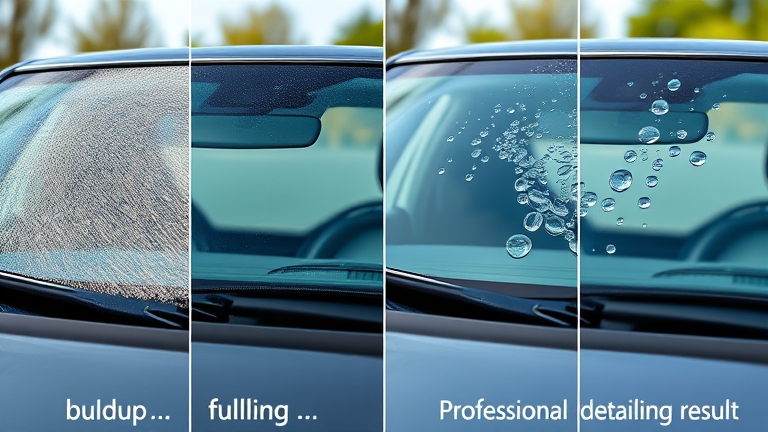
As the table shows, NOMA 911 offers the best overall balance: effective stain removal, a water-repelling coating, fast turnaround, reasonable cost, and easy DIY use at home.
Tips for Effective Rainy-Season Glass Care
Regular Maintenance Instead of Emergency Fixes
 Comparing Rainy-Season Glass Care Methods
Instead of waiting until the glass is heavily stained before dealing with it (which makes stains harder to remove), care for your glass once every 2-3 months with NOMA 911. This keeps the glass looking clear and clean, with the water-repelling coating always working at full strength.
Check out our guide to caring for your car’s exterior for tips on maintaining your whole exterior.
Regular Wiper Blade Maintenance
Wiper blades don’t just clean the glass — they also help extend the effectiveness of the water-repelling coating. Check your wipers every 6 months, and replace them if you notice the rubber has faded or they’re squeaking loudly.
Avoid Harsh Chemicals on Glass
Avoid solutions containing strong acids or bases, as they can damage the water-repelling coating. NOMA 911 uses a pH-neutral formula, making it completely safe for you and your car’s trim.
Caring for Your Glass During the Rainy Season
During the rainy season, care for your glass more often (once a month instead of every 2-3 months). This is because higher rainfall and pollutant levels wear down the water-repelling coating faster.
Also, when parking in the rain, use a car cover or park under a covered area if possible. This limits how long the glass is exposed to rain.
For other glass surfaces like side windows and the rear window, apply the same care process to keep protection consistent across the whole car.
Pairing with Other Care Products
Alongside NOMA 911, you can pair it with the NOMA 668 interior odor eliminator to care for your interior during humid weather and prevent mold in the cabin.
Frequently Asked Questions About Rainy-Season Glass Care
Q: How many times a year should you care for your car’s glass during the rainy season?
 Frequently Asked Questions About Rainy-Season Glass Care
A: It depends on your glass’s condition and how you use your car. If you live in a rainy region, care for it once a month during the rainy season. Outside of rainy season, once every 1-2 quarters (3 months) is enough. If you notice water spots forming or the wipers aren’t clearing water well, care for it right away.
Q: Is NOMA 911 safe to use while driving?
A: Completely safe. NOMA 911 uses a pH-neutral formula, free of corrosive or toxic substances. If the product splashes into your eyes or onto your skin, rinse with clean water. That said, it’s still a good idea to open a window for ventilation while applying it.
Q: Can NOMA 911 be used on the rear window or back glass?
A: Yes. NOMA 911 works on all types of car glass. That said, the rear window tends to accumulate heavier stains than the windshield since it’s exposed directly to exhaust from vehicles behind you. You may need to apply NOMA 911 multiple times or let it sit longer for complete stain removal.
Q: How long does NOMA 911’s water-repelling coating last?
A: It depends on usage conditions. Under normal conditions, the water-repelling coating lasts 4-6 months. If you live in a rainy region or park outside for long periods, the coating may wear down faster, lasting only 2-3 months. Once you notice water clinging to the glass again or the wipers aren’t clearing it smoothly, care for it again.
Q: What time of day is best for caring for your car’s glass?
A: Early morning or evening, when it’s cool and there’s no direct sun, is best. If you apply it under direct sun, the product may dry too fast and fail to absorb into the glass properly. Avoid applying it when the glass is still warm from sitting in the sun.
Q: Can NOMA 911 be used on commercial vehicle glass (trucks, buses)?
A: NOMA 911 is safe for all types of vehicles. However, trucks and buses have larger glass areas, so the process will use more product. You’ll need to estimate how much product you need based on your vehicle’s glass surface area.
Conclusion
Rainy-season glass care is a key part of car maintenance, protecting your driving safety and extending the life of your glass. A complete rainy-season glass care process includes removing water spots and applying a water-repelling coating, and NOMA 911 combines both technologies into a single product, letting you care for your car simply and effectively at home.
With its completely safe, pH-neutral formula, NOMA 911 is a trustworthy choice for any car owner who cares about glass maintenance. Start your rainy-season glass care routine today for clear, safe visibility on every road.
DIY Car Care at Home the Effective Way in 2026: A Step-by-Step NOMA Guide
DIY Car Care at Home: A Practical Guide with NOMA
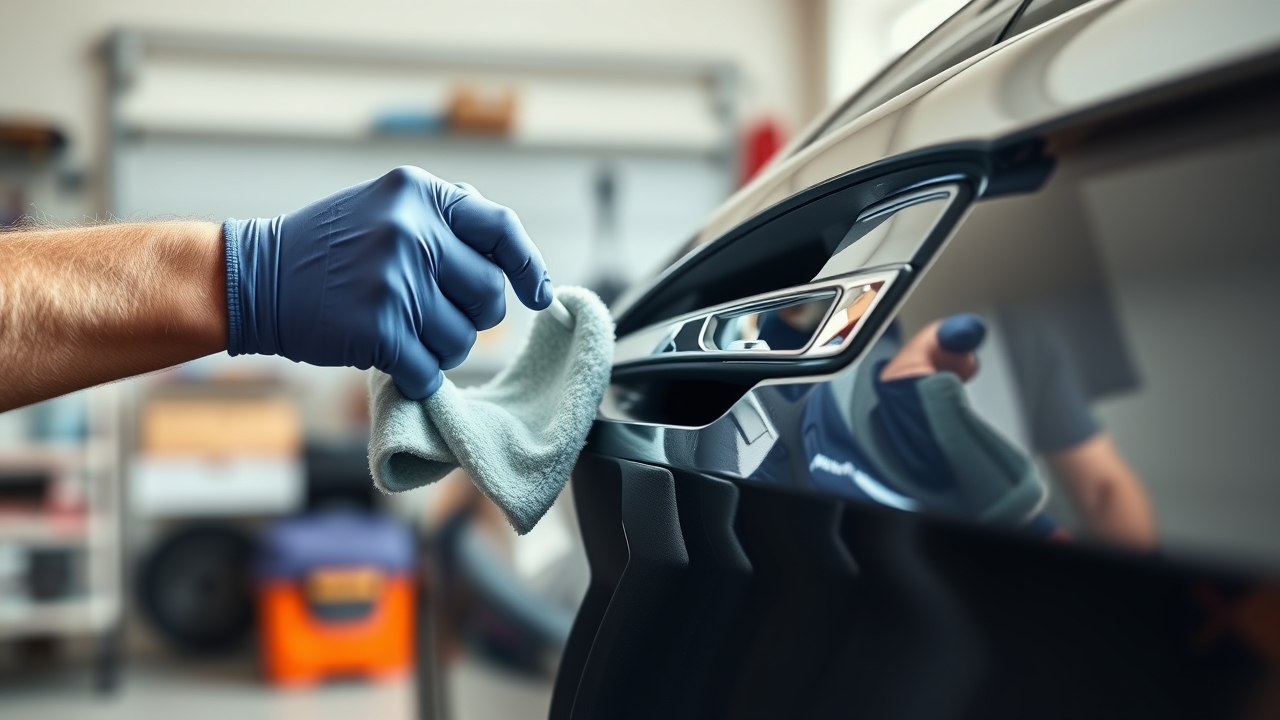
DIY car care at home has become a popular trend among owners who care about maintenance. Instead of paying high shop prices, you can handle jobs like restoring plastic trim, cleaning glass, and brightening headlights yourself, right at home.
According to surveys from Vietnamese car owner communities, around 65% of drivers today want to learn to maintain their own cars to save money and better understand their vehicle. The key is picking the right products — safe, effective, and easy to use, like NOMA’s lineup of solutions.
This guide walks you step-by-step through DIY car care at home using NOMA products, keeping your car clean and long-lasting without a trip to a specialty shop.
DIY Car Care at Home: Why Start Now?
Taking on DIY car care at home brings several clear advantages. First, you save significant money — professional car wash shops in Vietnam typically charge the equivalent of $12-$20 per visit, while a high-quality DIY product costs roughly $8-$16 and lasts for many uses.
Second, you get full control over the quality of the products you use. Safe, pH-neutral solutions like NOMA won’t damage paint, plastic, or glass. You can also inspect your car closely before and after cleaning, catching issues early.
Third, DIY car care at home helps you understand your car’s structure better. You’ll learn how to handle glass mold, peeling plastic trim, or yellowed headlights without relying on anyone else.
Key benefits:
-
- Save 30-50% compared to a shop
-
- pH-neutral products safe for your skin and your car’s surfaces
-
- Fast results — you’ll see a visible difference after 1-2 uses
-
- Flexible scheduling — care for your car on your own time
Getting Ready Before You Start DIY Car Care at Home
Success with DIY car care at home comes down largely to preparation. You don’t need complicated equipment — just a few basic supplies and the right products.
What you’ll need:
-
- Two buckets: one for clean rinse water, one for initial wash water
-
- Microfiber towels or soft cotton cloths (avoid stiff fabric that can scratch paint)
-
- A soft brush or a wool-bristle brush to lift dust
-
- NOMA cleaning products suited to each area (plastic, glass, headlights)
-
- Cool weather or shade for effective cleaning
-
- Eye protection (optional, but recommended)
The first step is choosing the right time and location. Do your DIY car care at home in the late afternoon or early morning, avoiding direct sunlight — sun exposure makes products dry out too fast, reducing their cleaning power.
Weather matters too — don’t clean your car when it’s raining or fully humid outside, since high humidity draws the job out and hurts the results.
Restoring Textured Plastic Trim: A Step-by-Step Guide
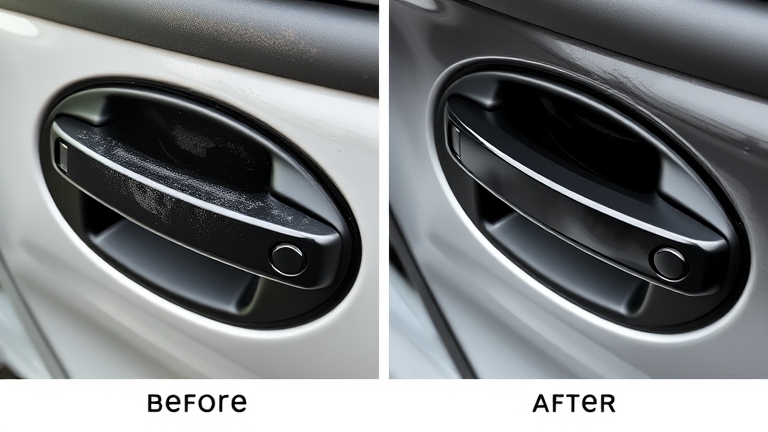
Textured plastic trim on your car (door panels, handles, window trim) loses its shine and turns dull over time. Restoring plastic trim is one of the most common DIY car care tasks people take on at home.
 Restoring Textured Plastic Trim: Step-by-Step
Step 1: Clean the plastic surface
Start with a soft brush or damp microfiber towel to wipe away dust and grime from the plastic surface. Use clean water and a wool-bristle brush to remove stubborn dust. Let it dry completely before moving to the next step.
Step 2: Apply NOMA plastic restorer
Pour a small amount of NOMA plastic restorer onto a microfiber towel or applicator pad. Apply evenly across the plastic surface, working from top to bottom. Don’t overapply — a thin layer is enough, since the pH-neutral formula absorbs into the surface and creates a natural shine without leaving it greasy.
Step 3: Let it dry and buff
After 2-3 minutes, use a separate clean towel to buff and thoroughly wipe the surface. You’ll see the plastic looking glossier and more natural, with color restored to its former richness.
Tip: If the plastic trim is extremely faded, you can repeat this process 2-3 times, spaced a week apart, for full restoration. Check out our guide to caring for your car’s plastic parts for more detail on each type of plastic on your vehicle.
Preventing Fogging and Glass Mold: How to Protect Effectively
Glass mold and fogging are common issues in Vietnam due to high humidity. Doing DIY car care at home to prevent fogging keeps your visibility clear at all times.
Per guidance from Vietnam’s Ministry of Information and Communications on traffic safety, clean glass is a critical factor in ensuring safe driver visibility and reducing accidents caused by poor sightlines.
Anti-fog process:
Step 1: Wash the glass with clean water and a soft microfiber towel. Be sure to clean both sides (interior and exterior) to remove dust and road salt.
Step 2: Dry completely with a clean cotton towel or a dedicated drying towel. Leftover moisture reduces the product’s effectiveness.
Step 3: Apply NOMA’s anti-fog solution from top to bottom, creating a thin, even layer. The pH-neutral formula forms an invisible protective layer that makes moisture and rain bead up and run off instead of clinging to the glass.
Step 4: After 3-5 minutes, buff dry with another clean towel to finish. The anti-fog effect lasts 2-4 weeks depending on conditions.
Ongoing maintenance:
-
- Every 2-3 weeks, check whether the glass is starting to fog up
-
- If the effect fades, repeat the anti-fog process
-
- Avoid leaving the glass exposed to heavy rain for long periods without protection
Restoring Yellowed Headlights: Bringing Back Original Brightness
Yellowed headlights don’t just look bad — they reduce brightness and compromise driving safety. Restoring yellowed headlights is an important DIY car care task at home.
Causes of headlight yellowing:
-
- Constant UV exposure from sunlight
-
- High humidity and rain causing oxidation on the polycarbonate surface
-
- Chemicals from air pollution
Restoration process:
Step 1: Clean the headlight surface with water and a soft brush. Remove dust, grime, and dried rain residue. Dry completely.
Step 2: Apply NOMA headlight restorer to the yellowed surface. The product penetrates the polycarbonate layer and dissolves oxidation, restoring clarity.
Step 3: Let the product work for 5-10 minutes depending on the severity of yellowing. For heavy yellowing, leave it longer or reapply.
Step 4: Wipe clean with a microfiber towel. You’ll see clearer, brighter headlights with improved light output.
Maintaining results:
-
- Reapply every 1-2 months to maintain clarity
-
- Avoid prolonged direct sun exposure on headlights
-
- If possible, apply a UV-protective film to the headlight lenses
Comparing Popular DIY Car Care Products
| Criteria | NOMA | Meguiar’s | Sonax | Chemical Guys |
|---|---|---|---|---|
| pH-neutral formula | ✓ Yes | ✓ Yes | ✓ Yes | ✓ Yes |
| Skin-safe | ✓ Excellent | ✓ High | ✓ High | ⚠ Requires hand washing |
| Easy DIY use | ✓ Very easy | ✓ Easy | ✓ Easy | ⚠ Requires more tools |
| Fast results (1-2 uses) | ✓ Yes | ✓ Yes | ✓ Yes | ⚠ Needs 3-4 uses |
| Reasonable price | ✓ Competitive | ⚠ High | ⚠ High | ⚠ Very high |
| Availability in Vietnam | ✓ Easy | ✓ Easy | ⚠ Hard | ⚠ Hard |
Takeaway: NOMA stands out for excellent safety and fast results, making it a great fit for anyone just starting out with DIY car care at home. See our detailed comparison of car care products to find the best fit for you.
Common Mistakes in DIY Car Care at Home
Many people make mistakes when caring for their car themselves, which reduces effectiveness or can even damage the surface. Here are the mistakes to avoid:
Mistake 1: Using hard water or chlorinated tap water
Hard water, high in minerals, leaves white streaks on glass and paint. Use filtered or distilled water to wash your car. If that’s not available, let tap water sit for 5 minutes so the chlorine can evaporate.
Mistake 2: Applying too much product
DIY car care products like NOMA only need a thin layer. Overapplying leaves surfaces greasy, hard to wipe clean, and wastes product.
Mistake 3: Not letting the product dry fully before buffing
Buffing too soon, before the product has absorbed, reduces its effectiveness. Wait 2-5 minutes depending on the product and weather conditions.
Mistake 4: Using stiff cloth or cloth meant for other purposes
Stiff fabric will scratch paint and plastic. Always use a dedicated microfiber towel or soft cotton cloth.
Mistake 5: Working in overly hot sun or rain
Direct, intense sunlight makes the product dry too fast. Rain washes it off before it can absorb. Choose cool, dry weather.
Frequently Asked Questions About DIY Car Care at Home
Is DIY car care at home safe for my paint?
Yes, as long as you choose a pH-neutral product like NOMA. These products are specifically formulated to clean without damaging your paint or other sensitive surfaces. Avoid products that are too acidic or too alkaline, as they can fade paint or leave white streaks on glass.
How often should you do DIY car care at home?
It depends on how your car is used: if it’s parked outside, care for it every 2 weeks. If it’s garaged, every 3-4 weeks is enough. Glass mold needs attention every 2-3 weeks. After driving through heavy rain or snow, care for it sooner.
Do I need expensive tools for DIY car care at home?
No. You just need the basics: microfiber towels (roughly $8-$12 per set), a bucket, a soft brush, and cleaning products. Total startup cost runs about $32-$40, after which you just repurchase products as needed.
Are NOMA products suitable for all types of cars?
Yes. NOMA is designed to work effectively on all car types — sedans, SUVs, pickups, and minivans. Whether your car is new or old, NOMA’s pH-neutral products are safe and effective.
Can DIY car care at home fully replace professional shop services?
It can replace 80-90% of routine maintenance work. Complex jobs like paint correction, deep scratch repair, or mechanical system repairs should still go to a specialty shop. But cleaning, plastic restoration, anti-fog glass treatment, and headlight brightening — all of that you can do yourself.
Conclusion: Start Your DIY Car Care at Home Today
DIY car care at home isn’t just a way to save money — it’s how you take an active role in protecting and caring for your car. With this detailed guide covering prep, restoring plastic trim, preventing fogging, and brightening headlights, you can handle every one of these jobs at home.
The key to success is choosing the right product — safe, pH-neutral, and fast-acting, like NOMA. NOMA’s American-made formulas help you achieve professional-level results at home without worrying about safety for your skin or your car’s surfaces.
Start with one small task — restoring plastic trim or applying an anti-fog treatment to your glass — to feel the difference for yourself. After a few tries, you’ll be confident handling every DIY car care task at home, and you’ll enjoy a clean, long-lasting car without the expense.
Sources
- Guidance from Vietnam’s Ministry of Information and Communications on traffic safety
Restoring Faded Black Plastic Trim on Your Car: A Detailed Guide with NOMA 250
Restoring Faded Black Plastic Trim on Your Car: A Detailed Guide with NOMA 250
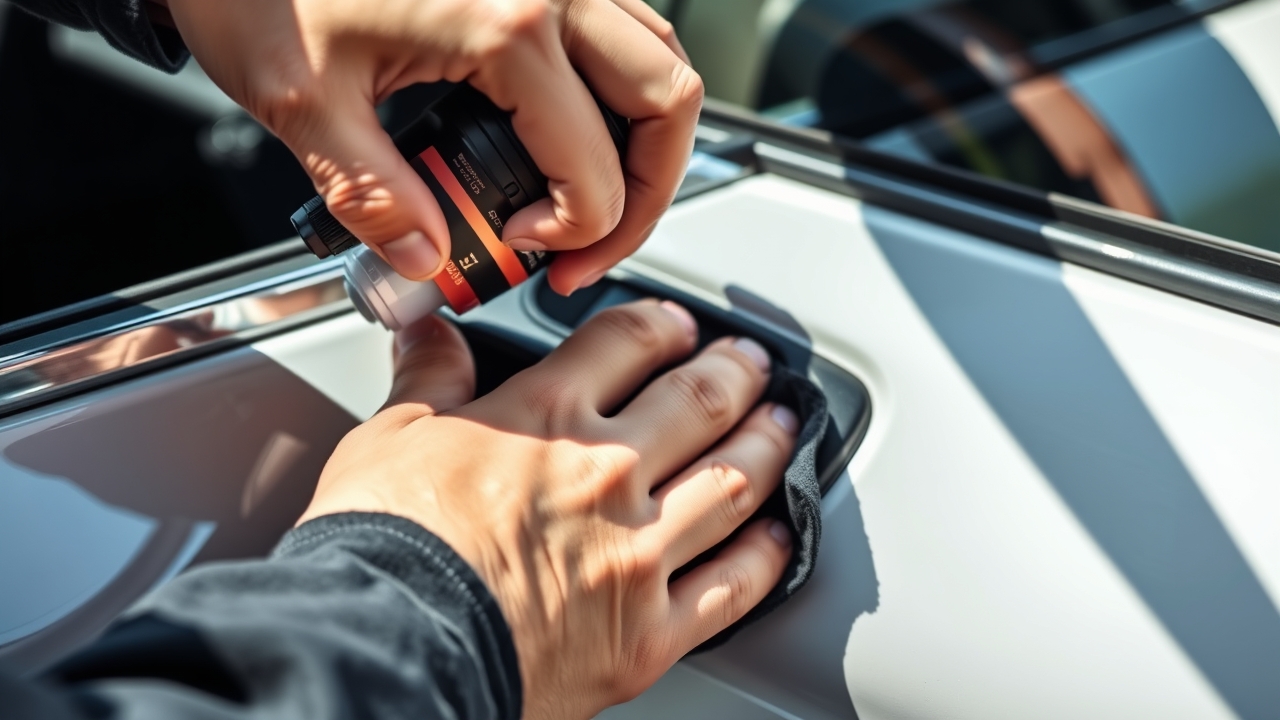
Black plastic trim on a car — door handles, window surrounds, mirror housings, or rear bumpers — tends to fade and turn a chalky gray over time. This happens due to UV exposure, rain, sun, and stubborn grime that builds up over the months. To restore faded black plastic trim effectively, you need a dedicated solution that’s safe for your car.
NOMA 250 is a US-technology car care product designed specifically to restore faded textured/black plastic trim. With its pH-neutral formula, it’s completely safe for your car’s surfaces and your skin, and it delivers fast results without any professional equipment.
This article walks you through, step by step, how to use NOMA 250 to restore faded black plastic trim and get the best, longest-lasting results.
Why Does Black Plastic Trim Fade, and How Do You Fix It?
Black plastic trim on cars is usually coated or molded from polypropylene compounds. According to a report from Vietnam’s Ministry of Information and Communications, UV rays from the sun are the primary cause of color degradation in plastic materials, leading to fading.
When plastic fades, the surface loses its natural sheen and starts to look worn and aged. This doesn’t just hurt the car’s looks — it makes the whole vehicle appear lower quality than it actually is.
Few people realize that restoring faded black plastic trim isn’t hard at all if you have the right product. You don’t need to visit a garage — you can do it yourself at home with NOMA 250 in about 15-20 minutes.
Alongside NOMA 250, you might also want to check out other car paint care products for complete protection of your vehicle.
Prepping Before You Restore Faded Black Plastic Trim
The first step to getting great results when restoring faded black plastic trim is thorough preparation. This is the prerequisite that determines the success of the entire process.
Tools and materials you’ll need:
- A bottle of NOMA 250 (plastic restoration solution)
- Clean, lint-free cotton cloths
- Water for rinsing (cold or warm)
- Mild soap or car cleaning solution
- Soft brush (optional, for cleaning the surface)
- Dry towel
- Protective gloves (recommended)
First, thoroughly clean the black plastic area you plan to restore. Wash it well with water and soap, and dry it completely before you start.
It’s essential that the surface is completely dry. If it’s still damp, NOMA 250 won’t bond properly with the plastic, which will affect how well it restores the faded black plastic trim.
Pick a suitable time to do this work. Avoid restoring black plastic trim in harsh sun or right before rain, as this will affect your results.
Step-by-Step Guide: Using NOMA 250 to Restore Faded Black Plastic Trim
Once you’ve finished prepping, start the process of restoring faded black plastic trim with NOMA 250. This is the most important stage, and it calls for focus and patience.
Step 1: Check and shake the product well
First, shake the bottle of NOMA 250 for about 30 seconds to blend the ingredients evenly. This is crucial to make sure the formula works at its best when restoring faded black plastic trim.
Open the cap and make sure the product hasn’t separated or changed color. If you notice anything unusual, check the manufacturing date.
Step 2: Apply NOMA 250 to a cloth
Set aside 1-2 clean cotton cloths for applying NOMA 250. You don’t need much product — just enough to dampen the cloth is plenty.
Make sure the cloth isn’t too wet, since the product could run onto areas you don’t want to treat when restoring faded black plastic trim.
Step 3: Rub the product in circular motions
Start rubbing NOMA 250 onto the faded black plastic surface using slow, even circular motions. Use moderate pressure — not too hard, to avoid streaking.
For black plastic trim, work slowly so the product soaks deep into the surface. Keep rubbing for 2-3 minutes on each small section.
Step 4: Let the product air-dry naturally
After applying, let NOMA 250 dry naturally for 10-15 minutes. Don’t wipe it off right away — the product needs time to form a protective layer on the plastic surface.
You’ll notice the black plastic surface gradually becoming glossier, with the color returning to nearly like new.
Step 5: Gently wipe to finish
Once it’s dry, use a clean cloth to gently wipe away any excess product. Use light, circular wiping motions to avoid streaks.
The end result will be fully restored black plastic trim, looking glossy and like new.
Comparison Table: NOMA 250 vs. Other Black Plastic Restoration Solutions
| Criteria | noma 250 | typical competitors | commercial solutions |
|---|---|---|---|
| Manufacturing technology | US technology | Unclear origin | Asian technology |
| Safe, pH-neutral | ✓ Yes | ⚠ Not specified | ⚠ Can cause damage |
| Drying time | 10-15 minutes | 20-30 minutes | 15-25 minutes |
| Long-lasting effect | ✓ High, 2-3 months | – Low, 3-4 weeks | – Average, 1-2 months |
| Easy to use at home | ✓ Very easy | ⚠ Needs instructions | ✓ Easy |
| Price | ✓ Reasonable | – Usually cheaper | ✓ Average |
The table above clearly shows that NOMA 250 stands out for safety and long-lasting results when restoring faded black plastic trim.
Tips for Protecting Your Results After Restoring Black Plastic Trim
Once you’ve successfully restored your faded black plastic trim, you need to protect the results so they last as long as possible.
Avoid direct sunlight for the first 24 hours. If possible, park the car in a garage or covered area so NOMA 250 can dry completely and form a solid protective layer.
Clean regularly with mild soap. Give it a gentle wash once a week with warm water and car soap. Avoid harsh chemicals or acidic cleaners, as they’ll strip away the restoration effect on the black plastic.
Add extra protection with a dedicated product. You can also look into exterior car protection products to boost the durability of your restored black plastic trim.
Repeat the process periodically. Depending on weather conditions and usage, you should repeat the black plastic restoration process every 2-3 months to maintain the best results.
Frequently Asked Questions About Restoring Black Plastic Trim
Is restoring black plastic trim safe for my car’s paint?
Yes, NOMA 250 is completely safe for your car’s paint. This US-technology product is formulated with a special pH-neutral formula that won’t corrode or darken the paint surface. It only acts on the plastic surface and doesn’t affect the surrounding paint.
How long does restored black plastic trim last?
If you restore your black plastic trim correctly with NOMA 250 and protect it consistently, the results will last 2-3 months. In harsh conditions (intense sun, heavy rain), you may need to repeat the process sooner. Regular protection will extend the life of the restoration.
Do I need special tools to restore black plastic trim?
No, you just need basic items like cotton cloths, water, and mild soap. NOMA 250 is designed to be easy to use at home without professional equipment or complex techniques.
Does restoring black plastic trim help increase a car’s resale value?
To some extent, yes. A clean car with glossy-looking black plastic trim makes a much better impression. While it won’t directly raise the sale price, it makes the car look fresher and higher quality, which positively influences a buyer’s decision if you’re looking to sell.
Is NOMA 250 suitable for all types of black plastic?
Yes, NOMA 250 was developed to restore faded textured/black plastic on any part of the car: doors, window trim, mirrors, bumpers, or other plastic components. The product works well on all common polypropylene plastics.
Conclusion
Restoring faded black plastic trim isn’t difficult at all if you have the right product and method. NOMA 250, with its advanced US technology, safe pH-neutral formula, and fast results, is the ideal solution for taking care of your car yourself at home.
By following the step-by-step guide above, you’ll successfully restore your faded black plastic trim in just minutes, with professional-looking results and no trip to the garage required. The results will last 2-3 months if you maintain consistent protection.
Try NOMA 250 today and discover the difference it makes for your favorite car. If you want to learn more about NOMA’s other car care products, visit the NOMA website to explore more complete care solutions for your vehicle.
References
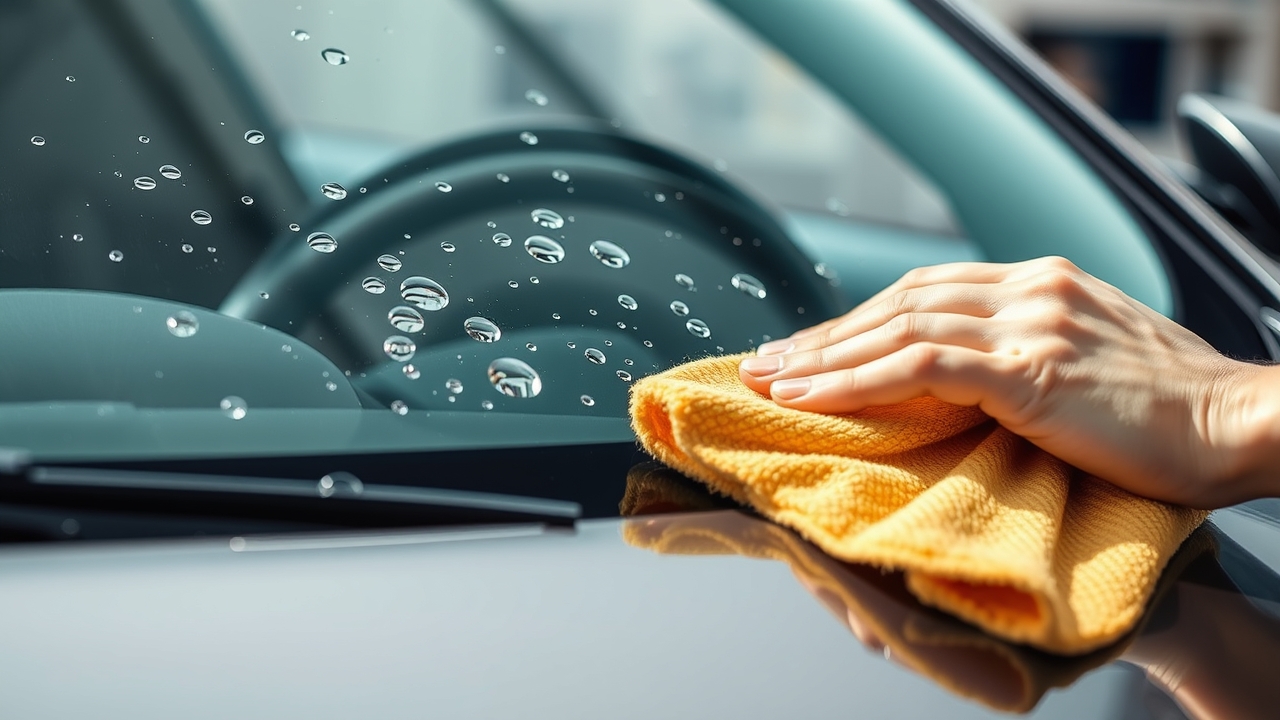
How to Remove Hard Water Spots from Car Glass Effectively with NOMA 911 – 2026 Guide
How to Remove Hard Water Spots from Car Glass Effectively with NOMA 911 – Complete Guide
Hard water spots on car glass are a problem nearly every car owner runs into. Those hazy white spots not only make a car look less polished, but they also directly affect driving visibility and safety. Removing hard water spots from car glass calls for a product that’s specialized, safe, and effective. NOMA 911 is a complete solution built on American technology, combining powerful stain removal with a long-lasting hydrophobic coating in one product.
According to auto maintenance experts, stains on glass are usually caused by hard water and mineral buildup, and if left untreated, they can hurt visibility and shorten the glass’s lifespan. NOMA 911 was designed to solve this problem quickly and safely.
What Are Water Spots on Car Glass, and Why Remove Them?
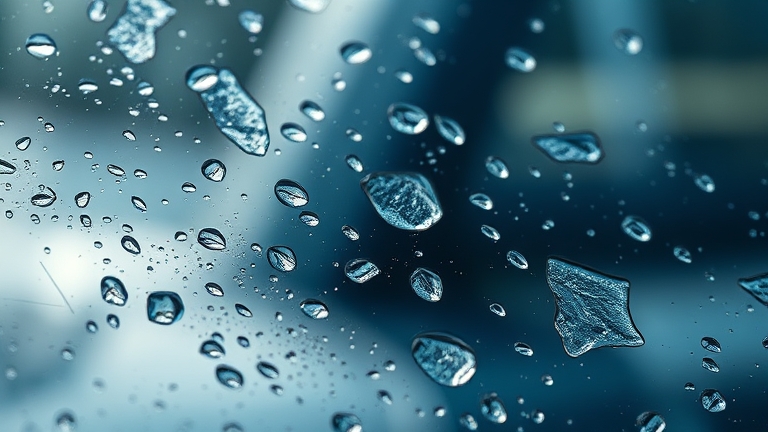
Water spots on car glass typically show up as hazy white or silvery-gray streaks. The main cause is rainwater or car-wash water containing minerals (calcium, magnesium) that settle onto the glass surface.
 What Are Water Spots on Car Glass, and Why Remove Them?
Left untreated, water spots will:
-
- Reduce glass clarity, affecting your driving visibility
-
- Increase light glare, especially dangerous at night
-
- Attract more dirt buildup, making cleaning even harder
-
- Cause long-term damage to the glass’s original protective coating
Removing water spots from car glass regularly helps maintain clarity, extends the glass’s lifespan, and keeps drivers safe. The key is choosing a product with a pH-neutral formula that won’t damage the glass or the surrounding trim.
NOMA 911 – The Ideal Solution for Removing Water Spots from Car Glass
NOMA 911 is a specialized product built on American technology to solve the problem of water spots on car glass. It combines two core functions: effective water spot removal and a long-lasting hydrophobic coating.
Standout benefits of NOMA 911:
-
- pH-neutral formula, completely safe for glass and surrounding trim
-
- Removes water spots from car glass quickly, no heavy scrubbing needed
-
- Leaves a hydrophobic coating that makes rain bead up and slide right off
-
- Easy to use at home, no special tools required
-
- Effects last 2-3 weeks depending on weather conditions
Compared to other water-spot removal products, NOMA 911 stands out for its pH-neutral formula. That means it won’t corrode glass or damage surrounding materials like plastic trim or rubber seals.
NOMA 911 vs. Competing Products
| Criteria | NOMA 911 | 3M Glass Cleaner | Sonax GlassCoat |
|---|---|---|---|
| pH formula | Neutral (safe) | Mildly alkaline | Mildly acidic |
| Stain removal power | ✓ Excellent | ✓ Good | ✓ Good |
| Hydrophobic coating | ✓ Yes (2-3 weeks) | – No | ✓ Yes (longer-lasting) |
| American technology | ✓ Yes | ✓ Yes | – German |
| Ease of use | ✓ Very easy | ✓ Easy | ~ Moderate |
| User safety | ✓ High | ✓ High | ✓ High |
| Price | Reasonable | High | High |
NOMA 911 delivers the best balance of effective water-spot removal, long-term glass protection, and a price point that works for everyday drivers.
Step-by-Step Guide: How to Remove Car Glass Water Spots with NOMA 911
Getting Ready
For the best results when removing water spots from car glass with NOMA 911, gather the right tools and set up proper conditions beforehand:
 NOMA 911 vs. Competing Products
Tools you’ll need:
-
- A bottle of NOMA 911
-
- 2-3 soft microfiber towels
-
- Cold water or distilled water spray
-
- pH-neutral car wash soap (optional)
-
- Rubber or nitrile gloves to protect your hands
Ideal conditions:
-
- Work early in the morning or in the evening (avoid direct sunlight)
-
- Glass should be clean, without heavy dirt buildup
-
- No rain or excessive humidity
-
- Park the car somewhere cool and shaded, not in direct heat
Check out our complete interior detailing kit for setting up the best conditions for your cleaning session.
Step-by-Step Instructions
Step 1: Wash and dry the glass
Use cold water and a clean cloth to wash the car glass, removing loose dirt and grime. Then dry it completely with a soft microfiber towel. Dry glass is essential for NOMA 911 to work at maximum effectiveness.
Step 2: Spray NOMA 911 onto the glass surface
Spray NOMA 911 evenly across the entire area you’re treating. You don’t need to use a lot — just enough to dampen the surface. Let it sit for a few minutes so the product can soften the mineral deposits.
Step 3: Wipe gently with a microfiber towel
Use a clean microfiber towel to wipe gently, without heavy pressure. Slow, circular motions help NOMA 911 work most effectively. For stubborn stains, let the product sit an additional 30-60 seconds before wiping again.
Step 4: Check and do a final dry wipe
Check whether the stains have been fully removed. If not, repeat steps 2-3. Once the glass is clean, use a dry towel to wipe it completely dry so NOMA 911’s hydrophobic coating bonds properly with the glass surface.
Usage Tips
- Avoid contact with your face and eyes while using the product
- Use in a well-ventilated area or outdoors
- Do not mix NOMA 911 with other products
- Store in a cool place, away from direct sunlight
Results After Using NOMA 911 to Remove Water Spots from Car Glass
Before using NOMA 911:
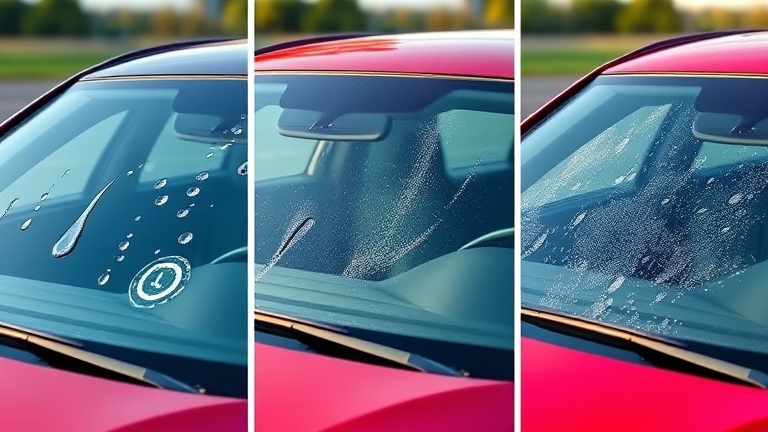
Car glass covered with hazy white spots and dried water streaks, blurring visibility. This is especially dangerous at night when oncoming headlights create glare. This condition typically persists for 1-2 weeks if left untreated.
After using NOMA 911:
The glass looks clear again, like new — water spots vanish completely. The hydrophobic coating makes rain and wash water bead up and slide right off without leaving marks. Driving visibility improves noticeably, and the glass looks glossy and safer to drive with.
This effect typically lasts 2-3 weeks, depending on how much rain and what weather conditions you’re dealing with. For best ongoing results, treat your car glass with NOMA 911 about once a month.
Additional NOMA Products for Complete Glass Care
Beyond NOMA 911 for water spot removal, you may also want to pair it with other products for complete car glass care:
- NOMA 310: Prevents window fogging and water streaking, adds an extra hydrophobic layer
- NOMA 250: Restores faded plastic trim around windows and door panels
- NOMA 668: Eliminates interior odors, keeps your cabin smelling fresh
For more on glass care, check out our detailed guide to pH-neutral glass solutions to better understand how to protect your glass over the long run.
Frequently Asked Questions About Removing Water Spots from Car Glass
How often should you remove water spots from car glass?
How often you need to treat your glass depends on weather conditions and how much you drive. In areas with frequent rain, treat the glass every 3-4 weeks to keep it clear. If your car is often parked outdoors or driven a lot on the highway, you may need to treat it more often.
 Frequently Asked Questions About Removing Water Spots from Car Glass
Is NOMA 911 safe for all types of car glass?
NOMA 911 is completely safe for every type of car glass: standard glass, tinted glass, electric-defrost glass, and premium laminated glass. Its pH-neutral formula won’t corrode or break down glass coatings. That said, if your tint has a special laminate coating, it’s worth checking with your tint shop before using it.
Do you need to wash the car before using NOMA 911?
Yes, it’s a good idea to wash the car first, especially if the glass has a lot of dust, rainwater, or debris on it. This lets the product make direct contact with the water spots for maximum effectiveness. If the glass is only lightly wet from rain, you can simply dry it off and use NOMA 911 right away.
Does NOMA 911 work on glass that’s already scratched?
NOMA 911 removes water spots from car glass, but it can’t fill in deep scratches. If the glass has significant scratches, you’ll need to replace it or use a dedicated scratch-repair product. That said, NOMA 911 will still clean around scratches and improve overall visibility.
Can NOMA 911 be used on other surfaces like mirrors or plastic trim?
NOMA 911 is specifically formulated for car glass. Mirrors have a different structure, so it’s best avoided there. It can be used on plastic trim, but with reduced effectiveness. For restoring faded plastic trim around windows, use NOMA 250 instead.
How long after using NOMA 911 should you wash the car?
After using NOMA 911, it’s best to wait 24 hours before washing the car, so the hydrophobic coating has time to fully dry and bond with the glass surface. Washing too soon will reduce the coating’s effectiveness.
Conclusion
Removing water spots from car glass is an important part of at-home car care. NOMA 911 is an effective, safe, and affordable solution for keeping your glass clear, extending its lifespan, and keeping you safe on the road. With its pH-neutral formula built on American technology, NOMA 911 works for every type of glass and every kind of driver.
Start taking care of your car’s glass today with NOMA 911, and feel the difference — glossy glass and clear visibility on every drive.
References