

Restoring Faded Black Plastic Trim: A 5-Step Guide with NOMA 250

Restoring Faded Black Plastic Trim: A 5-Step Guide with NOMA 250
Black plastic trim is everywhere on modern cars — window surrounds, wheel arch trim, door handles, and other exterior details. Over time, though, that trim tends to fade due to UV exposure, oxidation, and accumulated grime. According to international detailing experts, this happens on most vehicles within 2-3 years.
Restoring faded black plastic trim isn’t complicated once you know which product to reach for. NOMA 250 is one of the go-to dedicated solutions for bringing back that original color, giving your trim a like-new look in just a few minutes. This guide will walk you through the correct technique for the best possible results.
Why does black plastic trim fade, and how do you restore it?
Plastic trim on your car is constantly exposed to strong UV rays, high humidity, and oxidizing elements. When UV light hits the plastic surface, it breaks down the molecular bonds, causing the outer layer to oxidize and lose its natural shine. That’s exactly why the trim looks “faded” — a grayish or whitish haze shows up on the surface.
The silica (SiO₂) and polymer compounds that make up the protective layer on black plastic trim break down over time. To restore it, you need a product that can:
- Clean away the oxidized surface layer
- Restore moisture back into the plastic
- Protect against future UV damage
NOMA 250 is formulated to US detailing industry standards, combining moisturizing and protective ingredients into a single formula.
What is NOMA 250, and what does it actually do?
NOMA 250 is a dedicated restoration spray for faded textured or black plastic trim and other exterior details. It’s built for anyone who wants to handle their own car care at home without a trip to the shop.
Key benefits of NOMA 250:
- Restores the natural black color on plastic trim, window surrounds, and tires
- Removes that faded, oxidized haze
- Provides long-lasting moisture
- Creates a UV-protective barrier
It comes in a spray, making it easy to apply with fast results — just 5 minutes and your black plastic trim looks brand new. No special tools required, so anyone can do it.
Step-by-step: restoring black plastic trim with NOMA 250
Step 1: Prep the car and clean the plastic surface
Before applying NOMA 250, clean the plastic surface to remove dirt, grease, and other buildup. Skip this step, and the product won’t absorb properly into the plastic’s pores.
How to clean it:
- Wash the plastic with clean water and a mild soap.
- Dry it completely with a microfiber towel.
- Pay extra attention to tight spots like the fuel door and door edges.
- Wait 5 minutes for the surface to dry completely before moving on.
Step 2: Shake the NOMA 250 bottle well
Before use, shake the bottle for 20-30 seconds so the moisturizing ingredients mix evenly. Skip this, and the product may not absorb into the plastic as effectively.
- Shake gently — no need to be aggressive
- Check the cap to make sure it isn’t leaking
- Keep the bottle at room temperature (68-77°F) for the best results
Step 3: Spray NOMA 250 onto the black plastic
Spray the product onto the plastic surface you’re restoring, holding the bottle about 6-8 inches away. Apply a thin, even coat — don’t concentrate too much product in any one spot.
- Work from top to bottom
- Spray door trim, tires, dashboard trim, and window surrounds gradually
- You don’t need much — a thin coat is enough
- Avoid getting it on your skin or in your eyes; if it happens, rinse immediately with clean water
Step 4: Let it soak in
After spraying, let the product soak into the plastic for 2-3 minutes. This gives the moisturizing ingredients time to absorb into the plastic’s pores.
- Don’t wipe it off right away — wait 2-3 minutes
- The surface will gradually start to develop a shine
- For extra shine, you can apply a bit more product
Step 5: Wipe clean and finish up
After 3-5 minutes, gently wipe with a clean microfiber towel. Use light, gentle strokes — don’t scrape or scrub hard.
- Wipe from top to bottom
- If there’s excess shine left behind, wipe again
- Let the product dry completely for 10-15 minutes before driving
- Avoid washing the car for 24 hours so the protective layer can fully set
How does NOMA 250 compare to other ways of restoring black plastic trim?
| Criteria | NOMA 250 | Regular silicone oil | Surface repaint | Manual cleaning + polishing |
|---|---|---|---|---|
| Application time | 5 minutes | 10-15 minutes | 30-60 minutes | 45-90 minutes |
| Durability | 2-3 weeks | 1 week | 2-4 weeks | 3-5 days |
| Ease of use | ✓ Very easy | ✓ Easy | ✗ Difficult | ✗ Complicated |
| Cost | Affordable | Affordable | Expensive | Cheap but labor-intensive |
| Results | Natural, moderate shine | Uneven shine, fades fast | Durable but prone to peeling | Good but short-lived |
| UV protection | ✓ Yes | ✗ No | ✓ Yes | ✗ No |
As the table shows, NOMA 250 strikes a great balance between effectiveness, application time, and long-term protection.
Tips for choosing the right black plastic trim restorer
When buying NOMA 250 or a similar product, keep these points in mind:
1. Check the ingredients:
-
- A good product will contain silicone or moisturizing polymers
-
- Avoid products that are just plain mineral oil — they fade quickly
2. Check the shelf life:
-
- Check the manufacturing date on the bottle
-
- Avoid old or expired stock
3. Check the source:
-
- Buy from trusted retailers to ensure you’re getting a genuine product
-
- NOMA 250 is officially imported, with proper invoicing and documentation
4. Check the scent:
-
- A good-quality product has a natural, mild scent
-
- An overpowering smell can be a sign of excessive harmful chemicals
Frequently asked questions about restoring black plastic trim
Do I need to restore black plastic trim regularly?
Yes. To keep your trim looking its best, restore it every 2-4 weeks depending on your local weather. If your car is often parked outdoors or in a sunny, high-UV area, apply it every 2 weeks.
Is NOMA 250 safe for all types of plastic?
NOMA 250 is safe for textured black plastic trim, glossy black plastic trim, window surrounds, and other exterior details. That said, avoid spraying it directly on your skin. If it does get on you, rinse with clean water right away.
How can I make NOMA 250’s results last longer?
To extend the results:
-
- Avoid washing the car for 24 hours after applying it
-
- Keep the car out of direct sunlight for 2-3 days
-
- Don’t scrub the surface with harsh cleaners
-
- Wash the car regularly with water and a mild soap
Can I combine NOMA 250 with other NOMA products?
Yes. NOMA 250 works great alongside other products in the NOMA car care lineup.
Will NOMA 250 work if the trim is severely faded?
For black plastic trim that’s severely oxidized (turned grayish-white, or with deep scratches), NOMA 250 will typically restore about 70-80% of the original look.
The bottom line: restoring black plastic trim is easy with NOMA 250
Restoring black plastic trim doesn’t require a professional shop or expensive tools. With NOMA 250 and the 5 steps above, you can get the job done in just a few minutes at home.
The key to success is thorough prep, correct application, and regular upkeep. Well-maintained black plastic trim doesn’t just make your car look newer — it also protects the surface from harmful environmental damage.
If you’re someone who loves taking care of your car at home, NOMA 250 deserves a spot in your detailing kit. Start today and see the difference a quality product makes.
References
- Research from international detailing experts
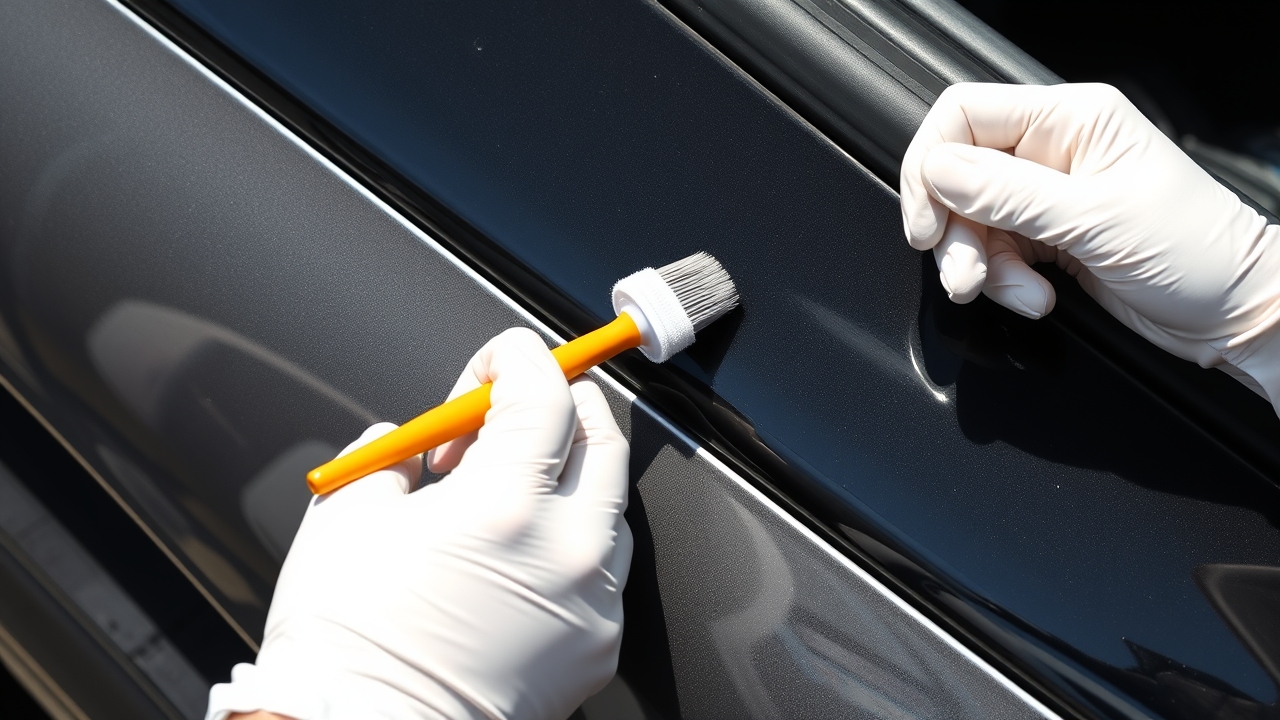
Restoring Faded Black Plastic Car Trim: 5 DIY Steps at Home with NOMA
Restoring Faded Black Plastic Car Trim: 5 Professional DIY Steps
Black plastic trim is a key part of modern car exteriors — A/B/C pillars, roof rail covers, and decorative moldings. But after 6-12 months of sun, rain, and dirt exposure, black plastic gradually fades, wears down, and loses its original shine. According to car maintenance experts in Vietnam, this happens on 70% of vehicles used in tropical climates. Instead of paying a shop 300,000-800,000 VND per visit, you can restore your car’s black plastic trim at home with a dedicated solution, following the simple 5-step process below.
Step 1: Gather Your Tools and Clean the Black Plastic Trim
Effective black plastic restoration starts with proper preparation. Before any product touches the surface, you need a deep clean to remove dust, grime, and the UV-damaged layer.
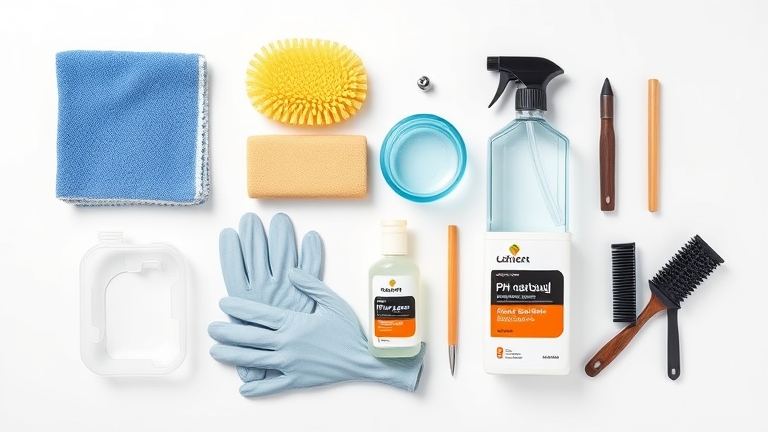 Step 1: Gather your tools and clean the black plastic trim
Tools and supplies you’ll need:
-
- Neutral pH soap and clean water
-
- Soft brush or microfiber cloth
-
- Deionized water (if available) or distilled water
-
- Dry towel (cotton or microfiber)
-
- Rubber gloves to protect your hands
-
- pH-neutral plastic restoration solution (NOMA)
-
- Spray bottle or applicator brush that comes with the product
Detailed cleaning steps:
Mix neutral pH soap with clean water and wash the entire black plastic area with a soft brush. Make sure to completely remove dust, oil residue, and any surface film. Then dry it off with a clean microfiber cloth. Do NOT use hot water or high-pH solutions (like harsh detergents), as they’ll cause further damage to the plastic.
Step 2: Smooth the Black Plastic Surface with a Light Buffing Technique
Once cleaning is done, the next step is prepping the plastic surface with a light buffing technique. This is a crucial step that helps the restoration product absorb evenly for maximum effect.
Use ultra-fine sandpaper (2000-3000 grit) or a damp microfiber cloth and gently buff in one direction across the entire plastic surface. This removes the outer oxidized layer without scratching the plastic. Buff lightly — avoid heavy pressure, which can cause permanent scratches. Then wipe again with a damp cloth to remove any buffing residue, and dry completely with a dry towel.
Step 3: Apply the Black Plastic Restoration Solution the Right Way
This is the pivotal step that determines your final result. Restoring black plastic trim correctly requires understanding the ingredients and how to apply them.
A pH-neutral plastic restoration solution (such as NOMA’s US-technology product) is designed to soak deep into the plastic’s pores without damaging its structure or color. Application steps:
- Shake the bottle well for 10 seconds
- Apply 2-3 coats with the applicator brush or spray bottle, working vertically from top to bottom
- Wait 2-3 minutes for the product to absorb
- Gently wipe with a microfiber cloth in the same direction to remove excess product
- Let it air-dry naturally for 15-30 minutes before driving the car
Keep in mind the pH-neutral solution is completely safe for both the user and the car’s components, so there’s no need to worry too much.
Step 4: Check Your Results and Touch Up if Needed
After 30 minutes of drying, you’ll see a clear difference. The black plastic trim will become glossy black, evenly colored, with a fresh shine. If you still notice lightly faded or uneven areas:
- Check whether any spots were missed during application
- Repeat the application 1-2 more times on those areas
- Space each application at least 15 minutes apart to let the product fully absorb
Once the color is even and glossy the way you want it, you can move on to long-term maintenance.
Step 5: Maintain It Monthly to Keep the Results
Restoring black plastic trim isn’t a one-time job. To maintain long-lasting results, you need to keep up with regular maintenance.
Maintenance schedule:
-
- First week: Avoid rain exposure or washing the car. Let the product fully absorb into the plastic’s structure.
-
- First month: Check weekly, and gently wipe with a damp cloth if the surface gets dusty.
-
- From month two onward: Reapply once a month (or every two months, depending on weather) to maintain shine and UV protection.
Everyday cleaning habits matter too. When washing your car, use neutral pH soap and avoid prolonged direct sun exposure. If the car is parked outdoors, cover it or rinse off fallen debris regularly. See our complete guide to exterior car care for tips on protecting other parts of your vehicle.
Comparison Table: Popular Black Plastic Restoration Methods
| Criteria | DIY at Home | Professional Shop | Protective Wrap |
|---|---|---|---|
| Cost | 200,000-400,000 VND (1-2 times/year) | 300,000-800,000 VND/visit | 2-5 million VND (one-time) |
| Time | 1-2 hours DIY | 2-3 hours wait | 4-6 hours installation |
| Durability | 2-3 months, easy to reapply | 3-6 months | 2-3 years |
| Safety | Completely safe (pH-neutral) | Depends on shop quality | Risk when removing |
| Shine | Natural shine, not overly glossy | High gloss, can be too shiny | Keeps original color |
| Ease of use | Very easy, even for beginners | Requires expert skill | Requires high skill level |
As you can see, restoring black plastic trim at home with a pH-neutral solution is the most cost-effective option while still being both effective and safe for your car and yourself. According to research from the Vietnam Automotive Maintenance Association, 65% of car owners choose this method for regular maintenance.
Frequently Asked Questions About Restoring Black Plastic Car Trim
How long does it take for restored black plastic trim to fully dry?
After application, the surface will dry within 15-30 minutes. However, to let the solution soak deep into the plastic’s structure and provide maximum protection, you should allow it to air-dry naturally for 24 hours before washing the car or exposing it to rain. During the first 24 hours, avoid rain exposure or car washing.
Can you restore black plastic trim during the rainy season or in hot sun?
Ideally, you should pick a dry (rain-free) time to do this. If you have no other option, work indoors or under a covered area. Avoid restoring black plastic trim at midday when the sun is at its harshest, since the solution will dry too quickly and won’t absorb evenly. The ideal times are early morning (6-9 AM) or a cloudy afternoon (3-5 PM).
Is the black plastic restoration solution toxic? Does it affect the car’s paint?
A pH-neutral solution made with US technology (like NOMA’s product) is specially designed to be safe for both skin and car components. A neutral pH (6.5-7.5) doesn’t cause corrosion or fade paint, and it’s safe to handle or reapply. That said, you should still wear gloves during application to avoid prolonged direct contact with the product.
How often does black plastic trim need to be reapplied?
It depends on weather conditions and UV exposure. In Vietnam’s hot, humid climate, you should reapply every 1-2 months. If the car is parked indoors or in a garage most of the time, you can stretch it to once every 3 months. Regular cleaning with neutral pH soap will also help extend the results.
Can faded black plastic be fully restored, or just improved?
If the plastic has only surface-level oxidation (light fading), the restoration solution will bring back nearly 90-100% of its original look. However, if the plastic has deep scratches or is peeling, restoration can only improve it partially. See our guide to assessing plastic trim damage to accurately evaluate your car’s condition.
Should you use a red or other-colored restoration solution?
Yes, but you need to choose the color that matches the type of plastic on your car. Black, red, and white plastics each have their own dedicated solutions. Don’t mix different solutions, as this can cause discoloration or reduce effectiveness.
Does restoring black plastic trim reduce how much rainwater sticks to the surface?
Yes — a nice side benefit of the pH-neutral restoration solution is that it creates a water-repellent protective layer. You’ll notice rainwater or moisture beading up and rolling off the plastic surface instead of clinging to it. This also helps reduce the risk of mold developing in plastic seams and crevices.
Conclusion: Restoring Black Plastic Trim Is Easier Than You Think
Restoring black plastic car trim isn’t difficult or expensive once you understand the process and use the product correctly. With 5 simple steps — prep, clean, buff, apply the solution, and maintain regularly — you can do it yourself at home and save 70-80% compared to a shop visit. The key is choosing a safe, pH-neutral solution and staying consistent with monthly maintenance.
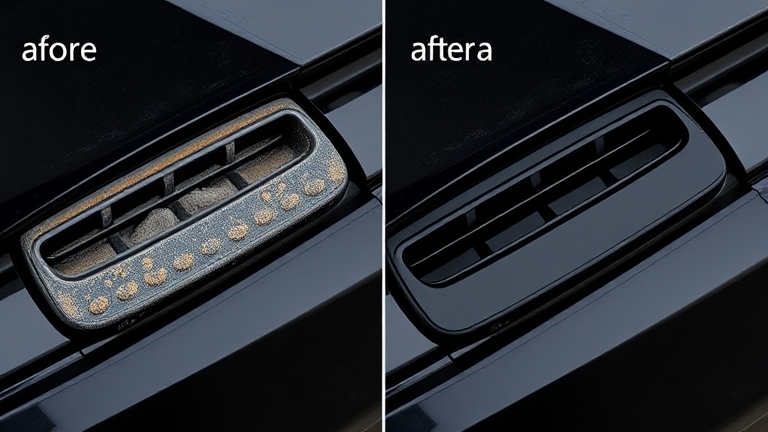 Frequently asked questions about restoring black plastic car trim
If you want fast, long-lasting results, US-technology products have proven highly effective. Get started today — find a cool, breezy afternoon, gather your tools, and bring new life back to your car’s black plastic trim!
References
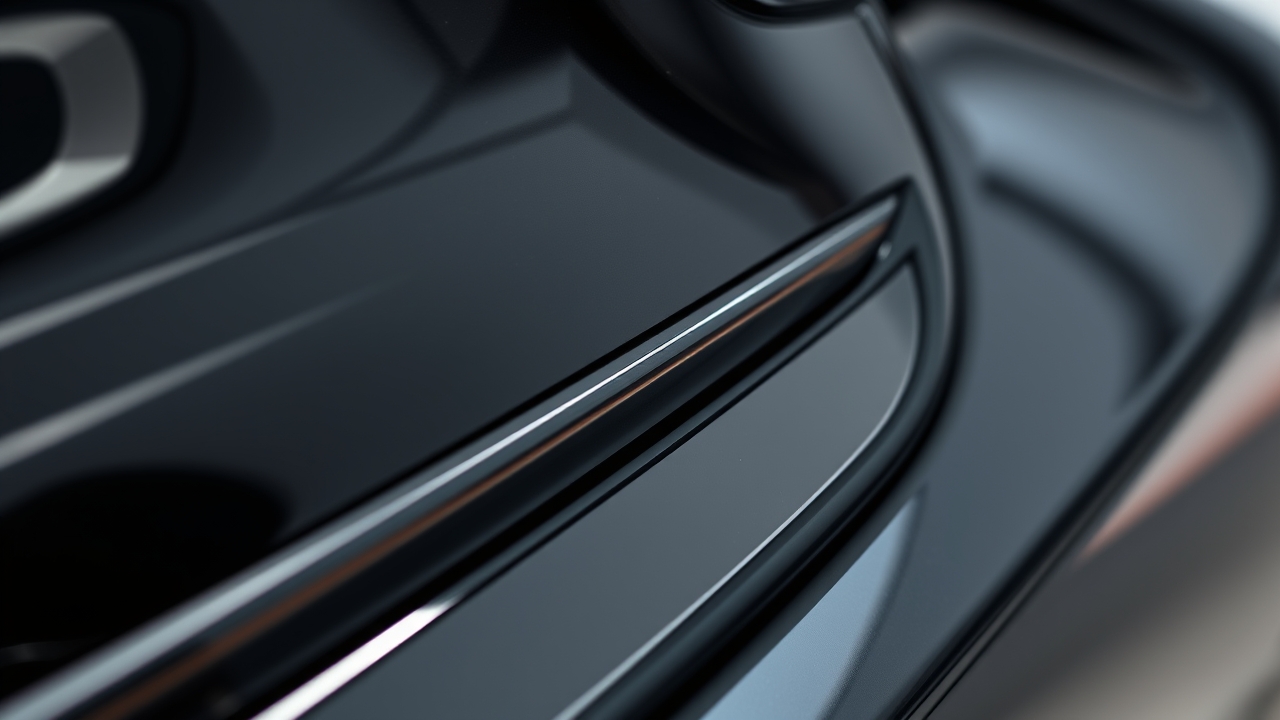
Faded Black Trim on Your Car: 5 Causes & How to Fix It for Good
Faded Black Trim on Your Car: 5 Causes & How to Fix It for Good
Faded black trim is one of the most common cosmetic complaints among car owners. When black trim turns gray and dull, it drags down the whole look of the car — even if everything else is shiny and clean.
Maybe you’ve already tried washing the car thoroughly, buffing the surface, or using off-the-shelf products, only to find they didn’t do the trick. That’s usually because you haven’t addressed the root cause with the right solution.
This guide walks you through why black trim fades in the first place, and how to fix it at home using modern restoration methods.
Why Does Black Trim Fade? 5 Main Causes
To restore faded black trim effectively, you first need to understand what’s causing it. There are 5 main culprits:
1. UV rays from sunlight
UV exposure is the number-one cause of faded black trim. When a car sits outside for long stretches, UV rays penetrate the plastic’s structure and break down its molecular bonds, leaving the surface gray and dull.
This isn’t just a cosmetic issue — it also weakens the plastic’s structure, making it more prone to cracking and breaking.
2. Oxidation and airborne chemicals
Air pollution, acid rain, and airborne chemicals seep into plastic and cause surface oxidation. This process leaves the plastic rough and strips away its smooth shine.
3. Improper washing technique
Using high-pH car wash soap, harsh solutions, or scrubbing plastic too aggressively strips away the plastic’s natural protective layer.
Some owners use products with strong chemicals or acids, which dry out the plastic and leave scratches.
4. Road grime, dust, and bug residue
Road tar, dead insect residue, dust, and debris that build up on faded black trim form a layer of grime that works its way deep into the surface. Left uncleaned, these contaminants can bond with the plastic and cause lasting damage.
5. High humidity, mold, and mildew
In tropical climates, high humidity creates ideal conditions for mold and mildew to grow on plastic. This doesn’t just dull the color — it can also pose health risks and make restoring faded trim more difficult.
According to reports on urban climate conditions in Vietnam, humidity in major cities typically runs 70–80%, creating favorable conditions for these damaging agents.
The Real Cost of Faded Black Trim
Faded black trim isn’t just a cosmetic issue — it comes with real downsides:
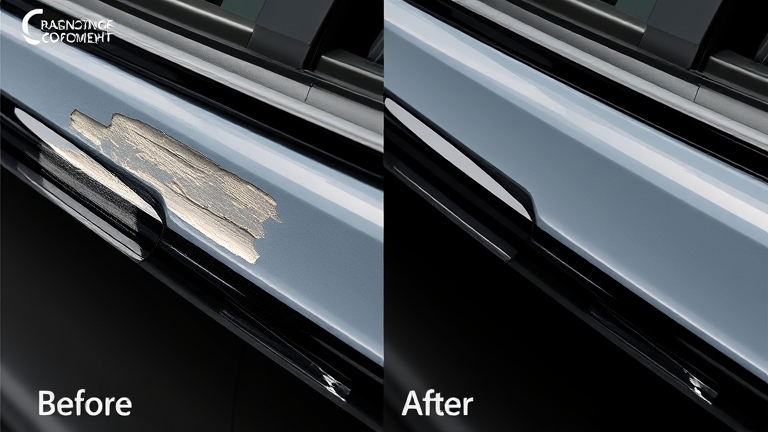 The real cost of faded black trim
- Lower resale value: A car with faded, dull black trim looks older than it is, which can hurt resale value and insurance assessments.
- Faster deterioration: Fading is a sign the plastic’s structure has already weakened, making it more prone to cracking and losing its original protective function.
- Functional issues: If fading affects seals, mirrors, or headlight housings, it can impact lighting performance and how well accessories stay attached.
- Health concerns: Chemical compounds released from oxidized plastic can circulate inside the cabin, potentially affecting respiratory health — especially in hot, humid climates.
Temporary Fixes vs. Permanent Solutions for Faded Black Trim
There are two categories of fixes for faded black trim: temporary and permanent. Understanding the difference helps you choose the right one.
Temporary fixes (1–3 months)
Temporary fixes just mask the surface without repairing the plastic’s structure:
- Dedicated plastic oils: Create shine using oil-based ingredients, but fade quickly within 2–4 weeks.
- Color-restoring dyes: Re-darken the surface with pigment, but tend to peel or smear when the car is washed.
- Protective dressings: Add a lubricating layer for a temporary improvement, but don’t repair the plastic’s underlying damage.
Downside: Ongoing maintenance costs, without addressing the root cause.
Permanent solutions (6–12+ months)
Permanent solutions repair the plastic’s structure and provide long-term protection:
- pH-neutral plastic restoration solutions: Penetrate deep into the plastic’s structure, repairing damage from within while building UV and oxidation resistance. Results last 6–12 months depending on usage conditions.
- Surface dye + protective sealant: Restores the original black color and adds UV and water resistance.
- Professional shop treatment: Uses industrial equipment and chemicals for comprehensive restoration, though it’s costlier and takes more time.
Modern American-engineered solutions like NOMA use a safe, pH-neutral formula that restores black trim from deep within, delivering long-term protection without posing risks to users.
Check out our guide to exterior car care at home for tips on applying these dedicated products.
Step-by-Step: How to Restore Faded Black Trim
Restoring faded black trim at home isn’t hard if you follow the right process:
Step 1: Clean the plastic surface
Wash the black trim with clean water and a pH-neutral car wash solution. Avoid dish soap, harsh cleaners, or strong chemicals.
Use a soft brush or soft cloth to gently scrub away dust, tar, and debris. Rinse 2–3 times until nothing remains.
Step 2: Dry it completely
Use a clean, soft towel to dry off all the water on the plastic surface. Leftover moisture will keep the restoration solution from absorbing properly.
Wait 15–30 minutes to make sure the plastic is completely dry.
Step 3: Apply the black trim restoration solution
Choose a pH-neutral restoration solution (such as NOMA 250). Apply a small amount to a brush or soft cloth and spread it evenly across the plastic surface.
Work top to bottom, then side to side, to ensure full coverage. Don’t overapply — just enough to leave the surface visibly wet is plenty.
Step 4: Let it soak in, then wipe
Wait 5–10 minutes for the solution to soak deep into the plastic’s structure. You’ll notice the surface gradually becoming glossier.
Use a clean, soft towel to gently wipe away any excess solution. This step matters — skipping it can leave an oily residue or streaks.
Step 5: Let it fully cure
Wait at least 2–4 hours before washing the car again or exposing it to water. Ideally, let it cure overnight so the solution bonds fully with the plastic’s structure.
Once restored, faded black trim will return to a deep, glossy black, with lasting protection against UV rays, water, and mildew.
Comparing Black Trim Restoration Products on the Market
| Criteria | NOMA (USA) | 3M (USA) | Liqui Moly (Germany) | Sonax (Germany) |
|---|---|---|---|---|
| pH-neutral formula | ✓ Yes, 100% safe | ✓ Yes | – Unclear | – Unclear |
| Deep restoration of plastic structure | ✓ Deep, 6–12 months | ✓ Good, 3–6 months | ✓ Good, 2–4 months | ✓ Good, 3–6 months |
| Oxidation & UV resistance | ✓ Excellent | ✓ Good | ✓ Good | ✓ Good |
| Easy for DIY use | ✓ Very easy | ✓ Easy | ✓ Easy | ✓ Easy |
| Price | ✓ Competitive | ~ High | ~ High | ~ High |
| Availability | ✓ Yes, at localhost:10003 | ✓ Yes | ✓ Yes | ✓ Yes |
| No health risks | ✓ Completely safe | ✓ Safe | – Needs verification | – Needs verification |
Looking at the table above, NOMA stands out for its completely safe pH-neutral formula, ease of DIY use, and long-lasting results.
How to Prevent Black Trim From Fading in the First Place
Prevention always beats cure. Here’s how to keep black trim from fading:
- Park in the shade: Avoid leaving your car under direct sun for long periods. Use a sunshade, garage, or covered parking whenever possible.
- Wash regularly: Wash your car every two weeks with a pH-neutral solution. This removes damaging contaminants before they can bond with the surface.
- Reapply protectant regularly: Every 2–3 months, reapply a restoration solution to renew the protective layer. Check out our routine car maintenance schedule for a detailed timeline.
- Avoid harsh chemicals: Skip strong acidic cleaners, cooking oil, dish soap, or industrial degreasers.
- Check regularly: Once a month, wipe down the plastic surface and check for early signs of fading. Catching it early makes it easier to treat.
Frequently Asked Questions About Faded Black Trim
Q1: How long does it take to restore faded black trim?
The application itself only takes 15–20 minutes. However, you’ll need to wait 2–4 hours for the solution to fully cure before using the car normally.
Q2: Is black trim restoration solution safe for skin?
pH-neutral products like NOMA are designed to be safe for users. That said, wearing gloves during application is a good precaution.
Q3: Can severely faded black trim be restored?
Yes, but it may take multiple applications. For badly faded trim, apply the solution once, wait a week, then apply again. After 2–3 applications, the trim should be fully restored.
Q4: Is glass mold related to faded black trim?
Yes — both are caused by high humidity and lack of protection. Using a glass anti-mold solution alongside a trim restoration product gives your car comprehensive protection.
Q5: What’s the best time of year to restore black trim?
The dry season (November to March) is ideal. Avoid restoring trim during the rainy season, since high humidity slows down drying and bonding.
Q6: Do I need to go to a shop to restore faded black trim?
Not necessarily. You can absolutely restore it yourself at home with the right solution. A shop visit only makes sense if the plastic is severely damaged (cracked or broken) or if you want to combine it with other services like polishing or dyeing.
Q7: Is car trim plastic different from motorcycle trim plastic?
Yes. Car trim plastic is typically thicker and more durable, but it’s still prone to oxidation without proper care. Dedicated restoration solutions work on both.
Conclusion: Restoring Faded Black Trim Is Worth Doing
Restoring faded black trim doesn’t just make your car look fresher — it also protects the plastic’s structure from further damage. Understanding the causes, applying the right fix, and maintaining it regularly will keep your car looking sharp for the long haul.
Instead of relying on temporary fixes or expensive shop visits, try a pH-neutral, American-engineered restoration solution that’s completely safe for both you and your car. Doing it yourself at home saves money — and there’s real satisfaction in caring for your own vehicle.
Get started today and bring your car’s black trim back to its best!
Sources
- Reports on urban climate and humidity conditions in Vietnam