Restoring Faded Black Plastic Trim on Your Car: A Detailed Guide with NOMA 250
Black plastic trim on a car — door handles, window surrounds, mirror housings, or rear bumpers — tends to fade and turn a chalky gray over time. This happens due to UV exposure, rain, sun, and stubborn grime that builds up over the months. To restore faded black plastic trim effectively, you need a dedicated solution that’s safe for your car.
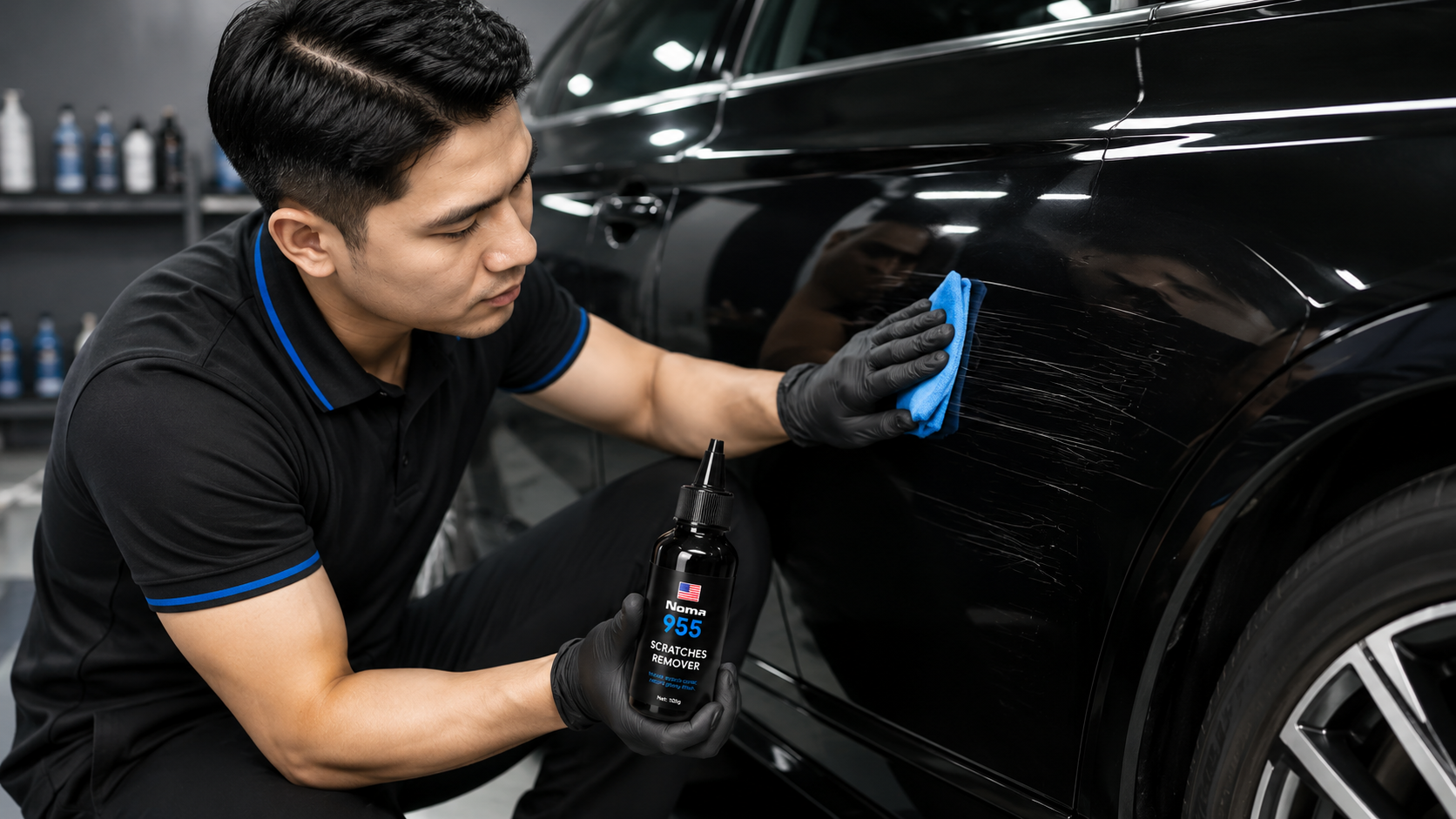
NOMA 250 is a US-technology car care product designed specifically to restore faded textured/black plastic trim. With its pH-neutral formula, it’s completely safe for your car’s surfaces and your skin, and it delivers fast results without any professional equipment.
This article walks you through, step by step, how to use NOMA 250 to restore faded black plastic trim and get the best, longest-lasting results.
Why Does Black Plastic Trim Fade, and How Do You Fix It?
Black plastic trim on cars is usually coated or molded from polypropylene compounds. According to a report from Vietnam’s Ministry of Information and Communications, UV rays from the sun are the primary cause of color degradation in plastic materials, leading to fading.
When plastic fades, the surface loses its natural sheen and starts to look worn and aged. This doesn’t just hurt the car’s looks — it makes the whole vehicle appear lower quality than it actually is.
Few people realize that restoring faded black plastic trim isn’t hard at all if you have the right product. You don’t need to visit a garage — you can do it yourself at home with NOMA 250 in about 15-20 minutes.
Alongside NOMA 250, you might also want to check out other car paint care products for complete protection of your vehicle.
Prepping Before You Restore Faded Black Plastic Trim
The first step to getting great results when restoring faded black plastic trim is thorough preparation. This is the prerequisite that determines the success of the entire process.
Tools and materials you’ll need:
- A bottle of NOMA 250 (plastic restoration solution)
- Clean, lint-free cotton cloths
- Water for rinsing (cold or warm)
- Mild soap or car cleaning solution
- Soft brush (optional, for cleaning the surface)
- Dry towel
- Protective gloves (recommended)
First, thoroughly clean the black plastic area you plan to restore. Wash it well with water and soap, and dry it completely before you start.
It’s essential that the surface is completely dry. If it’s still damp, NOMA 250 won’t bond properly with the plastic, which will affect how well it restores the faded black plastic trim.
Pick a suitable time to do this work. Avoid restoring black plastic trim in harsh sun or right before rain, as this will affect your results.
Step-by-Step Guide: Using NOMA 250 to Restore Faded Black Plastic Trim
Once you’ve finished prepping, start the process of restoring faded black plastic trim with NOMA 250. This is the most important stage, and it calls for focus and patience.
Step 1: Check and shake the product well
First, shake the bottle of NOMA 250 for about 30 seconds to blend the ingredients evenly. This is crucial to make sure the formula works at its best when restoring faded black plastic trim.
Open the cap and make sure the product hasn’t separated or changed color. If you notice anything unusual, check the manufacturing date.
Step 2: Apply NOMA 250 to a cloth
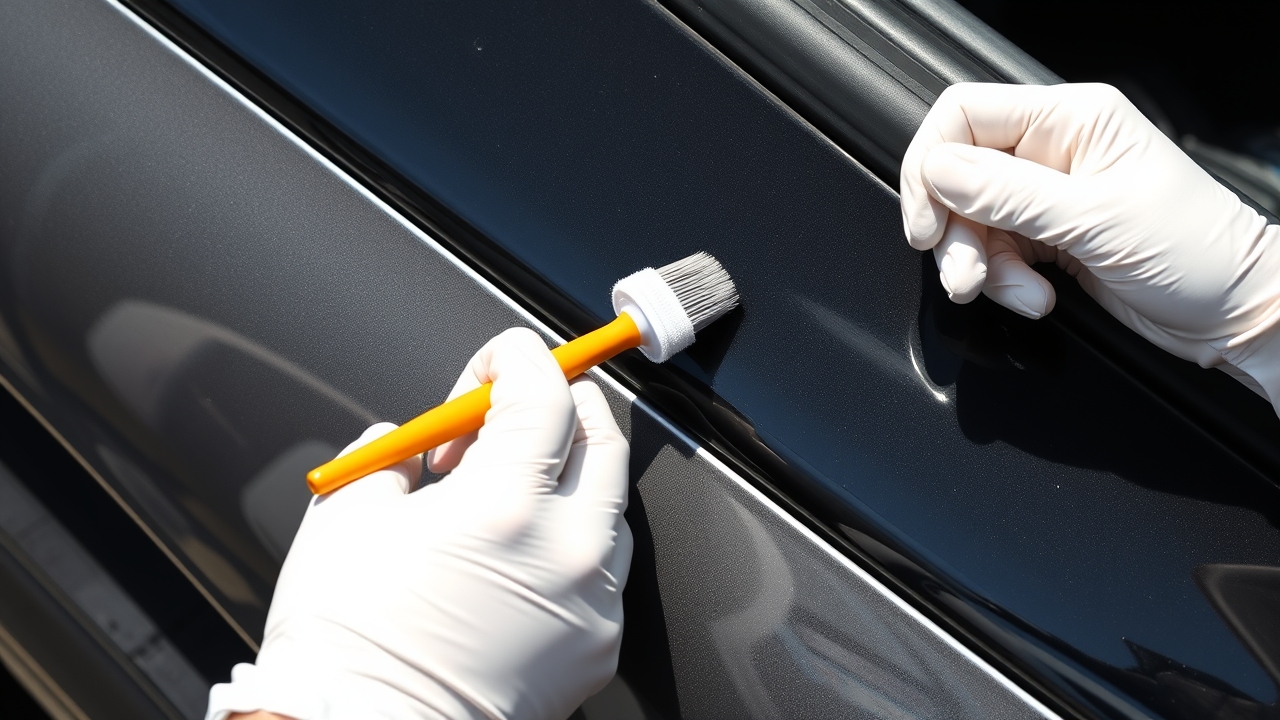
Set aside 1-2 clean cotton cloths for applying NOMA 250. You don’t need much product — just enough to dampen the cloth is plenty.
Make sure the cloth isn’t too wet, since the product could run onto areas you don’t want to treat when restoring faded black plastic trim.
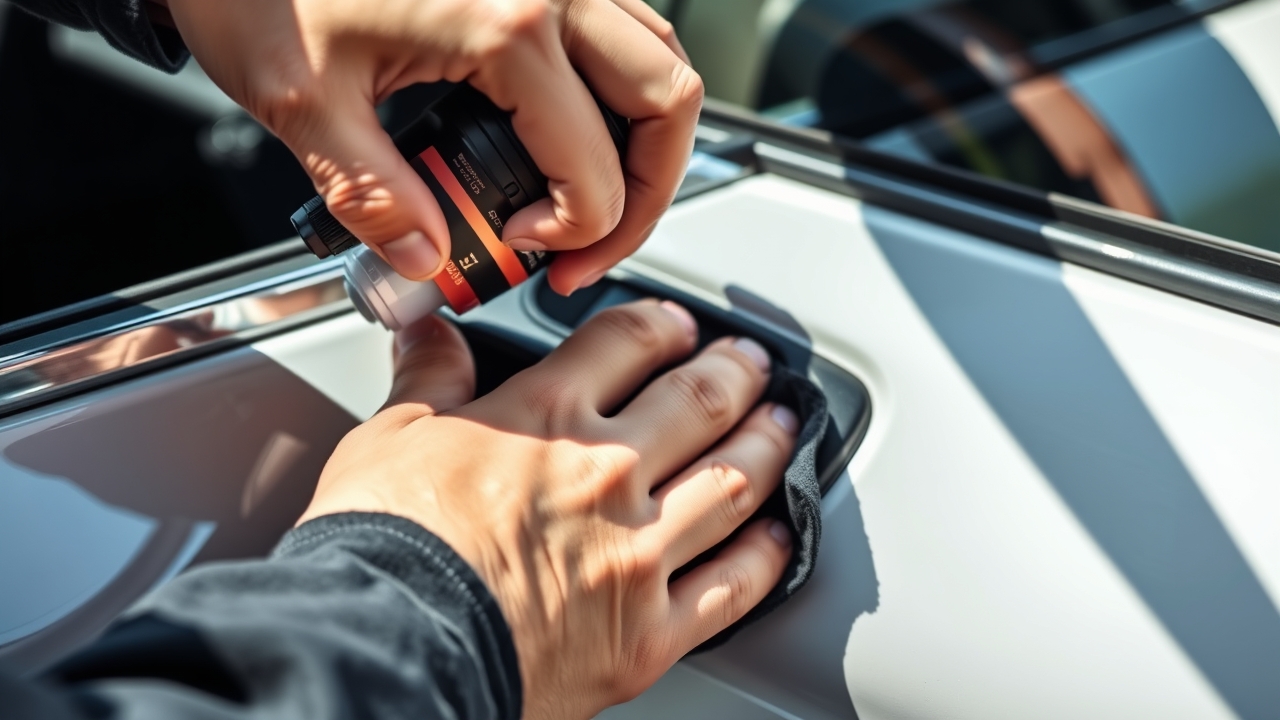
Step 3: Rub the product in circular motions
Start rubbing NOMA 250 onto the faded black plastic surface using slow, even circular motions. Use moderate pressure — not too hard, to avoid streaking.
For black plastic trim, work slowly so the product soaks deep into the surface. Keep rubbing for 2-3 minutes on each small section.
Step 4: Let the product air-dry naturally
After applying, let NOMA 250 dry naturally for 10-15 minutes. Don’t wipe it off right away — the product needs time to form a protective layer on the plastic surface.
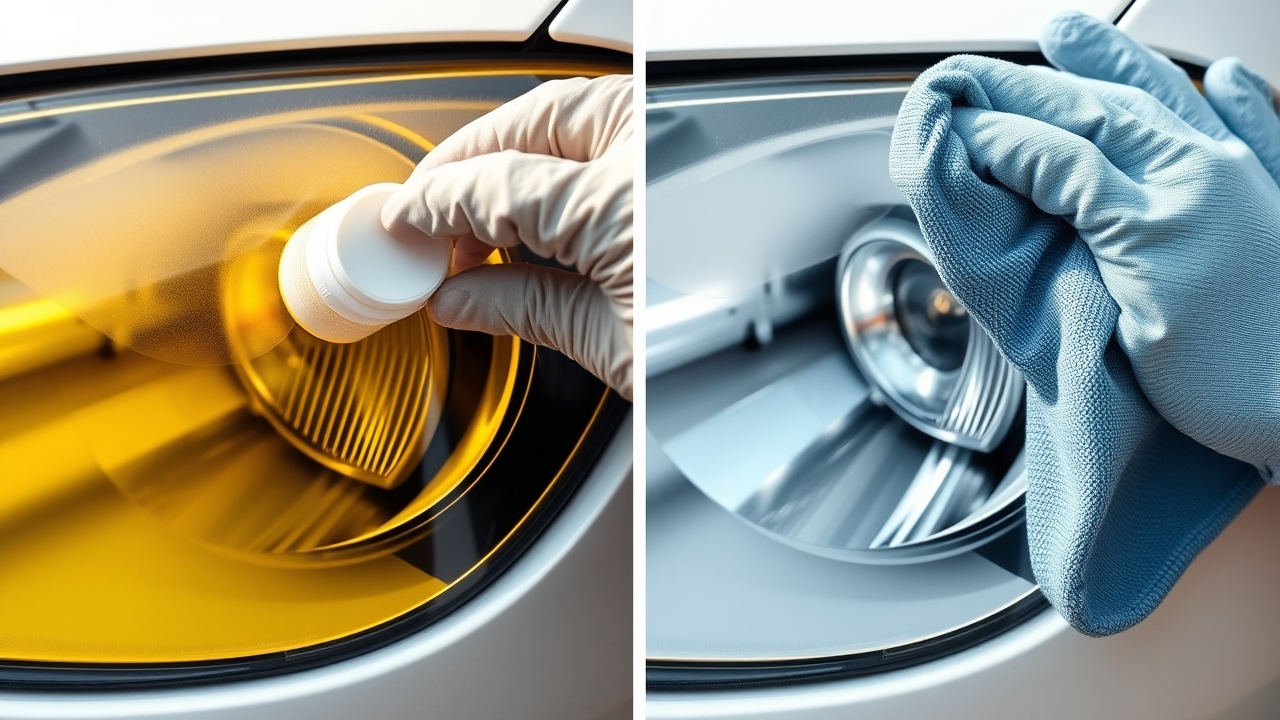
You’ll notice the black plastic surface gradually becoming glossier, with the color returning to nearly like new.
Step 5: Gently wipe to finish
Once it’s dry, use a clean cloth to gently wipe away any excess product. Use light, circular wiping motions to avoid streaks.
The end result will be fully restored black plastic trim, looking glossy and like new.
Comparison Table: NOMA 250 vs. Other Black Plastic Restoration Solutions
| Criteria |
noma 250 |
typical competitors |
commercial solutions |
| Manufacturing technology |
US technology |
Unclear origin |
Asian technology |
| Safe, pH-neutral |
✓ Yes |
⚠ Not specified |
⚠ Can cause damage |
| Drying time |
10-15 minutes |
20-30 minutes |
15-25 minutes |
| Long-lasting effect |
✓ High, 2-3 months |
– Low, 3-4 weeks |
– Average, 1-2 months |
| Easy to use at home |
✓ Very easy |
⚠ Needs instructions |
✓ Easy |
| Price |
✓ Reasonable |
– Usually cheaper |
✓ Average |
The table above clearly shows that NOMA 250 stands out for safety and long-lasting results when restoring faded black plastic trim.
Tips for Protecting Your Results After Restoring Black Plastic Trim
Once you’ve successfully restored your faded black plastic trim, you need to protect the results so they last as long as possible.
Avoid direct sunlight for the first 24 hours. If possible, park the car in a garage or covered area so NOMA 250 can dry completely and form a solid protective layer.
Clean regularly with mild soap. Give it a gentle wash once a week with warm water and car soap. Avoid harsh chemicals or acidic cleaners, as they’ll strip away the restoration effect on the black plastic.
Add extra protection with a dedicated product. You can also look into exterior car protection products to boost the durability of your restored black plastic trim.
Repeat the process periodically. Depending on weather conditions and usage, you should repeat the black plastic restoration process every 2-3 months to maintain the best results.
Frequently Asked Questions About Restoring Black Plastic Trim
Is restoring black plastic trim safe for my car’s paint?
Yes, NOMA 250 is completely safe for your car’s paint. This US-technology product is formulated with a special pH-neutral formula that won’t corrode or darken the paint surface. It only acts on the plastic surface and doesn’t affect the surrounding paint.
How long does restored black plastic trim last?
If you restore your black plastic trim correctly with NOMA 250 and protect it consistently, the results will last 2-3 months. In harsh conditions (intense sun, heavy rain), you may need to repeat the process sooner. Regular protection will extend the life of the restoration.
Do I need special tools to restore black plastic trim?
No, you just need basic items like cotton cloths, water, and mild soap. NOMA 250 is designed to be easy to use at home without professional equipment or complex techniques.
Does restoring black plastic trim help increase a car’s resale value?
To some extent, yes. A clean car with glossy-looking black plastic trim makes a much better impression. While it won’t directly raise the sale price, it makes the car look fresher and higher quality, which positively influences a buyer’s decision if you’re looking to sell.
Is NOMA 250 suitable for all types of black plastic?
Yes, NOMA 250 was developed to restore faded textured/black plastic on any part of the car: doors, window trim, mirrors, bumpers, or other plastic components. The product works well on all common polypropylene plastics.
Conclusion
Restoring faded black plastic trim isn’t difficult at all if you have the right product and method. NOMA 250, with its advanced US technology, safe pH-neutral formula, and fast results, is the ideal solution for taking care of your car yourself at home.
By following the step-by-step guide above, you’ll successfully restore your faded black plastic trim in just minutes, with professional-looking results and no trip to the garage required. The results will last 2-3 months if you maintain consistent protection.
Try NOMA 250 today and discover the difference it makes for your favorite car. If you want to learn more about NOMA’s other car care products, visit the NOMA website to explore more complete care solutions for your vehicle.
References