Rats and mice tend to seek out damp, dark places to nest. That makes a car’s warm, enclosed engine bay an ideal hideout for these rodents. Rodents in your car aren’t just a hygiene problem — they can also damage the exhaust and other components, especially the wiring. To avoid these headaches, here are some simple, effective tips for keeping rodents out of your car.
Figuring out where rodents are getting into your car
|
Location
|
Signs to look for
|
|
Engine bay
|
A faint smell of urine or droppings when you stand near the car or pop the hood.
|
|
Engine compartment
|
Odd noises coming from the engine on a regular basis — rattling, scratching, or scurrying sounds.
|
|
Air filter
|
Debris or droppings showing up in the filter.
|
|
Wiring in the engine bay and elsewhere in the car
|
The car won’t start, headlights won’t turn on, the horn doesn’t work, and so on.
|
|
Seats
|
Chew marks, gnawing damage, paw prints, or droppings under the seats, often along with a sharp smell of urine.
|
10+ simple, effective tips for keeping rodents out of your car
Here are 10+ easy, effective tips you can use to keep these unwelcome rodents away and protect your car’s components from damage.
Use rodent-repellent bait tablets
Rodent bait is a go-to method plenty of drivers rely on. You can scatter these tablets anywhere in the car, and they kill rodents quickly once eaten. That said, the bait is fairly toxic, so families with young kids should think carefully before using it.
Regularly check and clean the engine bay
The engine bay is a favorite hideout for rodents, especially in cars that sit unused for long stretches. To keep rodents from getting in and causing damage, check and clean the engine bay regularly with a cloth, brush, or duster to clear away dirt and debris.
If you have a pressure washer on hand, give the engine bay a thorough rinse too. If you’re short on time, you can also take your car to a detailing shop to have the engine bay cleaned properly. Regular care like this clears out unpleasant odors, keeps the car clean, and discourages rodents from nesting inside.
Use a rodent-proof mesh cover
A rodent barrier is made from sturdy mesh and a metal frame, sized to wrap around the entire car and keep rodents from getting inside to nest. These covers come with a handy, secure fastening system — it only takes about a minute to unroll one and wrap it around the car, and you can trust it’ll stay put around the clock. Some versions are even up to 80 cm (about 31 inches) tall, sealing off every possible gap, so even a rodent that climbs onto the roof and works its way down can’t get in.
Use rodent-repellent essential oils
Ginger and peppermint oil both have a strong scent that rodents can’t stand. Soak a cotton ball in peppermint or ginger oil and tuck it into the engine bay or engine compartment. The scent of these natural oils will scare rodents off and keep them from making their way into your car.
Rodent-repellent sachets
Rodent-repellent sachets are typically made from natural, pungent ingredients like peppermint, cinnamon, black pepper, or red pine bark. These ingredients overwhelm a rodent’s sense of smell and touch, making them anxious and wary of the area where the sachet is placed. You can hang one of these sachets in the engine bay or under the hood, and it’ll stay effective for 8-12 months. Just keep in mind that you should clean the engine bay thoroughly before placing the sachet, so the scent can do its job as effectively as possible.
Use rodent-repellent spray
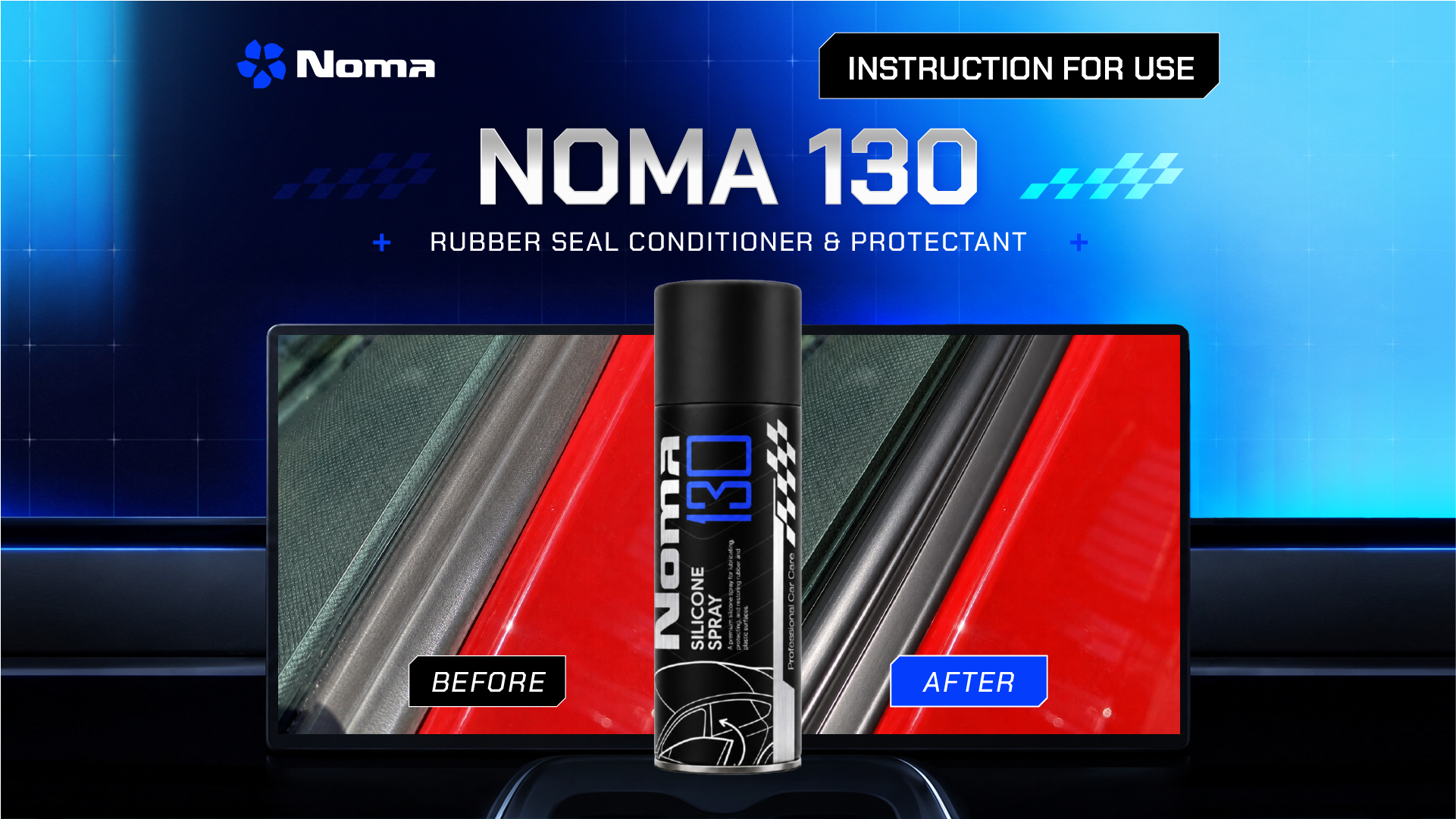
Rodent-repellent spray is another effective way to keep rodents away. It leaves behind a protective coating over the electrical components, rubber, and plastic parts in the engine bay, shielding them from gnawing damage and helping keep your car safe to drive.
Before spraying, put on a mask and chemical-resistant gloves. Clean the engine bay and other parts of the car first, then shake the can well and spray it directly onto plastic parts, rubber hoses, and wiring, making sure to cover all four wheel wells.
Use a rodent-repellent device
These devices emit an ultrasonic frequency between 22-60 kHz that constantly shifts, creating an unpleasant, disorienting sensation that scares rodents off. The big advantages here are a compact design that’s easy to install and use, plus no effect on human health.
Use mothballs or camphor
Camphor and mothballs are a rodent’s worst enemy, which is exactly why so many drivers reach for this simple, effective method. Just tuck a few mothballs into spots rodents tend to frequent, and the strong smell will send them packing.
That said, this method only works well at first — rodents can get used to the smell over time, stop being bothered by it, and go back to causing trouble. Mothballs can also affect people’s health, so only use them when no one’s riding in the car.
Use a rodent-deterrent lubricant
Plenty of drivers swear by coating python or ox fat onto pipes and areas in the engine bay that rodents like to chew on. These greases make surfaces too slippery for rodents to grip, making it harder for them to get around or settle in the engine bay. The downside is that engine bay components tend to collect grime much faster this way, making them harder to clean, and the smell can end up drifting into the cabin through the AC system.
Use rodent glue traps
Beyond just trying to repel rodents, plenty of car owners go for a more direct approach and place glue traps around the car, underneath it, and inside the engine bay. That said, this method isn’t always very effective, since rodents are cunning enough to spot and avoid traps set for them.
Keep your car clean, inside and out
Keeping your car clean from top to bottom doesn’t just deter rodents — it also makes for a more pleasant ride. Wipe down the car’s components regularly, especially the cabin and engine bay. If you spot any dropped food in the car, clean it up right away so it doesn’t attract rodents. And if you notice any signs that rodents have been around, deal with it immediately before they can cause serious damage to your car.
5+ tips to help keep rodents out of your car for good
To cut down the odds of rodents getting into your car, keep these tips in your back pocket:
- Don’t park near piles of trash: Avoid parking in damp areas or near drains and garbage, since these are prime rodent hangouts and raise the odds that one will make its way into your car.
- Check the wiring, drive belts, and electrical system at the first sign of rodents: If you notice signs that rodents have gotten in, check the wiring, drive belts, and electrical system right away to avoid serious damage to your car.
- Check the air filter if you notice a smell from the AC: When rodents nest in a car, the urine and droppings they leave behind can dirty up the engine’s air filter, restricting airflow and hurting your AC system’s performance. So if you notice a smell coming from the AC, check the air filter right away to protect its function and lifespan.
- Don’t leave doors open for long stretches: Forgetting to close a car door, or leaving one open too long, is basically an open invitation for a rodent to sneak in. Keep door-open time to a minimum, and always double-check that doors are shut tight whenever you get in or out, to keep rodents from finding their way in.
- Start the engine every 2-3 days if the car isn’t driven often: Cars that sit unused or idle for long periods are especially vulnerable to rodents. Start the engine roughly every 2-3 days to keep rodents from nesting inside, since they dislike the heat and the smell of gasoline.
- Avoid eating in the car: Food scraps left in the car are like a beacon that draws rodents in fast. Keeping the car clean and cutting back on eating inside it reduces food smells in the cabin, which helps keep rodents from finding a way in.
A rodent getting into your car might seem like no big deal, but it can lead to some serious problems — chewed-through wires, damage to the engine bay, and even a fire risk. On top of that, a rodent nest in your car brings a foul smell that’s unpleasant for both driver and passengers. If you notice a strange odor or any signs that rodents have moved in, put the rodent-prevention tips above to work right away. And for the best results long-term, keep checking the engine bay regularly, keep the car clean, and don’t leave food lying around inside.