
Faded Black Trim on Your Car: 5 Causes & How to Fix It for Good

Faded Black Trim on Your Car: 5 Causes & How to Fix It for Good
Faded black trim is one of the most common cosmetic complaints among car owners. When black trim turns gray and dull, it drags down the whole look of the car — even if everything else is shiny and clean.
Maybe you’ve already tried washing the car thoroughly, buffing the surface, or using off-the-shelf products, only to find they didn’t do the trick. That’s usually because you haven’t addressed the root cause with the right solution.
This guide walks you through why black trim fades in the first place, and how to fix it at home using modern restoration methods.
Why Does Black Trim Fade? 5 Main Causes
To restore faded black trim effectively, you first need to understand what’s causing it. There are 5 main culprits:
1. UV rays from sunlight
UV exposure is the number-one cause of faded black trim. When a car sits outside for long stretches, UV rays penetrate the plastic’s structure and break down its molecular bonds, leaving the surface gray and dull.
This isn’t just a cosmetic issue — it also weakens the plastic’s structure, making it more prone to cracking and breaking.
2. Oxidation and airborne chemicals
Air pollution, acid rain, and airborne chemicals seep into plastic and cause surface oxidation. This process leaves the plastic rough and strips away its smooth shine.
3. Improper washing technique
Using high-pH car wash soap, harsh solutions, or scrubbing plastic too aggressively strips away the plastic’s natural protective layer.
Some owners use products with strong chemicals or acids, which dry out the plastic and leave scratches.
4. Road grime, dust, and bug residue
Road tar, dead insect residue, dust, and debris that build up on faded black trim form a layer of grime that works its way deep into the surface. Left uncleaned, these contaminants can bond with the plastic and cause lasting damage.
5. High humidity, mold, and mildew
In tropical climates, high humidity creates ideal conditions for mold and mildew to grow on plastic. This doesn’t just dull the color — it can also pose health risks and make restoring faded trim more difficult.
According to reports on urban climate conditions in Vietnam, humidity in major cities typically runs 70–80%, creating favorable conditions for these damaging agents.
The Real Cost of Faded Black Trim
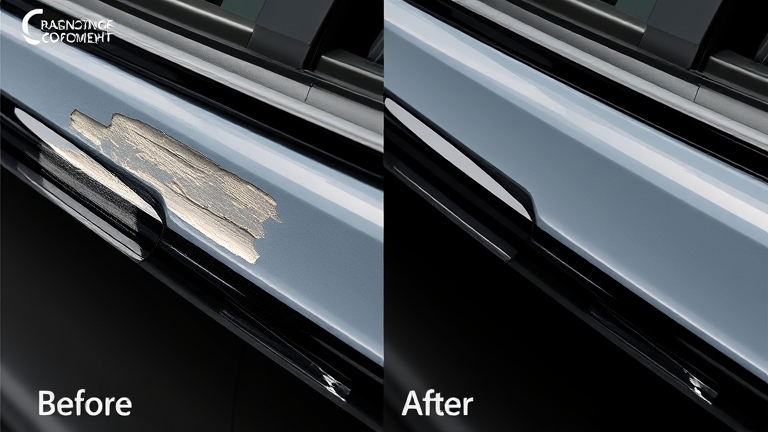
Faded black trim isn’t just a cosmetic issue — it comes with real downsides:
 The real cost of faded black trim
- Lower resale value: A car with faded, dull black trim looks older than it is, which can hurt resale value and insurance assessments.
- Faster deterioration: Fading is a sign the plastic’s structure has already weakened, making it more prone to cracking and losing its original protective function.
- Functional issues: If fading affects seals, mirrors, or headlight housings, it can impact lighting performance and how well accessories stay attached.
- Health concerns: Chemical compounds released from oxidized plastic can circulate inside the cabin, potentially affecting respiratory health — especially in hot, humid climates.
Temporary Fixes vs. Permanent Solutions for Faded Black Trim
There are two categories of fixes for faded black trim: temporary and permanent. Understanding the difference helps you choose the right one.
Temporary fixes (1–3 months)
Temporary fixes just mask the surface without repairing the plastic’s structure:
- Dedicated plastic oils: Create shine using oil-based ingredients, but fade quickly within 2–4 weeks.
- Color-restoring dyes: Re-darken the surface with pigment, but tend to peel or smear when the car is washed.
- Protective dressings: Add a lubricating layer for a temporary improvement, but don’t repair the plastic’s underlying damage.
Downside: Ongoing maintenance costs, without addressing the root cause.
Permanent solutions (6–12+ months)
Permanent solutions repair the plastic’s structure and provide long-term protection:
- pH-neutral plastic restoration solutions: Penetrate deep into the plastic’s structure, repairing damage from within while building UV and oxidation resistance. Results last 6–12 months depending on usage conditions.
- Surface dye + protective sealant: Restores the original black color and adds UV and water resistance.
- Professional shop treatment: Uses industrial equipment and chemicals for comprehensive restoration, though it’s costlier and takes more time.
Modern American-engineered solutions like NOMA use a safe, pH-neutral formula that restores black trim from deep within, delivering long-term protection without posing risks to users.
Check out our guide to exterior car care at home for tips on applying these dedicated products.
Step-by-Step: How to Restore Faded Black Trim
Restoring faded black trim at home isn’t hard if you follow the right process:
Step 1: Clean the plastic surface
Wash the black trim with clean water and a pH-neutral car wash solution. Avoid dish soap, harsh cleaners, or strong chemicals.
Use a soft brush or soft cloth to gently scrub away dust, tar, and debris. Rinse 2–3 times until nothing remains.
Step 2: Dry it completely
Use a clean, soft towel to dry off all the water on the plastic surface. Leftover moisture will keep the restoration solution from absorbing properly.
Wait 15–30 minutes to make sure the plastic is completely dry.
Step 3: Apply the black trim restoration solution
Choose a pH-neutral restoration solution (such as NOMA 250). Apply a small amount to a brush or soft cloth and spread it evenly across the plastic surface.
Work top to bottom, then side to side, to ensure full coverage. Don’t overapply — just enough to leave the surface visibly wet is plenty.
Step 4: Let it soak in, then wipe
Wait 5–10 minutes for the solution to soak deep into the plastic’s structure. You’ll notice the surface gradually becoming glossier.
Use a clean, soft towel to gently wipe away any excess solution. This step matters — skipping it can leave an oily residue or streaks.
Step 5: Let it fully cure
Wait at least 2–4 hours before washing the car again or exposing it to water. Ideally, let it cure overnight so the solution bonds fully with the plastic’s structure.
Once restored, faded black trim will return to a deep, glossy black, with lasting protection against UV rays, water, and mildew.
Comparing Black Trim Restoration Products on the Market
| Criteria | NOMA (USA) | 3M (USA) | Liqui Moly (Germany) | Sonax (Germany) |
|---|---|---|---|---|
| pH-neutral formula | ✓ Yes, 100% safe | ✓ Yes | – Unclear | – Unclear |
| Deep restoration of plastic structure | ✓ Deep, 6–12 months | ✓ Good, 3–6 months | ✓ Good, 2–4 months | ✓ Good, 3–6 months |
| Oxidation & UV resistance | ✓ Excellent | ✓ Good | ✓ Good | ✓ Good |
| Easy for DIY use | ✓ Very easy | ✓ Easy | ✓ Easy | ✓ Easy |
| Price | ✓ Competitive | ~ High | ~ High | ~ High |
| Availability | ✓ Yes, at localhost:10003 | ✓ Yes | ✓ Yes | ✓ Yes |
| No health risks | ✓ Completely safe | ✓ Safe | – Needs verification | – Needs verification |
Looking at the table above, NOMA stands out for its completely safe pH-neutral formula, ease of DIY use, and long-lasting results.
How to Prevent Black Trim From Fading in the First Place
Prevention always beats cure. Here’s how to keep black trim from fading:
- Park in the shade: Avoid leaving your car under direct sun for long periods. Use a sunshade, garage, or covered parking whenever possible.
- Wash regularly: Wash your car every two weeks with a pH-neutral solution. This removes damaging contaminants before they can bond with the surface.
- Reapply protectant regularly: Every 2–3 months, reapply a restoration solution to renew the protective layer. Check out our routine car maintenance schedule for a detailed timeline.
- Avoid harsh chemicals: Skip strong acidic cleaners, cooking oil, dish soap, or industrial degreasers.
- Check regularly: Once a month, wipe down the plastic surface and check for early signs of fading. Catching it early makes it easier to treat.
Frequently Asked Questions About Faded Black Trim
Q1: How long does it take to restore faded black trim?
The application itself only takes 15–20 minutes. However, you’ll need to wait 2–4 hours for the solution to fully cure before using the car normally.
Q2: Is black trim restoration solution safe for skin?
pH-neutral products like NOMA are designed to be safe for users. That said, wearing gloves during application is a good precaution.
Q3: Can severely faded black trim be restored?
Yes, but it may take multiple applications. For badly faded trim, apply the solution once, wait a week, then apply again. After 2–3 applications, the trim should be fully restored.
Q4: Is glass mold related to faded black trim?
Yes — both are caused by high humidity and lack of protection. Using a glass anti-mold solution alongside a trim restoration product gives your car comprehensive protection.
Q5: What’s the best time of year to restore black trim?
The dry season (November to March) is ideal. Avoid restoring trim during the rainy season, since high humidity slows down drying and bonding.
Q6: Do I need to go to a shop to restore faded black trim?
Not necessarily. You can absolutely restore it yourself at home with the right solution. A shop visit only makes sense if the plastic is severely damaged (cracked or broken) or if you want to combine it with other services like polishing or dyeing.
Q7: Is car trim plastic different from motorcycle trim plastic?
Yes. Car trim plastic is typically thicker and more durable, but it’s still prone to oxidation without proper care. Dedicated restoration solutions work on both.
Conclusion: Restoring Faded Black Trim Is Worth Doing
Restoring faded black trim doesn’t just make your car look fresher — it also protects the plastic’s structure from further damage. Understanding the causes, applying the right fix, and maintaining it regularly will keep your car looking sharp for the long haul.
Instead of relying on temporary fixes or expensive shop visits, try a pH-neutral, American-engineered restoration solution that’s completely safe for both you and your car. Doing it yourself at home saves money — and there’s real satisfaction in caring for your own vehicle.
Get started today and bring your car’s black trim back to its best!
Sources
- Reports on urban climate and humidity conditions in Vietnam