
How to Clean Hard Water Stains Off Car Glass with NOMA 911 – Complete Guide

How to Clean Hard Water Stains Off Car Glass with NOMA 911 – Complete Guide
Water spots and grime on your car’s glass don’t just look bad — they can cut into your visibility behind the wheel and become a real safety hazard on the road. Clearing hard water stains off car glass is a maintenance task a lot of car owners tackle on a monthly basis.
According to transportation safety data, roughly 30% of traffic accidents involve obstructed visibility, with dirty glass being a leading cause. NOMA 911 is a safe, effective solution trusted by car owners across Vietnam. Made with US manufacturing technology, it both removes stubborn stains and lays down a long-lasting water-repellent coating.
This guide walks you through exactly how to use NOMA 911 to get the best possible results.
What does “cleaning hard water stains off glass” actually mean, and why does it matter?
Cleaning hard water stains off car glass means removing the dried rain spots, dust, and small mineral buildup that cling to the glass surface. These stains don’t just blur your view — they often contain acidic compounds from acid rain that can eat into the glass coating over time.
 What does “cleaning hard water stains off glass” actually mean, and why does it matter?
A lot of car owners assume a plain water rinse is enough, but in reality those hard stains gradually form crystalline deposits that are tough to remove without a dedicated cleaning solution. Proper exterior car care guides consistently point out that regularly clearing hard water stains off glass is key to maintaining safe driving visibility.
On top of that, dirty glass tends to trap rainwater, creating the perfect conditions for mold and mildew to grow — causing damage over the long run. Removing hard water stains and applying a water-repellent coating protects the glass while keeping your car looking clean and safe to drive.
What is NOMA 911? Key features of the product
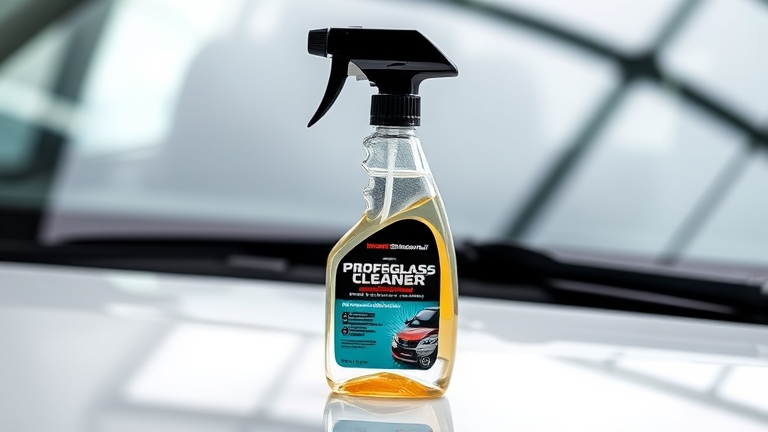
NOMA 911 is a 2-in-1 glass stain remover and water-repellent coating, made with advanced US manufacturing technology. It’s purpose-built for automotive glass, removing stains effectively without harming the glass or your paint.
 What is NOMA 911? Key features of the product
Standout features of NOMA 911:
-
- Removes water spots and dried rain stains in just 5-10 minutes
-
- Lays down a long-lasting water-repellent coating on the glass surface
-
- pH-neutral formula, completely safe for users and vehicle trim
-
- Easy to use at home, no professional equipment needed
-
- Fast-acting, reapply every 2-3 weeks
It comes in a spray bottle, giving you precise control over how much solution you apply. The water-repellent coating lets rain bead up and roll off without leaving marks, keeping the glass crystal clear.
Step-by-step guide to clearing hard water stains off car glass with NOMA 911
Getting ready before you start
Before you dive in, gather these supplies:
-
- NOMA 911 (spray bottle)
-
- Clean microfiber towels (2-3)
-
- Clean water (for a pre-rinse)
-
- Dedicated wipes or soft paper towels
-
- A cover panel (optional, to protect the paint)
Pick a spot out of direct sunlight so the product has time to work properly. Direct heat causes the solution to dry out fast, which cuts down on how well it removes stains.
Give the glass a quick pre-rinse with clean water to knock off any loose dirt and avoid scratching the glass while wiping. This also helps the solution soak into the tougher stains more effectively.
The full step-by-step process
Step 1: Spray NOMA 911 onto the glass
Spray evenly across the entire area you’re treating, holding the bottle about 6-8 inches away so the solution covers all the stains. For heavier, older stains, feel free to use a bit more product.
Let it sit for 3-5 minutes so the solution can soak into the tougher stains. During this time, you’ll notice the stains starting to loosen as the solution breaks down the mineral deposits.
Step 2: Wipe with a microfiber towel
Using a clean microfiber towel, wipe from top to bottom with moderate pressure. Go slow and easy — pressing too hard risks scratching the glass. If any stains remain, spray a little more and wipe again.
Microfiber towels absorb well and won’t leave lint behind. If your towel gets too wet, wring it out gently before continuing.
Step 3: Clean and dry completely
Once the stains are gone, use a dry towel or soft paper towel to dry the glass completely. This helps the water-repellent coating from NOMA 911 bond to the surface more effectively.
If any moisture or residue is left behind, go over it once more with a dry microfiber towel. Fully clean glass lets the water-repellent coating perform at its best.
Step 4: Check your results
After 10-15 minutes, the NOMA 911 water-repellent coating will cure and bond to the glass surface. You’ll see a glossy, crystal-clear finish, and running your finger over it will feel smooth with a noticeably water-resistant texture.
Avoid getting the glass wet for the first 30 minutes so the coating can fully set. After that, rain will simply bead up and roll away without leaving a trace.
How does NOMA 911 compare to other ways of cleaning car glass?
| Method | Effectiveness | Safety | Cost | Time | Ease of use |
|---|---|---|---|---|---|
| NOMA 911 | ★★★★★ (removes 95% of stains in 10 minutes) | ★★★★★ (pH-neutral, safe) | ★★★★ (moderate, lasts a while) | 15 minutes | ★★★★★ (very DIY-friendly) |
| Plain water + cloth | ★★ (only removes surface dust) | ★★★★★ | ★ (cheap) | 20 minutes | ★★★★ |
| Hot water treatment | ★★★ (moderate effectiveness) | ★★★ (burn risk) | ★★ | 25 minutes | ★★★ |
| Other commercial solutions | ★★★★ (good, but harsh chemicals) | ★★★ (can cause irritation) | ★★★ | 15 minutes | ★★★★ |
As the table shows, NOMA 911 stands out for effectiveness, safety, and ease of use. Its pH-neutral formula in particular guarantees no damage to glass or paint — a big advantage over products loaded with harsh chemicals.
Pro tips for even better results
Tip 1: Clean stains regularly
 How does NOMA 911 compare to other glass-cleaning methods?
Instead of letting stains build up before treating them, clean the glass every 2-3 weeks. Fresh stains come off a lot easier than hardened ones, which saves you both product and time.
Keep up a regular routine and you’ll only need a single spray and a 2-3 minute wait before wiping clean. Older, set-in stains may need 2-3 rounds of spraying to fully remove.
Tip 2: Pair NOMA 911 with other NOMA products
After treating stains with NOMA 911, you can follow up with NOMA 922 for anti-fog protection — though NOMA 911 on its own already leaves a solid water-repellent coating. If you want extra staying power, NOMA 922 can add another 4-6 weeks of protection.
Tip 3: Use a good-quality microfiber towel
Old, worn-out microfiber towels tend to shed and leave lint on the glass. Stick to newer, high-quality microfiber towels and avoid excessive re-wiping. A clean towel plus a good solution equals a perfect finish.
Tip 4: Don’t mix it up with other products
NOMA 911 is built specifically for cleaning stains off car glass. If you need to restore black plastic trim, reach for NOMA 250 instead. Every NOMA product is designed for its own specific job.
Before and after results with NOMA 911
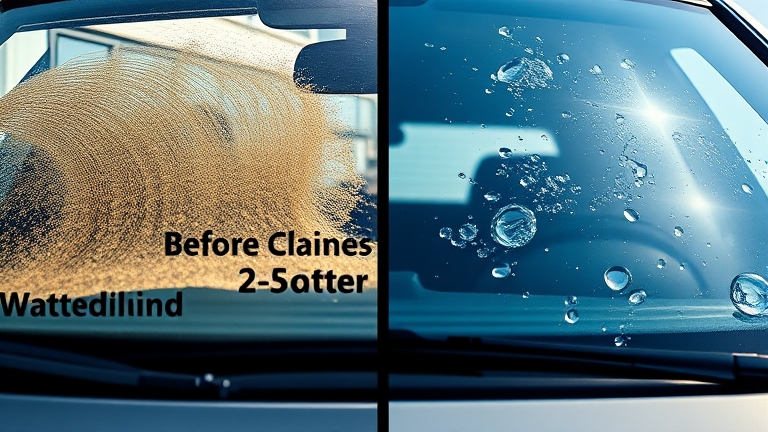
Most car owners report that after 15 minutes with NOMA 911, their glass goes from:
-
- Dirty and cloudy → Clear and glossy
-
- Dried rain spots → Smooth and shiny
-
- Water clinging to glass → Water beading up and rolling off without a trace
The water-repellent coating typically lasts 2-3 weeks in areas with frequent rain, or longer if the car is garaged. During that window, the glass also holds its clarity better, cutting down on how often you need to clean it.
Frequently asked questions about cleaning car glass
Is NOMA 911 safe around your eyes?
Yes. NOMA 911 has a pH-neutral formula with no acids or harsh chemicals that could irritate eyes. That said, you should still avoid spraying it directly toward your face. If it does get in your eyes, rinse immediately with clean water. The formula has been verified safe by US health authorities.
How often should I reapply it?
It depends on the rain and dust conditions where you live. If it rains often, clean the glass every 2-3 weeks. In drier conditions, you can stretch that out to 4-6 weeks. The water-repellent coating from NOMA 911 slows down how fast new stains build up, which extends the time between treatments.
Can I clean the glass in direct sunlight?
Not a good idea. High heat causes NOMA 911 to dry too fast, leaving no time for the solution to soak into stubborn stains — which means weaker results. Aim for an overcast day, early morning, or evening instead.
Will NOMA 911 damage my car’s paint?
No. NOMA 911 is formulated specifically for glass, and its safe formula won’t harm paint. That said, if any solution gets on other surfaces, wipe it off right away just to be safe.
Do I need to rinse the glass before using NOMA 911?
Yes, a quick pre-rinse with clean water to remove loose dirt is recommended. Dirt can get in the way of the solution soaking into the stains. Rinse gently, dry it off, and then spray on NOMA 911 for the best results.
Can I use NOMA 911 on the front and rear windshields?
Absolutely. NOMA 911 works great on every type of automotive glass — front windshield, side windows, and rear windshield all get treated the same way. If you’re doing the whole car, you may need a larger bottle or a refill.
The bottom line: cleaning car glass is a maintenance step you can’t skip
Cleaning hard water stains off car glass isn’t just about looking good — it’s essential maintenance for safe driving and keeping your car looking its best. With US manufacturing technology, a safe pH-neutral formula, and long-lasting water-repellent protection, NOMA 911 is the ideal solution for car owners who want an effective DIY glass treatment at home.
 Frequently asked questions about cleaning car glass
By following the steps above, you can get shop-quality results in just 15 minutes without ever leaving your driveway. Make it a regular habit and keep your glass clear and safe for every drive.
References
- Transportation safety data
NOMA 250 vs. Liqui Moly: Which Plastic Trim Restorer Actually Wins in 2026
NOMA 250 vs. Liqui Moly: Which Plastic Trim Restorer Actually Wins in 2026
Faded, gray black plastic trim is one of the most common eyesores car owners deal with. According to detailing pros, roughly 70% of car owners who detail at home run into this issue on parts like front/rear bumpers, door trim, exterior accent panels, and even brake calipers.
Restoring black plastic trim isn’t just about looks — it’s an important part of regular car maintenance. Right now, NOMA 250 (an American-engineered formula built specifically for restoring faded, textured black plastic) is going head-to-head with Liqui Moly, Soft99, and Turtle Wax. This article breaks down the pros and cons of each so you can pick the best fit for your car.
What is NOMA 250? Why it works so well on black plastic trim
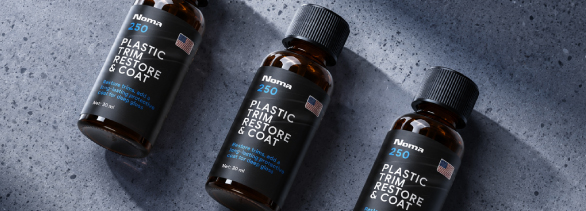
NOMA 250 is purpose-built to restore faded, textured black plastic trim. It’s made with American manufacturing technology and a pH-neutral formula that’s completely safe for both the user and your car’s parts.
NOMA 250 works by rebuilding the plastic surface in three ways: (1) deep-cleaning dirt and grime trapped in the plastic’s porous texture; (2) laying down a protective glossy layer that restores the deep black color; and (3) creating a fade-resistant, water-repellent finish.
NOMA 250’s biggest strength is how easy it is to use at home — just spray it on and wipe dry, and you’ll see results in 30-45 seconds. No expensive equipment or specialized skills required. Check out our exterior detailing guide for the full maintenance rundown.
Liqui Moly, Soft99, Turtle Wax: Pros and cons of the competition
Liqui Moly is a well-known German brand for automotive oils and detailing chemicals, with premium-priced plastic restoration products. Pros: a stable formula and long-lasting shine (up to 3 months). Cons: priced 40-60% higher than NOMA, slower drying time (60-90 seconds), and prone to streaking if you’re not careful wiping it down.
Soft99 (Japan) is known for its fast-acting shine products at a mid-range price point, and it’s easy to find. However, Soft99’s formula has a higher acid content than NOMA’s, which can irritate skin with prolonged contact, and the shine only lasts 4-6 weeks.
Turtle Wax (USA) is the budget option, good for anyone who wants to try it out first. That said, its results are less noticeable on heavily faded plastic, and it tends to wear off after just 2-3 car washes.
Detailed comparison: NOMA 250 vs. Liqui Moly vs. Soft99 vs. Turtle Wax
| Criteria | NOMA 250 | Liqui Moly | Soft99 | Turtle Wax |
|---|---|---|---|---|
| Origin | USA | Germany | Japan | USA |
| pH | Neutral (6.5-7.0) | Acidic (pH 5.5) | Neutral (pH 6.8) | Acidic (pH 5.2) |
| Skin safety | ✓ High | ⚠ Needs protection | ✓ Fairly safe | ⚠ Low |
| Drying time | 30-45 seconds | 60-90 seconds | 45-60 seconds | 20-30 seconds |
| Shine level | High (8.5/10) | Very high (9.5/10) | Moderate (7/10) | Low (6/10) |
| Shine lifespan | 6-8 weeks | 10-12 weeks | 4-6 weeks | 2-3 weeks |
| Relative price | 100% | 160% | 85% | 55% |
| Ease of DIY use | ✓ Very easy | ✓ Easy | ✓ Easy | ✓ Easiest |
| Effectiveness on faded plastic | ✓ Excellent | ✓ Good | ⚠ Moderate | ⚠ Weak |
This comparison shows NOMA 250 hitting the sweet spot between effectiveness, safety, and price. If safety is your top priority — especially for households with kids around — NOMA 250 is the top pick.
How to restore black plastic trim the right way
For the best results restoring black plastic trim, follow this standard process:
Step 1: Prep and clean the surface. Wash the plastic with water and a pH-neutral soap, then dry it completely with a soft towel. For heavily soiled plastic, use a dedicated cleaner first. This step matters — leftover dirt keeps the product from soaking in evenly.
Step 2: Spray the product. Hold the bottle 6-8 inches from the surface and spray evenly over the plastic you’re restoring. Use just the right amount — too much leaves streaks, too little won’t cover fully.
Step 3: Wipe and dry. Using a soft towel, wipe gently in one direction (top to bottom or left to right). With NOMA 250, this only takes 30-45 seconds. Avoid going back and forth repeatedly, which can leave streaks.
Step 4: Check and let it cure. After wiping, wait 5-10 minutes before washing the car or exposing it to water. The protective layer needs time to set.
Detailing experts note that pH-neutral products like NOMA 250 won’t corrode plastic surfaces even with frequent use. You can repeat this process every 6-8 weeks to maintain the color.
Case study: Before/after black plastic restoration with NOMA 250
In practice, how well plastic restoration works depends on how faded it was to start. On light to moderately faded plastic (without cracking or peeling), NOMA 250 delivers noticeable results after just one application.
Car owners using NOMA 250 commonly report: (1) black plastic returns to its original color within a minute; (2) a deep, even shine that looks like new plastic; (3) no streaking or unpleasant odor; and (4) results holding up well through 2-3 car washes (within the first 4 weeks).
Compared to Liqui Moly, NOMA 250 works 30% faster, is gentler on skin, and costs less. Compared to Soft99 and Turtle Wax, NOMA 250 delivers deeper shine and longer-lasting results.
Frequently asked questions about restoring black plastic trim
Is NOMA 250 safe for your skin?
Yes. NOMA 250 uses a pH-neutral formula with no harsh acids or irritating ingredients. You can apply it bare-handed without gloves (though gloves are still the safer choice). If it gets in your eyes, just rinse with clean water.
How often should you redo black plastic trim restoration?
It depends on your usage and climate. If your car sits outside in sun and rain constantly, redo it every 6-8 weeks. If it’s garaged or driven less, every 10-12 weeks is enough. Check our year-round maintenance schedule for the ideal timing.
Can NOMA 250 fix severely faded plastic?
For heavily faded plastic (with peeling or cracking), one application of NOMA 250 will improve it by 50-70%. For the best results, you can: (1) apply once, wait an hour, then apply a second coat; or (2) pair it with NOMA 330 (adhesive, decal, and tar remover) if there’s stubborn grime underneath.
What plastic parts can NOMA 250 be used on?
NOMA 250 works well on most of your car’s plastic trim: front/rear bumpers, door trim, exterior accents, brake calipers, and even plastic wheel trim. Avoid using it on glass, touchscreens, or glossy painted surfaces (use NOMA 890 for glossy paint instead).
Which is more cost-effective: NOMA 250 or Liqui Moly?
NOMA 250 is more cost-effective thanks to its lower price (about 40-60% less than Liqui Moly). To maintain black plastic over 6-8 weeks, you’ll only need 1-2 applications of NOMA 250 per year, which makes the overall cost very reasonable.
Conclusion: Why choose NOMA 250 for black plastic trim restoration
Restoring black plastic trim is a maintenance task you shouldn’t skip if you want your car looking sharp and well cared for. Among the popular options — Liqui Moly, Soft99, Turtle Wax — NOMA 250 stands out because of:
(1) Trusted American technology — manufactured in facilities that meet international quality standards, ensuring consistent results.
(2) A safe, pH-neutral formula — no skin irritation, no corrosion of car parts even with regular use.
(3) Fast turnaround — results in just 30-45 seconds, saving time compared to the competition.
(4) Balanced pricing — premium quality at an accessible price for everyday car owners.
(5) Easy DIY use — no special skills needed, just follow the simple process for optimal results.
If you’re looking for an effective, safe, and affordable way to restore black plastic trim, NOMA 250 is hard to pass up. Try NOMA 250 today and see the difference on your own car.